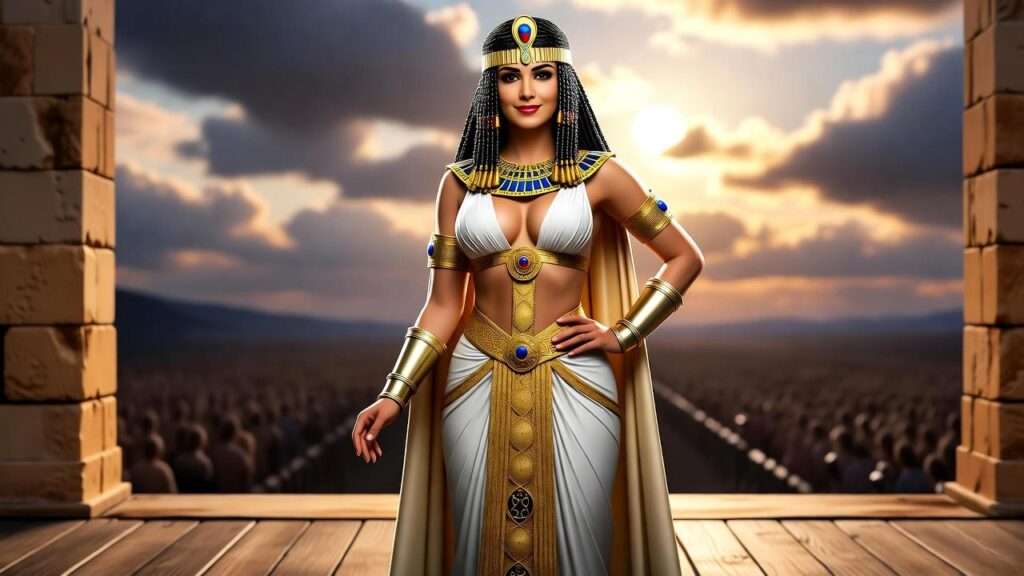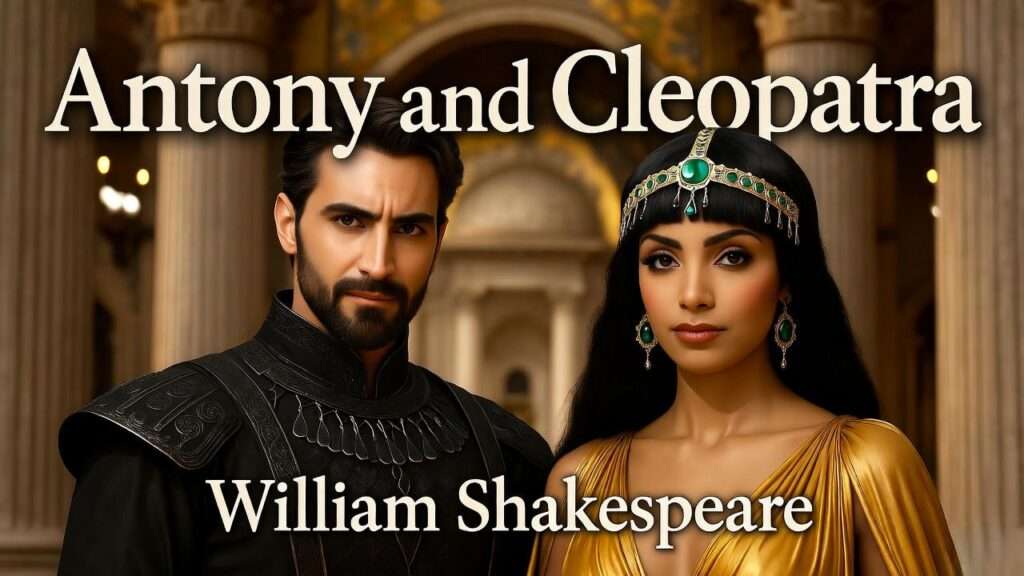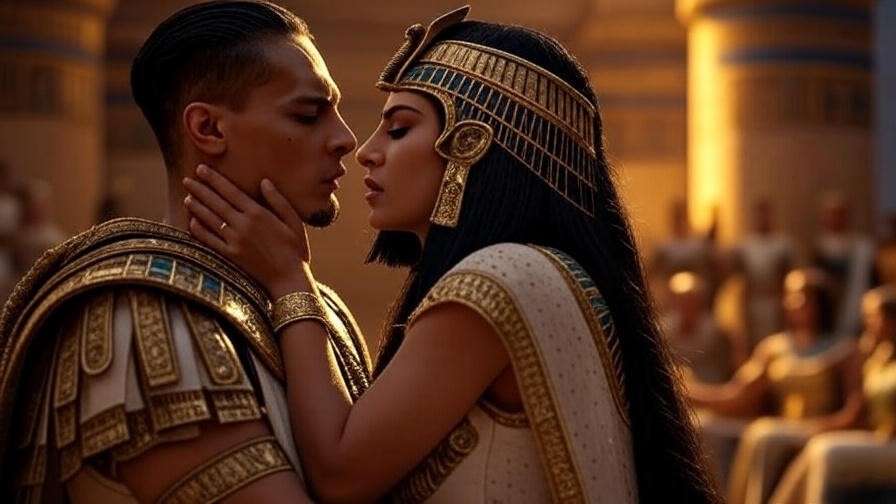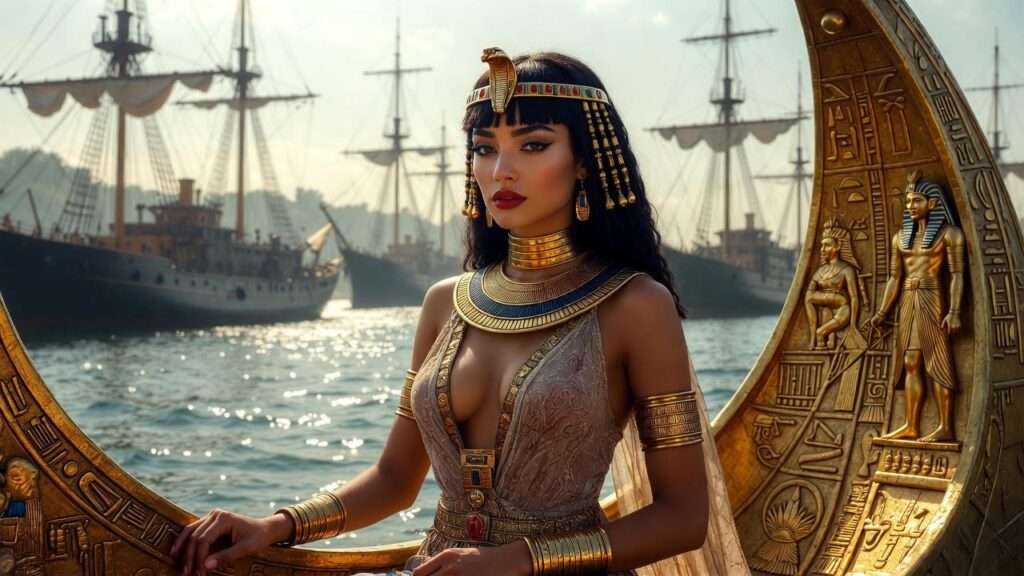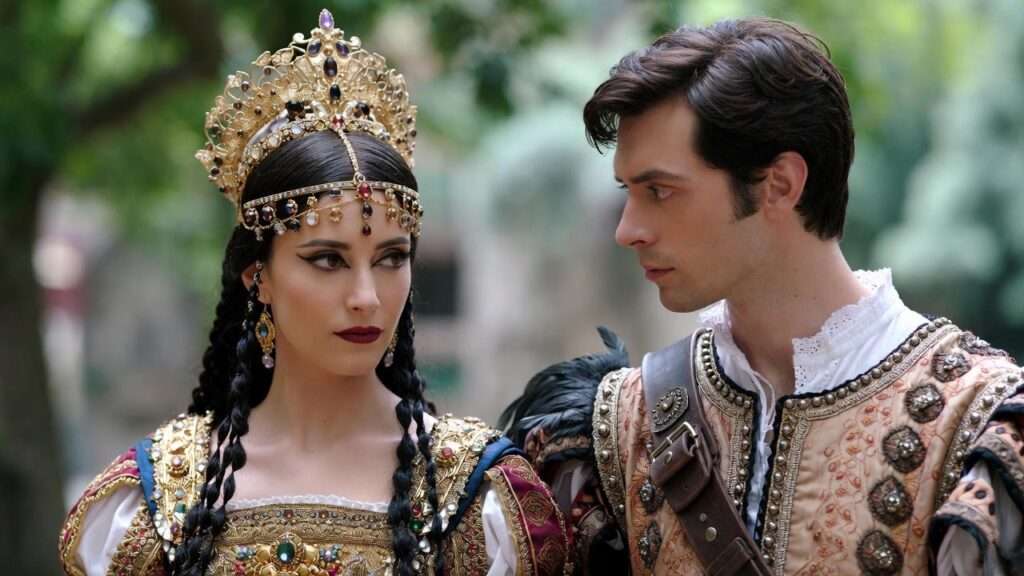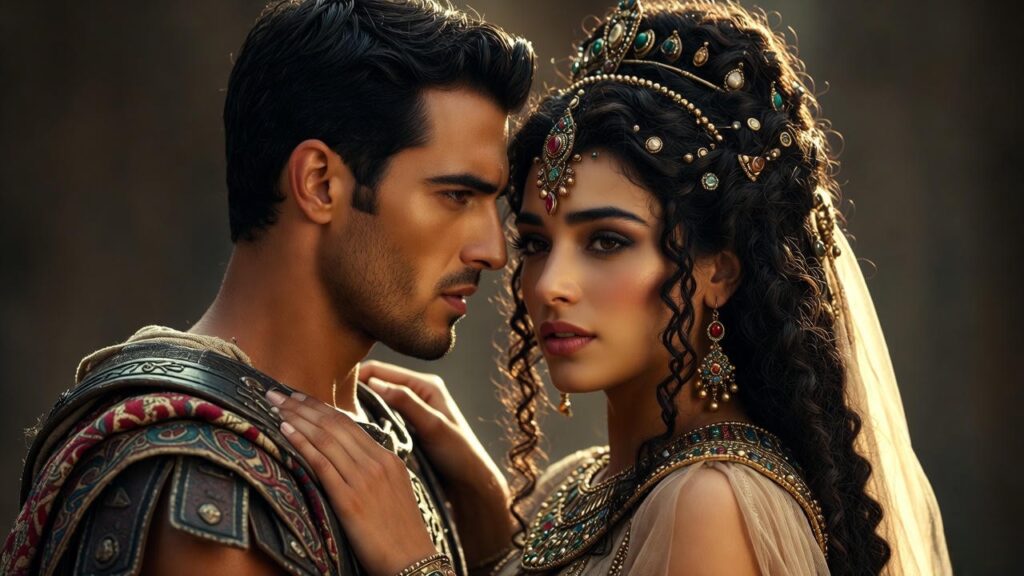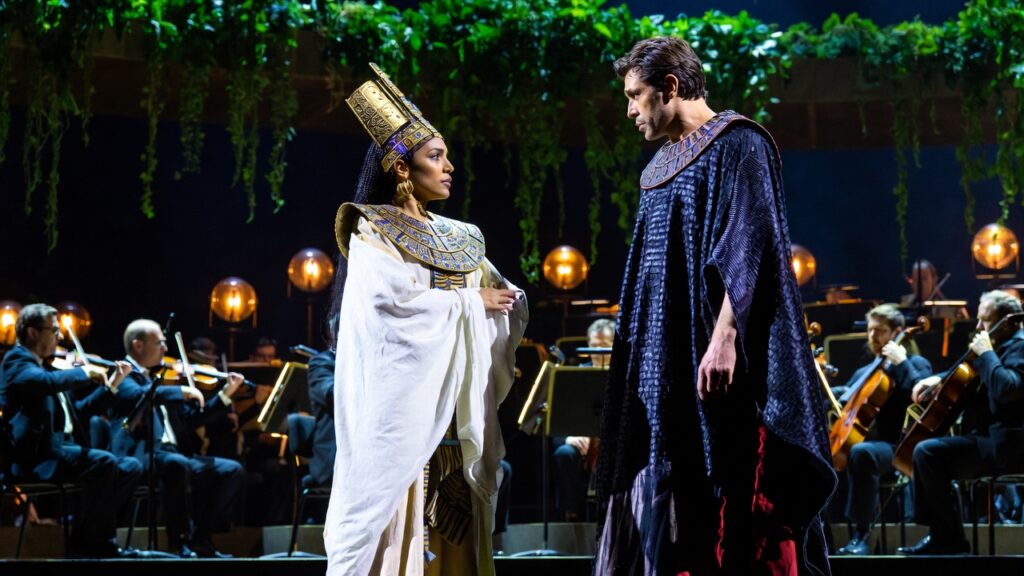
Imagine the sun-drenched opulence of ancient Egypt clashing against the cold marble of imperial Rome: a warrior-general torn between intoxicating passion and political duty, a queen whose allure masks razor-sharp ambition, and an empire teetering on the edge of transformation. For over four centuries, William Shakespeare’s Antony and Cleopatra has enthralled audiences with its sweeping scope, psychological depth, and tragic inevitability. Now, in the 21st century, renowned American composer John Adams breathes new life into this masterpiece through his 2022 opera Antony and Cleopatra—a work that preserves Shakespeare’s poetic intensity while infusing it with pulsating orchestral energy, rhythmic drive, and contemporary emotional resonance.
Adams’ Antony and Cleopatra stands as one of the most ambitious modern adaptations of Shakespeare, blending the Bard’s Elizabethan verse directly into the libretto with Adams’ signature musical language. Premiered at San Francisco Opera to mark the company’s centennial and later triumphantly (if controversially) staged at the Metropolitan Opera in 2025, the opera captures the essence of love versus empire, East versus West, and personal desire against historical destiny. For Shakespeare enthusiasts seeking fresh interpretations, opera lovers exploring new American works, or anyone fascinated by how classic literature evolves across art forms, this piece offers profound insights. It solves the common frustration of dense Shakespearean text feeling inaccessible by layering music that amplifies emotion, rhythm, and drama—making the timeless tragedy feel urgently relevant in an era of polarized power and personal sacrifice.
In this comprehensive guide, we delve deeper than existing reviews and summaries: examining Adams’ compositional choices, structural adaptations, thematic reexaminations, production evolutions, and lasting cultural impact. Whether you’re preparing to stream a performance, revisiting the play, or simply curious about bridges between literature and opera, you’ll find authoritative analysis grounded in critical reception, composer insights, and direct comparisons.
Who Is John Adams? A Brief Overview of the Composer
John Adams stands as one of America’s most celebrated living composers, a figure whose operas have consistently engaged with history, politics, and human complexity. Born in 1947, Adams rose to prominence in the minimalist tradition—think Steve Reich and Philip Glass—but quickly forged his own path with eclectic influences ranging from Baroque counterpoint to rock rhythms.
His breakthrough came with Nixon in China (1987), a groundbreaking “docu-opera” that treated recent history with poetic gravity rather than satire. Subsequent works like The Death of Klinghoffer (1991), exploring terrorism and empathy, and Doctor Atomic (2005), dramatizing the Manhattan Project, solidified his reputation for tackling large-scale moral and political dilemmas through music that is rhythmically propulsive yet emotionally nuanced.
Unlike earlier collaborations with librettist Peter Sellars or poet Alice Goodman, Antony and Cleopatra marks Adams’ first self-written libretto (with dramaturgical input from director Elkhanah Pulitzer and Lucia Scheckner). Adams has long admired Shakespeare’s language as inherently musical—its iambic rhythms, repetitions, and sonic textures align naturally with his compositional style. After reading the complete Shakespeare canon, he selected Antony and Cleopatra for its epic scale, passionate rhetoric, and exploration of power dynamics—qualities that mirror his own operatic preoccupations.
This choice reflects Adams’ evolution: less overtly minimalist repetition, more fluid dramatic momentum, yet retaining the restless energy that defines his sound.
The Source Material – Shakespeare’s Antony and Cleopatra in Context
Shakespeare’s Antony and Cleopatra (c. 1606–1607) is often classified as a “problem play”—neither pure tragedy nor history, but a hybrid blending romance, politics, and existential reflection. Spanning the Mediterranean world, it follows Roman triumvir Mark Antony’s entanglement with Egyptian queen Cleopatra, their defiance of Octavius Caesar, and ultimate downfall amid betrayal, war, and suicide.
Core themes include:
- Love versus duty: Antony’s passion for Cleopatra erodes his Roman obligations.
- Cultural collision: The sensual, fluid East (Egypt) versus disciplined, rational West (Rome), often critiqued as Orientalist stereotypes.
- Power and legacy: The shift from republican ideals to imperial autocracy under Caesar.
- Mortality and performance: Characters constantly “act” their roles, aware of their place in history.
The play’s challenges for adaptation are notorious: over 40 characters, episodic structure jumping between locations, poetic density with few introspective soliloquies, and a sprawling narrative lacking conventional tragic catharsis. Yet its operatic potential is immense—grand rhetoric, heightened emotion, and tragic inevitability suit the genre perfectly.
Shakespeare drew from Plutarch’s Lives, infusing historical events with psychological insight. Adams’ opera honors this source while confronting the play’s sprawl head-on.
How John Adams Adapted Shakespeare – Libretto and Structural Changes
Adams’ libretto is predominantly Shakespeare’s text, edited from a performing edition rather than rewritten wholesale. This fidelity preserves the Bard’s language—its Elizabethan cadences, metaphors, and sonic beauty—while making concessions to operatic pacing.
Key changes include:
- Compression to two acts: The original five-act play shrinks to roughly 2.5–3 hours (trimmed by about 20 minutes after the 2022 premiere). This focuses on the central trio: Antony, Cleopatra, and Caesar (Octavius).
- Character reduction: From 42+ figures to around a dozen. Subplots vanish—e.g., the wine-soaked party on Pompey’s ship, Enobarbus’ poignant desertion and death receive minimal or no treatment.
- Emphasis shifts: Greater weight on Egypt/Rome dichotomy, Antony’s internal conflict, and Cleopatra’s agency. The ending elevates Cleopatra’s final scenes, undercutting Roman “victory.”
- Minor interpolations: Snippets from Plutarch, Virgil (via Dryden translation for Caesar’s speeches), and a few Adams-penned lines in Shakespearean style to bridge gaps.
Adams has noted the necessity of cutting: “I rued the necessary loss of many scenes,” including Enobarbus’ farewell. Yet this streamlining creates relentless forward motion, suiting opera’s need for dramatic momentum over literary introspection.
Critics note challenges: dense verse can feel rushed when sung, sometimes bordering on parlando (speech-like singing). Still, Adams’ editing highlights emotional arcs—Antony’s weariness, Cleopatra’s complexity—making the adaptation feel purposeful rather than reductive.
Musical Reimagination – Adams’ Score and Its Innovations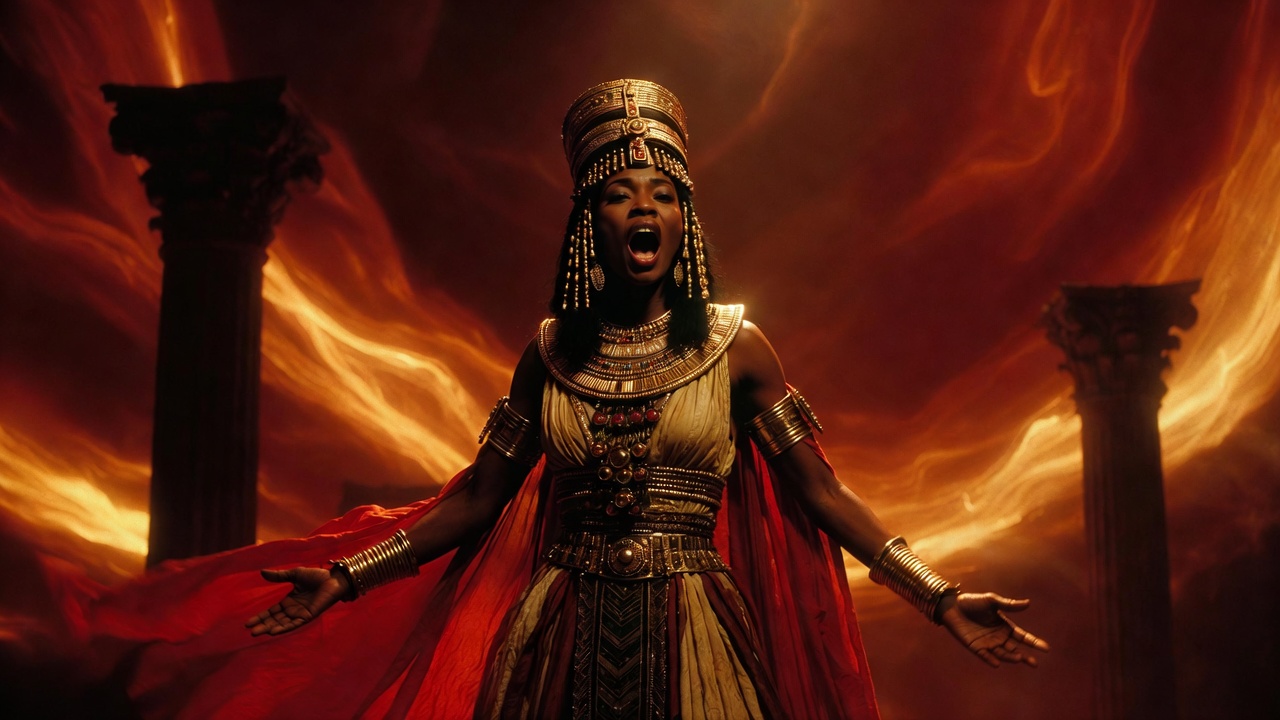
Adams’ score is richly textured: glistening strings, restless percussion (including cimbalom for exotic flavor), and shifting meters that mirror textual tension. Gone is heavy minimalism; in its place, fluid lyricism with propulsive undercurrents.
Vocal characterizations shine:
- Cleopatra: Angular, seductive lines—quicksilver leaps conveying allure, volatility, and intellect (soprano Julia Bullock’s 2025 Met portrayal bristled with intensity).
- Antony: Sturdier, grounded melodies reflecting fatigue and conflict (bass-baritone Gerald Finley’s weary eloquence defined both premieres).
- Caesar: Tense, hectoring delivery emphasizing cold ambition (tenor Paul Appleby brought machine-like precision).
Music enhances Shakespeare: rhythmic patterns echo verse repetitions; orchestral “molten” swells intensify love scenes; restless drives underscore political intrigue. Compared to Adams’ earlier operas, it’s more conventionally dramatic—yet retains signature pulse, making ancient passions feel contemporary.
Production Highlights – From San Francisco Premiere to Met Debut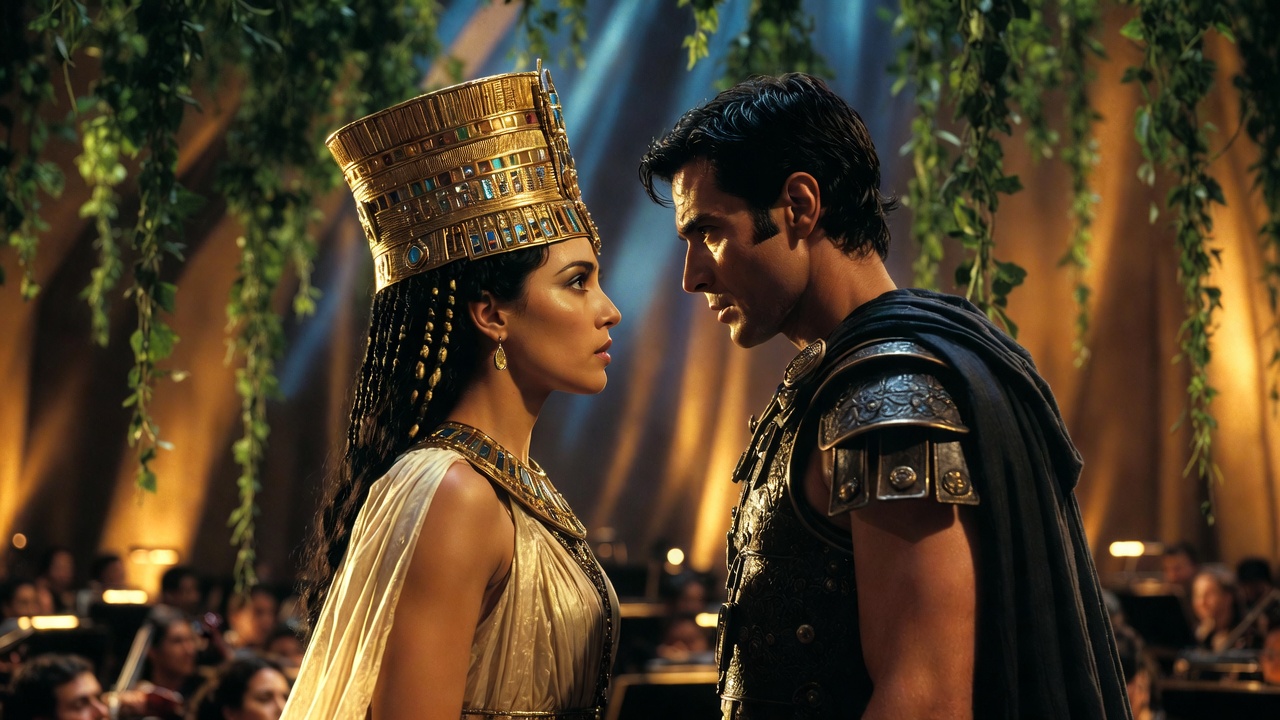
The world premiere at San Francisco Opera (September 2022) was a centennial triumph: directed by Elkhanah Pulitzer, conducted by Adams, starring Amina Edris (Cleopatra) and Gerald Finley (Antony). Reviews praised orchestral splendor, passionate performances, and visual glamour—though some noted textual density overwhelming the music.
European premiere in Barcelona (2023) highlighted “molten chemistry.”
The Metropolitan Opera premiere (May 2025) featured Adams conducting, Pulitzer directing, and a starry cast: Julia Bullock (Cleopatra), Gerald Finley (Antony), Paul Appleby (Caesar), Elizabeth DeShong (Octavia). Pulitzer’s staging transported the action to 1930s Golden Age Hollywood—glamorous sets evoking screen idols, paralleling celebrity culture and power spectacle.
Critical reception varied: praise for vocal brilliance and orchestral energy; critiques for pacing sags, shallow character depth (libretto limitations), and occasional Orientalist clichés. Yet the production’s ambition—bridging Shakespeare to modern audiences—earned acclaim as a landmark in American opera.
Core Themes Reexamined Through Adams’ Lens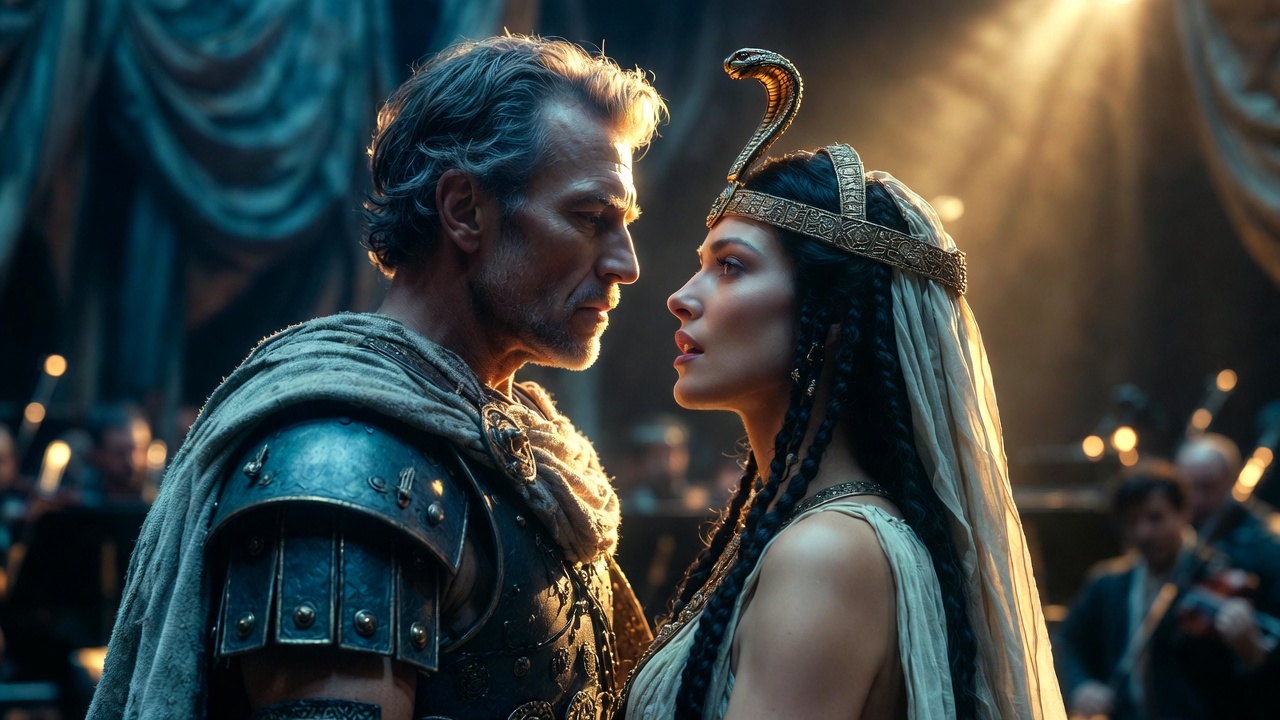
John Adams’ musical treatment doesn’t merely accompany Shakespeare’s text—it refracts and deepens its central conflicts, often making abstract ideas visceral through harmony, timbre, and pacing.
Love and Passion vs. Duty and Empire The opera’s most powerful moments occur when the lovers’ private world collides with public responsibility. Adams crafts extended, molten duets for Antony and Cleopatra that suspend time: swirling strings and overlapping vocal lines create a sense of ecstatic fusion, only to be shattered by Caesar’s militaristic interruptions—sharp brass and driving percussion. This contrast is more immediate than in spoken theater, where shifts rely on dialogue alone. The score makes Antony’s famous line “Let Rome in Tiber melt” feel like a physical surrender, the orchestra literally melting tonal centers into chromatic haze.
Power, Gender, and Orientalism Cleopatra emerges as the opera’s most complex figure. Adams gives her music that is neither purely seductive nor villainous: jagged, serpentine melodies in her early scenes give way to moments of luminous lyricism in her death monologue. Julia Bullock’s 2025 Met interpretation—fierce yet vulnerable—underscored Cleopatra’s political acumen, countering centuries of reductive “serpent of old Nile” stereotypes. The Hollywood framing in Pulitzer’s staging cleverly reframes Orientalist tropes as cinematic fantasy, inviting audiences to question how power and exoticism are performed and consumed.
Tragedy of Legacy The opera quietly emphasizes the eclipse of republican Rome. Caesar’s music grows colder and more mechanical as the work progresses, his victory scenes accompanied by austere, almost march-like textures. Adams has spoken of the piece as “anti-democratic” in undertone: the lovers’ fall paves the way for autocracy. This resonates powerfully in our own time, when personal charisma and institutional power frequently clash.
Modern Relevance By setting the Met production in a stylized 1930s Hollywood, Pulitzer and Adams draw explicit parallels to celebrity culture, media spectacle, and the commodification of private lives. Antony and Cleopatra become tragic movie stars trapped by their public images; Caesar resembles a calculating studio executive. These choices make the ancient tragedy speak directly to contemporary anxieties about privacy, fame, and the erosion of democratic norms.
Comparison Table – Shakespeare vs. Adams’ Opera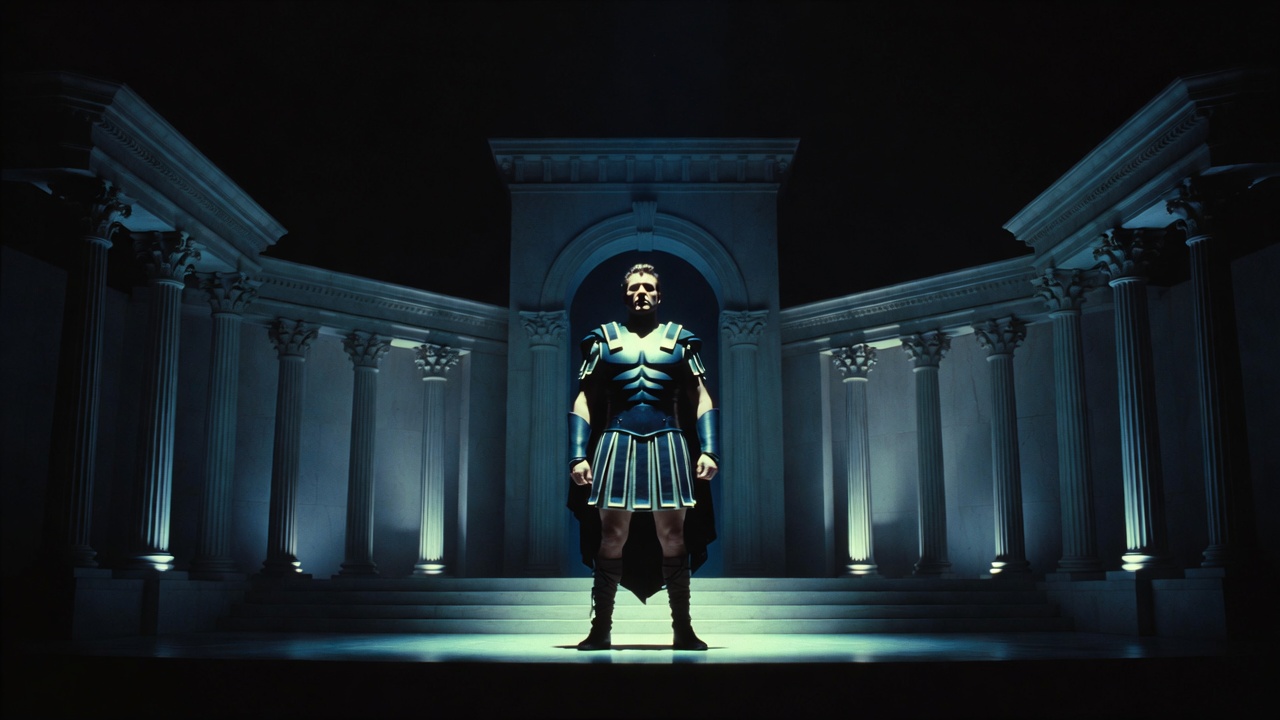
| Aspect | Shakespeare’s Play (c. 1607) | John Adams’ Opera (2022/2025) | Key Impact of Change |
|---|---|---|---|
| Length & Structure | 5 acts, ~3.5–4 hours spoken | 2 acts, ~2.5–3 hours sung | Tighter dramatic momentum; less episodic sprawl |
| Number of Characters | 42+ speaking roles | ~12 principal roles | Focus narrows to central trio; clearer emotional arcs |
| Enobarbus’ Role | Major secondary character; famous “barge” speech & death | Greatly reduced; death scene omitted | Loss of moral commentary; gains narrative speed |
| Cleopatra’s Final Scene | Extended, multi-layered suicide monologue | Elevated prominence; longest sustained vocal writing | Reinforces her agency and tragic grandeur |
| Cultural Framing | Elizabethan view of Egypt/Rome dichotomy | 1930s Hollywood aesthetic (Met staging) | Modern lens on Orientalism and spectacle |
| Ending Emphasis | Roman moral victory implied | Cleopatra’s apotheosis undercuts Caesar’s triumph | Shifts tragic weight toward personal passion |
This side-by-side reveals how Adams honors the play’s spirit while solving operatic problems of length and focus.
Why This Opera Matters for Shakespeare Fans and Opera Lovers Today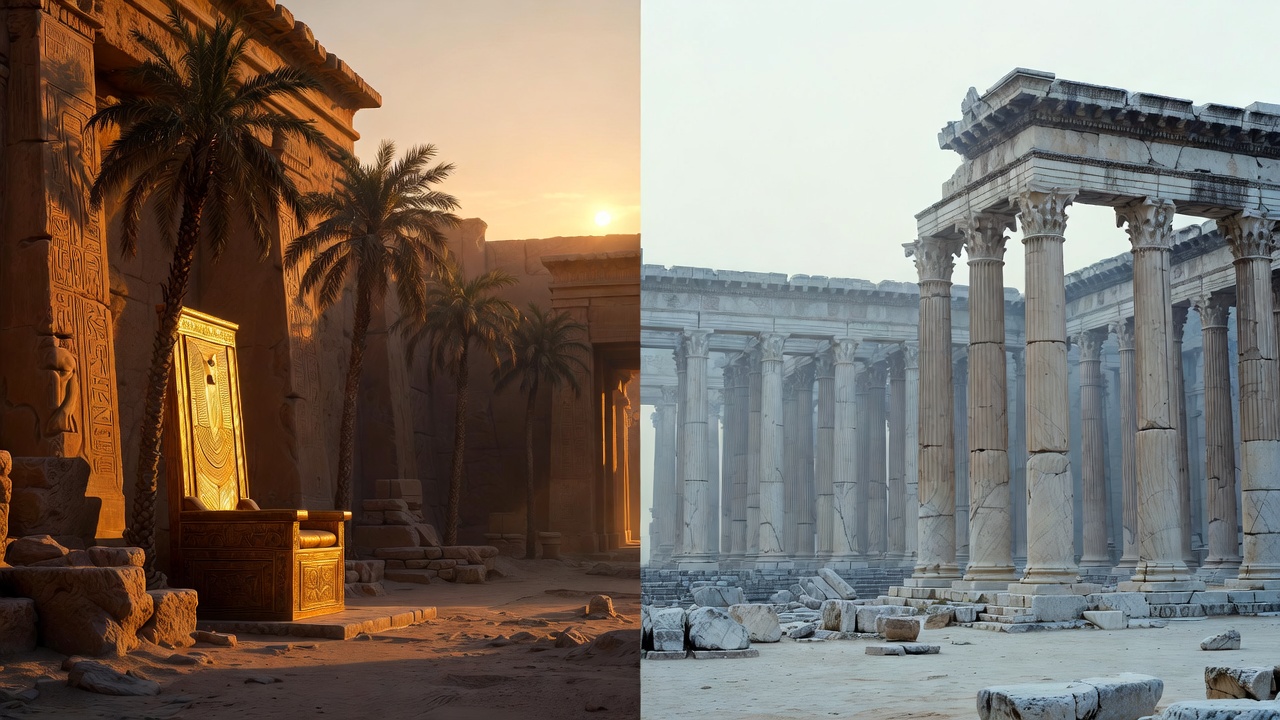
For Shakespeare devotees, Adams’ Antony and Cleopatra offers a gateway to the play’s emotional core without requiring four hours of dense verse. The music externalizes inner conflict in ways speech cannot—making Antony’s despair and Cleopatra’s defiance palpably felt.
For opera audiences, the work proves that contemporary American opera can be ambitious, textually serious, and emotionally direct. It stands alongside Adams’ earlier masterpieces while pushing toward greater lyricism and conventional drama.
Culturally, the piece arrives at a moment when interest in Shakespeare adaptations surges (think West Side Story, Hamlet ballets, and streaming series). By preserving Shakespeare’s language intact, Adams bridges high literature and accessible performance art, drawing new listeners to both traditions.
Expert Insights and Recommendations
John Adams himself has described Shakespeare’s verse as “almost already operatic: the repetitions, the sonic patterns, the sheer rhetorical energy.” In interviews around the 2025 Met premiere, he emphasized the challenge of setting such dense poetry without smothering it—opting instead to let the words lead the musical shape.
Conductor and scholar recommendations:
- Start with key Shakespeare scenes: Act I Scene 1 (the “infinite variety” exchange), Act II Scene 2 (the barge speech, even if cut in the opera), and Act V Scene 2 (Cleopatra’s death).
- Listen for Bullock’s Cleopatra entrance aria (“If it be love indeed”)—a masterclass in vocal characterization.
- Watch the Met’s “Live in HD” archive (if available) or seek out the San Francisco Opera’s 2022 production clips for comparison.
If you’re new to the opera, read a synopsis first, then experience it live or streamed. The rewards—emotional immediacy, orchestral splendor, and renewed appreciation for Shakespeare—are substantial.
John Adams’ Antony and Cleopatra is far more than a musical illustration of a classic text. It is a bold reimagining that uses the composer’s mature style—rhythmic vitality, harmonic richness, and psychological acuity—to illuminate Shakespeare’s tragedy in fresh, urgent ways. By preserving the Elizabethan language while streamlining structure and amplifying emotion through music, Adams creates an experience that feels both faithful and fiercely contemporary.
In an age when empires rise and fall on screens, when personal passion collides with public expectation, and when cultural identities remain contested terrain, this opera reminds us why these ancient stories persist. They force us to confront the same contradictions we live with today: the intoxicating pull of desire against the cold demands of power; the seductive myth of the self-made ruler; the fragile line between private ecstasy and historical catastrophe.
For anyone who loves Shakespeare, who cherishes opera’s capacity to make words sing, or who seeks art that speaks to both heart and mind, Adams’ Antony and Cleopatra is essential listening—and viewing. Seek out a production, revisit the play, and let the music deepen your understanding of one of literature’s greatest tragedies.
Whether through the San Francisco premiere’s golden glamour, the Met’s Hollywood mirror, or future stagings yet to come, this work proves that Shakespeare’s voice can still resonate powerfully in our own time—amplified, intensified, and made newly unforgettable by one of America’s greatest living composers.
FAQs
What is the runtime of John Adams’ Antony and Cleopatra? Approximately 2 hours and 45 minutes to 3 hours, including intermission (shorter than most full-length grand operas).
How does the opera differ from Shakespeare’s play in length and focus? The opera compresses five acts into two, reduces the cast dramatically, and trims subplots to emphasize the central love triangle and Cleopatra’s final transcendence.
Who are the key performers in the Met production? Julia Bullock (Cleopatra), Gerald Finley (Antony), Paul Appleby (Caesar/Octavius), Elizabeth DeShong (Octavia), conducted by the composer himself.
Is the opera suitable for Shakespeare beginners? Yes—with preparation. Reading a plot summary and key scenes beforehand helps. The music carries much of the emotional weight, making the dense text more accessible.
Where can I watch or listen to John Adams’ Antony and Cleopatra? Check the Metropolitan Opera’s on-demand service, San Francisco Opera archives, or major streaming platforms for future releases. Audio excerpts and highlights are available on Nonesuch Records and YouTube.