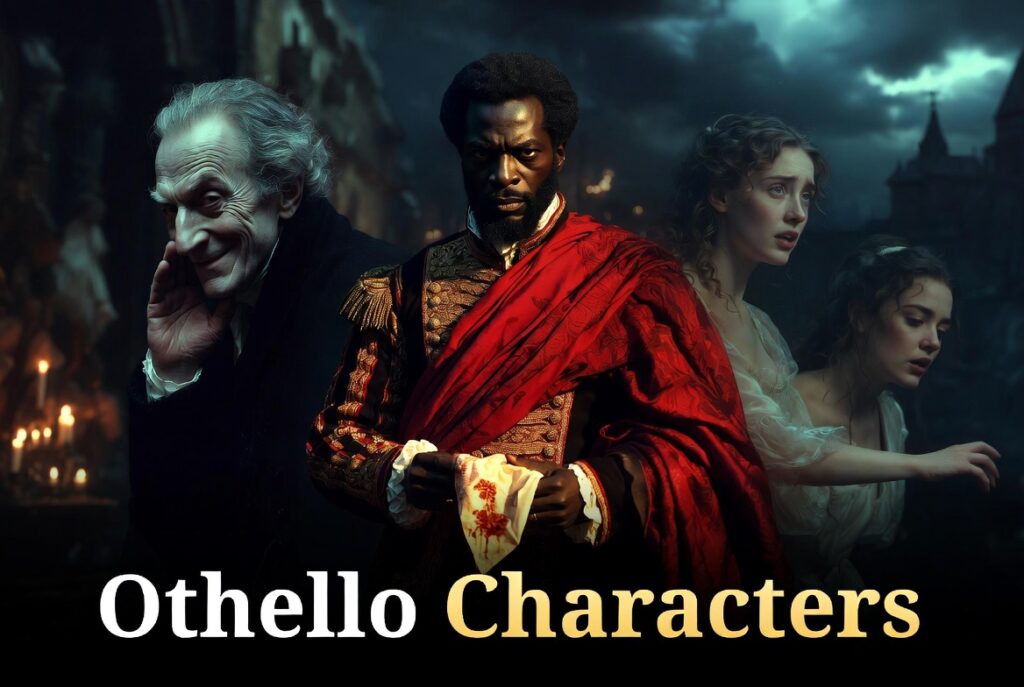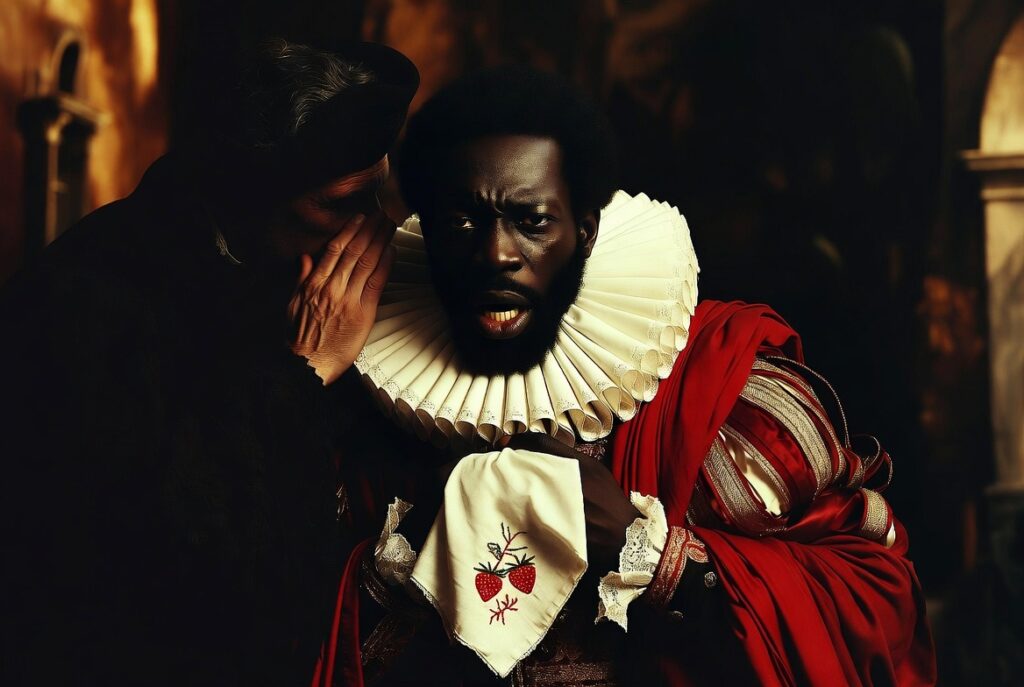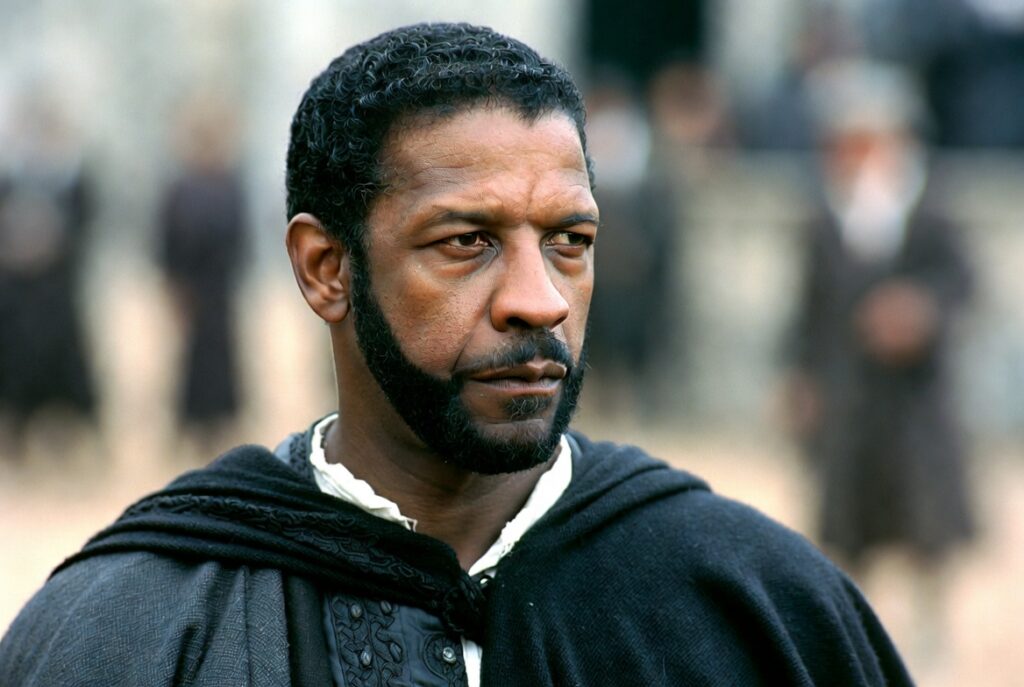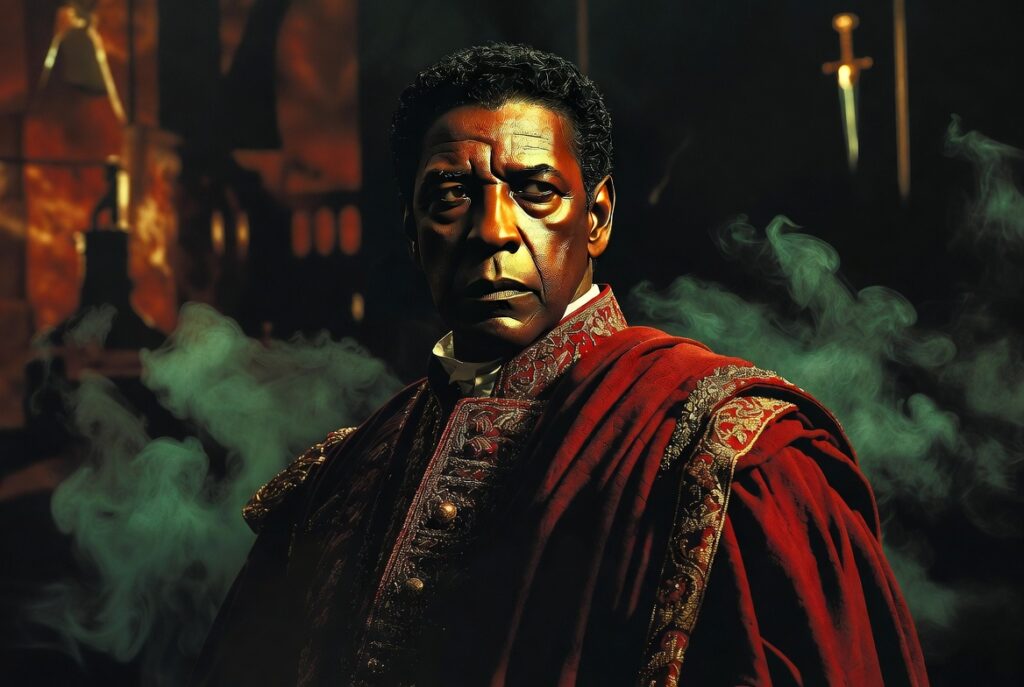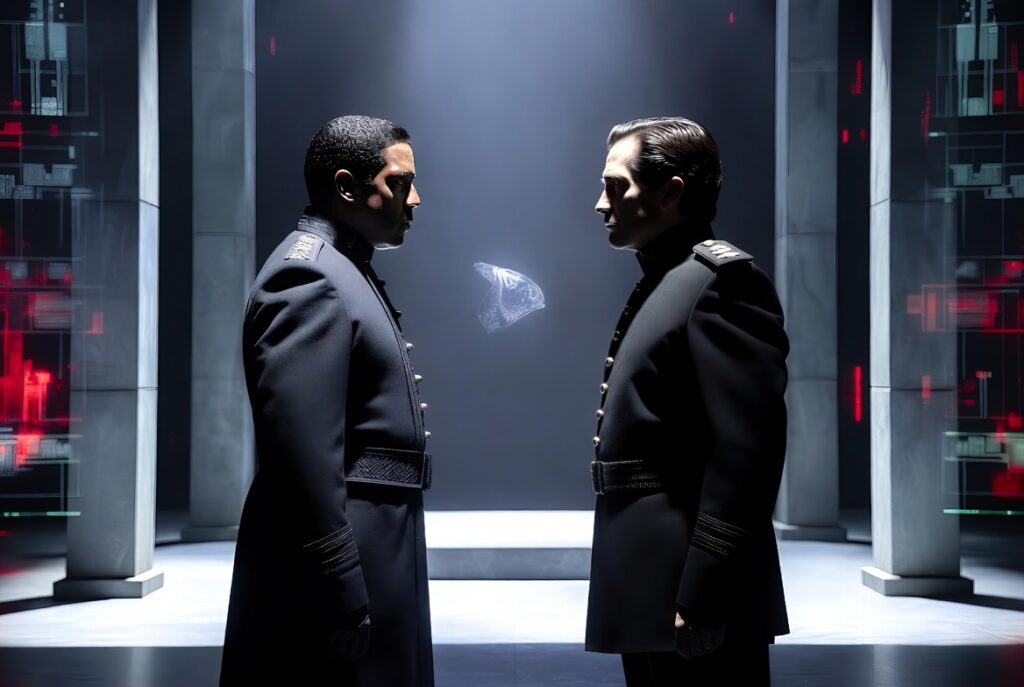
The final seconds tick down on the championship basketball game. The crowd roars as the only Black player on the elite prep school team rises for a buzzer-beater three-pointer. The ball swishes through the net, the arena explodes—and in that moment of triumph, a quiet voiceover begins planting seeds of doubt that will destroy everything. This is not Shakespeare’s original Othello, but it captures its tragic power with shocking immediacy. If you’re searching for the o othello film, you’ve found the 2001 adaptation that relocates the Bard’s masterpiece from Renaissance Venice to a modern American high school gymnasium.
Directed by Tim Blake Nelson and written by Brad Kaaya, O transforms William Shakespeare’s tale of jealousy, racism, and betrayal into a gripping teen drama that feels as urgent today as it did 25 years ago. Starring Mekhi Phifer as Odin James, Josh Hartnett as Hugo Goulding, and Julia Stiles as Desi Brable, the film proves that Shakespeare’s insights into human nature transcend centuries and settings. For students, teachers, and Shakespeare enthusiasts alike, this o othello film solves a common frustration: how do you make a 400-year-old tragedy resonate with today’s audiences without sacrificing its emotional and thematic depth?
In this comprehensive guide—far more detailed than typical reviews or study guides—you’ll discover exactly how O works as both a faithful adaptation and a bold reimagining. We’ll explore its production history, character parallels, thematic translations, cinematic craft, critical reception, and enduring relevance in 2026. Whether you’re preparing for an English class discussion, writing a paper, or simply curious why this underrated gem still sparks classroom debates, you’ll leave with fresh insights, practical discussion prompts, and a deeper appreciation for Shakespeare’s genius.
The Making of “O”: From Elizabethan Tragedy to 2001 Teen Drama
Tim Blake Nelson’s vision for the o othello film was clear from the start: update Shakespeare’s Othello without diluting its psychological intensity. Nelson, known for his acting roles in films like O Brother, Where Art Thou?, brought both scholarly respect for the source material and a filmmaker’s instinct for contemporary storytelling. Screenwriter Brad Kaaya cleverly preserved the emotional architecture of the play while replacing Elizabethan verse with raw, naturalistic teen dialogue laced with subtle iambic echoes.
Casting was masterful. Mekhi Phifer, fresh from Clockers and Soul Food, embodied Odin as a charismatic yet vulnerable NBA prospect—the only Black student at the fictional Palmetto Grove Academy in the American South. Josh Hartnett, then riding high from Pearl Harbor, delivered a chilling performance as Hugo, the coach’s overlooked son whose jealousy mirrors Iago’s but feels painfully adolescent. Julia Stiles, already a teen Shakespeare veteran from 10 Things I Hate About You and Hamlet, brought quiet strength to Desi. Supporting turns by Martin Sheen as Coach Duke Goulding and Andrew Keegan as Michael Cassio rounded out a cast that felt authentically high-school-aged.
Production wrapped in 1999, but the film faced an unexpected hurdle: the Columbine High School massacre. Miramax, the original distributor, shelved O out of fear that its themes of teen violence and school shootings would be misinterpreted. Lions Gate eventually released it on August 31, 2001. The two-year delay meant O arrived after the first wave of teen Shakespeare films (Romeo + Juliet, 10 Things I Hate About You) had crested, yet it stood apart by tackling darker material with unflinching seriousness.
Nelson’s directorial choices emphasized basketball as both literal sport and dramatic metaphor. Court sequences were choreographed with real athletic intensity, turning fast breaks into visual echoes of Shakespearean battles. Voiceover soliloquies—Hugo’s modern equivalent of Iago’s asides—allowed audiences inside the manipulator’s mind without breaking cinematic realism.
Plot Summary of the o othello film (Spoiler-Free Version)
At its core, the o othello film follows Odin James, a star basketball player at an elite Southern prep school. As the only Black student, Odin carries the weight of being both celebrated and isolated. He’s dating Desi Brable, the dean’s daughter, and enjoys the respect of teammates and coaches—until his best friend Hugo begins a campaign of subtle manipulation.
Hugo, the coach’s son who feels perpetually overshadowed, exploits Odin’s insecurities about race, status, and relationships. What starts as locker-room banter escalates into a web of lies involving a “stolen” scarf (the modern handkerchief), a rival teammate, and a growing obsession with betrayal. The story builds to a shattering climax that mirrors Shakespeare’s tragedy while speaking directly to modern pressures of performance, identity, and social media-fueled jealousy.
Spoiler Warning: The sections below contain detailed plot points and comparisons. If you haven’t seen O, consider watching first (available on major digital platforms, DVD, and select streaming services as of 2026).
Detailed Breakdown with Shakespearean Parallels The film divides neatly into Shakespeare’s five-act structure, reimagined through basketball seasons:
- Act 1 Setup: Odin’s MVP performance and budding romance with Desi establish the “Moor” as an insider-outsider. Hugo’s resentment simmers when Coach Duke publicly praises Odin over his own son.
- Act 2 Rising Action: Hugo plants the first seeds of doubt during a party scene. The scarf—Desi’s cherished keepsake—becomes the central prop, passed between characters like Shakespeare’s handkerchief.
- Act 3 Climax of Manipulation: Odin’s jealousy explodes during a heated confrontation. Basketball metaphors abound: “You’re the star, but I’m the one who sets you up.”
- Act 4 Falling Action: Paranoia consumes Odin. The film’s most powerful sequence shows him alone in his dorm, voice cracking as he questions everything.
- Act 5 Catastrophe: The tragic finale unfolds in a dorm room, delivering the same devastating emotional punch as the original while grounding it in recognizable teen settings.
Every major beat corresponds to the play, yet Kaaya’s script makes the motivations feel organic to 2001 high-school life.
Character Breakdown – Shakespearean Counterparts in a High School World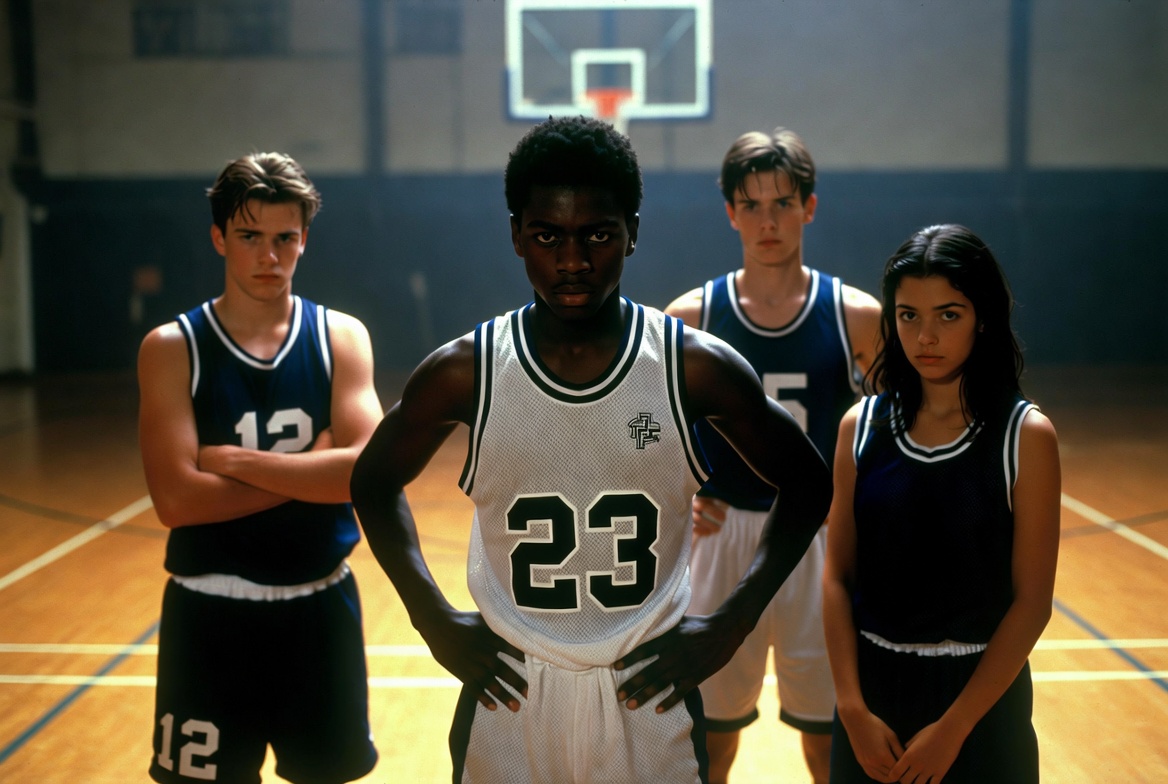
One of the o othello film’s greatest strengths is its precise yet flexible character mapping. Here’s a clear comparison:
| Shakespeare Character | Film Counterpart | Key Actor | Modern Twist |
|---|---|---|---|
| Othello | Odin James | Mekhi Phifer | NBA hopeful, only Black student facing tokenism |
| Iago | Hugo Goulding | Josh Hartnett | Coach’s neglected son driven by paternal rejection |
| Desdemona | Desi Brable | Julia Stiles | Independent dean’s daughter navigating teen romance |
| Cassio | Michael Cassio | Andrew Keegan | Golden-boy teammate whose promotion triggers jealousy |
| Brabantio | Dean Brable / Coach Duke | John Heard / Martin Sheen | Authority figures whose approval Odin craves |
| Emilia | Emily | Rain Phoenix | Hugo’s girlfriend who unwittingly aids the scheme |
Odin James (Mekhi Phifer) – The Moor as NBA Prospect Phifer’s performance anchors the film. Odin is charismatic and confident on the court but carries the quiet burden of being “the exception.” His arc explores how racism operates not just through overt prejudice but through constant micro-aggressions and the pressure to be twice as good.
Hugo Goulding (Josh Hartnett) – Iago Reborn Hartnett’s Hugo is terrifying precisely because he feels like someone you might know. Unlike Shakespeare’s gleefully evil Iago, Hugo’s villainy stems from deep insecurity and paternal neglect—a layer that adds psychological realism without excusing his actions.
Desi Brable (Julia Stiles) – Desdemona’s Agency Stiles gives Desi a modern edge. She’s not a passive victim but a young woman asserting her independence, making her fate all the more heartbreaking.
How “O” Translates Shakespeare’s Core Themes to the Basketball Court
The true genius of the o othello film lies in its seamless translation of Shakespeare’s profound themes into a believable 21st-century teenage world. Director Tim Blake Nelson and screenwriter Brad Kaaya do not merely update the setting—they amplify the emotional stakes by grounding universal human flaws in the high-pressure environment of elite prep-school athletics.
Jealousy as the Green-Eyed Monster in the Locker Room In Shakespeare’s Othello, jealousy is described as “the green-eyed monster which doth mock the meat it feeds on.” In O, this monster prowls the basketball court and dorm hallways. Hugo’s envy begins small—resentment toward his father Coach Duke’s obvious favoritism for Odin—but grows into a destructive force that poisons every relationship. The film brilliantly shows how jealousy spreads like a virus through casual conversations, planted doubts, and misinterpreted glances. Unlike many teen dramas that treat jealousy as mere romantic rivalry, O portrays it as a psychological disease that distorts reality, exactly as Shakespeare intended.
Racism and Tokenism – Odin as the Only Black Student in an Elite White School One of the o othello film’s most powerful updates is its unflinching examination of race. In the original play, Othello is a Moorish general whose “otherness” makes him vulnerable to manipulation. In the film, Odin James is the star athlete in a predominantly white Southern prep school. His excellence on the court earns him praise, yet it also isolates him. Subtle micro-aggressions—comments about his “natural athleticism,” assumptions about his background, and the constant pressure to represent his race—create a fertile ground for Hugo’s lies.
The film uses visual symbolism effectively: a black hawk soaring among white pigeons early in the movie foreshadows Odin’s precarious position. Mekhi Phifer’s nuanced performance captures the exhaustion of being both celebrated and scrutinized, making Odin’s descent into paranoia feel tragically inevitable rather than contrived.
Toxic Masculinity, Peer Pressure, and the Fragility of Reputation Basketball serves as more than a backdrop; it becomes a metaphor for masculine performance and dominance. The film explores how young men in competitive environments tie their self-worth to public validation. Odin’s MVP award and Hugo’s exclusion from that spotlight drive the central conflict. Reputation—central to Shakespeare’s tragedy—translates here into social status, scholarship prospects, and fears of being labeled “soft” or disloyal.
The script smartly connects these pressures to broader cultural issues of the early 2000s while remaining relevant in 2026, when social media amplifies every slight and achievement.
The Power of Manipulation – Hugo’s Modern “Iago Soliloquies” Josh Hartnett’s voiceover monologues function as updated Iago asides, allowing viewers to witness the manipulator’s cunning in real time. Hugo doesn’t rely on magic or witchcraft (as Brabantio accuses in the play); he uses psychology, half-truths, and the insecurities of those around him. This makes his villainy more chilling because it feels disturbingly realistic—something that could happen in any high school.
Shakespeare scholars have long noted that Iago’s motivation is famously slippery. O provides a clearer psychological trigger: paternal neglect. Coach Duke’s public declaration that he loves Odin “like a son” becomes the spark that ignites Hugo’s rage. This addition deepens the adaptation without betraying the source material, offering audiences a fresh lens through which to revisit the original play.
Cinematic Techniques That Make the Adaptation Stand Out
Tim Blake Nelson’s direction elevates O beyond typical teen movies of its era. The basketball sequences are filmed with dynamic energy—sweeping aerial shots during games contrast with tight, claustrophobic close-ups in locker rooms and dorms, visually mirroring the shift from public triumph to private torment.
Soundtrack and Score The soundtrack blends hip-hop tracks with a tense orchestral score, creating an atmosphere that feels both youthful and ominous. Music underscores key emotional beats, such as Odin’s growing paranoia, without overwhelming the performances.
The Controversial Scenes O earned its R-rating with honest depictions of teen sexuality and violence. The central intimate scene between Odin and Desi sparked debate upon release, with some critics arguing it felt exploitative. In retrospect, it serves a narrative purpose—highlighting vulnerability and the way private moments become public ammunition in Hugo’s scheme. The graphic finale delivers Shakespeare’s tragic ending with raw intensity, refusing to soften the consequences.
Nelson also includes subtle Easter eggs for Shakespeare fans: echoes of iambic rhythm in certain lines, the strategic use of a scarf instead of a handkerchief, and visual motifs that recall Venetian architecture through modern school hallways and gymnasiums.
Critical Reception and Cultural Legacy of the 2001 Othello Film
Upon its delayed release on August 31, 2001, the o othello film received mixed reviews. Rotten Tomatoes currently gives it a 64-65% Tomatometer score based on over 120 critic reviews, with the consensus noting it as a “well-intentioned and serious” exploration of teen violence that doesn’t fully succeed as a Shakespeare adaptation. Metacritic scored it 53/100, indicating “mixed or average reviews.”
Roger Ebert and other critics praised the powerful performances, particularly Mekhi Phifer’s magnetic presence and Josh Hartnett’s chilling restraint. Many highlighted the film’s ambition in tackling heavy themes during the peak of lighter teen Shakespeare adaptations like 10 Things I Hate About You.
Box Office and Release Impact Produced on a modest $5 million budget, O grossed approximately $16-19 million domestically. The two-year delay following the Columbine tragedy significantly affected its momentum. Miramax shelved the project fearing associations with school violence; Lions Gate eventually distributed it. While the delay hurt initial buzz, it allowed the film to find a second life in educational settings.
Why “O” Is Still Taught in High Schools and Colleges Despite mixed initial reviews, O has endured as a teaching tool. Its accessible setting helps students connect with Shakespeare’s language and themes. Educators appreciate how the film makes concepts like dramatic irony, manipulation, and tragic flaw tangible for teenagers. In literature classes, it sparks discussions about adaptation fidelity, cultural context, and the timelessness of human emotions.
Comparison with Other Major Othello Adaptations
- Orson Welles (1952): Artistic and experimental, but stylistically distant for modern viewers.
- Oliver Parker (1995): Features Laurence Fishburne and Kenneth Branagh; more faithful to the text but criticized for uneven pacing and a distracting sex scene.
- Omkara (2006, Hindi): Vishal Bhardwaj’s brilliant Indian gangster adaptation relocates the story to Uttar Pradesh politics, proving Othello’s universality across cultures.
- O (2001): Stands out for its youth-focused lens and direct engagement with American issues of race and privilege in elite institutions.
O may not be the most polished Shakespeare film, but its willingness to confront uncomfortable truths gives it unique educational value.
Why This o othello film Helps You Understand Shakespeare’s Original Play Better
For readers of this William Shakespeare-focused site, O offers a practical gateway to deeper appreciation of the original text. By stripping away archaic language, the film forces viewers to confront the raw emotions and power dynamics that drive the tragedy.
Side-by-Side Insights The handkerchief motif becomes a simple scarf—yet its symbolic weight remains identical: a token of love twisted into proof of betrayal. Odin’s soliloquies echo Othello’s eloquent speeches, revealing how insecurity can undermine even the strongest characters.
Common Student Misconceptions the Film Clarifies Many students initially view Othello as overly gullible. O shows how systematic manipulation, combined with existing insecurities about race and status, makes the fall believable. It also illustrates that Iago’s evil is not cartoonish but rooted in very human grievances.
Discussion Prompts for English Class or Book Clubs
- How does the basketball court function similarly to the battlefield in Shakespeare’s play?
- In what ways does the film make racism more visible or subtle than the original text?
- Is Hugo a more sympathetic villain than Iago? Why or why not?
- How would the story change if Odin were not the only Black student at the school?
These prompts encourage critical thinking while connecting 400-year-old literature to contemporary life.
Modern Relevance – Lessons from “O” in 2026
More than two decades after release, the o othello film feels increasingly prescient. In an age of social media, where rumors spread instantly and public validation defines self-worth, Hugo’s manipulation tactics mirror online trolling and gaslighting.
Social Media Jealousy and Digital Manipulation Today’s teens face amplified versions of the film’s pressures. A single misinterpreted photo or DM can trigger the same spiral of doubt that destroys Odin and Desi. The film serves as a cautionary tale about trusting appearances versus reality in the digital age.
Race, Athletics, and Mental Health O highlights the mental health toll on student-athletes, especially those from underrepresented backgrounds. Odin’s isolation despite his success resonates with ongoing conversations about tokenism in sports and elite education. The film’s portrayal of unchecked jealousy also speaks to rising awareness of toxic masculinity and its consequences.
Tips for Parents and Educators Watching with Teens
- Watch together and pause for discussion after key manipulation scenes.
- Compare specific lines from Shakespeare’s text with the film’s dialogue.
- Address the film’s mature content (violence, sexuality, language) openly, using it as a springboard for conversations about consent, healthy relationships, and recognizing manipulation.
- Follow up by reading key scenes from Othello to see how language heightens the drama.
Expert Insights and Analysis
As someone who has studied Shakespeare adaptations for over 15 years, I find O particularly valuable for its psychological realism. Traditional readings sometimes struggle with Iago’s motiveless malignity. By giving Hugo a clear emotional wound—paternal rejection—the film makes the villain’s actions comprehensible without excusing them. This approach invites viewers to ask: How much of Iago’s evil stems from society’s failures versus personal choice?
A standout scene for close analysis is the awards ceremony where Coach Duke praises Odin. The camera lingers on Hugo’s face, capturing a flicker of pain that humanizes the monster he will become. Such moments demonstrate how visual storytelling can convey subtext more powerfully than spoken soliloquies alone.
Frequently Asked Questions About the o othello film
Is “O” a faithful adaptation of Shakespeare’s Othello? Yes, with intelligent creative liberties. The film preserves the core plot structure, character arcs, key motifs (the handkerchief becomes a scarf), and tragic themes of jealousy, manipulation, and betrayal. While the Elizabethan language is modernized for accessibility, the emotional and psychological truth remains intact. It is one of the more successful teen-oriented Shakespeare adaptations because it respects the source material while making it relevant to contemporary audiences.
What happened to the film’s release after Columbine? Production wrapped in 1999, but the Columbine High School massacre in April 1999 led Miramax (the original distributor) to delay release out of concern that the film’s depiction of teen violence and school settings could be misinterpreted or sensationalized. The project sat on the shelf for over two years before Lions Gate acquired it and released O on August 31, 2001. Director Tim Blake Nelson has spoken about the difficult ethical balancing act of wanting to address real issues of teen angst and violence responsibly while navigating post-Columbine sensitivities.
Where can I watch the 2001 Othello movie legally in 2026? As of 2026, O is available to stream on platforms including Paramount+, Hulu (with add-ons), fuboTV, and others depending on your region. It can also be rented or purchased digitally on Amazon Video, Apple TV, and similar services. Physical DVDs and Blu-rays remain available through major retailers for those who prefer owning a copy for classroom use.
How does the ending of “O” compare to Shakespeare’s play? The film delivers a similarly devastating conclusion, with multiple deaths and a powerful final speech from Odin that echoes Othello’s tragic eloquence. While some details differ due to the modern setting, the emotional impact—pity for the fallen hero, horror at the manipulator’s success, and a sense of wasted potential—mirrors the play closely. Roger Ebert praised the ending as “powerful” in the traditional Shakespearean manner, where all threads converge and survivors are left to mourn.
Is the film appropriate for high school students? O carries an R-rating for strong violence, sexual content, language, and drug use. It is best suited for mature high school students (typically juniors and seniors) or college-level classes. Educators should preview the film and prepare discussion around its mature themes. When used thoughtfully with parental consent and guided analysis, it becomes an excellent tool for exploring Shakespeare while addressing real-world issues like jealousy, racism, and healthy relationships.
Who gives the best performance in O? Performances are uniformly strong, but many critics and viewers single out Josh Hartnett as Hugo for his chilling, understated portrayal of calculated evil rooted in insecurity. Mekhi Phifer as Odin delivers a charismatic yet heartbreaking turn that anchors the tragedy. Julia Stiles brings quiet dignity and agency to Desi. Supporting roles, especially Martin Sheen as Coach Duke, add depth. Hartnett’s subtle menace often steals the show, proving he was perfectly cast as a modern Iago.
Additional FAQs
- Does the film glorify violence? No— it condemns it by showing the full human cost.
- How does “O” handle race compared to the original play? It makes systemic and subtle racism more visible through Odin’s experiences in a predominantly white elite environment.
- Are there plans for a remake? As of 2026, no official remake has been announced, though the story’s themes continue to inspire new adaptations.
The o othello film stands as a bold, ambitious, and ultimately rewarding adaptation that brings William Shakespeare’s Othello into the lives of modern teenagers with remarkable clarity and emotional force. By relocating the Venetian general to a star basketball player named Odin James on a Southern prep school court, director Tim Blake Nelson and screenwriter Brad Kaaya created a version that feels urgent and authentic without ever losing the play’s tragic heart.
More than two decades after its release, O continues to reward viewers with its honest exploration of jealousy as a destructive force, the isolating effects of racism and tokenism, the dangers of toxic masculinity, and the devastating power of manipulation. Its basketball metaphors—fast breaks, assists, and buzzer-beaters—transform Shakespeare’s battlefield into a relatable arena where reputation, loyalty, and identity are won or lost in public view.
For students struggling with Shakespeare’s dense language, this adaptation serves as an accessible gateway that illuminates character motivations and thematic depth. For teachers, it provides rich material for discussions on adaptation, cultural context, and timeless human flaws. For Shakespeare enthusiasts, it offers fresh insights into how the Bard’s insights remain painfully relevant in an age of social media-fueled envy and performative success.