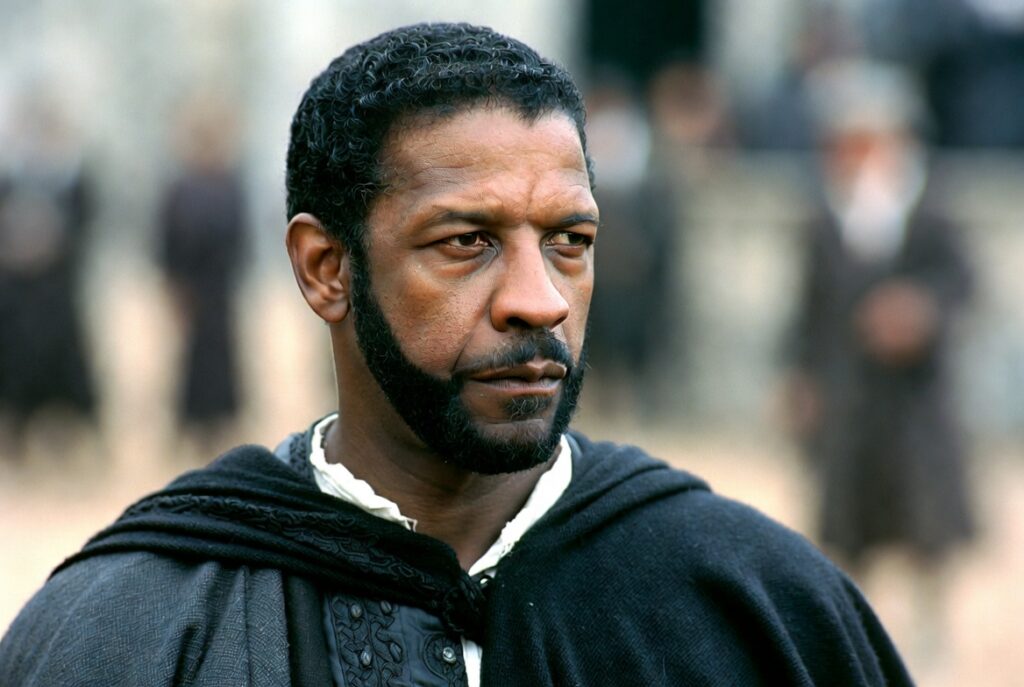
What makes a Shakespeare adaptation truly unforgettable—the script, the direction, or the actors who bring centuries-old characters to life? In the case of the othello 1995 cast, the answer is clear: it’s the performances that elevate this film into something timeless.
Released in 1995 and directed by Oliver Parker, this cinematic adaptation of William Shakespeare’s Othello stands out for its bold casting, emotional intensity, and commitment to the original text. Whether you’re a student preparing for exams, a literature enthusiast analyzing character motivations, or a film lover exploring Shakespeare on screen, understanding the cast is essential to fully appreciating the film.
This in-depth guide will walk you through the complete Othello 1995 cast, provide detailed character breakdowns, and explain why each performance remains significant today. By the end, you’ll not only know who played whom—but also why it matters.
Quick Overview of Othello (1995)
Film Background and Production
The 1995 Othello film is a direct adaptation of Shakespeare’s tragic play, preserving much of the original dialogue while presenting it through a cinematic lens. Directed by Oliver Parker, the film was designed to stay faithful to the source material while making it accessible to modern audiences.
Set in Venice and Cyprus, the story explores jealousy, manipulation, race, and betrayal—core themes that remain deeply relevant. Unlike heavily modernized adaptations, this version leans into authenticity, using period costumes and classical delivery.
Why This Adaptation Stands Out
Several factors distinguish this film from other Shakespeare adaptations:
- It features Laurence Fishburne as Othello, marking the first time a Black actor played the role in a major Hollywood production.
- It pairs him with Kenneth Branagh, one of the most respected Shakespearean actors of his generation.
- The film strikes a balance between theatrical authenticity and cinematic realism.
For many viewers, the strength of the Othello 1995 cast is the primary reason this adaptation remains widely studied and discussed.
Othello 1995 Cast: Full Actor List
Understanding the full cast helps you appreciate how each role contributes to the story’s emotional and dramatic weight.
Main Cast
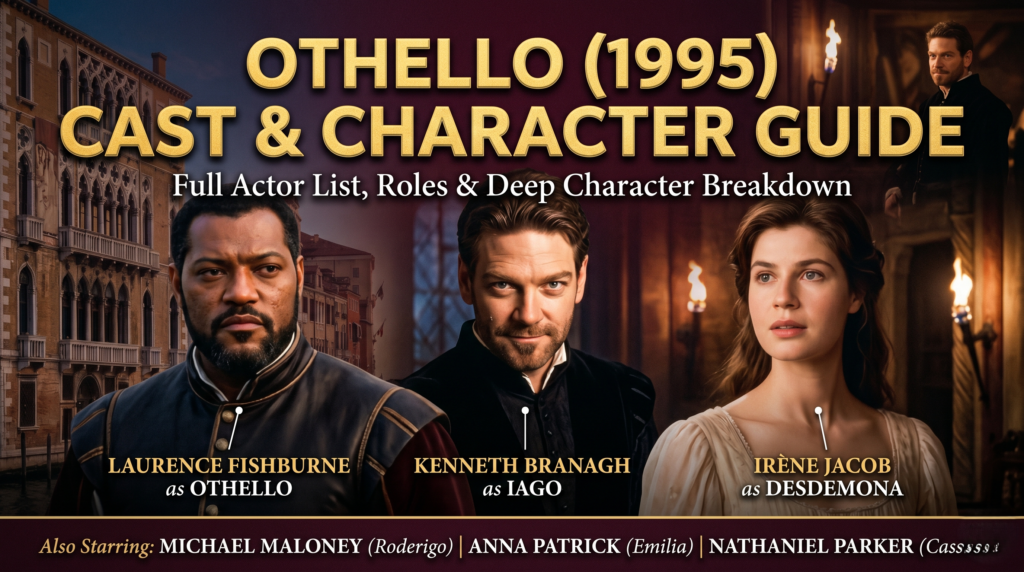
- Laurence Fishburne as Othello
- Kenneth Branagh as Iago
- Irène Jacob as Desdemona
- Nathaniel Parker as Cassio
- Michael Maloney as Roderigo
Supporting Cast
- Anna Patrick as Emilia
- Nicholas Farrell as Montano
- Imogen Stubbs as Bianca
Extended Cast and Ensemble Roles
Like most Shakespearean works, Othello relies on a strong ensemble to build its world. While the main characters drive the plot, minor roles—soldiers, attendants, and messengers—help establish political tension and social hierarchy.
Character-by-Character Breakdown (With Actor Insights)
To truly understand the Othello 1995 cast, it’s not enough to list names—you need to explore how each actor interprets their role.
Othello – Played by Laurence Fishburne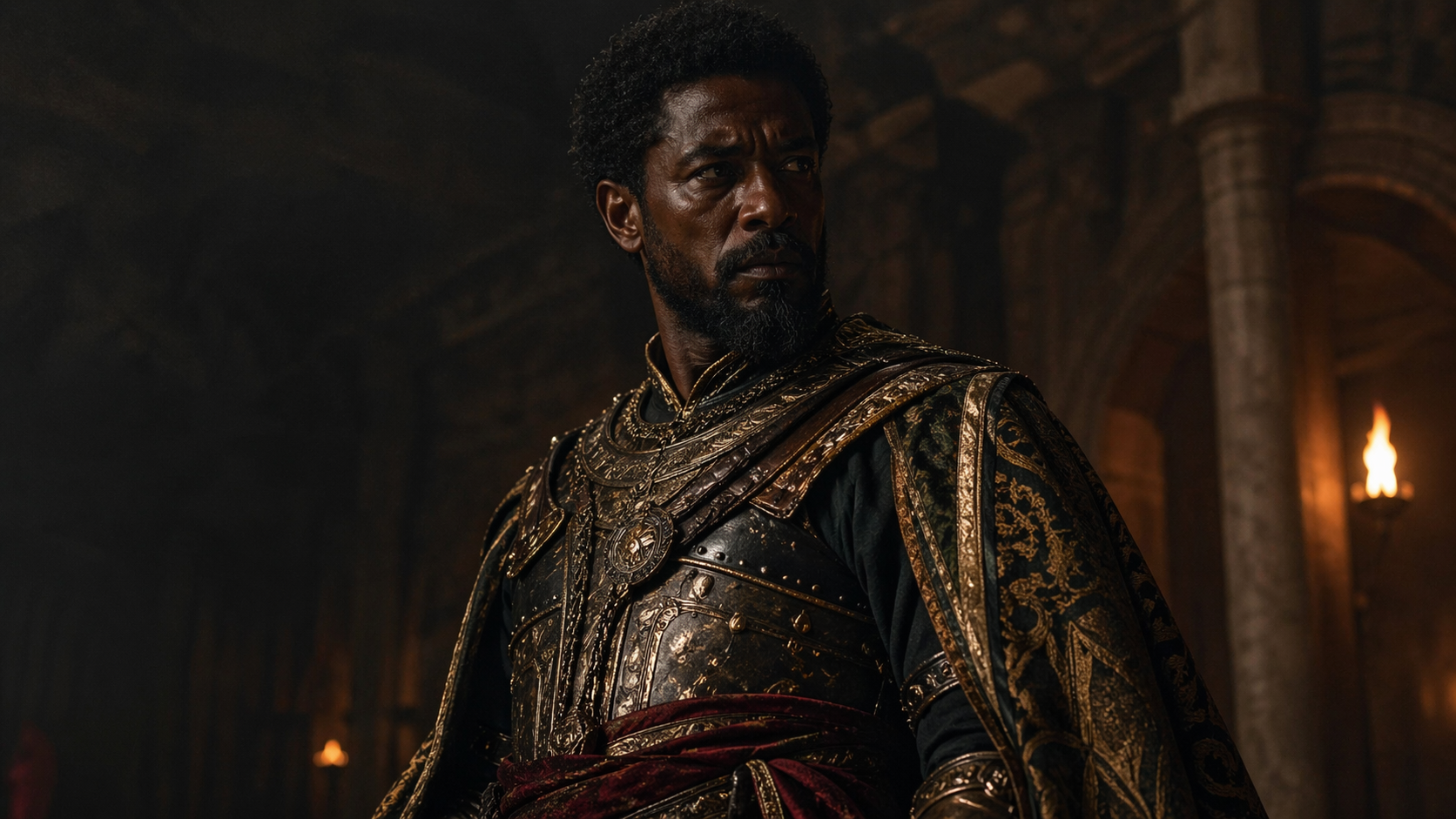
Othello, the Moorish general of Venice, is one of Shakespeare’s most complex tragic heroes. He is powerful, respected, and deeply in love—but ultimately undone by jealousy and manipulation.
Laurence Fishburne delivers a commanding performance that captures both Othello’s strength and vulnerability. His portrayal emphasizes:
- Authority and dignity in the early scenes
- Emotional unraveling as Iago’s manipulation takes hold
- Tragic intensity in the final act
Fishburne’s casting was historically significant. For years, Othello had often been portrayed by white actors in blackface—a problematic tradition. Casting a Black actor in the role added authenticity and reshaped audience perception.
His performance is widely studied in academic contexts because it highlights the racial and psychological dimensions of the character.
Iago – Played by Kenneth Branagh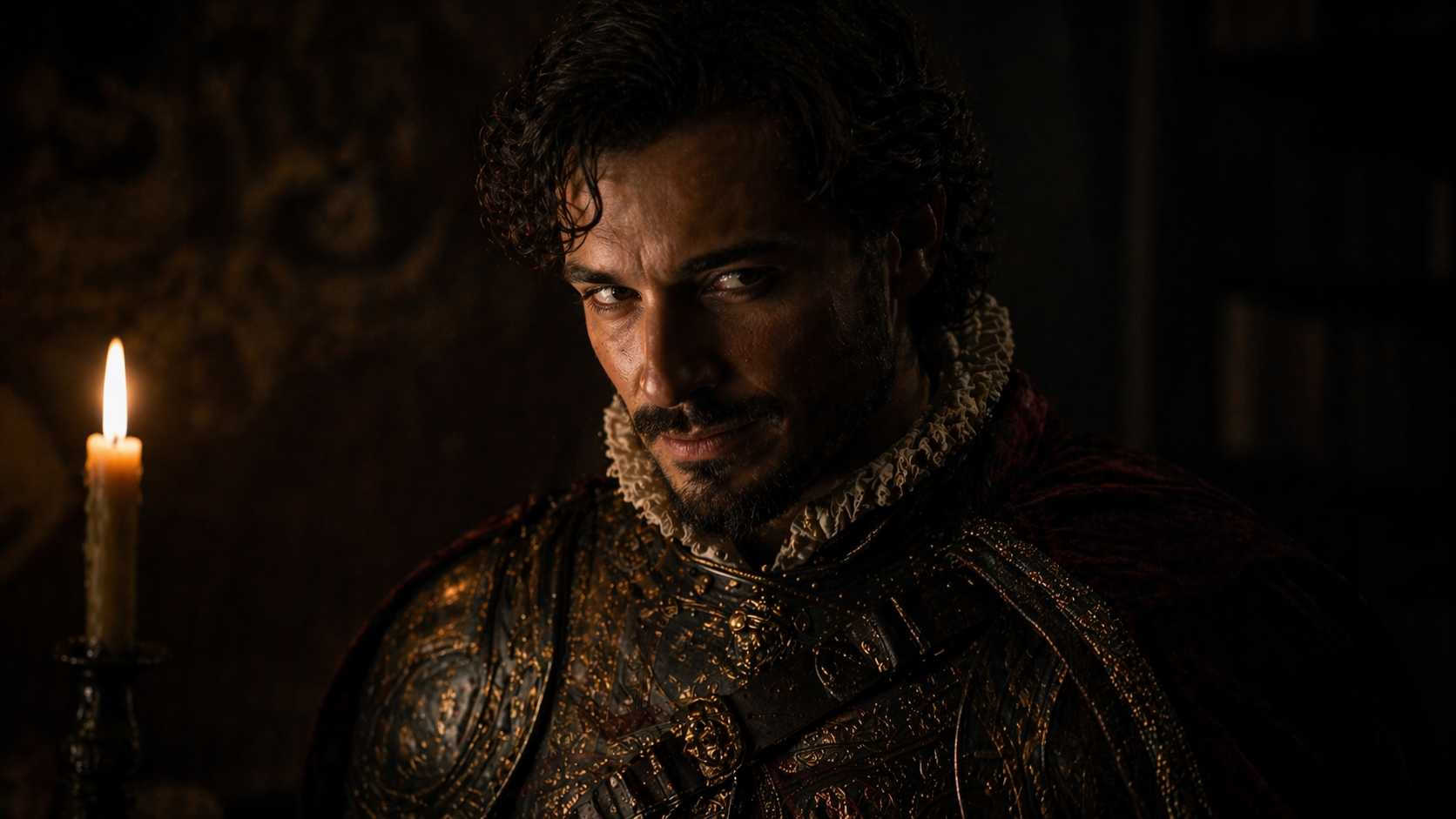
If Othello is the tragic hero, Iago is the architect of tragedy.
Kenneth Branagh brings chilling realism to Iago, often considered Shakespeare’s most dangerous villain. Rather than portraying him as overtly evil, Branagh presents Iago as:
- Calm and calculating
- Charismatic and persuasive
- Subtly manipulative
His performance stands out because of its restraint. Instead of exaggerated villainy, Branagh uses quiet expressions and controlled dialogue to create tension.
This makes his Iago feel disturbingly real—someone who could exist outside fiction.
Desdemona – Played by Irène Jacob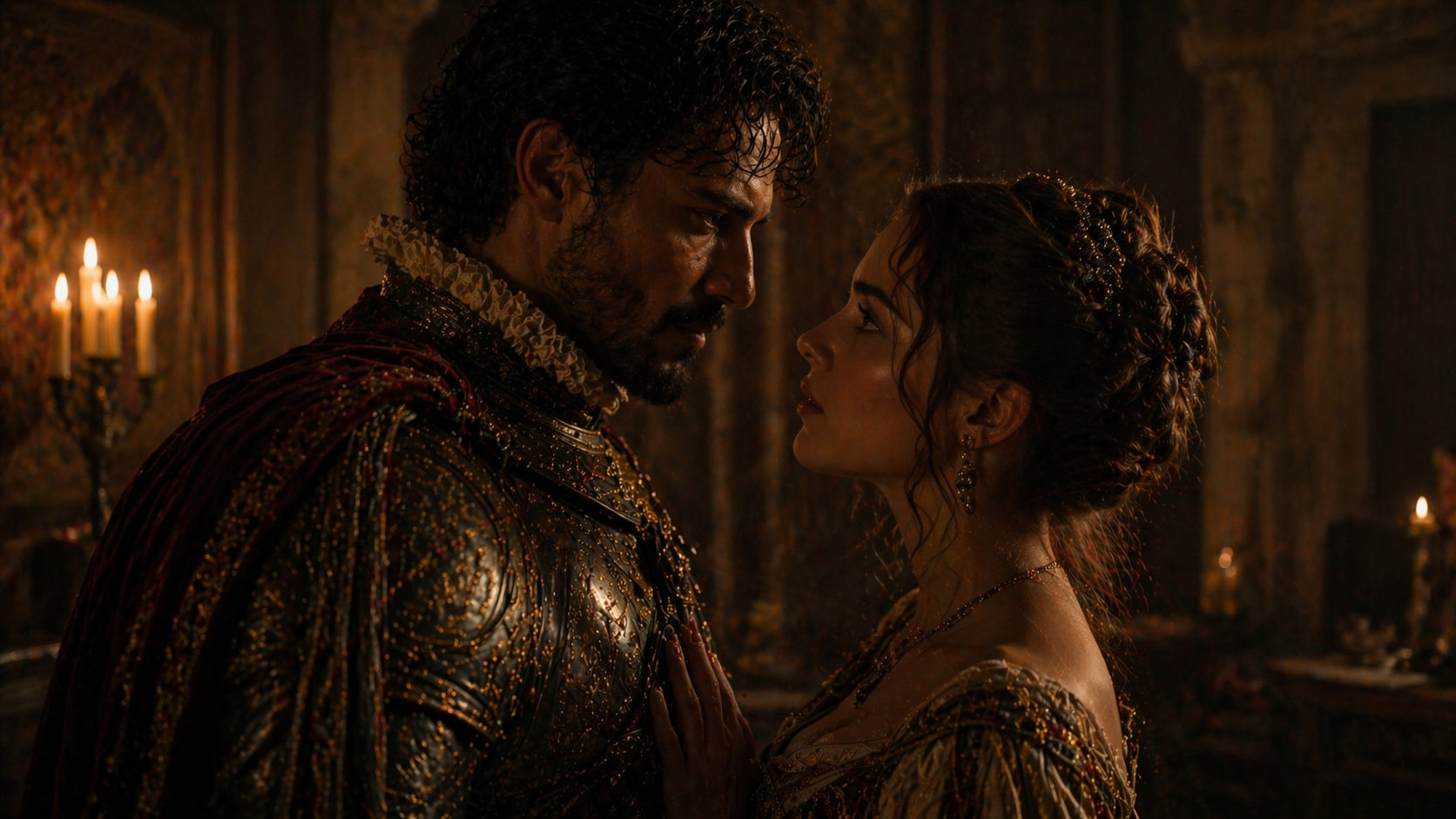
Desdemona represents love, innocence, and loyalty—but she is far from a passive character.
Irène Jacob portrays her with emotional depth, showing:
- Genuine devotion to Othello
- Quiet strength in the face of accusation
- Tragic vulnerability
Jacob’s performance avoids making Desdemona seem naive. Instead, she appears sincere and emotionally intelligent—making her fate even more heartbreaking.
Cassio – Played by Nathaniel Parker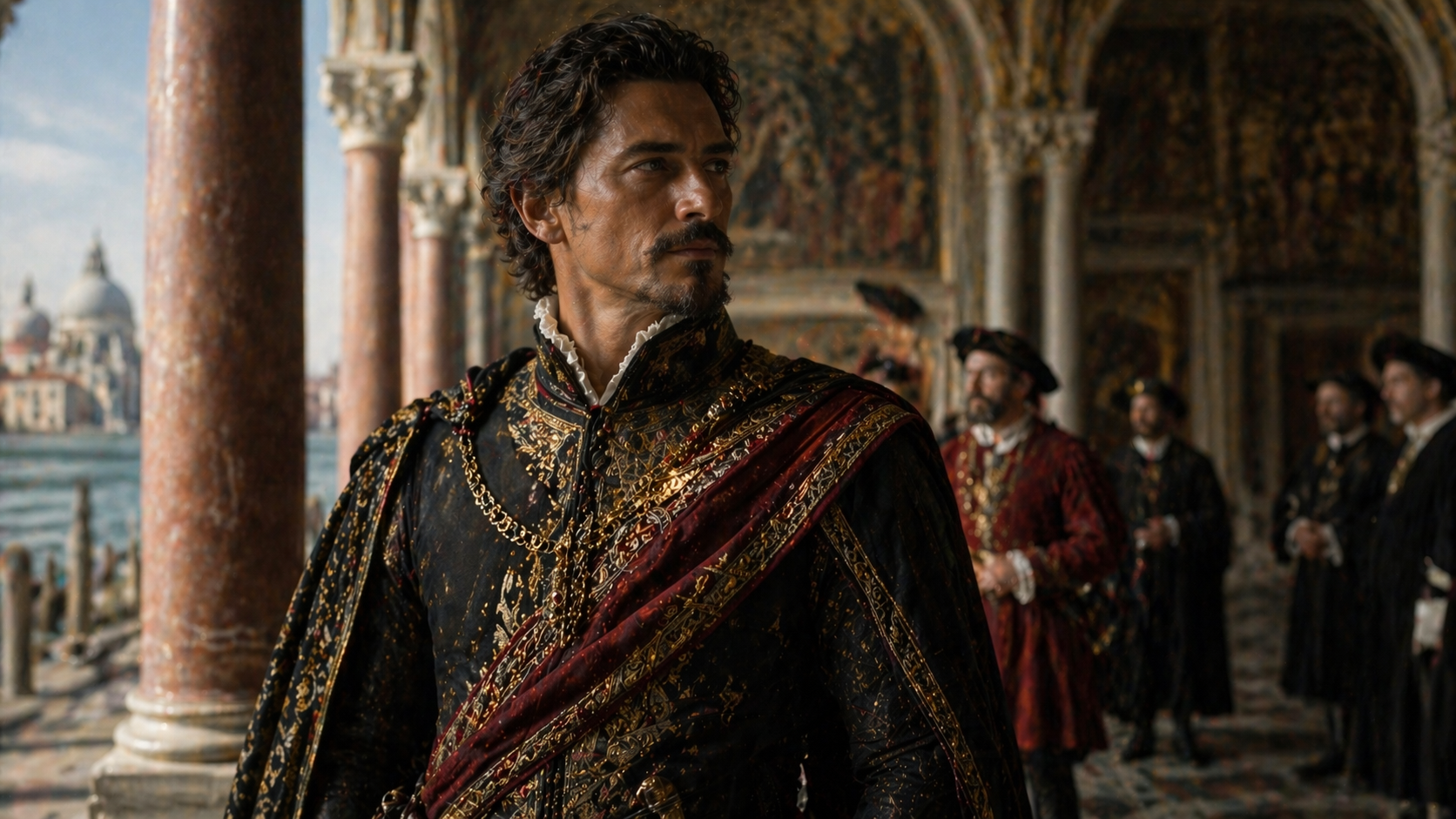
Cassio plays a crucial role in Iago’s scheme. His reputation and relationship with Othello become tools for manipulation.
Nathaniel Parker presents Cassio as:
- Honorable and loyal
- Slightly inexperienced
- Socially polished
His portrayal helps highlight the contrast between appearance and reality—a central theme in Othello.
Emilia – Played by Anna Patrick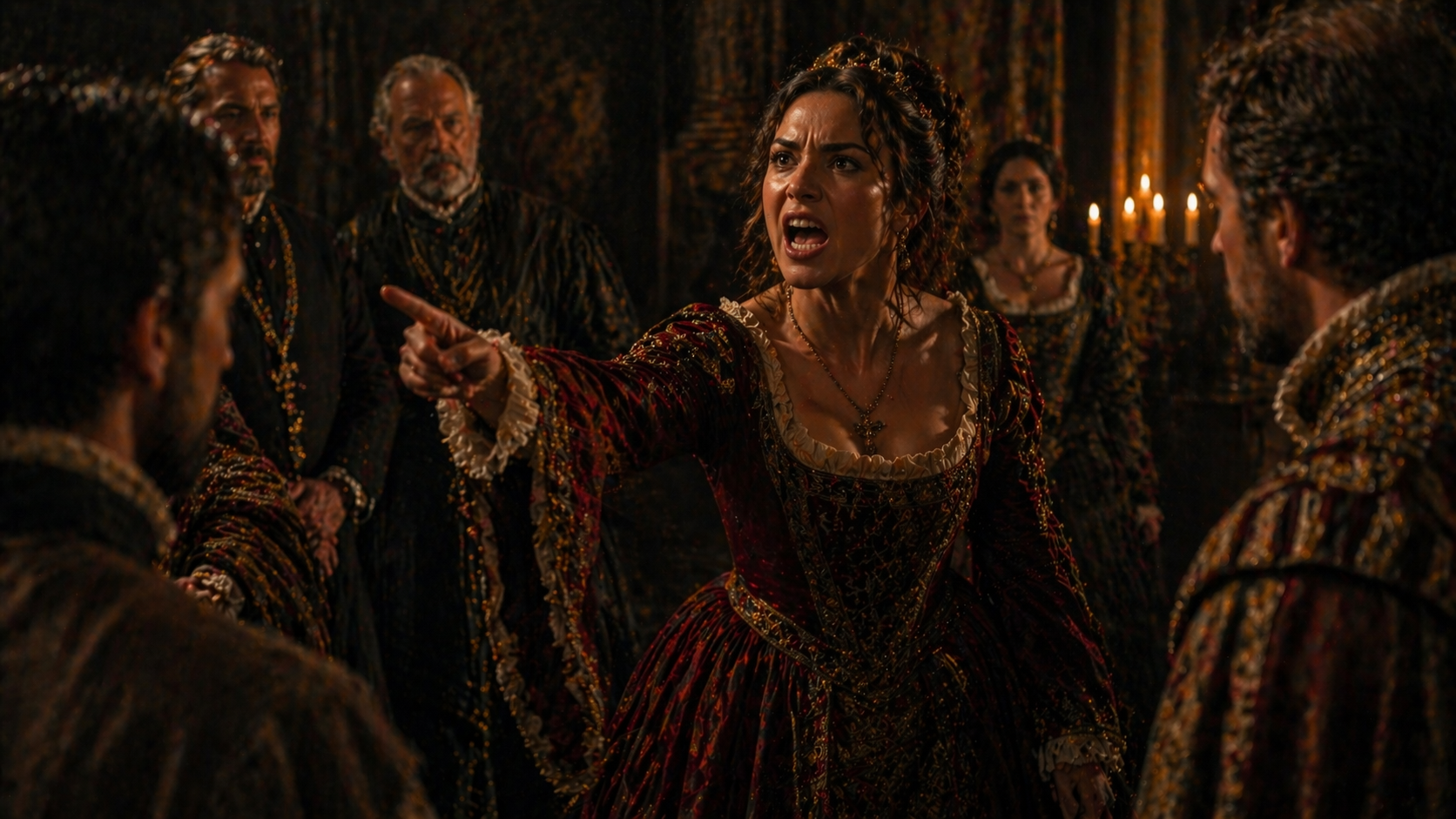
Often overlooked, Emilia is one of the most important characters in the play.
Anna Patrick gives a powerful performance that evolves over time:
- Initially loyal to Iago
- Increasingly aware of injustice
- Ultimately courageous in exposing the truth
Emilia’s final scenes are among the most emotionally impactful in the film. Many modern interpretations view her as a proto-feminist figure, challenging male authority.
Roderigo – Played by Michael Maloney
Roderigo is often seen as a fool—but his role is essential.
Michael Maloney portrays him as:
- Desperate and lovesick
- Easily manipulated by Iago
- Symbolic of blind obsession
His character demonstrates how manipulation can exploit emotional weakness.
Casting Choices Explained: Why These Actors Were Selected
Authenticity and Diversity in Casting
One of the most important aspects of the Othello 1995 cast is its commitment to authenticity.
Casting Laurence Fishburne as Othello was a deliberate and meaningful decision. It not only corrected historical misrepresentation but also added depth to the story’s exploration of race and identity.
Shakespearean Expertise in the Cast
Actors like Kenneth Branagh brought extensive experience with Shakespearean dialogue.
This ensured:
- Clear delivery of complex language
- Emotional authenticity
- Faithfulness to the original text
The combination of theater-trained actors and film performers created a balanced and effective cast.
Performance Analysis: What Makes This Cast Exceptional
Chemistry Between Lead Actors
The dynamic between Othello and Iago is the heart of the film.
- Fishburne’s emotional openness contrasts with Branagh’s calculated restraint
- Their interactions feel natural yet tense
- The gradual shift from trust to suspicion is convincingly portrayed
Similarly, the relationship between Othello and Desdemona is deeply human, making the tragedy more impactful.
Delivery of Shakespearean Language
One challenge in adapting Shakespeare is making the language accessible.
The Othello 1995 cast succeeds by:
- Speaking clearly without sounding overly theatrical
- Maintaining emotional realism
- Balancing poetic rhythm with natural expression
This makes the film especially useful for students studying the play.
Differences Between the Film Cast and Stage Interpretations
Traditional vs Modern Casting Approaches
Stage productions of Othello often experiment with casting choices—sometimes modernizing the setting or altering character dynamics.
In contrast, the 1995 film stays relatively traditional while still making progressive casting decisions.
Film vs Theatre Acting Styles
Film acting requires subtlety, while theatre often demands exaggerated expressions.
This adaptation benefits from:
- Close-up shots that capture nuanced emotions
- Controlled performances that feel realistic
- Cinematic techniques that enhance storytelling
Behind-the-Scenes Insights About the Cast
Understanding the othello 1995 cast becomes even more fascinating when you look beyond the screen and explore how these performances were shaped during production.
Casting Challenges and Creative Decisions
Director Oliver Parker faced a significant challenge: balancing Shakespearean authenticity with cinematic accessibility. He needed actors who could:
- Deliver complex Elizabethan dialogue naturally
- Convey deep emotional shifts convincingly
- Appeal to both academic and mainstream audiences
Casting Laurence Fishburne was a defining decision. Already known for powerful roles in film and theatre, Fishburne brought both gravitas and cultural significance to Othello. His presence ensured the film would be taken seriously not just as entertainment, but as a meaningful interpretation of Shakespeare.
Similarly, choosing Kenneth Branagh as Iago guaranteed a masterclass in Shakespearean performance. Branagh’s deep understanding of Shakespeare’s language allowed him to elevate Iago beyond a simple villain into a psychologically complex character.
Actor Preparation and Rehearsal Process
The cast reportedly underwent extensive preparation to ensure authenticity:
- Textual analysis: Actors studied Shakespeare’s original text to understand subtext and motivation
- Voice training: To deliver lines clearly without losing emotional nuance
- Character workshops: Exploring relationships, especially between Othello, Iago, and Desdemona
This preparation is evident in the final performances. The dialogue feels intentional and emotionally grounded, rather than mechanical or overly theatrical.
Director’s Vision for Character Portrayal
Parker’s vision emphasized realism over theatrical exaggeration. Instead of presenting characters as symbolic figures, he encouraged actors to:
- Treat dialogue as natural conversation
- Focus on psychological realism
- Build believable relationships
This approach is one of the key reasons the Othello 1995 cast resonates with modern audiences, especially students who may struggle with Shakespeare’s language.
Critical Reception of the Cast Performances
Reviews from Critics
Upon release, the film received mixed-to-positive reviews overall—but the performances of the cast were widely praised.
- Laurence Fishburne was commended for bringing dignity and emotional intensity to Othello
- Kenneth Branagh was often singled out as the film’s standout, with critics praising his subtle and chilling portrayal of Iago
Many critics noted that Branagh’s performance avoided clichés, instead presenting Iago as eerily believable, which made the character more disturbing.
Audience Reactions Over Time
While initial reactions were somewhat divided, the film has gained appreciation over time—particularly in educational contexts.
Today, audiences value the Othello 1995 cast for:
- Its faithful interpretation of Shakespeare
- Strong individual performances
- Educational usefulness for literature studies
Students and teachers often revisit the film because it helps bridge the gap between text and performance.
Why Students and Literature Enthusiasts Study the Othello 1995 Cast
For many learners, Shakespeare’s plays can feel distant or difficult. This is where the Othello 1995 cast becomes especially valuable.
Bringing Shakespeare’s Characters to Life
Reading Othello is one experience—watching it performed is another.
The film helps viewers:
- Visualize character relationships
- Understand emotional shifts
- Interpret complex scenes more easily
For example, seeing Iago’s manipulation unfold on screen makes his strategies clearer than reading alone.
Supporting Academic Analysis and Exams
Students preparing for exams often need to:
- Analyze character motivations
- Compare interpretations
- Discuss themes like jealousy, race, and betrayal
The performances by Laurence Fishburne and Kenneth Branagh provide excellent material for essays and discussions.
Bridging Literature and Film Studies
This adaptation is also useful for those studying film as well as literature. It demonstrates how:
- Text can be translated into visual storytelling
- Acting choices influence interpretation
- Direction shapes audience perception
Key Takeaways: What You Should Remember About the Othello 1995 Cast
If you’re looking for a quick summary, here are the most important points:
- The othello 1995 cast is one of the most impactful Shakespearean ensembles in modern film
- Laurence Fishburne brought historical significance and emotional depth to Othello
- Kenneth Branagh delivered a definitive portrayal of Iago
- Supporting actors added richness and balance to the narrative
- The film remains highly relevant for students, educators, and Shakespeare enthusiasts
Frequently Asked Questions (FAQs)
Who played Othello in the 1995 film?
Othello was played by Laurence Fishburne, making history as the first Black actor to portray the role in a major Hollywood adaptation.
Why is the Othello 1995 cast important?
The cast is significant because it combines historical authenticity, powerful performances, and Shakespearean expertise, making the film both educational and emotionally compelling.
Is the 1995 Othello film faithful to Shakespeare’s play?
Yes, the film remains largely faithful to William Shakespeare’s original text, while using cinematic techniques to enhance accessibility.
Who is considered the best actor in Othello (1995)?
Both Laurence Fishburne and Kenneth Branagh are widely praised. Fishburne brings emotional depth, while Branagh delivers a masterful portrayal of Iago.
Where can students watch or study Othello (1995)?
Students can typically find the film on streaming platforms, DVD collections, or academic libraries. Many educational institutions also include it in literature courses.
Final Thoughts: The Lasting Legacy of the Othello 1995 Cast
The othello 1995 cast is more than just a list of actors—it’s a powerful example of how performance can transform classic literature into a living, breathing experience.
By combining authentic casting, expert delivery, and emotional realism, this film continues to influence how Othello is studied and understood. Performances by Laurence Fishburne and Kenneth Branagh have set a high standard for future adaptations.
If you’re serious about understanding Shakespeare—not just reading but truly experiencing his work—this cast offers one of the most compelling interpretations available.
Whether you’re preparing for exams, writing analytical essays, or simply exploring great cinema, revisiting this film with a deeper awareness of its cast will enrich your perspective in ways that few adaptations can match.