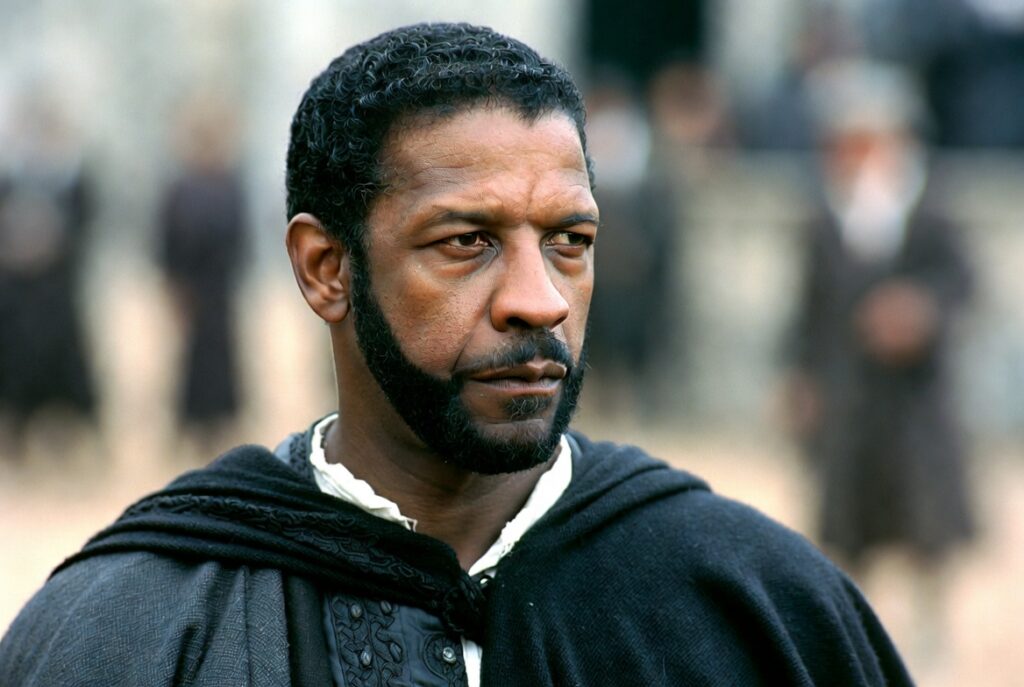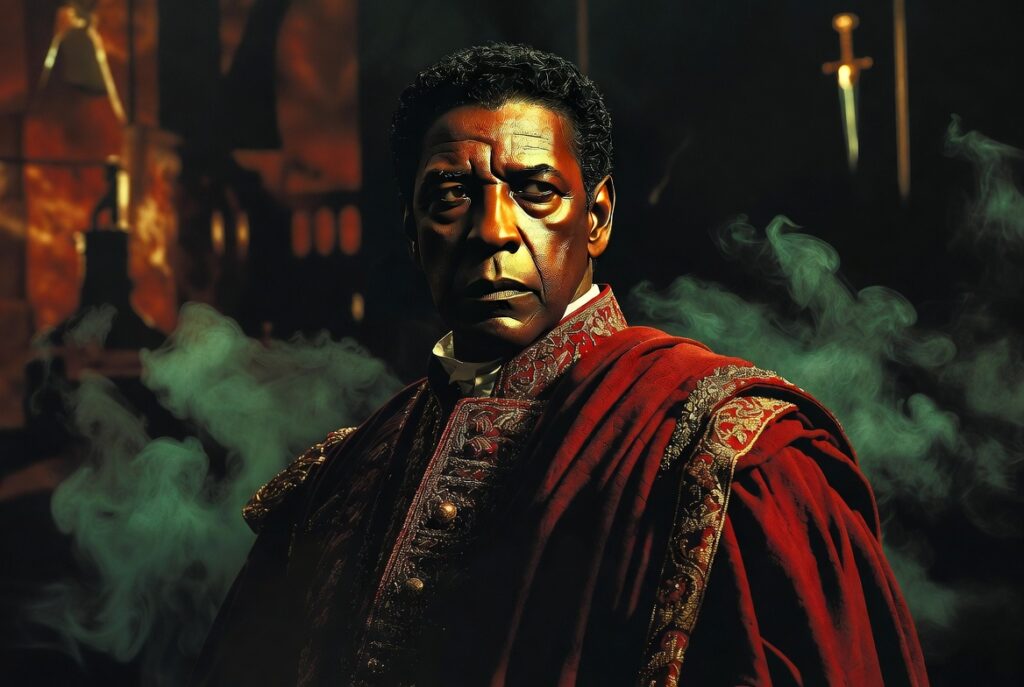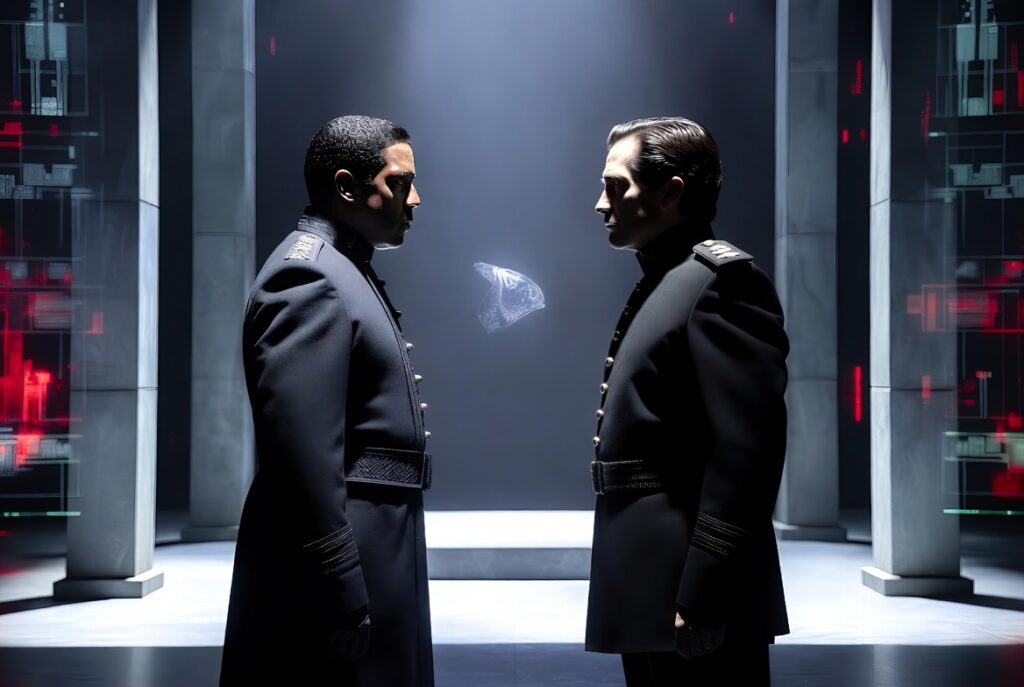
William Shakespeare’s most terrifying psychological thriller didn’t need broadswords, Venetian canals, or grand Elizabethan poetry to resonate with a modern generation—it simply needed a high school basketball court and a gritty London police precinct. If you are struggling to bridge the 400-year gap between Shakespeare’s original text and contemporary culture, looking back at the Othello 2001 film adaptations is the master key to unlocking the play’s core themes.
For students trying to decode Iago’s manipulations, educators seeking relatable classroom material, or cinema buffs analyzing narrative structure, studying the original text can sometimes feel like translating a foreign language. However, the year 2001 brought us two cinematic milestones that solved this problem brilliantly: Tim Blake Nelson’s American teen drama O and Andrew Davies’ British television thriller Othello.
As a dedicated researcher and analyst of Shakespearean text and its translations to screen, I have found that these two distinct adaptations do more than just update the wardrobe. They successfully unpack the timeless, ugly realities of systemic racism, toxic jealousy, and psychological warfare. In this comprehensive guide, we will break down exactly how the 2001 adaptations stripped away the poetry to reveal the raw, beating heart of Shakespeare’s darkest tragedy.
The Year of the Moor: Why 2001 Was a Turning Point for Shakespeare on Screen
To fully appreciate the impact of these adaptations, we have to understand the cinematic landscape of the era. The turn of the millennium was a golden age for modernizing classic literature, but the treatment of the Moor of Venice was distinctly different from the rest.
The Post-90s Shakespeare Boom
The late 1990s and early 2000s saw Hollywood desperately trying to make the Bard “cool” for the MTV generation. We witnessed Baz Luhrmann’s chaotic, neon-drenched Romeo + Juliet (1996) and Gil Junger’s beloved 10 Things I Hate About You (1999), a charming riff on The Taming of the Shrew. Michael Almereyda even put Ethan Hawke in a Blockbuster Video store for Hamlet (2000).
These films were visually spectacular, but they often relied heavily on either retaining the original Early Modern English in a jarring modern setting or turning the plays into lighthearted romantic comedies. Othello, however, is a suffocating, intimate tragedy about a man being manipulated into murdering his innocent wife. It could not be given a glossy, pop-soundtrack makeover without losing its soul. The year 2001 marked a turning point because filmmakers realized that to do the tragedy justice, they had to be ruthless with the source material.
Stripping the Poetry for Pure Tension
Both 2001 adaptations made the controversial but necessary decision to completely ditch the original Elizabethan dialogue. By abandoning the iambic pentameter and translating the action rather than the language, directors were able to craft tightly wound, visceral thrillers.
For modern audiences, Shakespeare’s dense poetry can sometimes act as a buffer, cushioning the blow of the violence. When Iago speaks in beautiful, complex soliloquies, we can easily get lost in the intellectual majesty of the words and forget the horrific nature of his plotting. By forcing the characters to speak in blunt, contemporary English, the 2001 adaptations removed that protective barrier. The jealousy became uglier, the racism more recognizable, and the inevitable tragedy far more terrifying.
The High School Tragedy: Tim Blake Nelson’s O (2001)
Directed by Tim Blake Nelson, O transplants the narrative of the Venetian general into an elite, predominantly white American boarding school in the Deep South. The film stars Mekhi Phifer as Odin James (Othello), Julia Stiles as Desi Brable (Desdemona), and Josh Hartnett as Hugo Goulding (Iago).
Translating Military Might to Athletic Stardom
One of the greatest challenges in adapting Othello is finding a modern equivalent for the protagonist’s status. In the original play, Othello is a highly respected military general whose power commands the respect of a racist society that otherwise despises him.
Nelson brilliantly swaps the battlefields of Cyprus for the hardwood of the basketball court. In the microcosm of American high school hierarchy, athletic glory perfectly mirrors military honor. Odin is a star athlete, a “warrior” on the court whose skills bring victory and prestige to his school. Just like the Venetian Senate tolerates Othello only because they need his military prowess to fight the Turks, the wealthy white donors and faculty of the boarding school revere Odin only as long as he is sinking jump shots. Outside the gym, he remains an outsider—a dynamic that makes him deeply insecure and uniquely vulnerable to manipulation.
Hugo Goulding: Recontextualizing the Teenage Iago
Shakespeare scholars have debated Iago’s “motiveless malignity” for centuries. Why does he destroy his commander’s life? Is it just passed-over promotion? Racism? Pure psychopathy?
In O, Josh Hartnett delivers a chilling, understated performance as Hugo. The film grounds his malice in something deeply recognizable to the teenage experience: parental neglect and the desperate need for approval. The school’s basketball coach, Duke Goulding (played by Martin Sheen), is Hugo’s father. However, Duke publicly favors Odin, treating the star player like the son he wishes he had, while constantly belittling Hugo’s efforts.
By framing Hugo’s jealousy through the lens of a father-son dynamic, the film provides a sharp, psychological anchor for his actions. Hugo isn’t just a Machiavellian villain; he is a deeply damaged adolescent whose feelings of inadequacy curdle into a lethal, sociopathic need to destroy the golden boy who stole his father’s affection.
The Columbine Delay and the Reality of Teen Violence
It is impossible to analyze O without addressing its fraught release history, which adds a chilling layer of real-world context to the film. Although completed in 1999, the film was shelved by its original distributor (Miramax) for over two years.
This delay was a direct response to the tragic Columbine High School massacre in April 1999. The studio feared that releasing a movie featuring profound psychological manipulation, gun violence, and teenagers murdering each other would be deemed insensitive. When O finally hit theaters in the late summer of 2001, it arrived in a changed cultural landscape. The delay actually underscored the film’s terrifying thesis: the volatile cocktail of teenage angst, jealousy, and access to firearms is every bit as destructive as the grand, tragic wars of Shakespeare’s era.
The Gritty Police Thriller: Andrew Davies’ Othello (2001)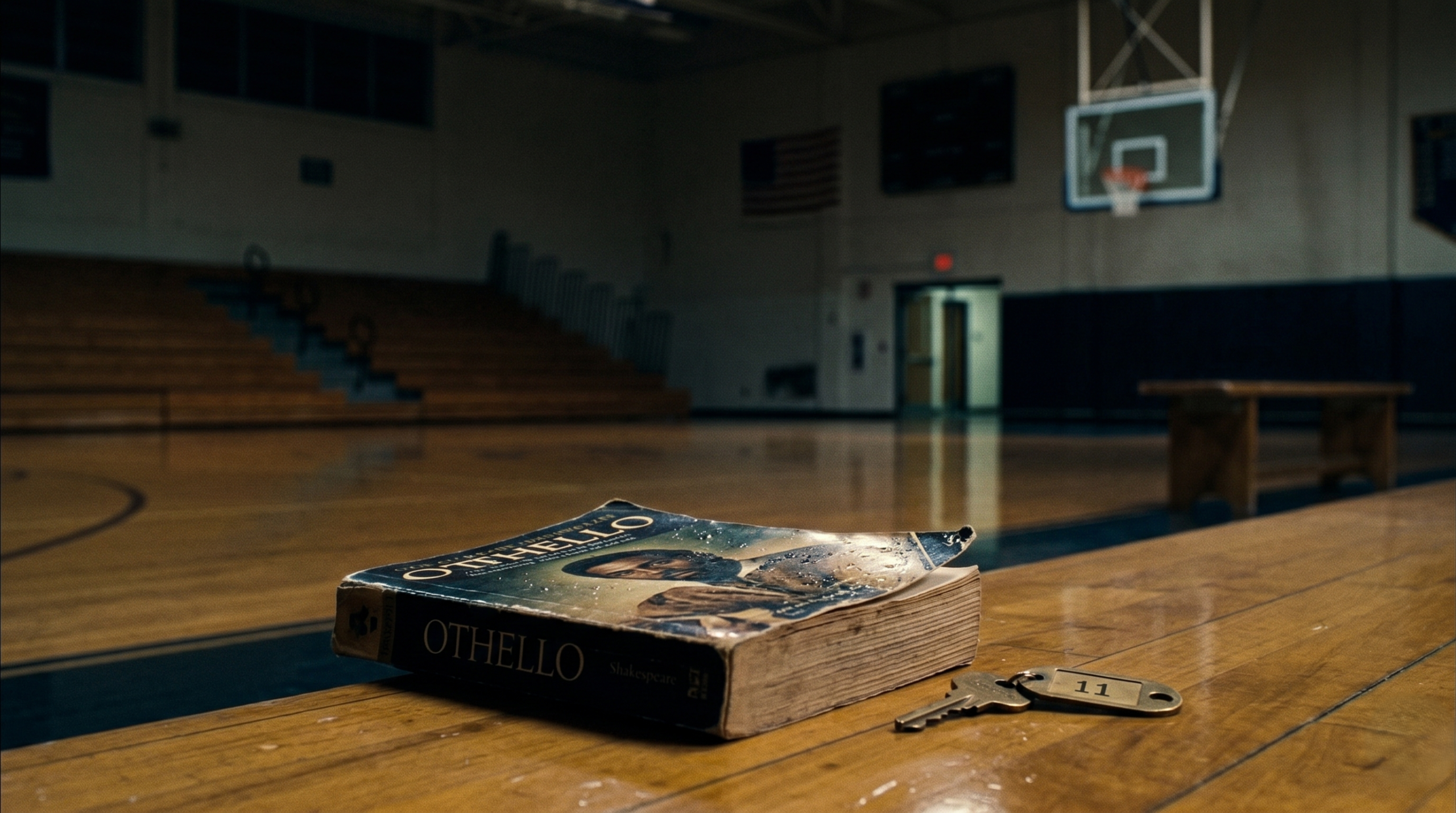
While O tackled the adolescent pressure cooker, across the Atlantic, British screenwriter Andrew Davies took a distinctly different approach. Broadcast on ITV, the UK’s 2001 television film adaptation of Othello transposed the tragedy into the high-stakes, politically charged world of the London Metropolitan Police. Starring Eamonn Walker as John Othello and Christopher Eccleston as Ben Jago, this adaptation traded the battlefield for the brutal realities of modern law enforcement.
Institutional Racism as the Backdrop
In Shakespeare’s original work, Venice is a civilized, ordered society that relies on Othello, a Moorish outsider, to protect it from external threats. Davies brilliantly updates this dynamic by making the “threat” internal: widespread public unrest and a PR nightmare for the police following the death of a Black man in police custody.
To quell the ensuing riots and project an image of progressive reform, the Prime Minister and the Police Commissioner fast-track John Othello, a highly capable Black officer, to the top job. Just as the Venetian Duke needed Othello’s military might, the British government needs John Othello’s optics and integrity. By embedding the story in a landscape of institutional racism, the 2001 adaptation makes Othello’s isolation palpable. He is surrounded by white colleagues who smile to his face but deeply resent his rapid ascension, perfectly mirroring the covert prejudices of the original text.
Ben Jago: The Sociopathic Cop
Christopher Eccleston’s portrayal of Ben Jago is a masterclass in modernizing Shakespearean villainy. In the play, Iago’s resentment stems from being passed over for the position of lieutenant in favor of Michael Cassio. In this 2001 thriller, Jago is a veteran cop who fully expects to be named the next Commissioner. When John Othello gets the job instead, Jago’s professional jealousy mutates into a lethal, sociopathic obsession.
What makes Davies’ adaptation so compelling—and so highly rated among theater scholars—is how it handles Iago’s famous soliloquies. Instead of dramatic stage monologues, Jago routinely breaks the fourth wall, speaking directly to the camera with chilling, blokey charm. He makes the audience his confidants, forcing us into a deeply uncomfortable complicity as we watch him dismantle his “best friend’s” life piece by piece.
The Handkerchief Becomes Modern Evidence
A common hurdle for modern audiences studying the classic play is the plot device of the strawberry-spotted handkerchief. How could a brilliant general be driven to murder over a missing piece of cloth?
The British Othello (2001) ingeniously updates this fatal prop. In a world of forensics and digital footprints, Jago fabricates a trail of circumstantial evidence. He manipulates police resources, intercepts communications, and uses a much more modern symbol of infidelity to trigger John Othello’s descent into paranoid rage. By translating Elizabethan symbols into forensic evidence, the adaptation makes the mechanics of the conspiracy terrifyingly credible to a contemporary audience.
Side-by-Side: How 2001 Fixed Our Misunderstanding of “Othello”
Comparing these two 2001 film adaptations side-by-side provides a masterclass in literary analysis. Both films succeeded where others failed because they corrected several modern misunderstandings of the 400-year-old text, making the characters far more relatable to a 21st-century audience.
The Evolution of Desdemona (Julia Stiles vs. Keeley Hawes)
Historically, stage productions have often portrayed Desdemona as a fragile, submissive victim—a purely passive angel who merely exists to be wronged. The 2001 films actively dismantle this trope.
In O, Julia Stiles plays Desi not as a shrinking violet, but as a confident, wealthy, sexually active teenager who actively defies her overbearing father to be with Odin. In the ITV adaptation, Keeley Hawes portrays Dessie as a strong-willed, independent woman fiercely loyal to her husband but unwilling to be silenced. By granting these women modern agency, their ultimate victimization at the hands of their gaslighting partners becomes exponentially more tragic. They are not merely collateral damage; they are vibrant women whose voices are systematically stripped away.
Racism: Covert vs. Overt
Both films expertly dissect the theme of prejudice, but they do so from different angles. O highlights the profound isolation of being a “token” Black prodigy in a predominantly white space. Odin is celebrated for his physical prowess but implicitly told that his worth is tied entirely to his utility on the basketball court.
Conversely, the British Othello tackles systemic, institutional racism head-on. The police force is depicted as an old boys’ club where bigotry is institutionalized and hidden behind closed doors. Both interpretations offer vital LSI keywords and themes for students writing essays on how environmental prejudice exacerbates Othello’s fatal insecurity.
The Mechanics of Gaslighting
Before “gaslighting” became a modern buzzword, Shakespeare wrote the definitive manual on it. Both 2001 retellings capture the insidious, slow-drip nature of psychological manipulation. Whether it is Hugo planting seeds of doubt in a high school locker room or Jago manipulating police records in a London precinct, these films visually map out how an abuser isolates their target, warps their reality, and turns their greatest strengths into tragic flaws.
Why Teachers, Students, and Fans Should Still Watch the 2001 Adaptations Today
If you are an educator, a student prepping for a literature exam, or simply a fan of dark psychological thrillers, placing the Othello 2001 adaptations on your watchlist is highly recommended.
-
For Students: These films serve as dynamic, visual study guides. When you strip away the Elizabethan dialect, the core character motivations—especially Iago’s multifaceted jealousy and Othello’s crippling fear of inadequacy—become crystal clear. They provide a foundational understanding of the plot dynamics before you dive back into the dense poetry of the original text.
-
For Theater and Film Buffs: Watching these movies is an incredible exercise in narrative structure. They prove that Shakespeare’s plotting is so structurally sound that it can survive the complete removal of his famous dialogue.
-
Which Should You Watch? If you are fascinated by the devastating pressure placed on modern youth, Tim Blake Nelson’s O is a raw, emotional watch. If you prefer adult, political dramas akin to Line of Duty or The Wire, Andrew Davies’ British Othello is an absolute must-see.
Frequently Asked Questions (FAQs)
Is the movie O (2001) a direct translation of Shakespeare’s Othello? No, O is not a direct translation. It is a modernized adaptation. While it abandons Shakespeare’s original dialogue in favor of contemporary English and sets the action in an American high school, it faithfully tracks the exact plot, character arcs, and thematic elements of the original tragedy.
Why did they change the characters’ names in the 2001 movies? The name changes were implemented to ground the stories in their respective modern realities while retaining a linguistic nod to the original play. In O, Othello becomes Odin, Iago becomes Hugo, and Desdemona becomes Desi. In the British TV film, the names are subtly naturalized: John Othello, Ben Jago, and Dessie Brabant.
Which 2001 version of Othello is more accurate to the play? It depends on how you define accuracy. If you are looking for an exploration of the political and societal pressures faced by an adult military/law enforcement leader, the British ITV Othello aligns more closely with the original geopolitical stakes. If you are examining the raw, emotional volatility of unchecked jealousy, O captures the tragic, youthful passion of the core romance exceptionally well.
The cinematic offerings of 2001 proved once and for all that Shakespeare’s work is not meant to be kept behind glass in a museum. By stripping away the Elizabethan poetry and relocating the action to modern arenas of power—a high school basketball court and a metropolitan police station—both adaptations of Othello 2001 forced audiences to confront the ugly, timeless nature of human jealousy and prejudice. They redefined how we consume classic literature, proving that the architecture of a great tragedy remains structurally sound, no matter the century.
Which modern adaptation do you think captured the pure, unadulterated evil of Iago better: Josh Hartnett’s brooding, neglected teenager in O, or Christopher Eccleston’s terrifyingly ambitious police officer in the British Othello? Let us know your thoughts in the comments, and be sure to explore our other deep dives into Shakespeare’s greatest cinematic adaptations!