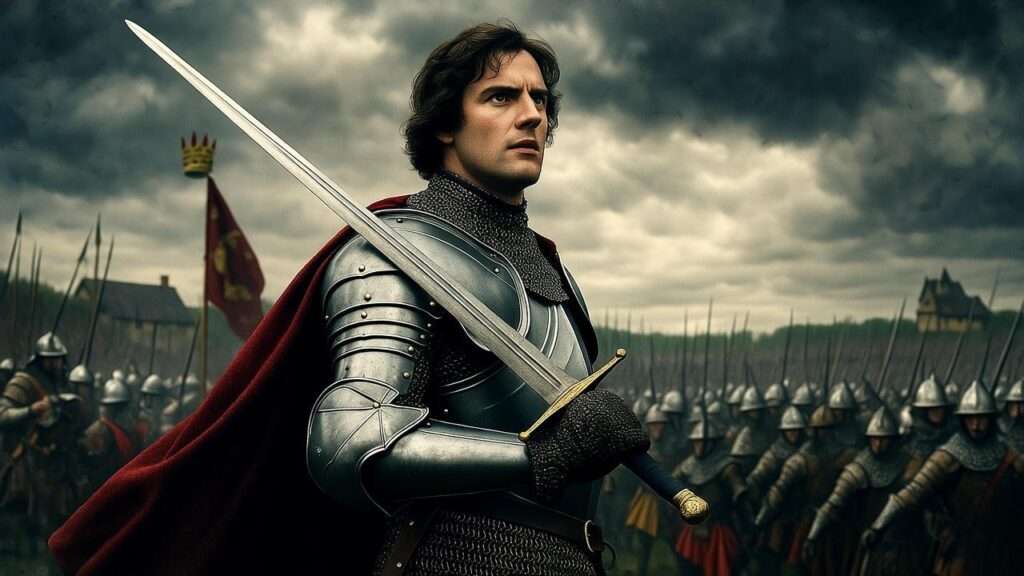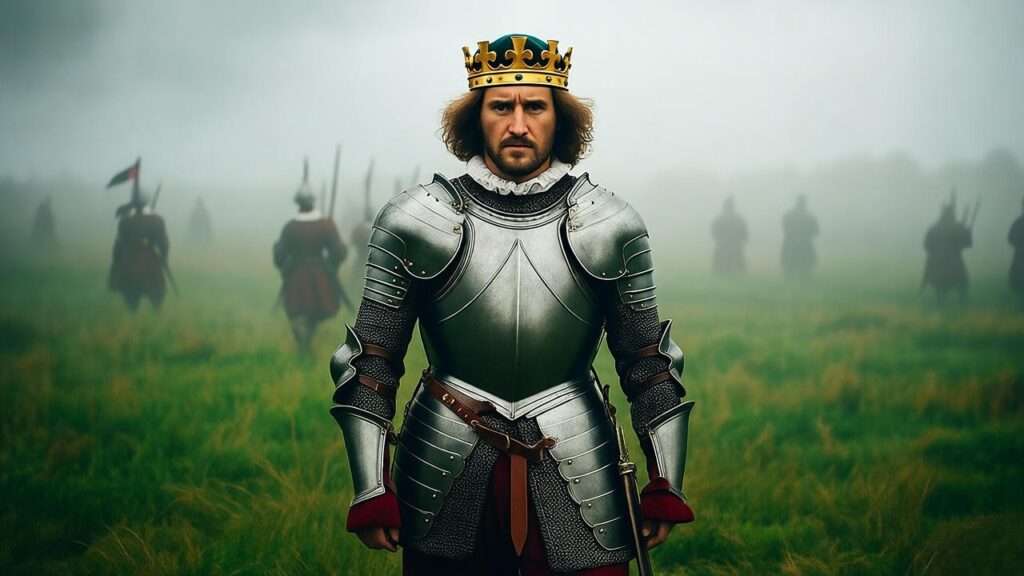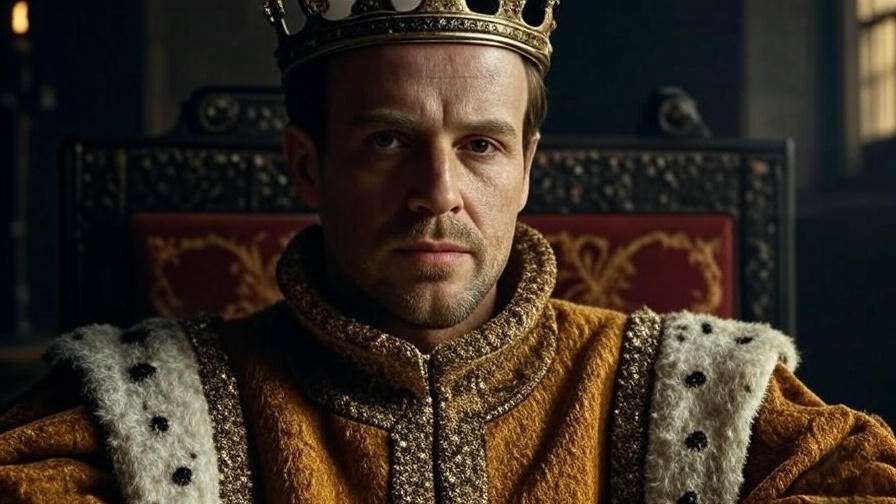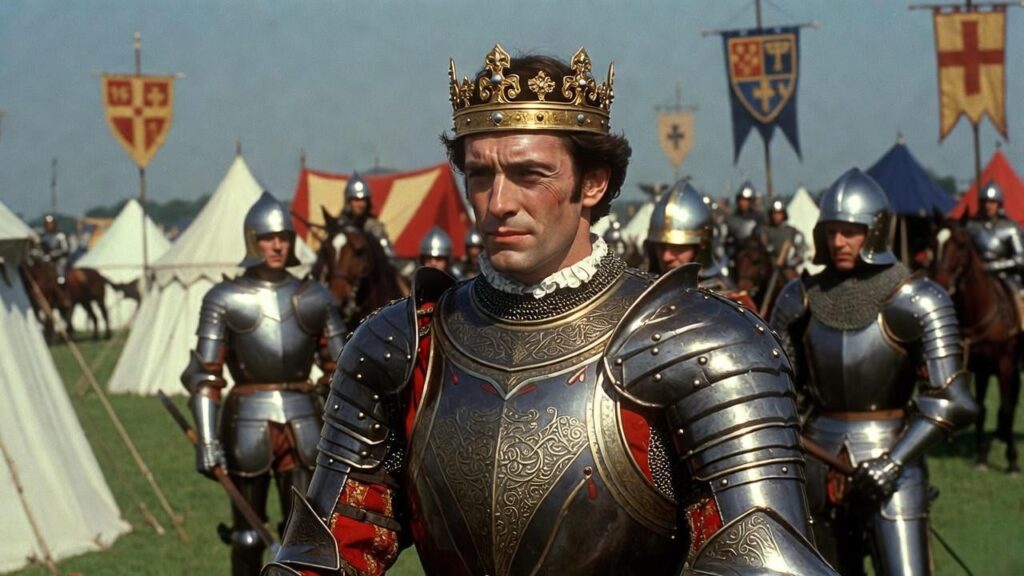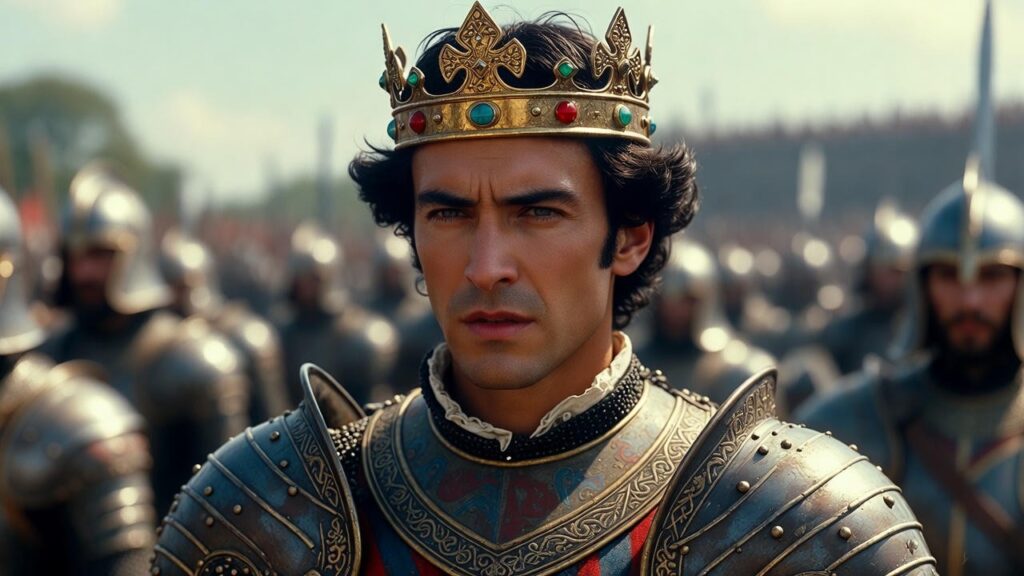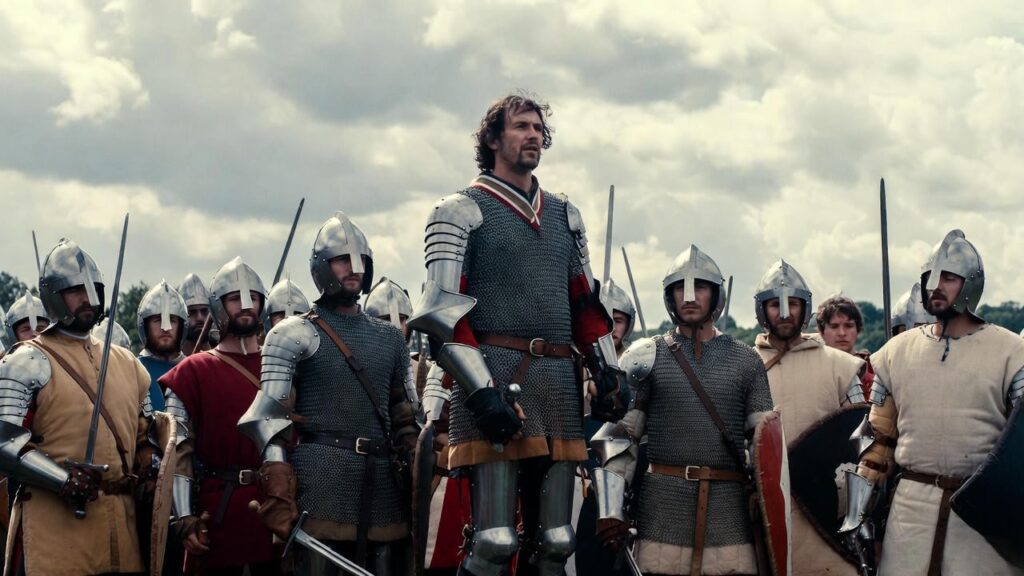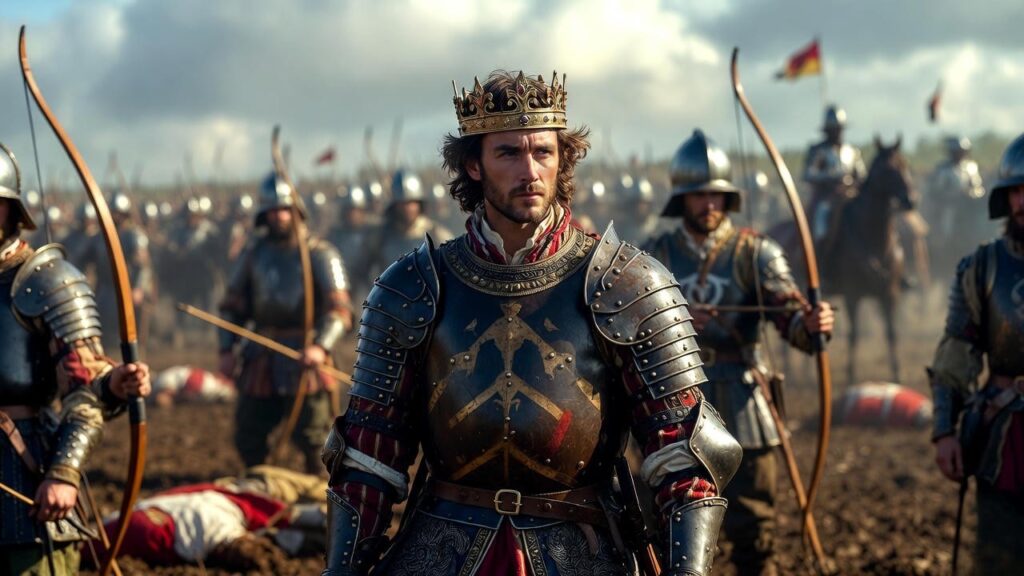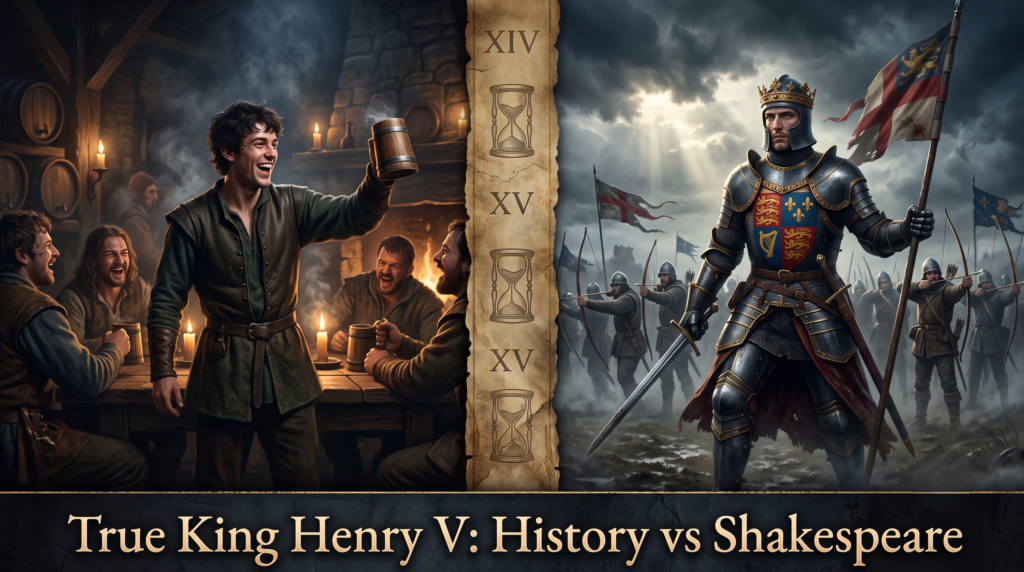
The cultural image of Prince Hal is etched into our collective literary consciousness: a rebellious, tavern-crawling youth who miraculously casts off his degenerate companions to become the mature, heroic, and divinely sanctioned King Henry V. But when we look closely at the plays and compare them to historical records, a glaring discrepancy emerges. Understanding the true king henry age timeline is one of the most common challenges for readers, students, and theatergoers alike.
Much like analyzing the complex psychological shift of Miranda in The Tempest—from a sheltered, dutiful daughter to Shakespeare’s radical heroine—untangling the truth of Henry’s maturation requires us to separate hard historical facts from brilliant dramatic illusion. Shakespeare notoriously compressed time, altered ages, and bent reality to serve his narrative and political purposes.
In this comprehensive guide, we will compare the real historical timeline with the events of the Henriad (Richard II, Henry IV Parts 1 & 2, and Henry V) to discover exactly how old Shakespeare’s most famous monarch truly was, both on the page and in reality.
The Historical Reality: Tracking the True King Henry Age
To appreciate Shakespeare’s dramatic genius, we must first establish the baseline of historical truth. The real Henry of Monmouth (the future Henry V) lived a short, intense, and highly documented life. Far from the perpetually idle youth depicted in the early acts of the Henriad, the historical Henry was thrust into the brutal realities of war and governance at a remarkably young age.
Birth and Early Life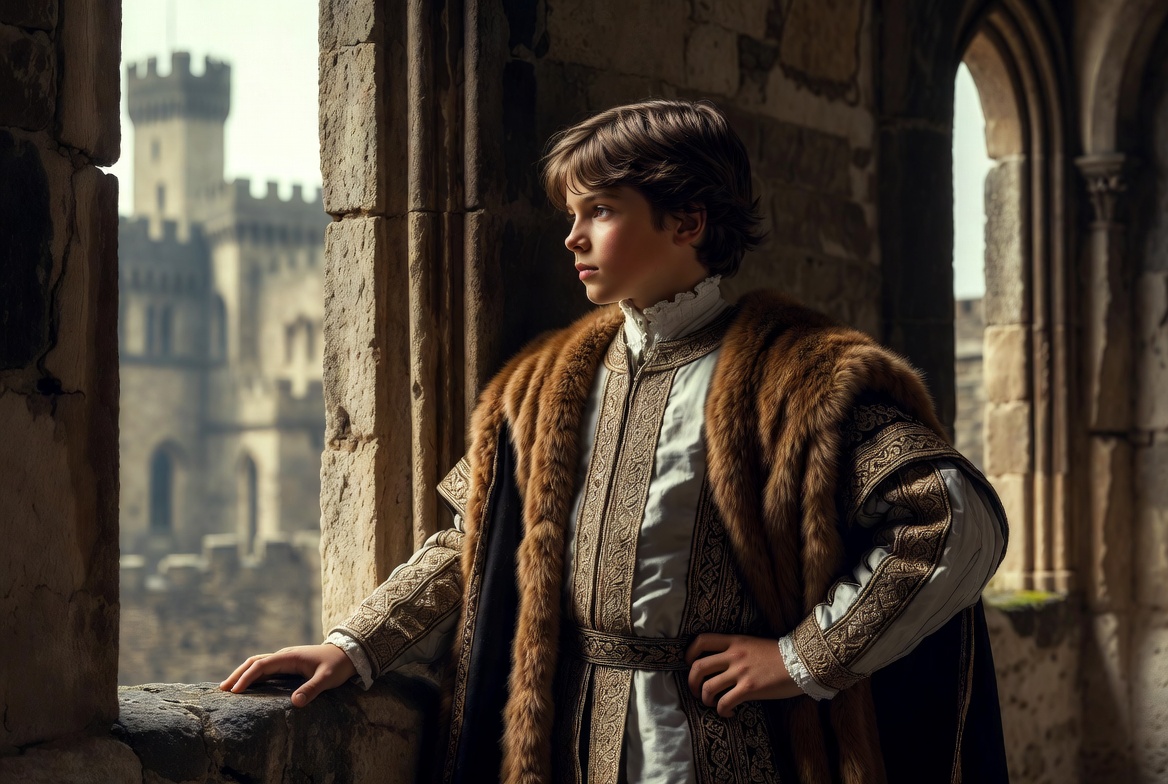
Henry was born on September 16, 1386, at Monmouth Castle in Wales. His father, Henry Bolingbroke (who would later usurp the throne to become King Henry IV), was frequently away, leaving the young Henry to be educated in the traditional arts of medieval nobility. When his father was exiled by King Richard II in 1398, the twelve-year-old Henry was taken into Richard’s court, essentially serving as a royal hostage, though he was treated remarkably well by the reigning monarch.
The Battle of Shrewsbury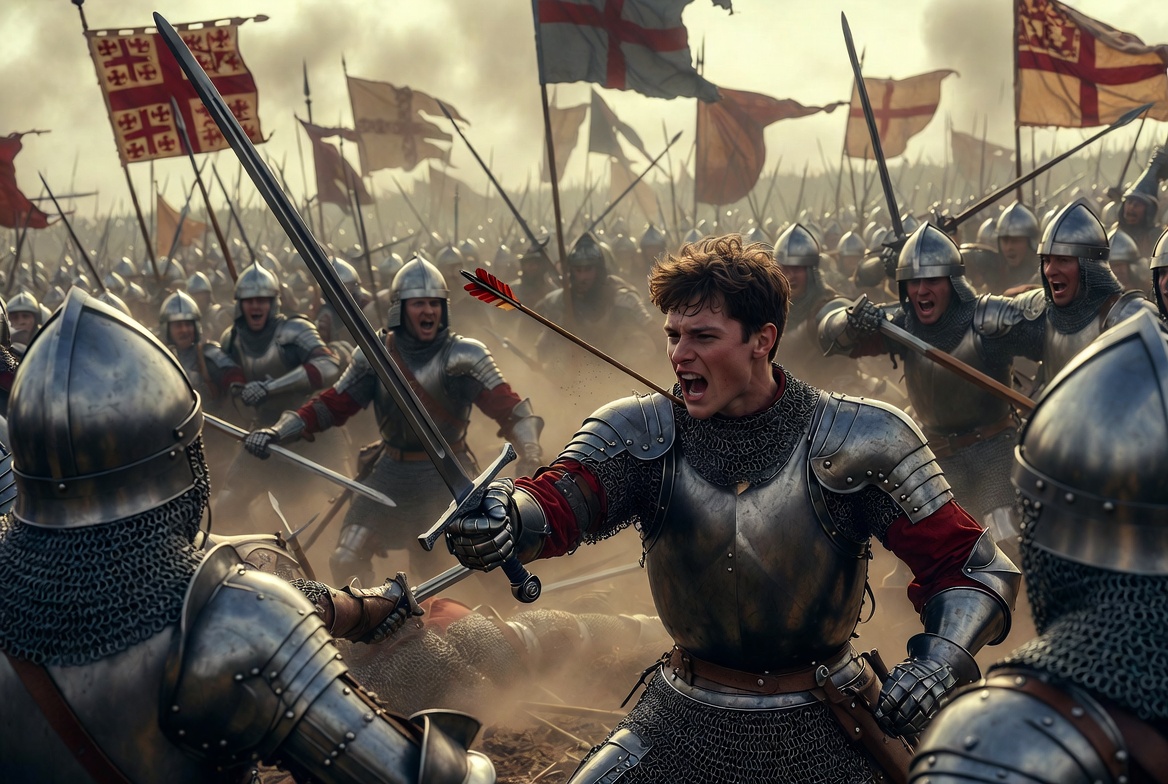
One of the defining moments of Henry’s youth—and a climactic set piece in Shakespeare’s Henry IV, Part 1—is the Battle of Shrewsbury, fought in July 1403. Historically, Henry was just 16 years old during this brutal conflict against the rebel forces led by Henry Percy (Hotspur).
It was here that the young Prince of Wales truly proved his mettle. He was struck in the face by an arrow that lodged deep into his skull. Rather than leaving the field, the 16-year-old prince insisted on fighting on. The subsequent, agonizing surgery to extract the arrowhead left him permanently scarred—a stark contrast to the unblemished, theatrical youth often portrayed on stage.
Ascension to the Throne
King Henry IV suffered from prolonged, debilitating illnesses in his later years, forcing Prince Hal to take on significant administrative and executive duties long before he officially wore the crown. When his father finally succumbed to his ailments in March 1413, the real Henry V ascended to the throne at the age of 26.
The Battle of Agincourt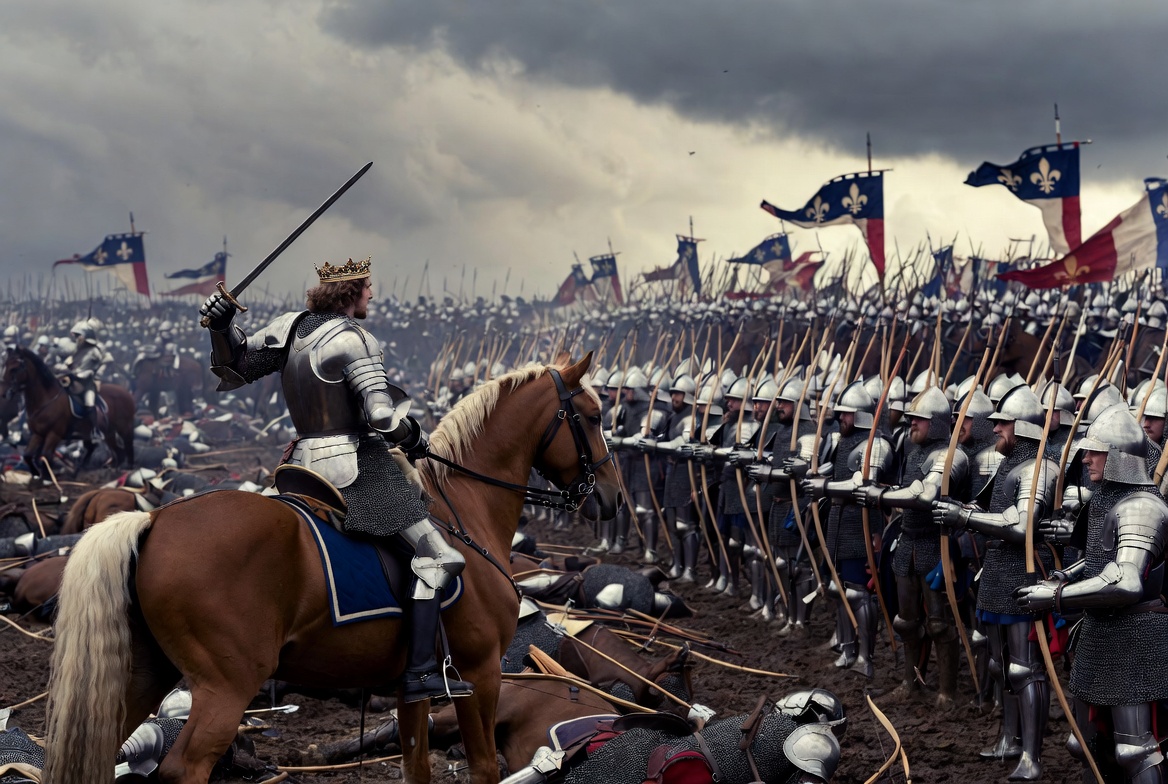
The centerpiece of Shakespeare’s Henry V is the legendary Battle of Agincourt, fought on October 25, 1415. During this astonishing English victory against overwhelming French odds, King Henry V was 29 years old. He was in the absolute prime of his life, a hardened veteran of nearly fifteen years of continuous warfare and border skirmishes.
His Untimely Death
Tragically, Henry’s reign was as brief as it was glorious. While on campaign in France, the king contracted dysentery (then known as the “bloody flux”). He died on August 31, 1422, at the Château de Vincennes. He was only 35 years old, leaving behind an infant son and a power vacuum that would eventually plunge England into the devastating Wars of the Roses.
Shakespeare’s Timeline: The Literary King Henry Age
When we shift from the history books to the stage, the timeline becomes significantly more fluid. Shakespeare was not writing a documentary; he was crafting compelling theater for an Elizabethan audience. Consequently, the apparent age of Prince Hal fluctuates based on the dramatic needs of specific scenes and thematic arcs.
Prince Hal in Henry IV, Part 1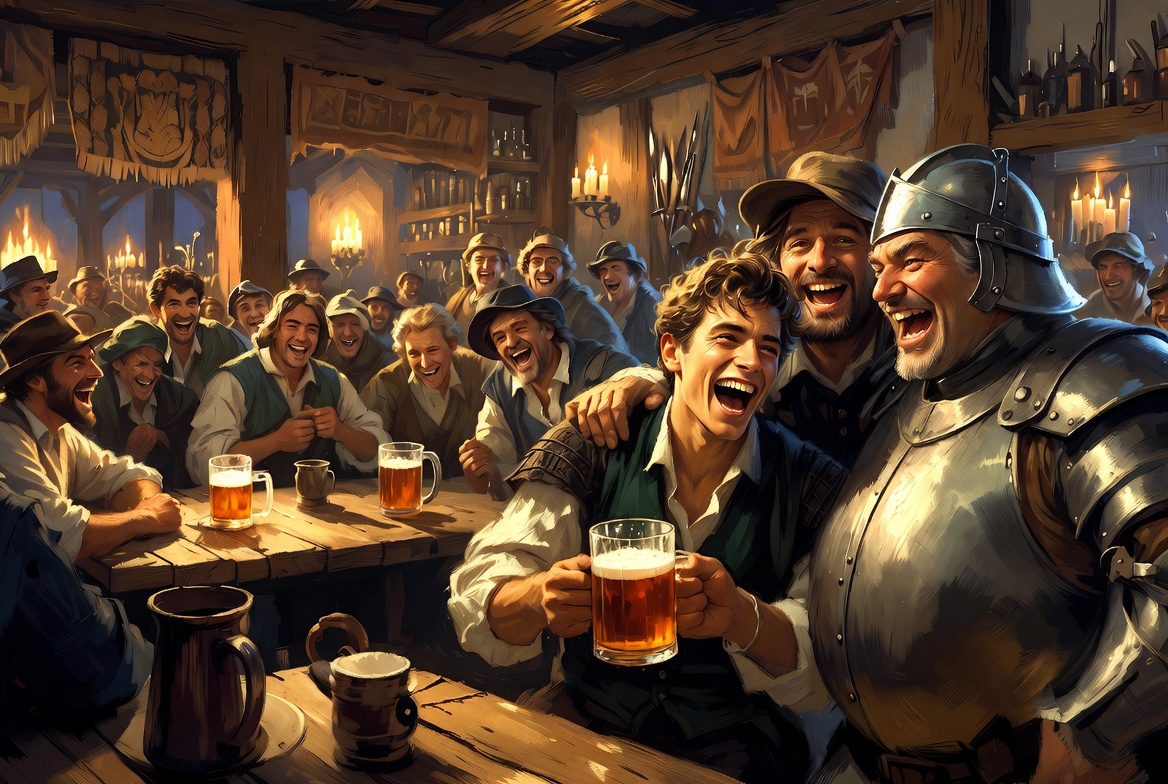
In the opening of the Henriad’s second installment, King Henry IV laments the behavior of his son, wishing that it could be proven that fairies had swapped his child with the valiant Hotspur.
“O, that it could be proved / That some night-tripping fairy had exchanged / In cradle-clothes our children where they lay, / And call’d mine Percy, his Plantagenet!”
Here, Shakespeare commits his most famous temporal manipulation. To create a compelling foil, Shakespeare portrays Hal and Hotspur as direct peers of the exact same age. In historical reality, Henry Percy (Hotspur) was born in 1364—making him 22 years older than Prince Hal, and actually older than King Henry IV himself.
By artificially leveling their ages, Shakespeare elevates the dramatic tension. Hal does not appear as a 16-year-old boy in the Boar’s Head Tavern; he is portrayed as a young man in his early twenties, lingering in a state of arrested development, deliberately delaying his inevitable assumption of royal duty.
The Maturing Monarch in Henry IV, Part 2
The passage of time in this play is deeply deceptive. Historically, the events between the Battle of Shrewsbury (1403) and the death of Henry IV (1413) span a full decade. On stage, however, the narrative feels breathless, compressing ten years of political turbulence into what feels like a few short months.
As King Henry IV declines, we witness the psychological aging of Prince Hal. The physical years matter less than the emotional toll. The famous scene where Hal mistakenly believes his father is dead and tries on the crown signifies his sudden, sobering entry into true adulthood. He casts off his surrogate father, Sir John Falstaff, signaling the death of his youth and the birth of a monarch ready to rule.
The Warrior King in Henry V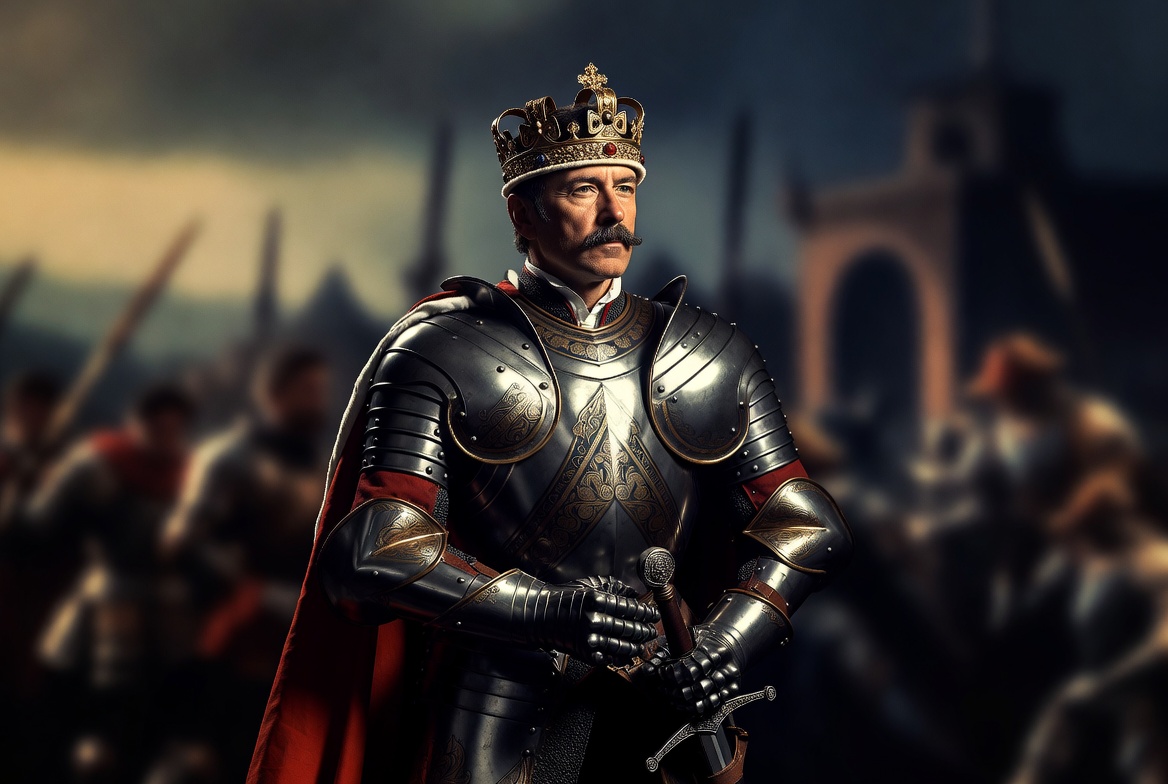
By the time the audience reaches Henry V, the youthful Prince Hal is entirely gone, replaced by a hardened, resolute monarch. Historically, as noted, Henry was 29 years old at the Battle of Agincourt. Thematically, Shakespeare presents him as a man in the absolute prime of his physical and intellectual power, possessing the gravitas of a ruler twice his age.
Interestingly, Shakespeare explicitly acknowledges his manipulation of the timeline in this play. He utilizes a Chorus to constantly remind the audience of the limitations of the theater, urging them to use their “imaginary forces” to compress time and space. The Chorus asks the audience to “piece out our imperfections with your thoughts” and “turning the accomplishment of many years / Into an hour-glass.” This is Shakespeare’s outright admission that the true king henry age and chronological timeline are entirely subservient to the thematic pacing of his narrative.
Why Did Shakespeare Alter the Timeline?
For literary scholars and historians, the discrepancies between the historical record and the theatrical text are not errors; they are deliberate, masterly choices. But why did Shakespeare go to such lengths to alter the timeline of Henry’s life? Establishing this requires looking at the cultural, political, and practical realities of Elizabethan England.
The “Prodigal Son” Narrative
First and foremost, Shakespeare was a dramatist who understood the fundamental mechanics of compelling storytelling. The “Prodigal Son” narrative is one of the most powerful tropes in Western literature. If Shakespeare had presented Henry as a responsible, 16-year-old war hero from the very beginning, there would be no character arc.
By keeping Hal in a state of extended, rebellious adolescence in Henry IV, Part 1, his eventual redemption becomes profoundly dramatic. The audience gets to experience the visceral thrill of watching a wayward youth actively choose honor over hedonism.
Tudor Propaganda and Holinshed’s Chronicles
Shakespeare’s primary historical source was Raphael Holinshed’s Chronicles of England, Scotland, and Ireland (published in 1577 and 1587). Holinshed, writing under the Tudor dynasty, had a vested interest in portraying the Lancastrian kings (from whom the Tudors claimed descent) in a specific light.
Tudor historians heavily emphasized the myth of Henry V’s sudden, miraculous transformation upon taking the crown, likening it to a religious conversion. This served a propagandistic purpose: it suggested that the divine weight of the crown itself possessed the power to instantly mature and elevate the monarch. Shakespeare adopted this “miraculous transformation” framework because it pleased his Elizabethan audience and aligned with the prevailing political orthodoxy of the era.
The Limitations of the Stage
Finally, there is the practical reality of early modern theater. Shakespeare had to distill decades of complex geopolitical history into the “two hours’ traffic of our stage.” It was impossible to accurately depict the slow, grueling passage of time. Aging characters up or down, consolidating years of campaigns into single scenes, and leveling the ages of rivals like Hal and Hotspur were necessary tools of theatrical compression.
The Other Monarchs: Unpacking Every King Henry Age
While Henry V is perhaps the most famous, Shakespeare’s histories cover the reigns of several other monarchs named Henry. To fully understand the concept of the king henry age across the canon, we must examine how Shakespeare handled the lifespans of these other rulers.
King Henry IV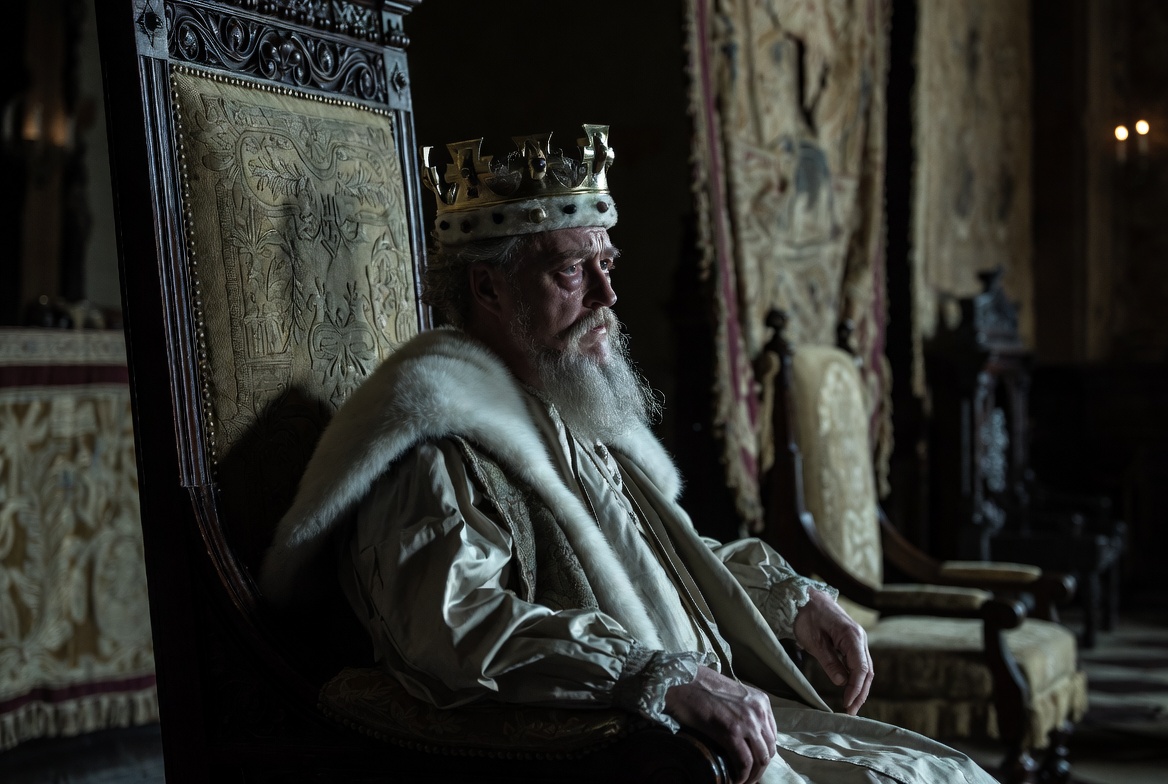
Henry Bolingbroke is introduced in Richard II as a vigorous, capable man of action in his early thirties. However, the moment he usurps the throne, the weight of his guilt and the relentless civil wars age him prematurely. In Henry IV, Part 1 and Part 2, though he is historically only in his early forties, Shakespeare portrays him as an ancient, exhausted, and desperately ill old man. His famous line, “Uneasy lies the head that wears a crown,” perfectly encapsulates how the burden of kingship artificially accelerates the aging process in Shakespeare’s universe.
King Henry VI
In stark contrast to the mature warriors that precede him, Henry VI represents the tragedy of the “boy king.” Historically, Henry VI became king in 1422 at the age of just nine months following the sudden death of Henry V.
Shakespeare’s Henry VI trilogy leans heavily into the vulnerability of his youth. Even as the character ages physically throughout the three plays, he remains perpetually naive, pious, and politically infantile. His “age” in these plays is defined by his innocence, which creates a dangerous power vacuum that ultimately unleashes the bloody Wars of the Roses.
King Henry VIII
In Henry VIII (one of Shakespeare’s final plays, co-written with John Fletcher), the focus is on a much later period in the monarch’s life. Shakespeare bypasses the athletic, Renaissance-prince era of Henry’s youth. Instead, the play captures a mature, formidable king navigating the complex divorce from Katherine of Aragon and his marriage to Anne Boleyn. The timeline here is again compressed, focusing not on his chronological age, but on his absolute, terrifying authority as a mature sovereign, culminating in the birth of the future Queen Elizabeth I.
Expert Insights: Literary Criticism and Historical Fact
Modern Shakespearean scholars universally agree that attempting to pin down a mathematically accurate timeline in the history plays is a fool’s errand. As renowned literary critic Marjorie Garber has frequently noted in her analyses of the history plays, Shakespeare treats time not as a measurable constant, but as a thematic variable.
The consensus among experts is that in the Henriad, age is psychological rather than chronological. Prince Hal’s youth is defined by his association with the Boar’s Head Tavern and Falstaff. His adulthood is defined by his association with the royal court and the battlefield. The transition between the two is marked not by the turning of calendar pages, but by moments of profound moral choice.
Frequently Asked Questions (FAQ)
To clear up the most common historical and literary confusions, here are quick answers to the most frequently asked questions regarding the timeline of Shakespeare’s famous king:
How old was Henry V when he became king? Historically, King Henry V ascended to the throne in 1413 at the age of 26.
How old was Henry V at the Battle of Agincourt? During the famous Battle of Agincourt on October 25, 1415, Henry V was 29 years old.
Why did Shakespeare change Hotspur’s age? In reality, Hotspur was 22 years older than Prince Hal. Shakespeare made them the exact same age in Henry IV, Part 1 to create a direct, compelling peer rivalry and to highlight the contrasting definitions of honor between the two young men.
How old was Henry V when he died? King Henry V died of dysentery in 1422 at the tragically young age of 35, cutting short one of the most successful military reigns in English history.
How long did King Henry V rule? His reign lasted for exactly nine years and five months (March 1413 to August 1422).
The Timelessness of Shakespeare’s Kings
When we investigate the true king henry age, we uncover the brilliant machinery behind Shakespeare’s theatrical magic. The historical Henry of Monmouth was a teenaged warrior who took an arrow to the face and grew into a ruthless, highly effective monarch who died too young at 35.
But the literary King Henry—the Hal who carouses with Falstaff, fights Hotspur, and rallies his “band of brothers” on St. Crispin’s Day—exists outside the strict bounds of chronological time. Shakespeare altered ages, compressed decades, and ignored historical records to capture something far more important than mere facts: the universal human experience of growing up, leaving the irresponsibility of youth behind, and shouldering the heavy burdens of adulthood.
Ultimately, Shakespeare’s genius lies in proving that a king’s true age is not measured in years, but in the weight of the crown he chooses to bear.