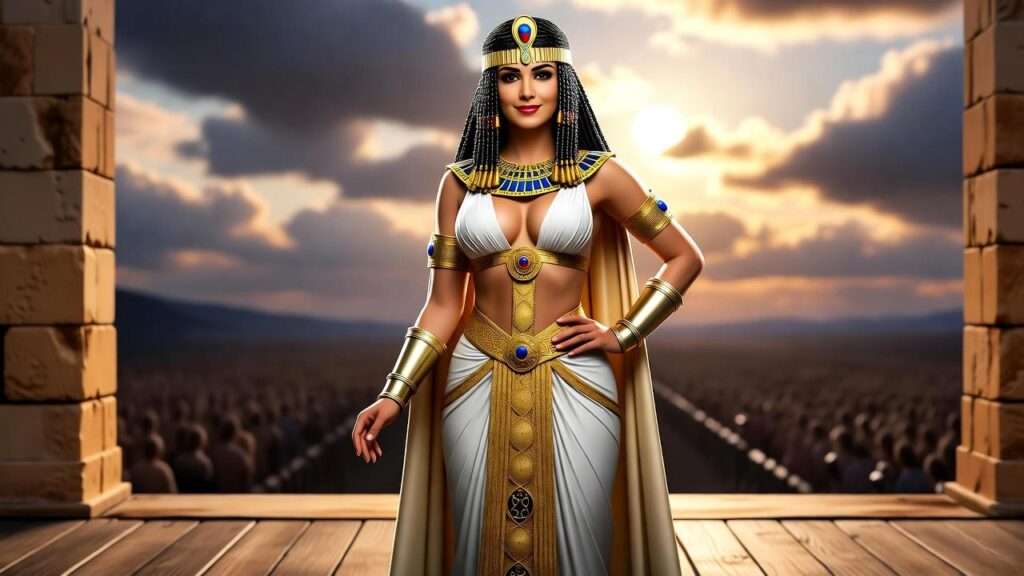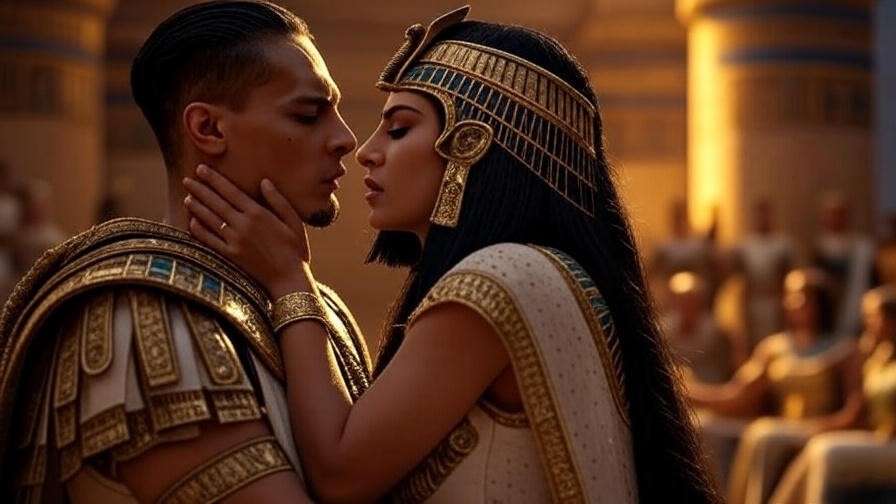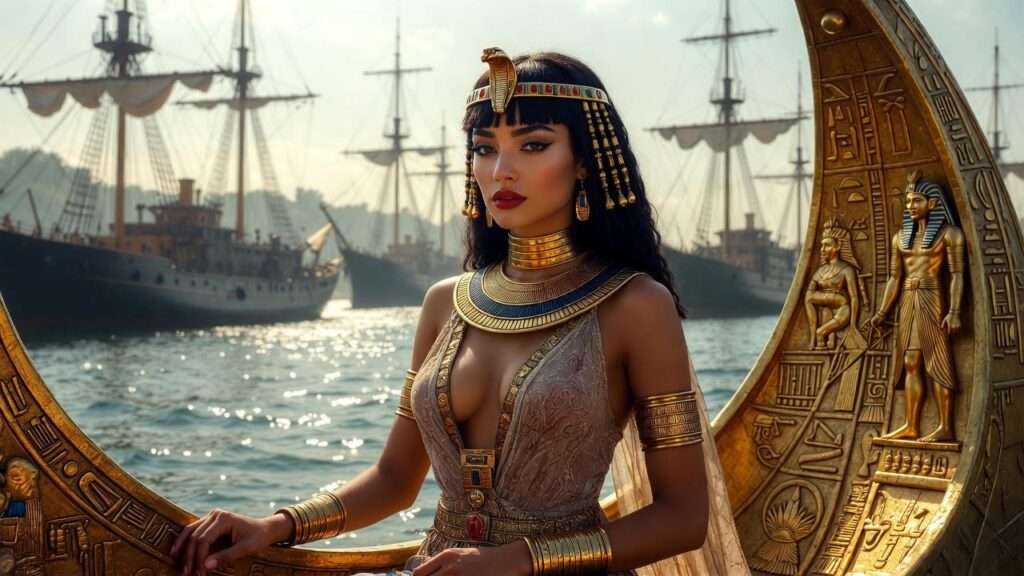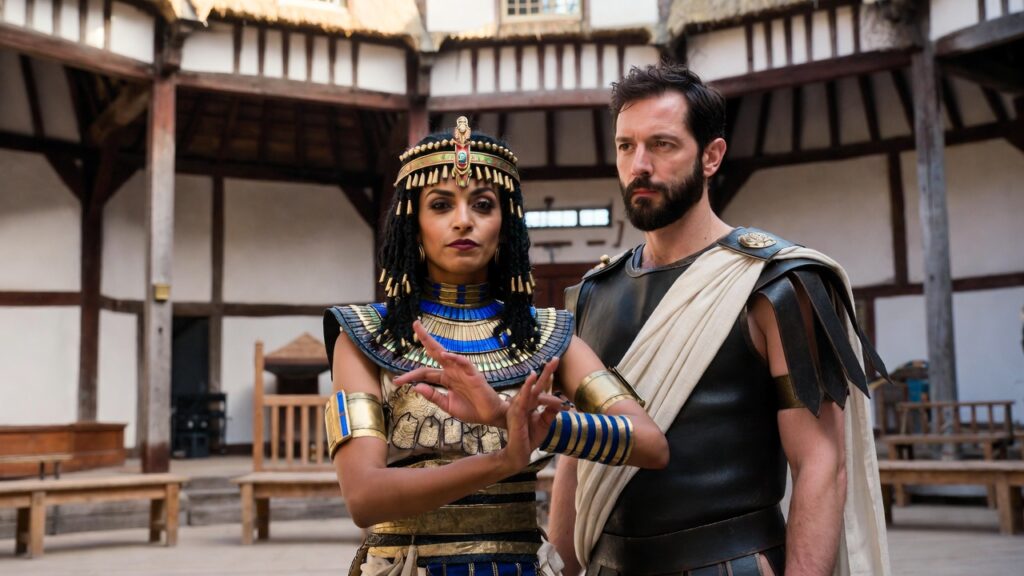
Imagine the iconic Thames-side wooden O of Shakespeare’s Globe bathed in late summer light, the groundlings shifting restlessly as the Egyptian court bursts into vivid, silent motion. Hands weave poetry in the air—curving like the Nile, sharp as asp venom—while Roman senators boom their commands in crisp spoken English. The clash isn’t just political; it’s linguistic, cultural, and profoundly visual. For the first time, Shakespeare’s tale of doomed passion and empire-shattering love unfolds in two languages simultaneously: British Sign Language (BSL) for the sensual, mercurial Egyptians and Spoken English for the disciplined, calculating Romans.
This is Antony and Cleopatra the Globe in its 2024 incarnation—the first staging of the play at Shakespeare’s iconic venue in a decade—and it stands as one of the most innovative and inclusive interpretations in recent memory. Directed by Blanche McIntyre with associate direction from Charlotte Arrowsmith, this bilingual production (running from 4 August to 15 September 2024) blended BSL, Sign Shakespeare (SSL), and sign theatre techniques to breathe fresh physicality into Shakespeare’s dense, sprawling tragedy. Deaf actor Nadia Nadarajah delivered a commanding, regal Cleopatra, opposite John Hollingworth’s torn, charismatic Mark Antony, earning widespread praise for performances that transcended language barriers.
Whether you’re a longtime Shakespeare enthusiast, a student dissecting the Roman plays, a theatre lover drawn to experimental staging, or someone passionate about accessible arts, this production offered something rare: deeper insight into the text’s themes of division, communication, and cross-cultural misunderstanding—made literal and visceral through its bilingual approach. In this comprehensive guide, we explore the play itself, the Globe’s history with it, the groundbreaking elements of the 2024 revival, standout performances, critical reception, and why this staging matters for modern audiences.
Overview of Shakespeare’s Antony and Cleopatra – The Play’s Epic Scope
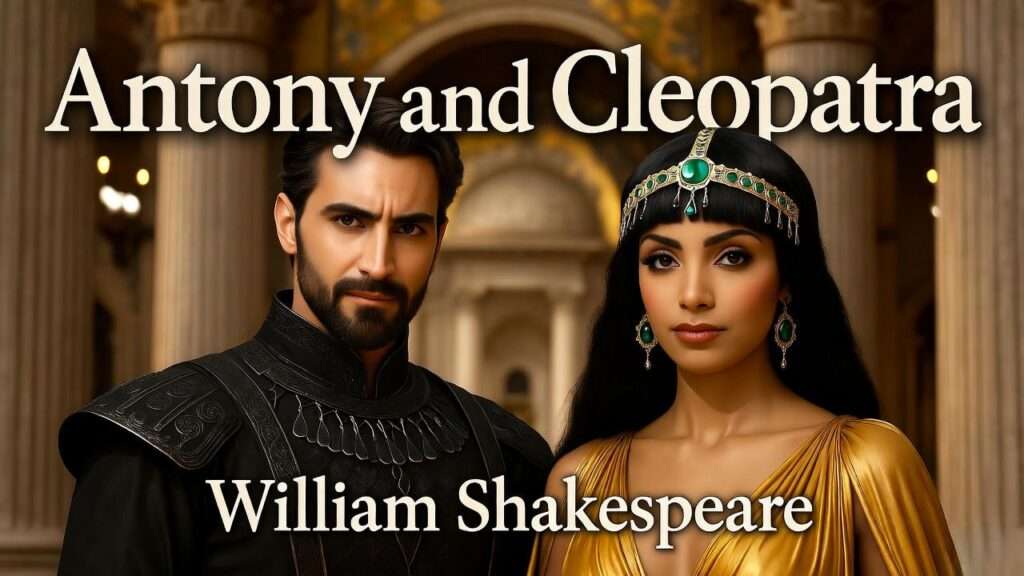
Shakespeare’s Antony and Cleopatra (c. 1606–1607) is one of his most ambitious tragedies, blending history, romance, and politics across the Mediterranean world. Following the assassination in Julius Caesar, the action centers on Roman triumvir Mark Antony’s intoxicating affair with Egyptian queen Cleopatra. Their love threatens the stability of the Roman Empire as Octavius Caesar consolidates power, forcing Antony to choose between passion and duty.
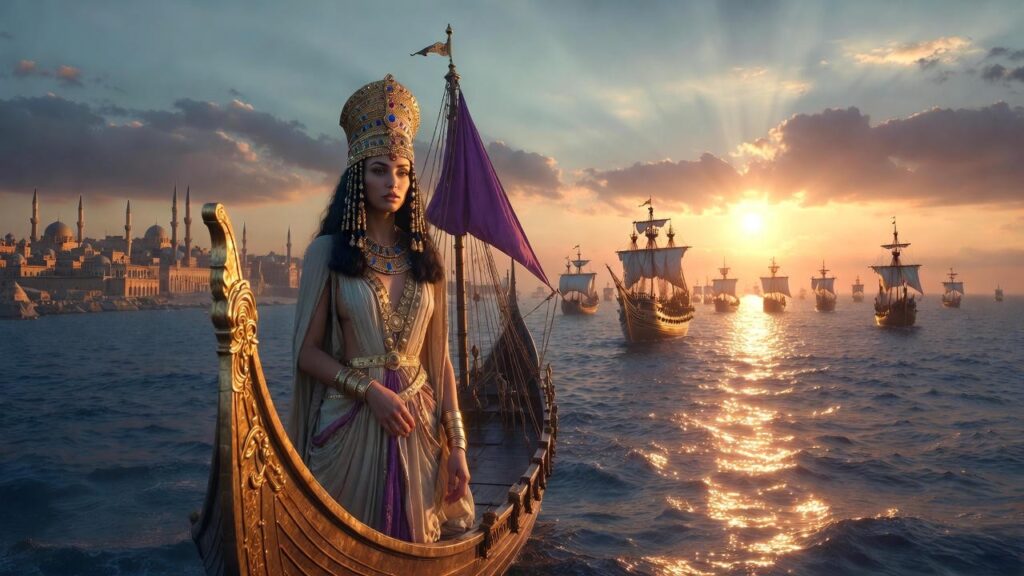
The play’s structure is deliberately fragmented—sprawling across Egypt, Rome, Athens, and battlefields—mirroring the chaos of divided loyalties. Shakespeare’s language shifts from lofty rhetoric (“The barge she sat in, like a burnished throne”) to bawdy wit and biting irony, creating tonal whiplash that challenges directors and audiences alike. Core themes include:
- Love versus duty: Antony’s entanglement with Cleopatra erodes his military prowess.
- Cultural clash: Sensual, fluid Egypt versus austere, ordered Rome—often framed as East versus West.
- Power dynamics and gender: Cleopatra wields immense influence through charm, intelligence, and sexuality.
- Mortality and legacy: The lovers seek immortality through their passion, even as empire crumbles.
These elements make the play notoriously difficult to stage. Its length, rapid scene changes, and reliance on reported action demand inventive direction—precisely what the Globe’s open-air, thrust-stage venue excels at providing.
Antony and Cleopatra at Shakespeare’s Globe – A Brief Production History
Shakespeare’s Globe has a rich, if intermittent, relationship with Antony and Cleopatra. The play likely premiered in the original Globe or Blackfriars around 1607, though records are sparse. Modern revivals include:
- 1999: An all-male production directed by Giles Block, with Mark Rylance as Cleopatra—emphasizing Elizabethan cross-dressing traditions.
- 2006: Dominic Dromgoole’s staging with Frances Barber as a fiery Cleopatra.
- 2014: Eve Best and Clive Wood in a more traditional take, praised for chemistry but criticized for uneven pacing.
After a decade’s absence, the 2024 production marked a bold return. The Globe’s unique Elizabethan-style theatre—open to the sky, with standing groundlings close to the action—amplifies the play’s epic scale while fostering intimacy. Daylight performances and audience interaction heighten the immediacy of Shakespeare’s language, making the cultural and linguistic divides in this bilingual version even more striking.
The 2024 Bilingual Production – What Made It Groundbreaking
Directed by Blanche McIntyre (known for her fresh takes on Shakespeare at the Globe, including Measure for Measure), the 2024 revival was conceived as a bilingual spectacle. Romans spoke Shakespeare’s English; Egyptians signed primarily in BSL, with some scenes fully signed, some spoken, and crossover moments blending both. Creative captions (surtitles) translated everything for hearing audiences, while every performance was captioned and some relaxed or audio-described.
This wasn’t mere accessibility gimmickry. The language divide embodied the play’s central tension: Egypt’s expressive, embodied sensuality versus Rome’s verbal restraint. BSL added physical poetry—Cleopatra’s fury rippling through fluid gestures, Antony’s hesitant signing in intimate moments—deepening emotional resonance. Associate Director Charlotte Arrowsmith, BSL consultant Daryl Jackson, and access features ensured authenticity and inclusivity.
Challenges included energy shifts between languages and audience attention (hearing viewers toggling between actors and surtitles), but triumphs abounded: greater Deaf representation, thematic enhancement, and broader reach.
Key Creative Team and Design Choices
- Designer: Simon Daw—contrasting opulent Egyptian visuals with stark Roman minimalism.
- Fight & Intimacy Directors: Rc-Annie (Rachel Bown-Williams and Ruth Cooper-Brown)—handling passionate encounters sensitively.
- Access Consultant: Ensuring BSL integration felt organic rather than additive.
Standout Performances in the 2024 Cast
Nadia Nadarajah’s Cleopatra was the production’s beating heart. A Deaf actor with prior Globe experience, she brought mercurial intensity—regal command, obsessive passion, quick temper—through expansive, eloquent signing. Critics lauded her physicality: sweeping gestures that made Shakespeare’s imagery leap off the page, humor in messenger scenes, and raw vulnerability in suicide preparations.
John Hollingworth’s Mark Antony balanced military swagger with inner conflict. His occasional signing in love scenes created tender intimacy, highlighting Antony’s cultural crossing. Supporting standouts included:
- Daniel Millar as Enobarbus—delivering the famous “barge” speech with gravitas, enhanced by visual echoes in BSL ensemble work.
- Bert Seymour as Octavius Caesar—cold, calculating precision.
- Ensemble versatility (e.g., Nadeem Islam’s comedic messenger, Zoë McWhinney’s Charmian) added humor and depth.
How Bilingualism Enhances Shakespeare’s Themes
The genius of the 2024 Globe production lies in how deliberately it weaponised bilingualism to illuminate the play’s deepest concerns. Shakespeare already constructs a stark binary: the voluptuous, unpredictable world of Egypt versus the cold, rational machinery of Rome. By assigning BSL to the Egyptian court and Spoken English to the Romans, director Blanche McIntyre and her team made that binary visible, audible, and tactile.
Consider the famous first entrance of Cleopatra. In traditional productions, her attendants chatter and tease in verse. Here, they signed with sweeping, liquid movements—arms undulating like the river itself—while Cleopatra’s own gestures were larger, more commanding, more sensual. The contrast was immediate and visceral: hearing audiences could read the spoken Roman world as familiar and structured, while the signed Egyptian world felt exotic, embodied, almost otherworldly. This staging choice turned a textual metaphor into a lived theatrical reality.
Key thematic enhancements included:
- Communication and misunderstanding The lovers’ most intimate exchanges often occurred when Antony attempted to sign. These halting, earnest gestures underscored the fragility of their connection across cultural (and now literal linguistic) divides. When Antony signed “Eternity was in our lips and eyes” (Act 1, Scene 3), the physical effort required amplified the line’s desperate romanticism.
- Power, gender, and agency Nadia Nadarajah’s Cleopatra wielded BSL like a royal sceptre. Her signing was never diminished or secondary; it dominated the stage. Moments of fury—slapping messengers, berating Antony—gained explosive physicality through expansive arm sweeps and sharp, precise handshapes. This empowered Cleopatra in a way that purely spoken performances sometimes struggle to achieve, reinforcing her as a political equal rather than merely a seductive distraction.
- East vs. West in the modern era The production quietly invited reflection on contemporary global tensions: cultural stereotyping, the politics of language dominance, and the beauty of hybrid identities. By refusing to make one language “translate” the other completely, it honoured the play’s refusal to resolve its central oppositions.
Critics repeatedly noted that the bilingual framework made the tragedy feel newly urgent. The Guardian described it as “a production that speaks in two tongues and yet is understood by all,” while The Stage praised how “the signing does not merely accommodate; it enriches and reinterprets.”
Critical Reception and Audience Impact
Reviews of the 2024 production were broadly positive, with particular acclaim for its ambition, inclusivity, and performances—though some reviewers expressed reservations about pacing and the demands placed on hearing audiences.
- The Guardian (4/5): “A landmark of accessibility and theatrical imagination… Nadarajah’s Cleopatra is magnificent, mercurial, magnificent.”
- The Stage (4/5): “Clever, bold, epic… the bilingual conceit pays dividends in emotional clarity.”
- Broadway World (highly recommended): “John Hollingworth and Nadia Nadarajah deliver chemistry that crackles across the linguistic divide.”
- Time Out (3/5): Appreciated the concept but found some energy dips when switching between languages.
- Evening Standard (3/5): Felt the surtitles occasionally pulled focus from the actors.
Audience response, judging from social media posts, post-show discussions, and Globe feedback channels, leaned strongly enthusiastic—especially among Deaf and hard-of-hearing theatregoers who rarely see themselves represented in leading Shakespearean roles. Many hearing audience members reported that the visual language actually clarified complex speeches (particularly Enobarbus’s barge monologue, where signed echoes from the ensemble created layered meaning).
The production also attracted first-time Globe visitors interested in inclusive theatre, broadening the venue’s demographic reach in line with its mission.
Comparing the 2024 Production to Previous Globe Stagings
The Globe’s previous Antony and Cleopatra revivals tended toward textual fidelity and period-inspired design:
- 1999 (all-male, Mark Rylance as Cleopatra) emphasised Elizabethan theatrical convention.
- 2006 (Frances Barber) leaned into star power and sensuality.
- 2014 (Eve Best) offered a more psychologically realist reading.
The 2024 version stands apart in two major ways:
- Language as directorial concept — Previous productions treated Shakespeare’s English as the sole vehicle for meaning. Here, BSL became a co-equal dramaturgical tool.
- Deaf leadership in a titular role — Nadia Nadarajah’s casting marked the first time a Deaf actor played Cleopatra at the Globe (and one of the most high-profile Deaf lead performances in mainstream Shakespeare globally).
This evolution reflects broader shifts in British theatre toward authentic representation and multimodal storytelling.
Why This Production Matters Today – Timeless Insights from Antony and Cleopatra
In 2024—and still resonant in 2026—Antony and Cleopatra speaks directly to fractured leadership, the seductive pull of personal desire over public responsibility, and the cost of failing to bridge cultural divides. The bilingual staging added another layer: a reminder that true communication requires effort, vulnerability, and sometimes translation across seemingly incompatible systems.
For students and scholars, the production offers rich material for essays on adaptation, accessibility, multimodal theatre, and postcolonial readings of Shakespeare’s Egypt/Rome binary. For general audiences, it proves that four-hundred-year-old texts can still surprise and move us when reimagined with courage and care.
Practical tips for engaging with the play today:
- Read the text alongside watching key scenes (the barge speech, the monument death scenes) to appreciate how BSL added nuance.
- Seek out Sign Shakespeare resources or BSL-interpreted clips online.
- Attend future accessible Shakespeare productions—many regional theatres now offer BSL-integrated or captioned shows.
- If the Globe ever releases a full recording via Globe Player, it will be essential viewing.
FAQs About Antony and Cleopatra the Globe
What was special about the 2024 Globe production? It was the first bilingual (Spoken English + BSL) staging of the play at the Globe, with Deaf actor Nadia Nadarajah as Cleopatra. The language divide mirrored the play’s cultural and emotional oppositions, creating a visually rich, inclusive experience.
Who played Cleopatra and Antony in 2024? Cleopatra: Nadia Nadarajah (Deaf actor, signing in BSL). Mark Antony: John Hollingworth (primarily spoken English, with some signing).
Is the production available to watch online? As of early 2026, no official full recording has been released on Globe Player or other platforms. Check Shakespeare’s Globe’s website or social channels for updates on archival footage or future digital access.
How does BSL change understanding of the play? It makes the cultural clash literal and physical. Signed Egyptian scenes feel more embodied and sensual; intimate signed moments between the lovers deepen emotional stakes; Cleopatra’s agency is amplified through commanding physicality.
When was Antony and Cleopatra last at the Globe before 2024? 2014, directed by Jonathan Munby, with Eve Best as Cleopatra and Clive Wood as Antony.
Best scenes to watch for BSL impact?
- Cleopatra’s first entrance and banter with attendants
- The lovers’ reconciliation scenes (Act 4)
- Enobarbus’s “barge” speech and its visual echoes
- Cleopatra’s final monument sequence
Shakespeare’s Globe 2024 production of Antony and Cleopatra will be remembered as a landmark—not only for its bold inclusivity but for the way it used bilingualism to unlock new layers of meaning in one of the canon’s most challenging tragedies. By letting BSL and Spoken English coexist rather than compete, Blanche McIntyre’s team reminded us that love, power, and empire are never simple binaries. They are collisions—beautiful, painful, and sometimes untranslatable.
Yet in that collision lies eternity: “Age cannot wither her, nor custom stale / Her infinite variety.” Nadia Nadarajah’s Cleopatra proved those lines anew, not through speech alone, but through gesture, presence, and uncompromising vision. Whether you experienced the production live under the open London sky or are discovering it now through reviews, scholarship, and reflection, this staging stands as powerful evidence that Shakespeare continues to evolve—and that the most vital interpretations often come from those willing to speak (and sign) in more than one tongue.