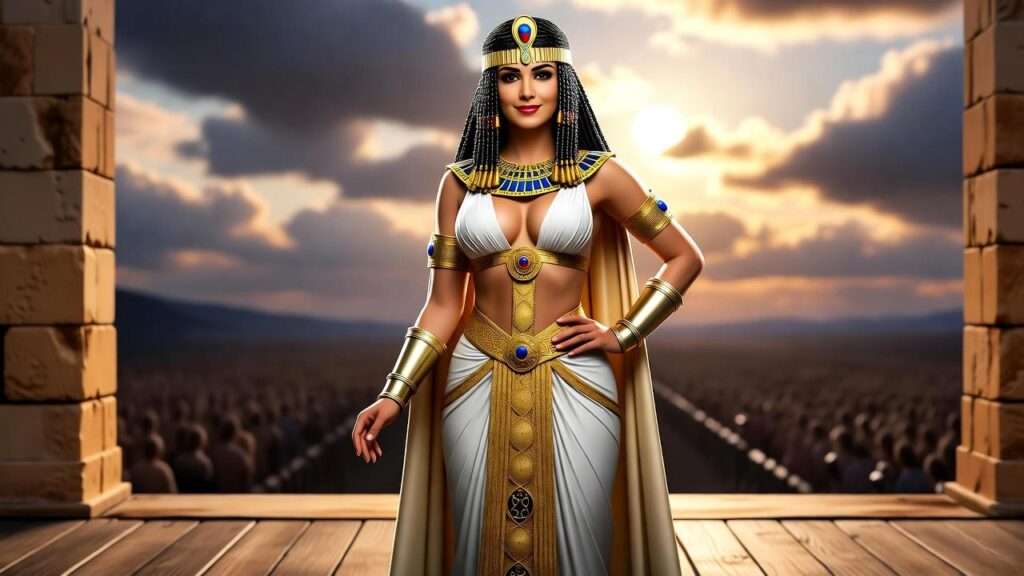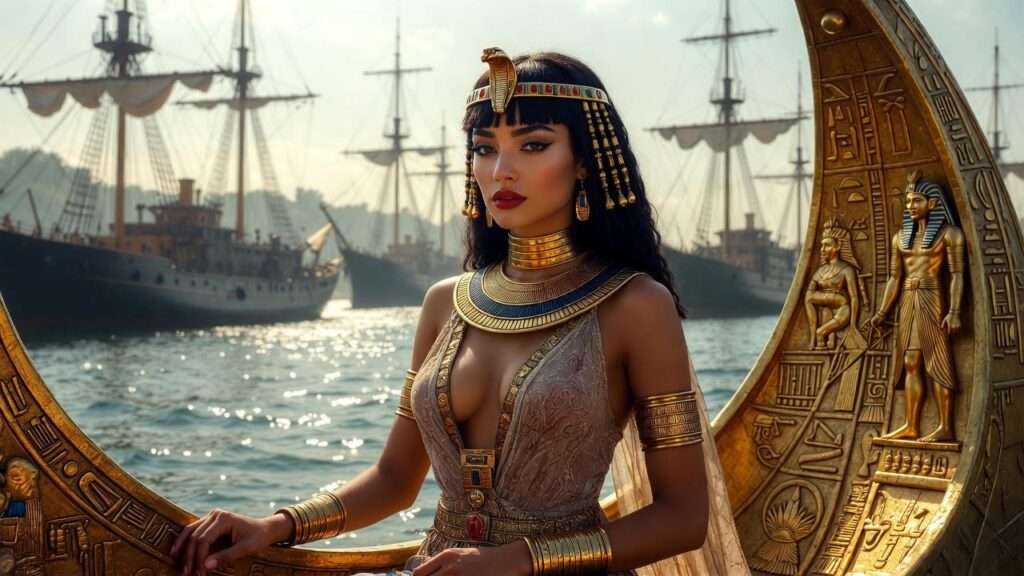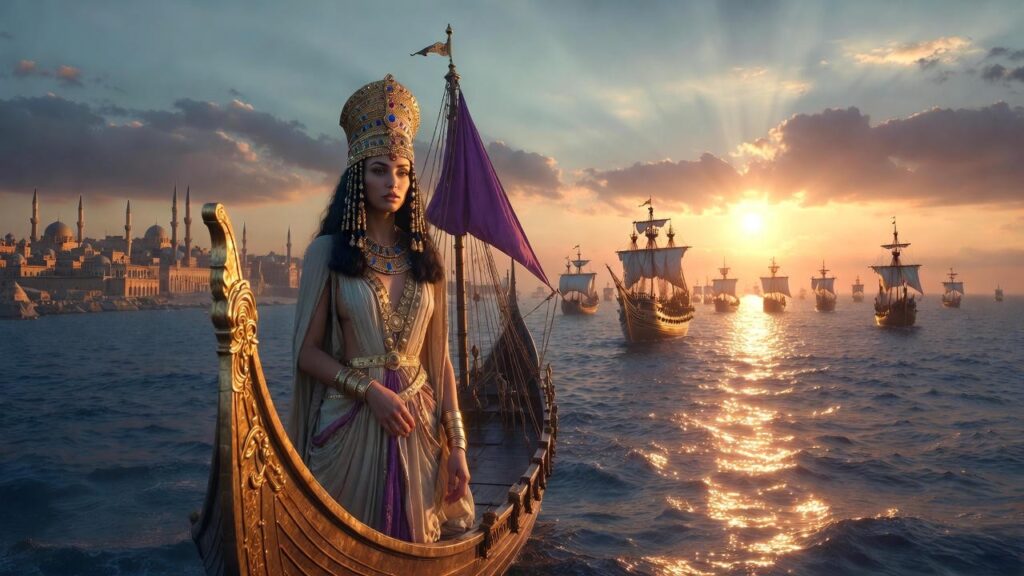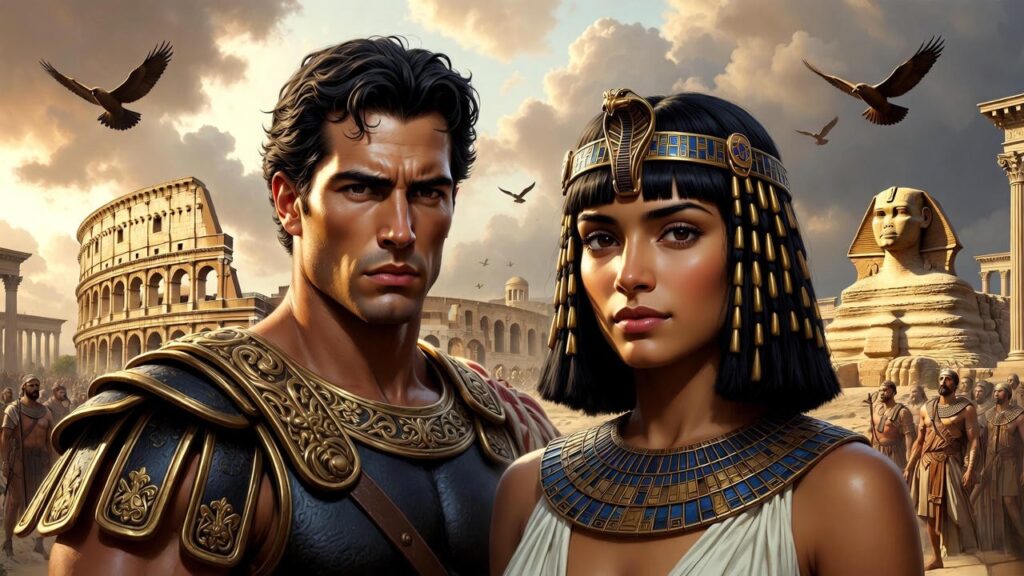
“The barge she sat in, like a burnish’d throne, Burn’d on the water: the poop was beaten gold; Purple the sails, and so perfumed that The winds were love-sick with them…”
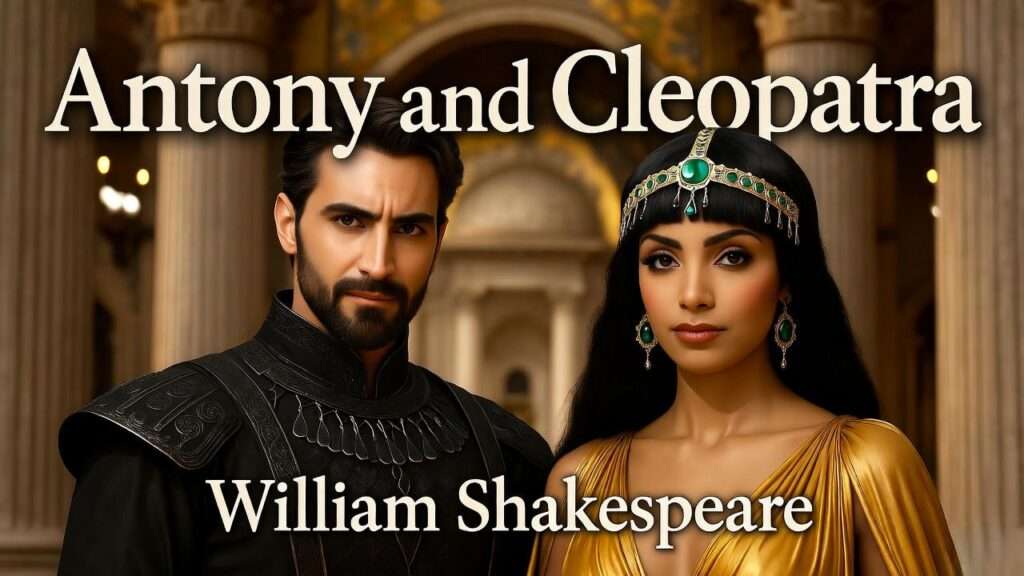
Enobarbus’s unforgettable description of Cleopatra on her golden barge (Act 2, Scene 2) captures the intoxicating grandeur that defines Shakespeare’s Antony and Cleopatra. Few plays in the canon blend raw passion, political intrigue, and poetic splendor quite like this late tragedy. What makes the Antony & Cleopatra characters so enduringly fascinating is their profound complexity—flawed, multifaceted individuals whose personal desires collide with the fate of empires.
Whether you’re a student preparing for an exam, a theater enthusiast analyzing a production, or a lifelong Shakespeare reader seeking deeper insight, understanding the full cast of characters is essential to appreciating the play’s themes of love versus duty, East versus West, and the fragility of power. This comprehensive guide provides a complete list of characters, in-depth analysis of major and supporting figures, historical context, thematic connections, notable performances, and practical tips—all drawn from close reading of the text, Plutarch’s Lives, and scholarly criticism.
By the end, you’ll have a richer grasp of why these tragic figures continue to captivate audiences more than 400 years after the play’s first performance around 1607.
Historical Context and Shakespeare’s Sources
Shakespeare did not invent the story of Mark Antony and Cleopatra. His primary source was Sir Thomas North’s 1579 translation of Plutarch’s Parallel Lives, specifically the lives of Antony and Demetrius. Plutarch, writing over a century after the events, offered a moralizing Roman perspective on the lovers’ downfall.
Key differences between history and Shakespeare’s dramatization include:
- Historical Mark Antony: A brilliant but impulsive general who helped defeat Brutus and Cassius at Philippi, later forming the Second Triumvirate with Octavius and Lepidus.
- Historical Cleopatra VII: A shrewd Hellenistic ruler of Greek-Macedonian descent, skilled in languages and diplomacy, who bore children with both Julius Caesar and Antony.
- Octavius Caesar: The calculating heir who became Rome’s first emperor, Augustus.
Shakespeare compresses events, heightens emotional intensity, and shifts focus from Roman historiography to tragic romance. He transforms Plutarch’s prose—especially the famous barge description—into transcendent poetry while exploring universal human contradictions.
Understanding these sources enriches analysis of character motivations and reveals Shakespeare’s artistic genius in adapting history for the stage.
Complete List of Characters in Antony and Cleopatra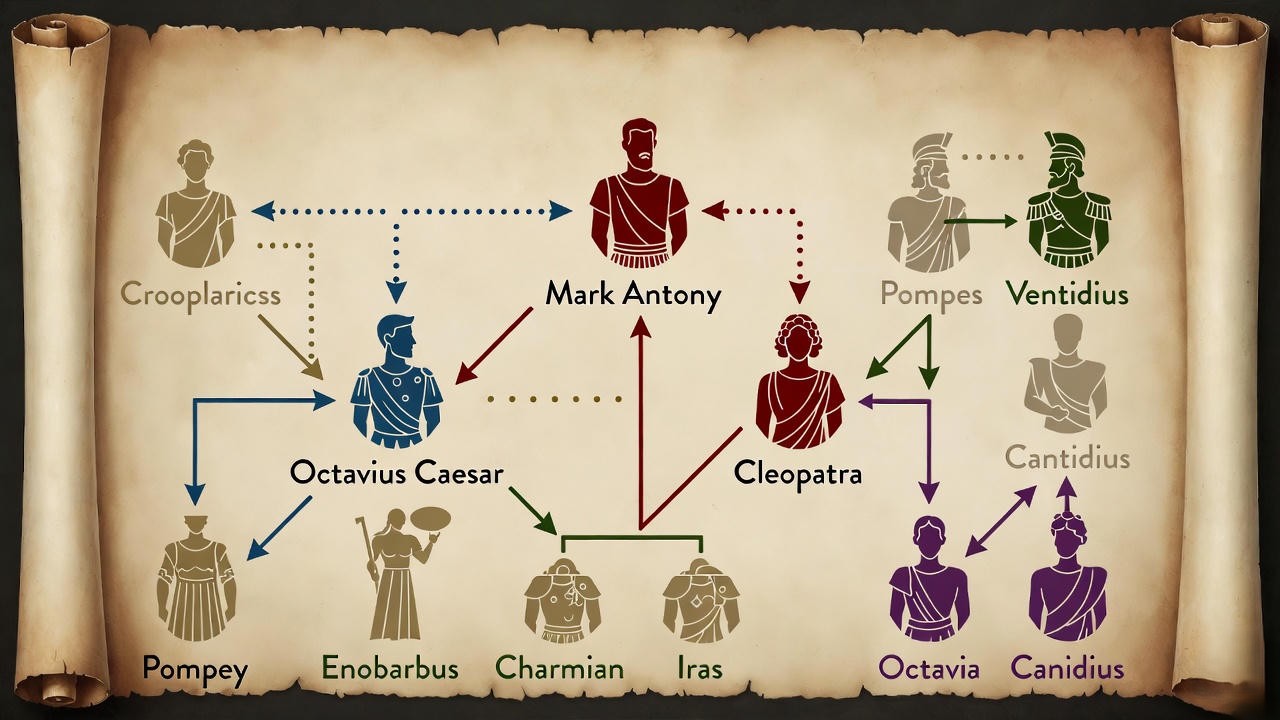
Shakespeare’s play features one of the largest casts in his oeuvre—over 40 speaking roles—reflecting the sprawling scope from Rome to Egypt. Below is a complete, organized list with brief descriptions.
Roman Characters (Triumvirate and Allies)
- Mark Antony – Triumvir, legendary soldier, tragic hero torn between duty and love.
- Octavius Caesar – Triumvir, future Augustus; cold, ambitious politician.
- Lepidus – Triumvir; weak, conciliatory figure overshadowed by the others.
- Octavia – Octavius’s sister; virtuous Roman lady married to Antony for political alliance.
- Enobarbus (Domitius Enobarbus) – Antony’s loyal lieutenant and confidant; pragmatic observer.
- Sextus Pompeius (Pompey) – Rebel son of Pompey the Great; naval threat to the Triumvirate.
- Menas – Pompey’s pirate lieutenant.
- Menecrates – Another of Pompey’s pirates.
- Ventidius – Antony’s general in Parthia.
- Silius – Officer under Ventidius.
- Scarus – Antony’s soldier.
- Canidius – Antony’s lieutenant.
- Dercetas, Demetrius, Philo – Antony’s followers.
- Eros – Antony’s faithful attendant who refuses to kill him.
- Schoolmaster – Antony’s ambassador to Octavius.
Egyptian Characters
- Cleopatra – Queen of Egypt; charismatic, theatrical ruler and lover.
- Charmian – Cleopatra’s loyal attendant.
- Iras – Cleopatra’s attendant.
- Alexas – Cleopatra’s eunuch servant.
- Mardian – Another eunuch in Cleopatra’s court.
- Seleucus – Cleopatra’s treasurer.
- Diomedes – Cleopatra’s secretary.
Other Characters
- Soothsayer – Mysterious fortune-teller who warns Antony.
- Clown – Rustic figure who brings Cleopatra the asp.
- Various messengers, soldiers, eunuchs, guards, and attendants.
This expansive ensemble underscores the play’s epic scale and the constant interplay between public politics and private passion.
Major Characters – In-Depth Analysis
Mark Antony – The Tragic Hero Divided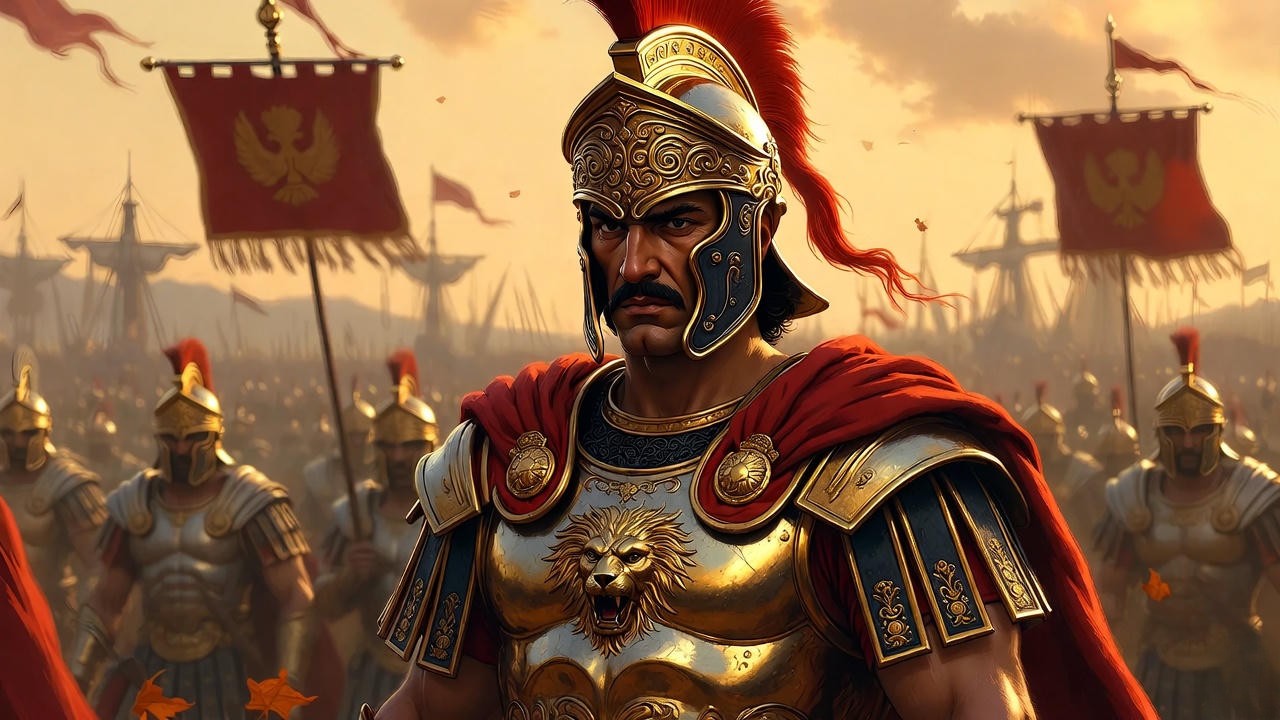
Mark Antony embodies the classic Shakespearean tragic flaw: a noble figure undone by internal contradiction. Described early as “the triple pillar of the world transform’d / Into a strumpet’s fool” (Act 1, Scene 1), Antony is both heroic soldier and indulgent lover.
His arc traces decline from triumphant Roman general—fresh from victory over Brutus—to a man who neglects duty for Egyptian pleasure. Yet Shakespeare humanizes him: Antony’s generosity, charisma, and final dignity (“I am Antony yet”) elevate him above mere weakness.
Key relationships:
- With Cleopatra: Passionate, volatile love that oscillates between ecstasy and jealousy.
- With Octavius: Former brotherhood eroded by rivalry.
- With Enobarbus: Mirror of loyalty and eventual betrayal.
Symbolically, Antony represents the sensual East against Roman restraint. Compared to other Shakespearean heroes, he shares Othello’s jealousy and Macbeth’s ambition but uniquely embraces excess as part of his grandeur.
Cleopatra – Queen, Lover, Performer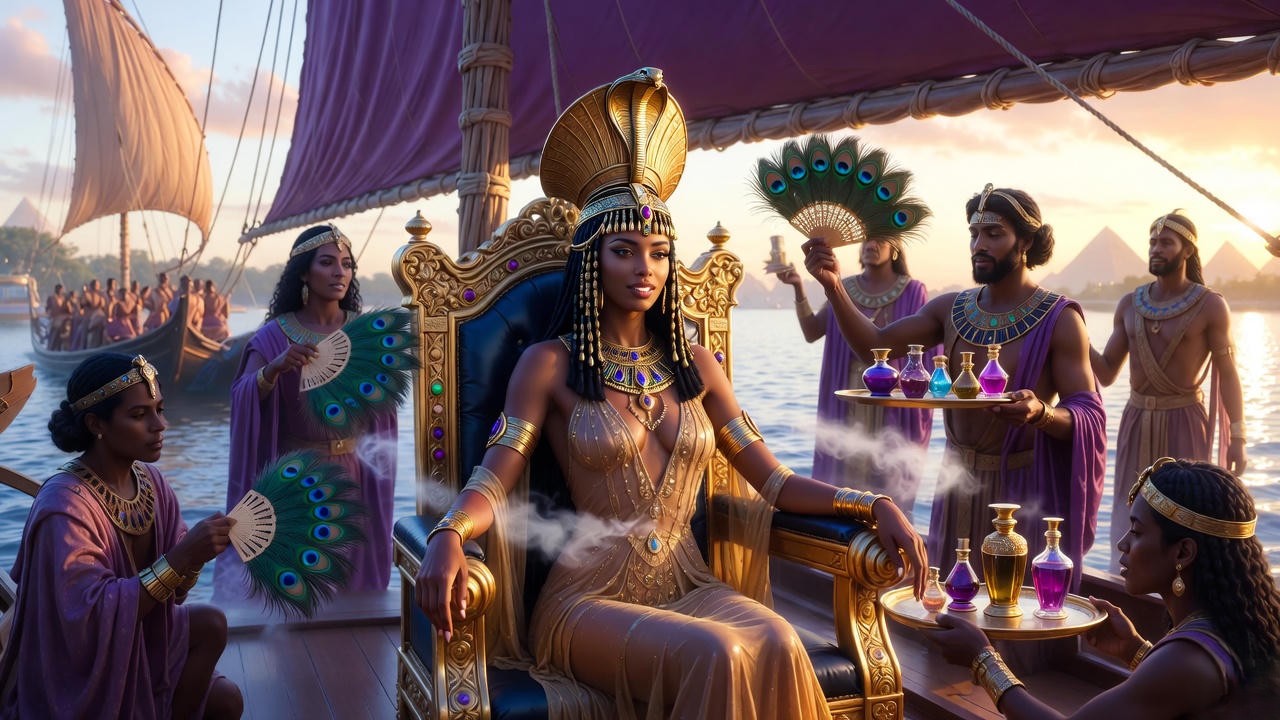
Cleopatra is arguably Shakespeare’s most complex female character—a blend of political strategist, seductive performer, mother, and tragic queen. Far from a mere temptress, she is “royal wench” and “serpent of old Nile,” constantly performing identity (“I am again for Cydnus”).
Her development moves from playful manipulation to profound grief and heroic suicide. Lines like “I have immortal longings in me” (Act 5, Scene 2) reveal transcendent ambition.
Historically, Roman propaganda painted Cleopatra as decadent foreigner; Shakespeare complicates this, giving her agency and wit. Modern productions often explore race, gender, and postcolonial themes—evident in acclaimed recent portrayals that highlight her intelligence and sovereignty.
Octavius Caesar – The Architect of Empire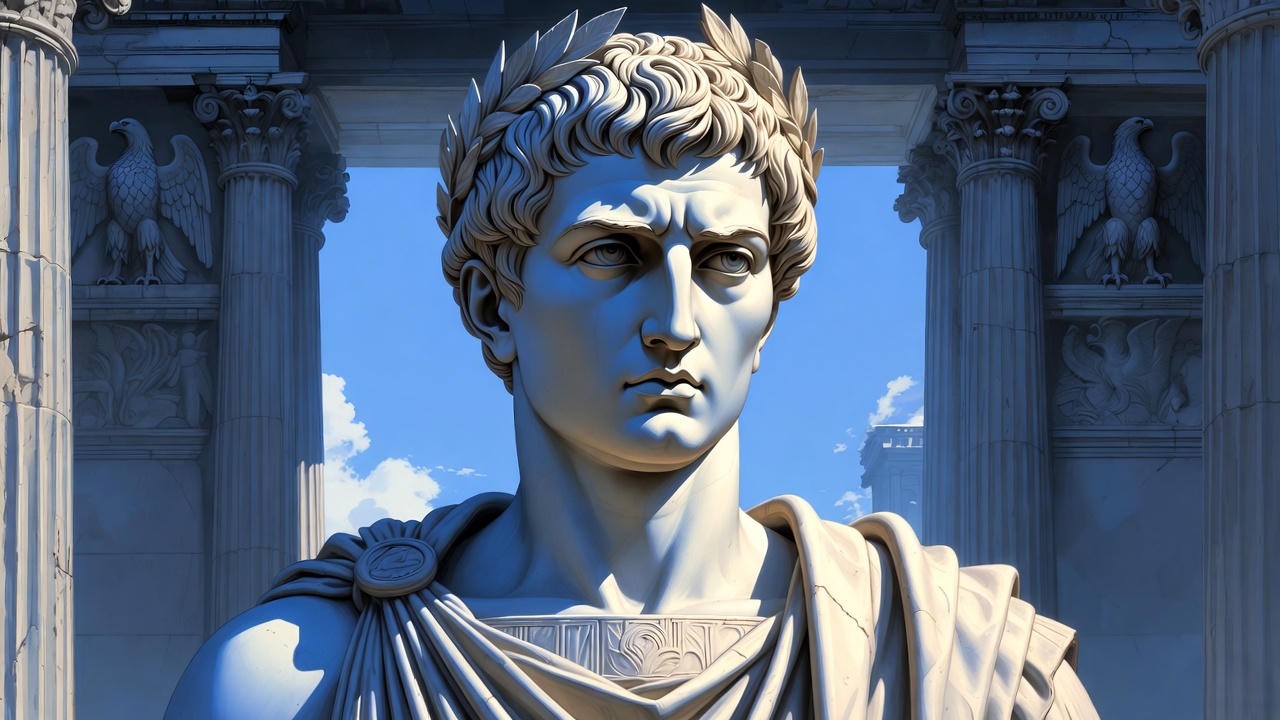
Octavius (later Augustus) contrasts sharply with Antony: emotionless, disciplined, politically masterful. He “wins” the play’s power struggle yet remains emotionally distant, making him less dramatically compelling.
His restraint highlights the play’s central tension—reason over passion. Though victorious, Octavius’s final tribute to the lovers acknowledges their mythic stature: “She shall be buried by her Antony. / No grave upon the earth shall clip in it / A pair so famous.”
Enobarbus – The Voice of Reason and Tragedy’s Conscience
Enobarbus stands as the play’s moral and dramatic center. Loyal yet clear-eyed, he delivers the iconic barge speech that immortalizes Cleopatra’s allure.
His defection to Octavius—driven by pragmatism—followed by death from remorse (“I am alone the villain of the earth”) creates a poignant secondary tragedy. Enobarbus voices audience perspective while embodying loyalty’s fragility. Critics often regard his heartbreak as one of Shakespeare’s most moving explorations of conscience.
Key Supporting Characters and Their Dramatic Functions
Charmian and Iras – Loyal Attendants and Mirrors of Cleopatra
Cleopatra’s attendants are far more than background figures. Charmian and Iras reflect their queen’s wit, sensuality, and ultimate fate—they die with her in Act 5. Their banter with the Soothsayer and final loyalty humanize Cleopatra’s court and underscore themes of devotion.
Octavia – Symbol of Roman Virtue and Political Pawn
Octavia’s brief but crucial role contrasts sharply with Cleopatra. Described as possessing “holy, cold, and still conversation,” she represents Roman ideal womanhood—modest, dutiful, obedient. Her marriage to Antony is purely political, and her quiet heartbreak when betrayed highlights the cost of power games.
Pompey (Sextus Pompeius) – Threat and Missed Opportunity
Pompey’s naval rebellion forces the Triumvirate to negotiate. His scenes on the galley (Act 2, Scene 7) reveal Roman excess while his rejection of Menas’s suggestion to assassinate the leaders shows fleeting honor. He embodies a lost chance for alternative rule.
Lepidus – The Weak Third of the Triumvirate
Often played for comic effect, Lepidus is the play’s fool—drunk, conciliatory, ultimately discarded. His weakness emphasizes the true power struggle between Antony and Octavius.
Minor Romans and Egyptians
Characters like Eros (who chooses suicide over killing Antony), Ventidius (cautious of outshining his master), Scarus (loyal soldier), and Seleucus (who exposes Cleopatra’s hoarding) all reinforce themes of loyalty, ambition, and deception.
Character Relationships and Dynamics
The play’s dramatic energy arises from interconnected relationships:
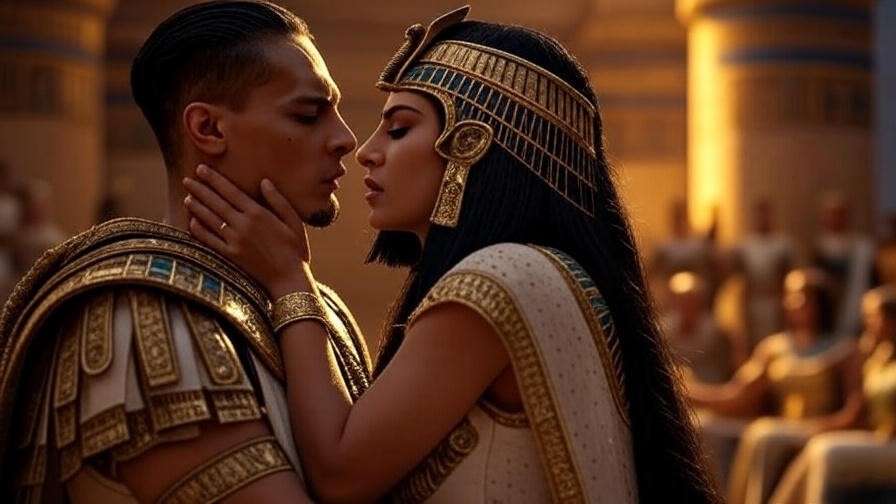
- Antony and Cleopatra: A love of extremes—jealous quarrels, grand reunions, mutual elevation in death.
- Antony and Octavius: From alliance to enmity, reflecting Rome’s shift from republic to empire.
- Cleopatra and her court: Theatrical performance of power.
- Enobarbus and Antony: Friendship tested by war and conscience.
- Gender and power: Women (Cleopatra, Octavia) wield influence differently in Egyptian and Roman spheres.
Betrayal recurs—soldiers desert Antony, Enobarbus defects—yet loyalty persists in unexpected places (Eros, Charmian).
Themes Reflected Through the Characters
Shakespeare uses his characters to explore profound dichotomies:
- Love vs. Duty: Antony’s fatal choice; Octavius’s rejection of passion.
- Public Image vs. Private Self: Cleopatra’s constant role-playing; Antony’s fluctuating identity.
- East vs. West / Passion vs. Reason: Egypt’s abundance against Rome’s discipline.
- Impermanence and Legacy: All characters grapple with mortality; only the lovers achieve mythic immortality.
Characters on Stage and Screen – Notable Performances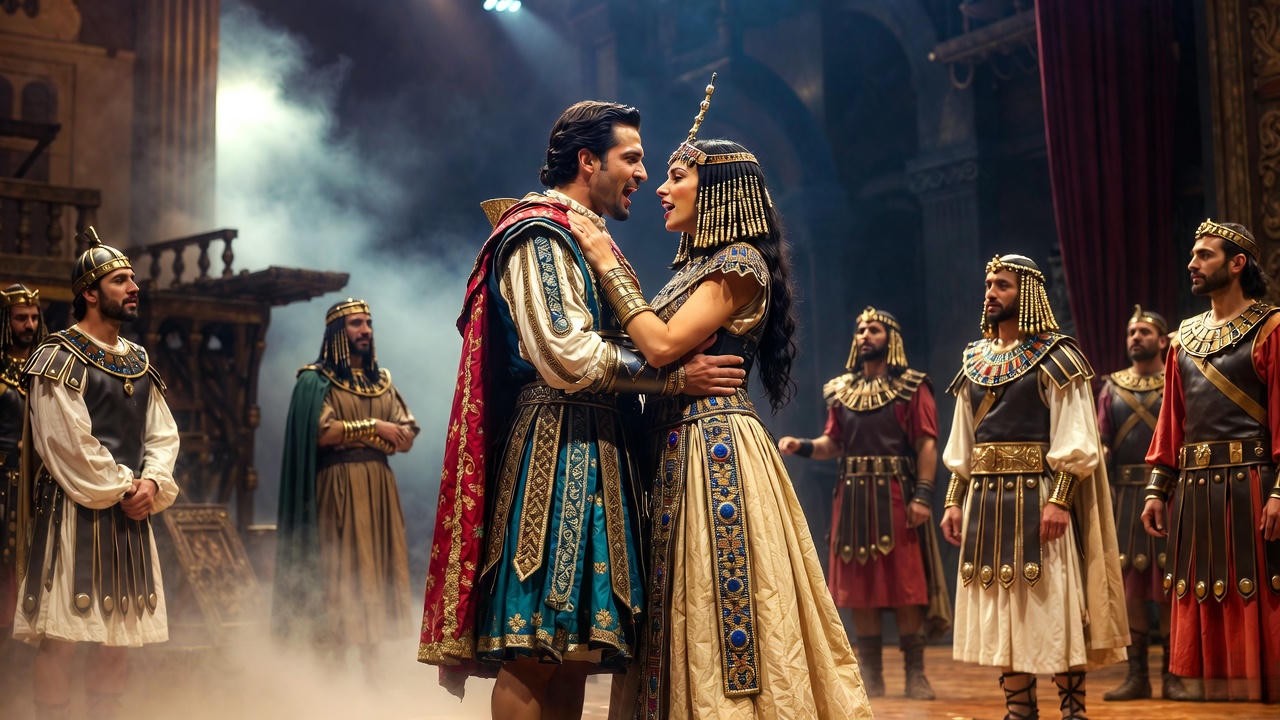
Antony and Cleopatra demands extraordinary actors capable of grandeur and intimacy.
Iconic pairings include:
- Laurence Olivier and Vivien Leigh (1951 alternating with Caesar and Cleopatra).
- Peggy Ashcroft and Michael Redgrave (1953 RSC).
- Vanessa Redgrave and Timothy Dalton (1986).
- Judi Dench and Anthony Hopkins (1987 National Theatre).
- Harriet Walter and Patrick Stewart (2006 RSC).
- Sophie Okonedo and Ralph Fiennes (2018 National Theatre).
Recent productions often emphasize diversity and postcolonial readings, with Cleopatra played by actors of color to challenge historical Roman bias.
Expert Tips for Students and Readers
- Essay Analysis: Focus on contradictions within characters—Antony’s Herculean strength and weakness, Cleopatra’s power and vulnerability.
- Key Quotes:
- Antony: “Let Rome in Tiber melt” (1.1)
- Cleopatra: “My salad days, / When I was green in judgment” (1.5)
- Enobarbus: Barge speech (2.2)
- Octavius: Final eulogy (5.2)
- Common Misconceptions: Cleopatra is not merely seductive—she is politically astute. Antony is not simply weakened by love—he chooses it.
- Further Reading: Plutarch’s Life of Antony, Janet Adelman’s The Common Liar, Linda Bamber’s Comic Women, Tragic Men.
Frequently Asked Questions
Who is the protagonist of Antony and Cleopatra? The play has dual protagonists—Antony and Cleopatra share the tragic focus, reflected in the title itself.
How many characters are there in the play? Over 40 speaking roles, plus numerous attendants and soldiers—one of Shakespeare’s largest casts.
Is Cleopatra portrayed positively or negatively? Complexly. She is manipulative yet magnificent, selfish yet heroic—Shakespeare avoids simple judgment.
Why does Enobarbus die of grief? His defection shatters his sense of honor; remorse literally breaks his heart (4.9).
How does Shakespeare differ from historical accounts of Cleopatra? He gives her greater agency, wit, and tragic dignity than Roman historians like Plutarch or Dio, who emphasized her seductiveness.
What is the significance of Octavia’s character? She serves as Cleopatra’s foil—Roman restraint against Egyptian excess—and highlights the political use of women.
Shakespeare’s Antony and Cleopatra endures because its characters transcend their historical moment. Antony’s grandeur in defeat, Cleopatra’s immortal longings, Enobarbus’s broken heart, Octavius’s cold triumph—these figures embody timeless conflicts between love and power, passion and restraint, self and empire.
The tragedy lies not only in their deaths but in the irresistible forces that drive them. As Cleopatra declares, “Husband, I come!”—choosing mythic union over earthly subjugation—she and Antony achieve the eternal fame Octavius can only admire.