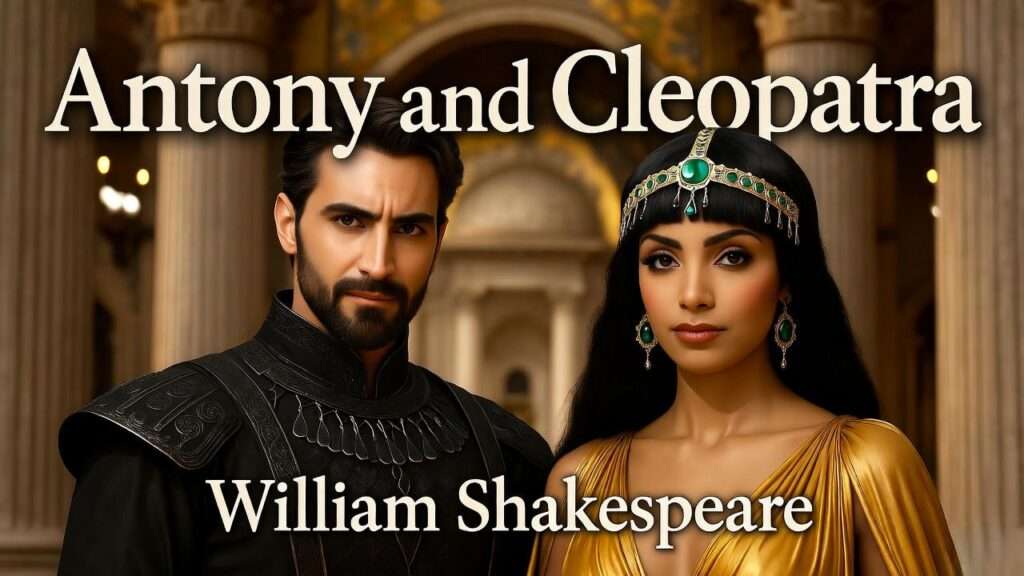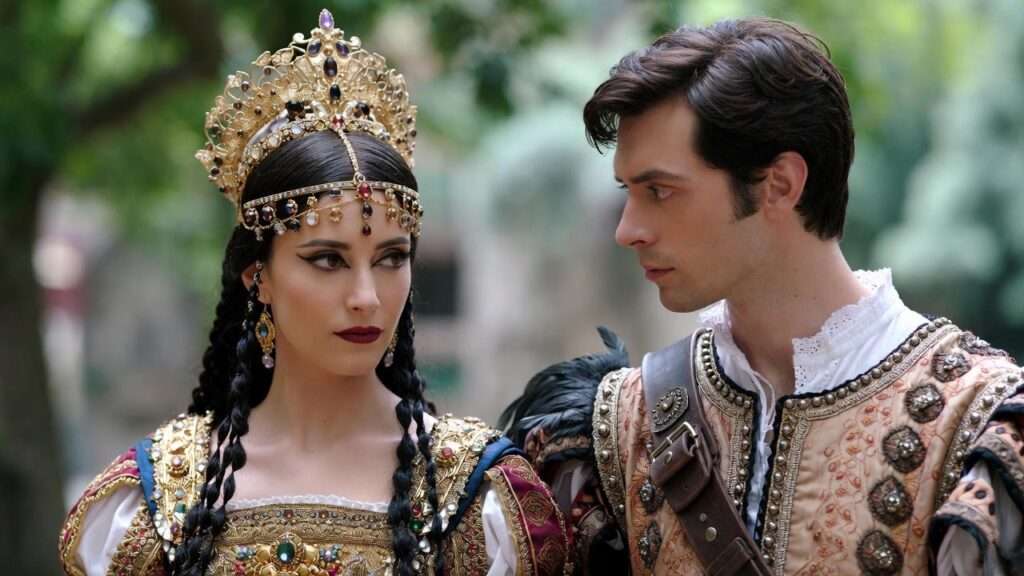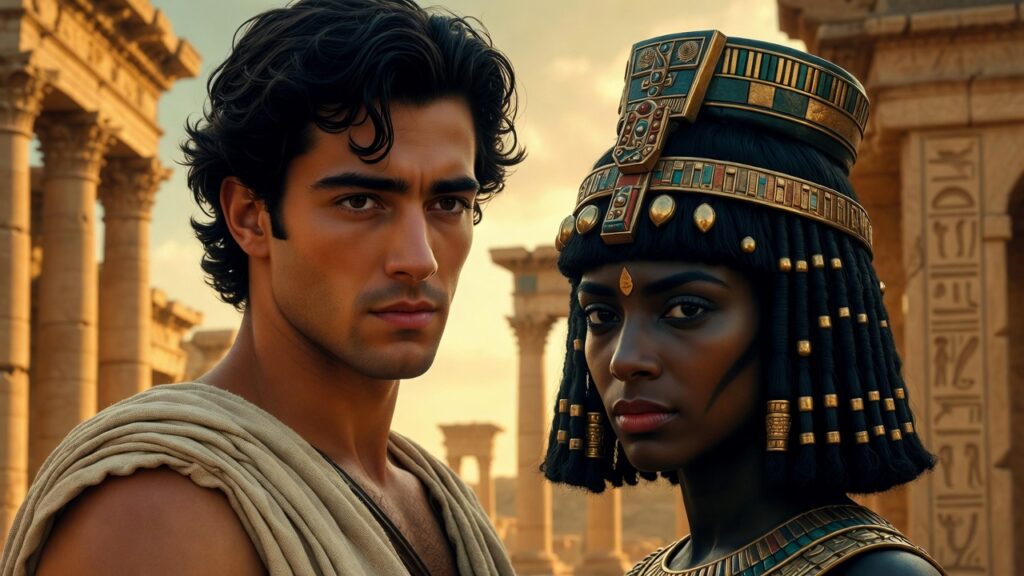
Imagine a world where empires hang in the balance, not from armies alone, but from the intoxicating pull of desire. Mark Antony, one of Rome’s mightiest generals, declares: “Let Rome in Tiber melt, and the wide arch / Of the ranged empire fall. Here is my space.” In that single line, he chooses love over dominion, passion over politics. This is the heart of Shakespeare’s Antony Cleopatra story — a sweeping tragedy where personal longing collides with the cold machinery of power, leading two legendary figures to a breathtaking, self-willed end.
The Antony Cleopatra story, drawn from historical events of the late Roman Republic, captivated Shakespeare around 1606–1607. Drawing primarily from Plutarch’s Life of Marcus Antonius (via Thomas North’s 1579 translation), Shakespeare transforms a political chronicle into a profound meditation on human nature. The play explores how love can elevate the soul while destroying the empire-builder, how cultural opposites—stoic Rome and sensual Egypt—clash within one man’s heart, and how death itself can become a final act of defiance and triumph.
Readers often seek the Antony Cleopatra story for its blend of romance, betrayal, and grandeur, yet many summaries fall short, offering only bare plots or oversimplified morals. This in-depth exploration provides a complete narrative retelling, character insights, thematic depth, and historical context—delivering far more value than typical overviews. Whether you’re a student preparing for exams, a theater lover, or simply drawn to timeless tales of passion and power, here you’ll find clarity on one of Shakespeare’s most complex tragedies.
Historical Background – The Real Antony and Cleopatra Story
To appreciate Shakespeare’s genius, understand the real events he dramatized. After Julius Caesar’s assassination in 44 BCE, Rome was governed by the Second Triumvirate: Mark Antony, Octavius Caesar (future Augustus), and Lepidus. Antony, a seasoned warrior and Caesar’s loyal deputy, met Cleopatra VII, Queen of Egypt, in 41 BCE. Cleopatra, last of the Ptolemaic rulers and a shrewd politician, had previously allied with Julius Caesar (bearing him a son, Caesarion). Her alliance with Antony produced three children and strengthened Egypt’s position against Rome’s growing dominance.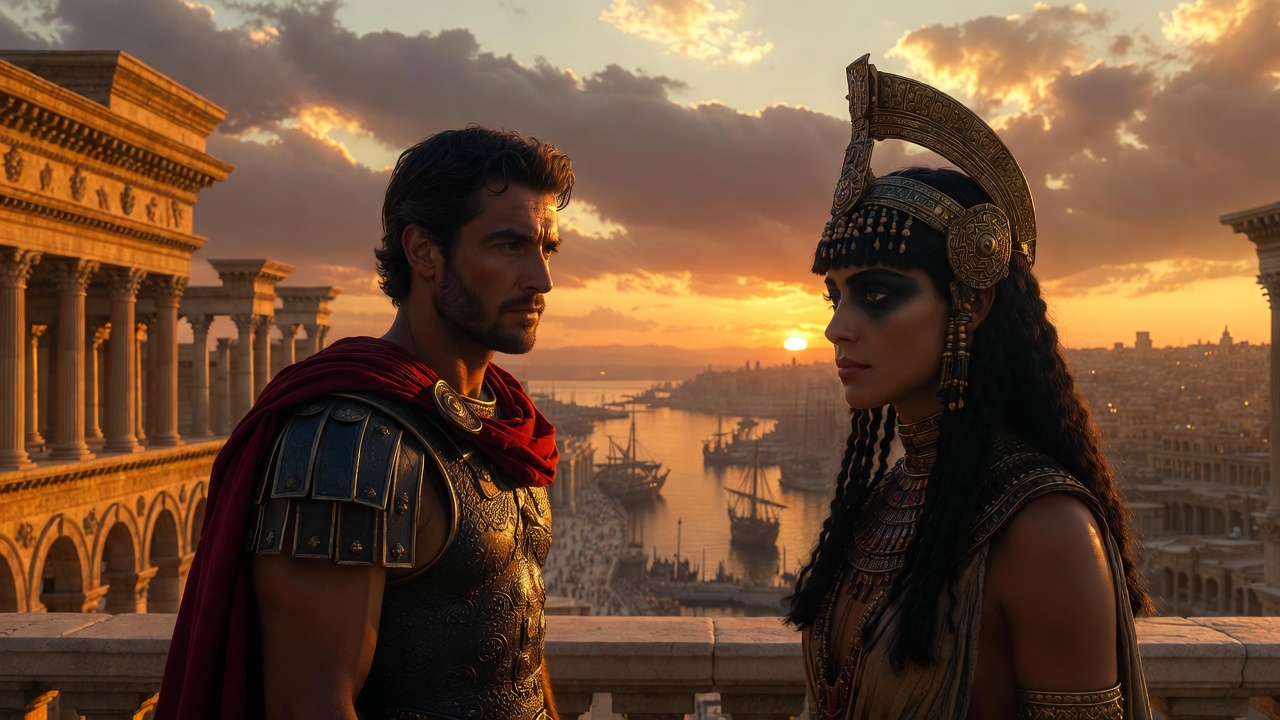
Key historical milestones include Antony’s lavish “Donations of Alexandria” (34 BCE), where he granted Roman territories to Cleopatra’s children, alienating Octavius. This fueled propaganda portraying Antony as bewitched by an “Egyptian whore.” The decisive clash came at the Battle of Actium in 31 BCE, where Antony and Cleopatra’s fleet was defeated—partly due to Cleopatra’s early flight and Antony’s pursuit. They retreated to Alexandria, where both died by suicide in 30 BCE: Antony by sword, Cleopatra reportedly by asp bite. Octavius annexed Egypt, becoming sole ruler and ushering in the Roman Empire.
Shakespeare condenses and reinterprets these events. Plutarch presents a more moralistic tale, emphasizing Antony’s decline into luxury and Cleopatra’s cunning. Shakespeare amplifies the romance, making their love transcendent rather than merely destructive. He minimizes political details (like the full timeline of Antony’s marriage to Octavia) to focus on emotional and cultural tensions. The result: history becomes myth, where personal passion reshapes world events.
The Antony Cleopatra Story – Detailed Plot Summary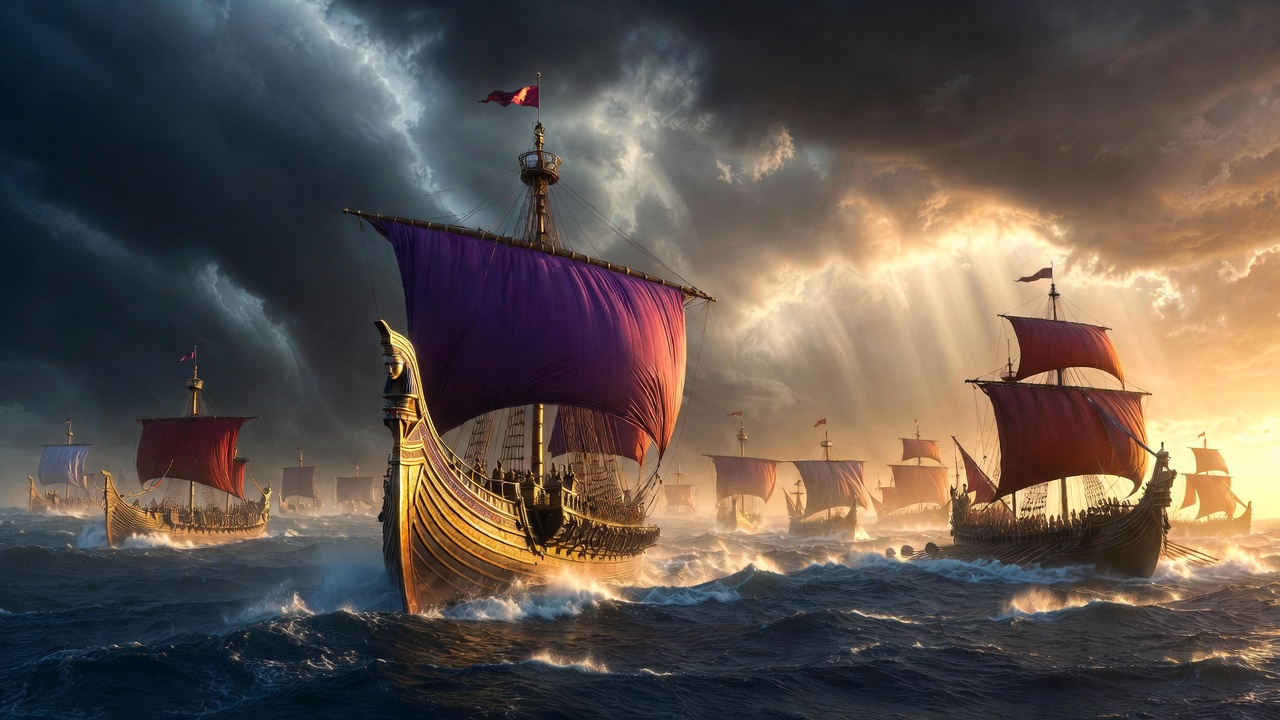
Shakespeare’s play unfolds across rapid, cinematic scenes shifting between Rome and Egypt, mirroring the lovers’ divided loyalties. The structure emphasizes chaos, irony, and inevitability.
Act 1 – Establishing the Worlds of Rome and Egypt
The tragedy opens in Alexandria. Roman soldiers Philo and Demetrius lament how Antony, once “the triple pillar of the world,” has become “a strumpet’s fool.” Antony and Cleopatra revel in excess, dismissing messengers from Rome. Cleopatra teases Antony about his duties, testing his devotion. News arrives: Antony’s wife Fulvia is dead after rebelling against Octavius, and Pompey threatens rebellion. Antony feels the pull of duty—”These strong Egyptian fetters I must break”—and decides to leave, promising Cleopatra eternal love.
In Rome, Octavius Caesar criticizes Antony’s indulgence, contrasting his disciplined self with Antony’s ” dotage.” Lepidus tries to mediate. Antony returns, marries Octavia (Octavius’s sister) to seal an alliance against Pompey, but his heart remains in Egypt.
Act 2 – Political Maneuvering and Jealousy
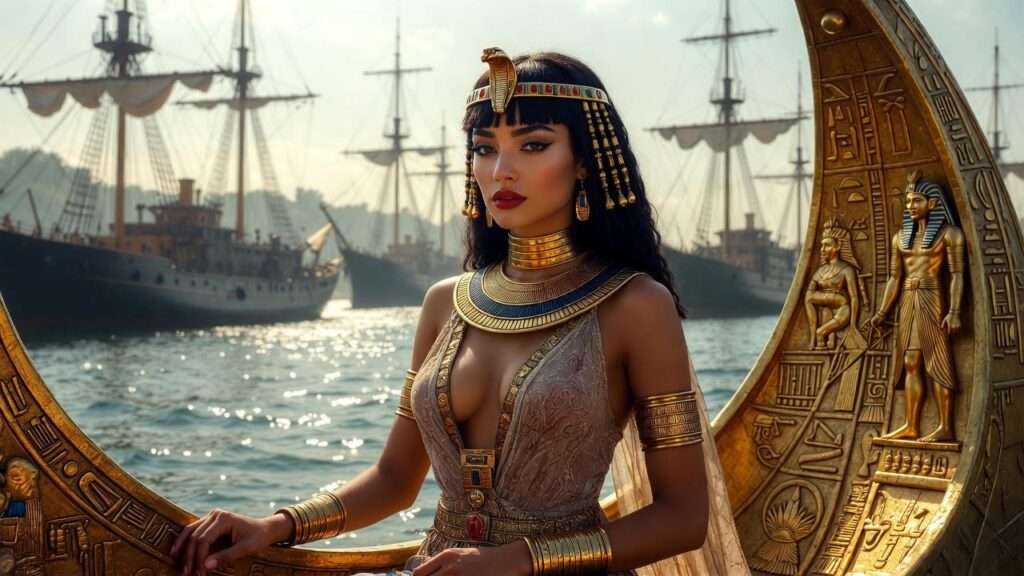
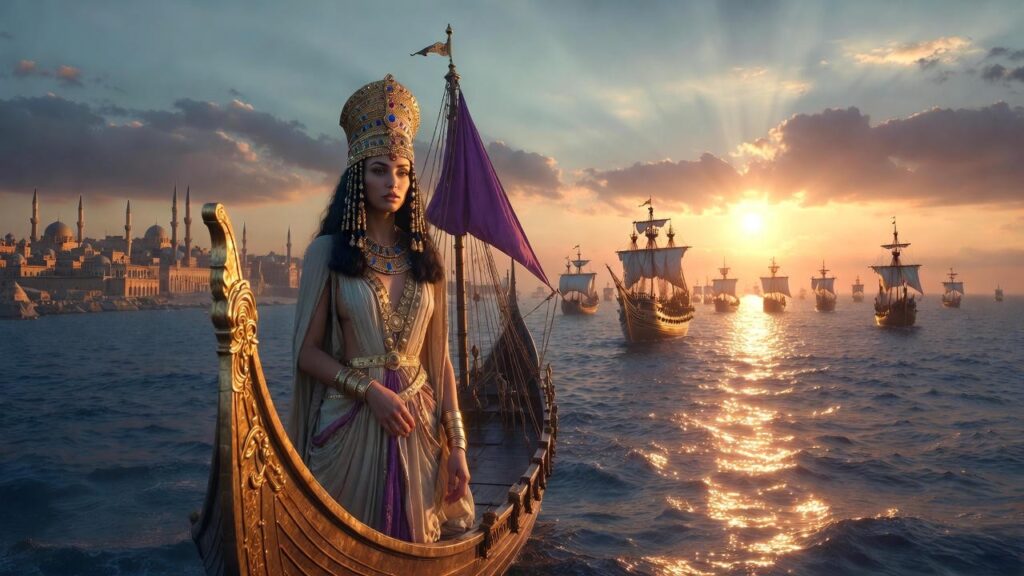
The triumvirs meet Pompey. Enobarbus, Antony’s loyal lieutenant, delivers one of literature’s most famous speeches: Cleopatra’s arrival on her golden barge—”The barge she sat in, like a burnish’d throne, / Burn’d on the water”—evoking irresistible allure. Antony weds Octavia but soon returns to Cleopatra after a soothsayer warns him to beware Octavius. Cleopatra, enraged by the marriage, rages but regains confidence upon hearing Octavia is plain.
Act 3 – Fracturing Alliances and War
War erupts. Antony, swayed by Cleopatra, fights at sea despite advice for land battle. At Actium, Cleopatra flees with her ships; Antony follows, abandoning his forces. Defeated, Antony blames Cleopatra but reconciles. Enobarbus, disillusioned, defects to Octavius but dies of shame and heartbreak. Antony’s fortunes crumble as allies abandon him.
Act 4 – Despair and Heroic Defiance
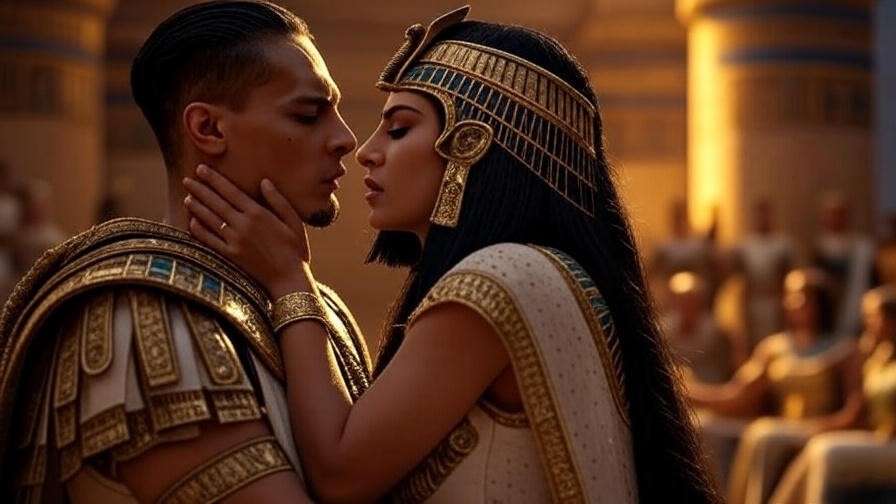
Antony hears false news of Cleopatra’s death (she stages it to test him). In despair, he botches suicide, begging attendants to finish him. Brought to Cleopatra’s monument, he dies in her arms, declaring her kisses worth empires.
Act 5 – Cleopatra’s Final Triumph
Octavius arrives in Alexandria, demanding surrender. Cleopatra feigns submission but plots escape through death. She stages a regal suicide with an asp (hidden in figs), dying majestically: “Give me my robe, put on my crown; I have / Immortal longings in me.” Octavius pays reluctant tribute: “She shall be buried by her Antony: / No grave upon the earth shall clip in it / A pair so famous.”
Key Characters in the Antony Cleopatra Story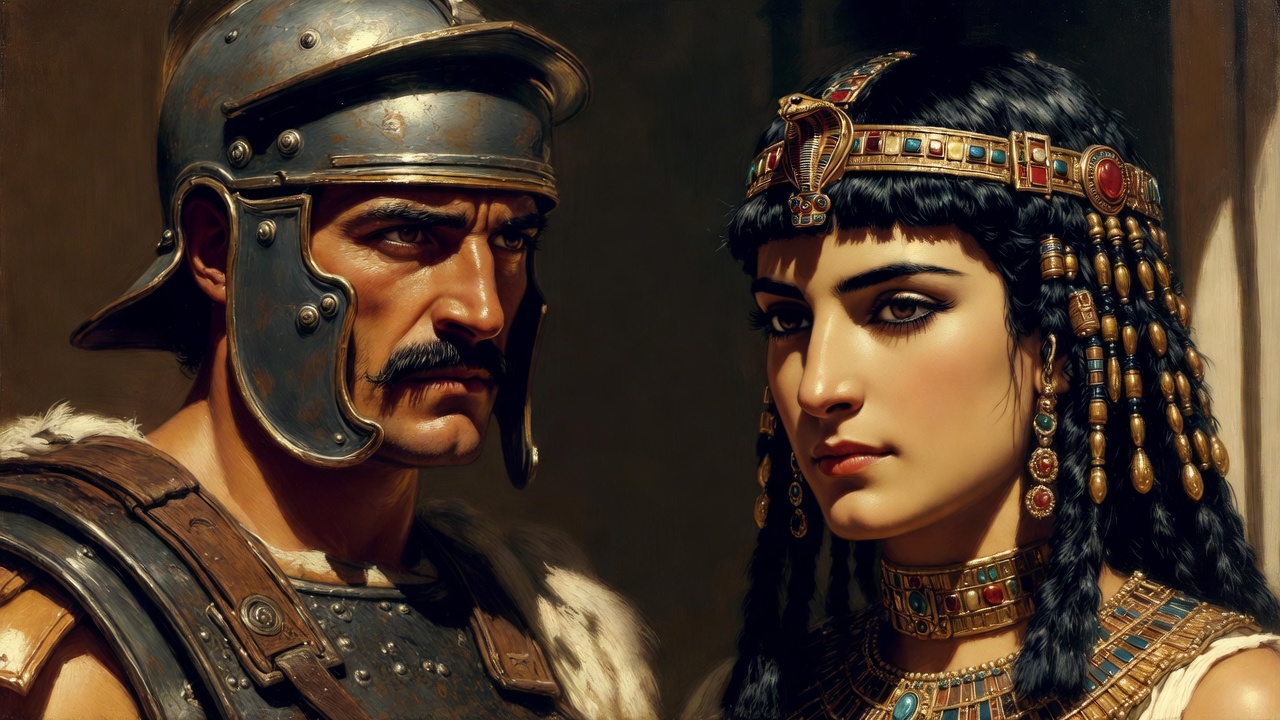
Shakespeare’s tragedy thrives on richly drawn characters who embody larger forces—empire, desire, duty, and betrayal. Each figure is multidimensional, refusing simple hero-villain labels.
Mark Antony Antony stands as the tragic protagonist, a colossus diminished by love. Early in the play he is Rome’s heroic warrior, “the arm and burgonet of men.” Yet Cleopatra’s influence reveals his vulnerability. His oscillation between Roman discipline and Egyptian indulgence creates internal conflict: he knows duty calls, yet “the beds i’ th’ East are soft.” His decline is not mere weakness but the cost of choosing humanity over cold ambition. Antony’s final act—suicide upon false news of Cleopatra’s death—shows both despair and nobility. He dies declaring, “I am Antony yet,” reclaiming identity in death.
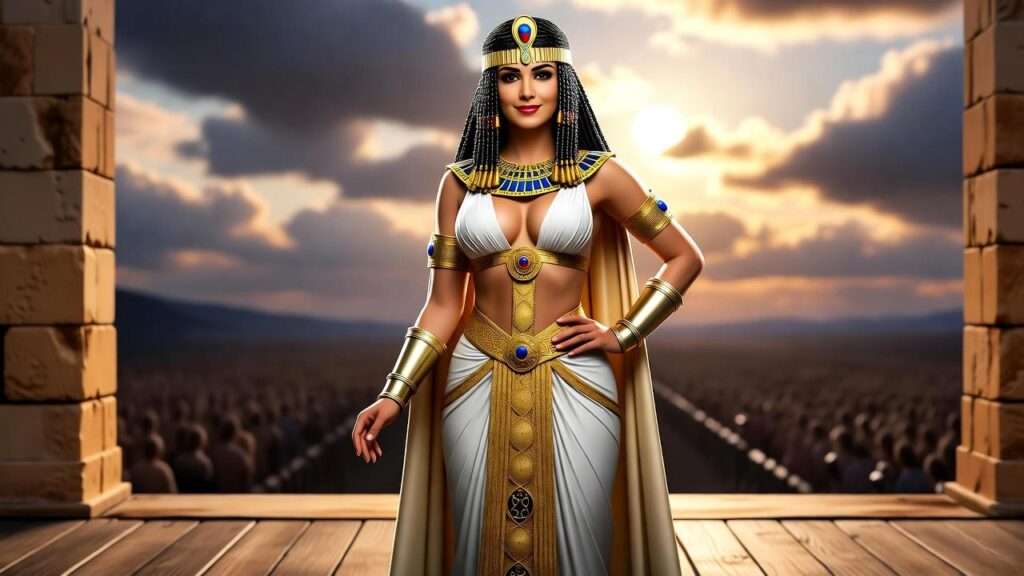
Cleopatra Cleopatra is Shakespeare’s most complex female character. Far from a mere seductress, she is a brilliant political actor, multilingual ruler, and performer of infinite roles. Her “infinite variety” (Enobarbus’s phrase) allows her to be playful, regal, jealous, maternal, and majestic by turns. She manipulates Antony, Octavius, and even her own death to preserve agency. Critics like Janet Adelman have noted how Cleopatra subverts Roman patriarchal expectations, turning femininity into power. Her suicide is not defeat but apotheosis: she dies “in the high Roman fashion,” transforming tragedy into legend.
Octavius Caesar Octavius represents the future—rational, calculating, and victorious. He embodies Roman values of order, restraint, and empire-building. His disdain for Antony’s passion (“He fishes, drinks, and wastes / The lamps of night in revel”) reveals a worldview where emotion is weakness. Yet Shakespeare subtly critiques him: his triumph is hollow, lacking the grandeur of the lovers’ passion. Octavius’s final lines grudgingly honor Antony and Cleopatra, acknowledging their mythic stature even as he claims political victory.
Supporting Figures
- Enobarbus: Antony’s blunt, loyal friend and the play’s moral commentator. His famous barge speech immortalizes Cleopatra, yet his desertion and subsequent death by guilt humanize him.
- Octavia: Symbol of Roman duty and political marriage. Her quiet dignity contrasts sharply with Cleopatra’s flamboyance.
- Charmian and Iras: Cleopatra’s devoted attendants, whose loyalty culminates in shared suicide, underscoring the depth of personal allegiance in a world of betrayal.
These characters do not merely advance plot; they embody the central tensions of love versus empire, East versus West, and individual desire versus historical necessity.
Major Themes Explored in Shakespeare’s Antony and Cleopatra
Shakespeare weaves several interlocking themes that elevate the play beyond romance into philosophical tragedy.
Love vs. Duty / Passion vs. Politics The central conflict pits personal emotion against public responsibility. Antony’s choice to “let Rome melt” illustrates how love can dissolve the foundations of power. Cleopatra herself recognizes this danger yet embraces it. The play refuses easy judgment: passion destroys, but duty without feeling produces Octavius’s sterile empire.
Rome vs. Egypt: Cultural and Symbolic Opposition Shakespeare constructs a binary—Rome as masculine, disciplined, marble-hard; Egypt as feminine, fluid, fertile. Water imagery dominates Egypt (the Nile, Cleopatra’s barge), while Rome evokes stone and measurement. Yet the opposition deconstructs: Antony carries Egypt within him, and Cleopatra adopts Roman dignity in death. The play questions whether these worlds can—or should—coexist.
Gender and Power Cleopatra wields authority in a male-dominated world through intelligence, sexuality, and performance. Her power threatens Roman masculinity, leading to propaganda that reduces her to temptress. Shakespeare, however, grants her dignity and complexity, making her one of literature’s most empowered female figures.
Identity and Performance Both protagonists constantly perform identity. Antony shifts between warrior and lover; Cleopatra between queen, lover, and tragic heroine. Their suicides are final, self-conscious performances—Antony’s botched attempt and Cleopatra’s regal staging—asserting control over how history will remember them.
Fortune, Time, and Immortality The lovers seek transcendence through love and death. Cleopatra’s “immortal longings” and Antony’s vision of reunion in the afterlife reflect a desire to escape time’s erosion. Their legend endures precisely because they choose mythic death over mundane survival.
These themes interweave to create a tragedy that is both intimate and cosmic, personal yet world-shaping.
Literary Devices and Shakespeare’s Craftsmanship
Shakespeare employs masterful techniques that distinguish Antony and Cleopatra from his other tragedies.
Imagery and Motifs Water imagery (rivers, seas, melting, dissolution) symbolizes Egypt’s fluidity and the lovers’ passion. Contrasting images of hardness—marble, armor, measurement—define Rome. The play is saturated with sensuous language: food, wine, jewels, perfume.
Language and Style The verse shifts dynamically: grand, hyperbolic rhetoric for public moments; intimate, fragmented dialogue for private passion. Enobarbus’s set-piece descriptions provide lyrical beauty amid chaos. The rapid scene changes (over 40 in total) mirror the lovers’ restless hearts and the empire’s instability.
Structure and Irony Unlike the linear descent of Macbeth or Othello, Antony and Cleopatra uses juxtaposition for irony. Antony’s heroic declarations often precede disasters; Cleopatra’s manipulations produce both comedy and tragedy. The ending subverts tragic convention: death brings not despair but a kind of victory.
Shakespeare’s late style—dense, elliptical, emotionally volatile—reaches its height here, making the play feel modern in its psychological depth.
Why the Antony Cleopatra Story Still Resonates Today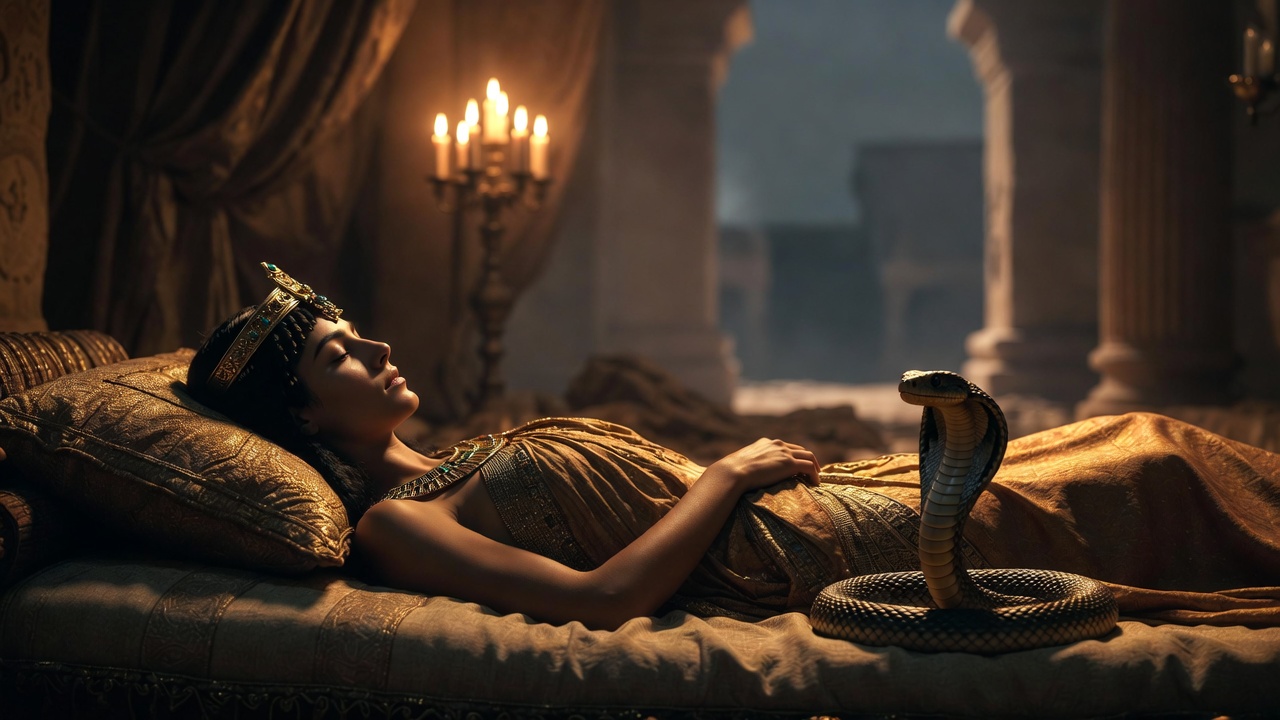
More than four centuries after its first performance, Shakespeare’s Antony and Cleopatra continues to speak powerfully to contemporary audiences. The reasons lie in its unflinching portrayal of timeless human dilemmas and its subtle commentary on power structures that remain recognizable in our own era.
First, the tension between personal desire and public responsibility feels strikingly modern. In an age of political scandals, high-profile relationships that intersect with power, and leaders whose private lives become public spectacle, Antony’s decision to prioritize love over empire mirrors debates about whether personal fulfillment should ever override duty. We see echoes in politicians caught between career and family, or celebrities whose romances overshadow their professional legacies.
Second, the cultural clash between Rome and Egypt prefigures ongoing East–West tensions. Shakespeare’s Egypt—sensual, fluid, luxurious—stands in opposition to Rome’s austere order. While the play avoids simplistic orientalism, it dramatizes how dominant cultures often demonize what they perceive as “other.” Modern readers and theatergoers frequently interpret this binary through postcolonial lenses, seeing Cleopatra as a figure of resistance against imperial domination.
Third, Cleopatra herself remains one of the most compelling female characters in Western literature. Her intelligence, sexual agency, political acumen, and ultimate self-determination continue to inspire feminist readings. In an era still grappling with gender equity in leadership, Cleopatra’s ability to wield power on her own terms—while being constantly reduced to a sexual threat—feels painfully relevant.
The play has also enjoyed rich afterlife in popular culture. The 1963 film starring Elizabeth Taylor and Richard Burton became legendary as much for the on-screen/off-screen romance as for its opulent recreation of the ancient world. More recently, stage productions (such as the Royal Shakespeare Company’s 2018 version or the 2021 Almeida Theatre production) have emphasized psychological realism, racial dynamics, and queer readings of the central relationship.
In short, the Antony Cleopatra story endures because it refuses easy moralizing. It presents love as both glorious and ruinous, power as both necessary and dehumanizing, and death as potentially triumphant. These paradoxes continue to provoke thought in every generation.
FAQs About the Antony Cleopatra Story
Is Antony and Cleopatra based on a true story? Yes, but with significant artistic license. Shakespeare drew heavily from Plutarch’s Parallel Lives (specifically the Life of Antony), which itself blends history and legend. Real events—Antony’s alliance with Cleopatra, their defeat at Actium, and their suicides—did occur between 41–30 BCE. Shakespeare compresses the timeline, simplifies political details, and amplifies the romantic and tragic elements.
What is the famous “infinite variety” line? Enobarbus describes Cleopatra in Act 2, Scene 2: “Age cannot wither her, nor custom stale / Her infinite variety: other women cloy / The appetites they feed, but she makes hungry / Where most she satisfies.” This passage captures Cleopatra’s endlessly fascinating, ever-changing nature—perhaps the single most quoted description of any Shakespearean character.
How does the play differ from historical accounts? Shakespeare omits or condenses much political context (e.g., the full timeline of Antony’s marriage to Octavia, the role of Caesarion, detailed military campaigns). He heightens the romantic passion, makes Cleopatra more sympathetic and intelligent, and gives the lovers a more heroic, self-mythologizing death than the historical record suggests.
Why do Antony and Cleopatra die by suicide? Antony kills himself after believing Cleopatra is dead (a ruse she stages), and Cleopatra chooses death rather than be paraded in Octavius’s triumph in Rome. Their suicides are acts of agency: Antony seeks honorable death as a Roman soldier; Cleopatra stages a regal exit to preserve dignity and legend.
Is it a tragedy or a romance? It is formally a tragedy, yet it blends elements of romance. Unlike Othello or King Lear, the ending carries a sense of transcendent victory—the lovers achieve a form of immortality through their deaths. Many critics call it a “problem play” or “Roman play” rather than a straightforward tragedy.
The Antony Cleopatra story is ultimately about the collision of two incompatible worlds: the private realm of passion and the public realm of empire. Shakespeare refuses to declare one superior. Instead, he shows how each sphere, taken to its extreme, destroys the other—and how human beings are forever caught between them.
In their final moments, Antony and Cleopatra transcend defeat. Antony dies still claiming his name; Cleopatra crowns herself for eternity. Octavius may win the world, but the lovers win legend. Their story reminds us that greatness is measured not only by conquest but by the courage to love fiercely, to perform identity boldly, and to choose one’s own ending.
If this deep dive into Shakespeare’s Antony and Cleopatra has sparked your interest, consider reading the full text (the Folger or Arden editions offer excellent notes), watching a strong production, or exploring related plays—especially Julius Caesar and Coriolanus, which complete Shakespeare’s Roman sequence.