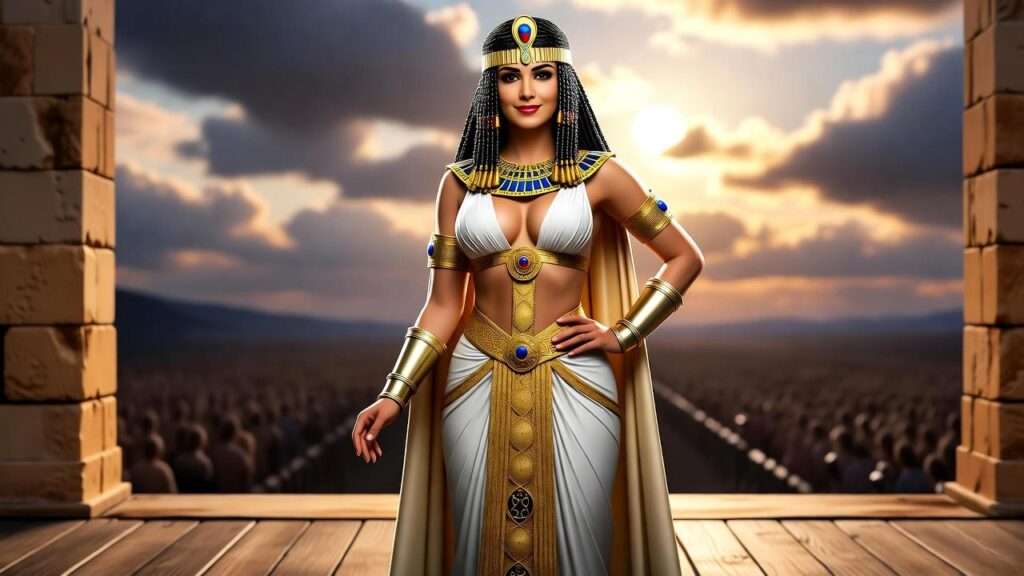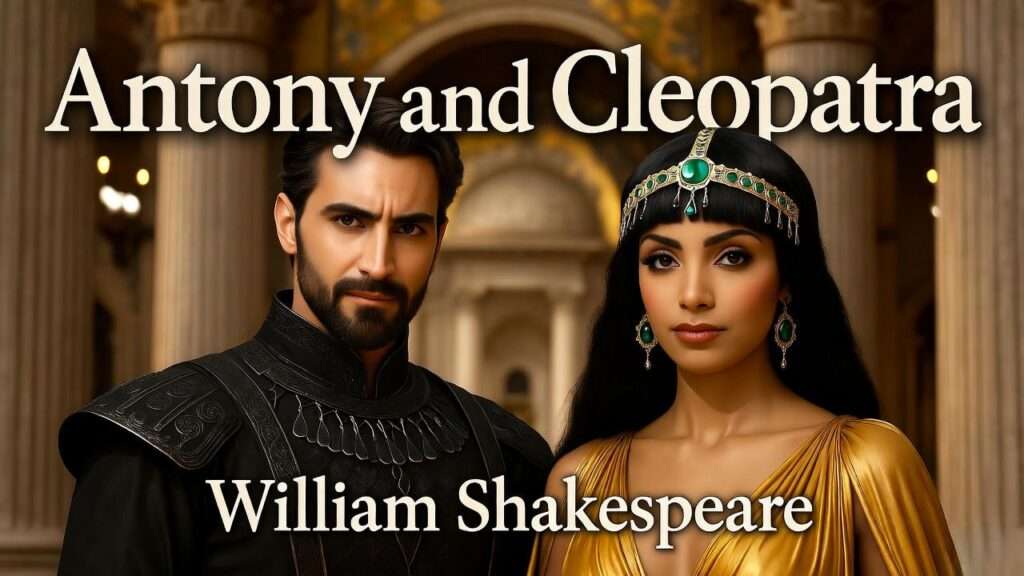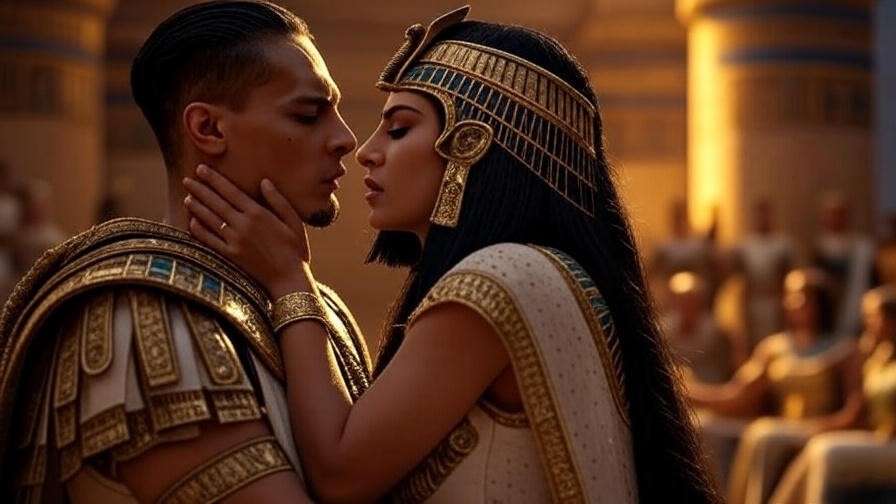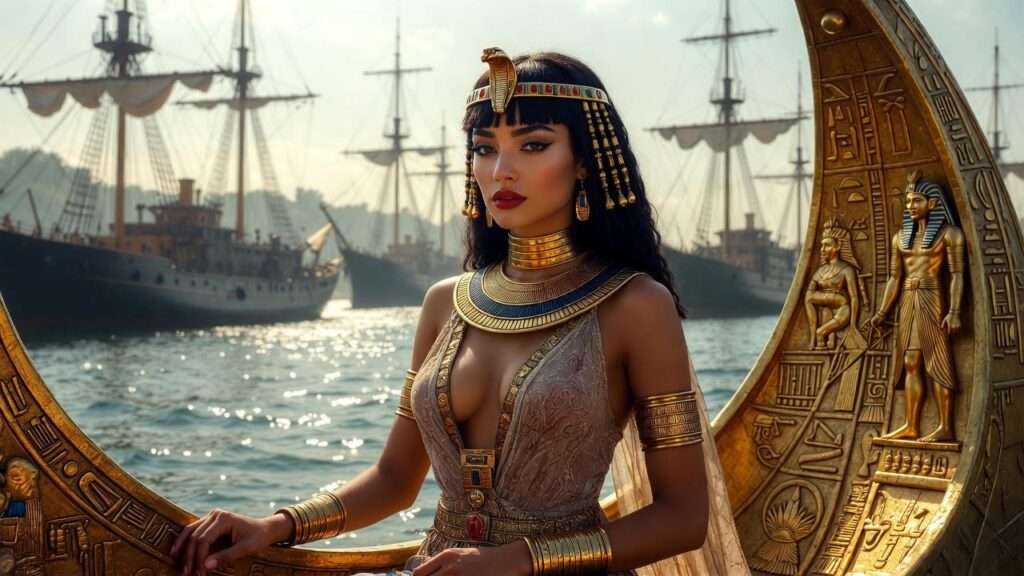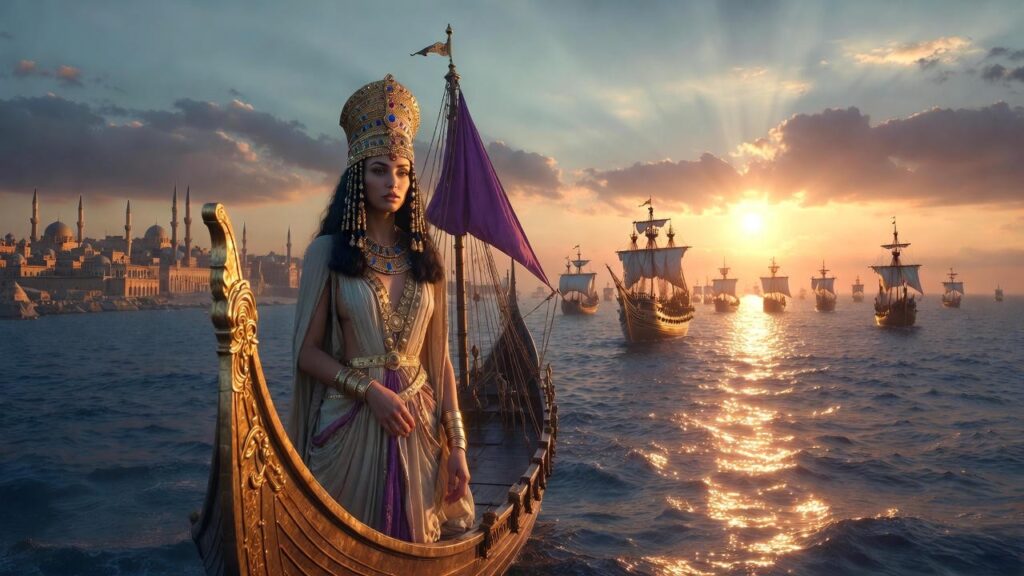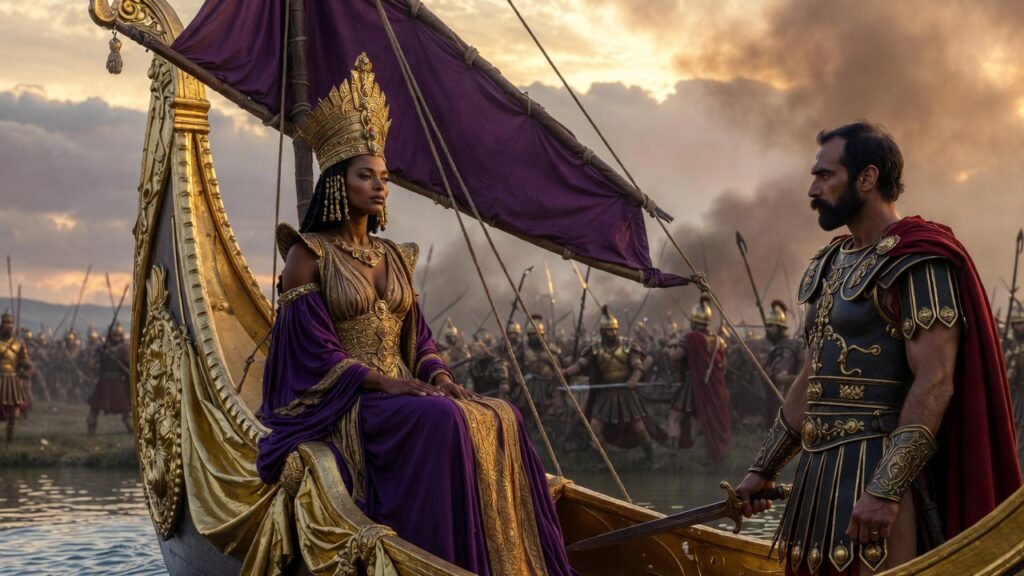
Imagine a queen so captivating that even the winds fell lovesick at her approach, her barge burning on the water like a throne of gold, purple sails billowing with perfume. This is not mere legend or Hollywood glamour—it’s William Shakespeare’s vivid portrait in Antony and Cleopatra. For centuries, people have searched for the “Book of Cleopatra,” whether an ancient text on cosmetics and preservation rumored to be authored by the queen herself or modern biographies that promise to reveal her true story. Yet one of the most profound and enduring “books” on Cleopatra remains Shakespeare’s tragedy, written around 1606–1607. This play doesn’t just recount history; it reimagines a legendary figure with unmatched psychological depth, poetic brilliance, and tragic intensity.
In this comprehensive guide, we unlock Shakespeare’s Antony and Cleopatra—exploring its historical foundations, thematic richness, character complexities, linguistic mastery, and lasting relevance. Whether you’re a student preparing for exams, a literature enthusiast seeking fresh insights, or someone drawn to the timeless interplay of love, power, and empire, this article offers more than surface summaries. Drawing from Shakespeare’s primary source (Plutarch’s Lives), respected critical analyses (such as those from A.C. Bradley and modern scholars), and close textual reading, we separate myth from drama and show why this play remains essential for understanding Cleopatra’s enduring allure. By the end, you’ll see Shakespeare’s work as the ultimate literary preservation of her “infinite variety.”
Who Was the Historical Cleopatra? Separating Fact from Myth
Cleopatra VII Philopator (69–30 BCE) was no mere seductress of legend—she was a shrewd, multilingual ruler who navigated the treacherous politics of the late Roman Republic to preserve Egypt’s independence. Born into the Ptolemaic dynasty of Greek origin, she ascended the throne at age 18, co-ruling first with her brother Ptolemy XIII and later asserting sole authority. Cleopatra was highly educated, fluent in nine languages (including Egyptian, a rarity for her predecessors), and skilled in diplomacy, economics, and even pharmacology.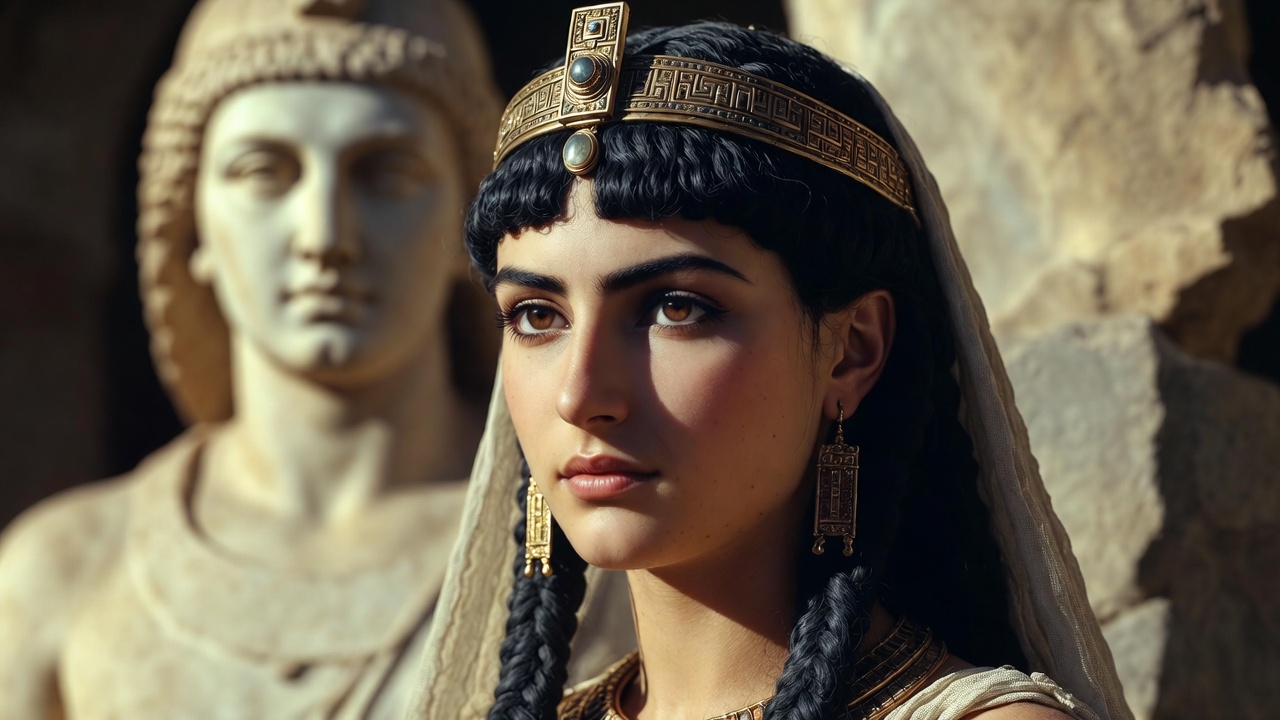
Her alliances with Julius Caesar and Mark Antony were strategic masterstrokes. With Caesar, she produced a son, Caesarion, bolstering her claim to legitimacy. With Antony, she forged a powerful partnership that produced three children and challenged Rome’s emerging order. Cleopatra reformed Egypt’s economy, minted coins bearing her image as a pharaoh (often depicted as Isis), and presented herself as a divine incarnation to her subjects.
Ancient sources, however, were heavily biased. Roman historians like Plutarch (via Thomas North’s 1579 translation, Shakespeare’s main source) drew from Octavian’s propaganda, portraying Cleopatra as a foreign temptress who corrupted noble Romans. She was called a “serpent of old Nile” or accused of using witchcraft. In reality, her “seduction” was political leverage in a male-dominated world. Modern historians, such as Stacy Schiff in Cleopatra: A Life (2010), emphasize her intelligence and administrative prowess over exotic stereotypes.
Shakespeare inherits these biases but transforms them. He draws from Plutarch’s details—the famous barge meeting on the Cydnus River, the Battle of Actium—yet elevates Cleopatra beyond villainy or victimhood into a multifaceted force of nature.
Shakespeare’s “Book of Cleopatra”: Why Antony and Cleopatra Stands Apart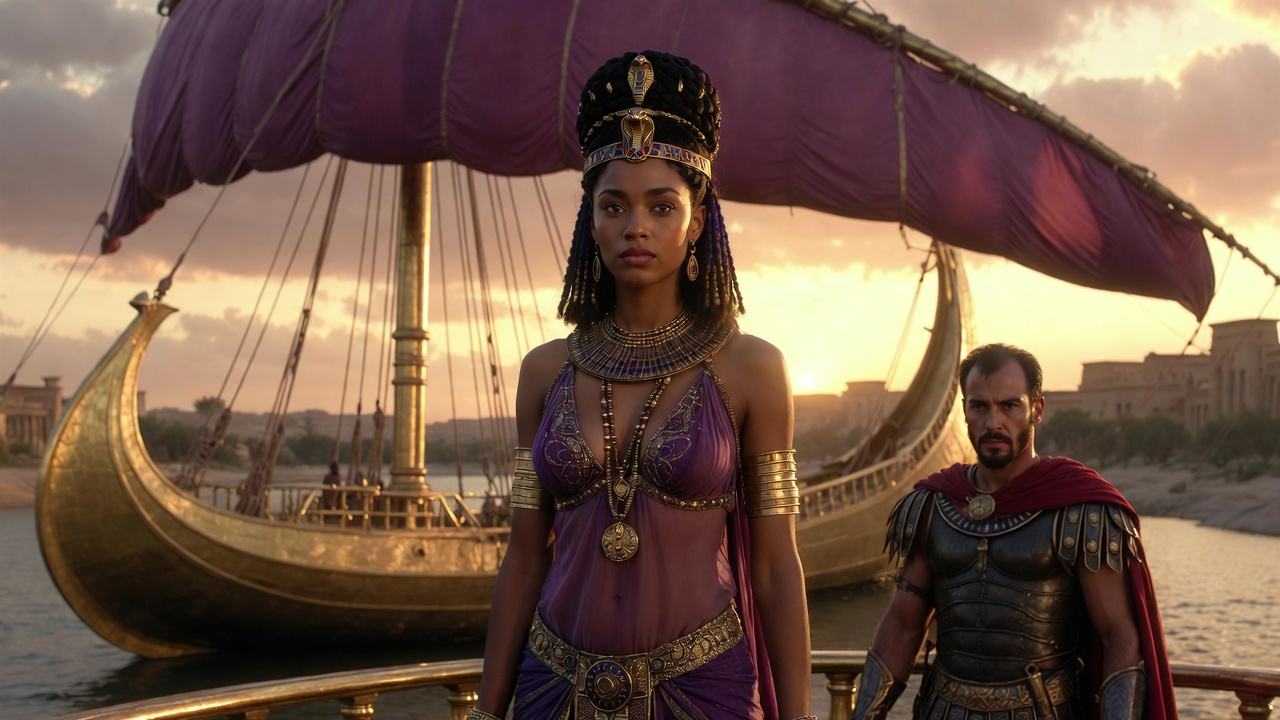
Shakespeare’s Antony and Cleopatra occupies a unique place in his canon. Written late in his career (after King Lear and Macbeth), it’s one of the Roman plays, following Julius Caesar but diverging in tone. Unlike the earlier play’s focus on republican ideals, this work blends tragedy, history, and romance into a sprawling epic that defies easy classification—sometimes called a “problem play” for its ambiguities.
What makes it Shakespeare’s definitive “Book of Cleopatra”? Early modern Europe knew rumors of a “Book of Cleopatra,” an alleged text by the queen on beauty, embalming, or cosmetics that symbolized preservation and immortality. Shakespeare subtly evokes this idea: Cleopatra’s “infinite variety” (as Enobarbus famously describes) cannot be withered by age or custom. The play itself becomes a form of literary preservation, immortalizing her through poetry rather than potions.
Shakespeare’s innovation lies in his portrayal. Cleopatra is not a static exotic; she’s dynamic, contradictory, regal yet playful, manipulative yet deeply passionate. Enobarbus’s speech captures this: “Age cannot wither her, nor custom stale / Her infinite variety. Other women cloy / The appetites they feed, but she makes hungry / Where most she satisfies” (Act 2, Scene 2). This line, lifted and elevated from Plutarch, crystallizes her enduring appeal. Shakespeare gives her agency, wit, and tragic grandeur, making her one of his most complex female characters.
Core Themes in Antony and Cleopatra – Power, Passion, and Tragedy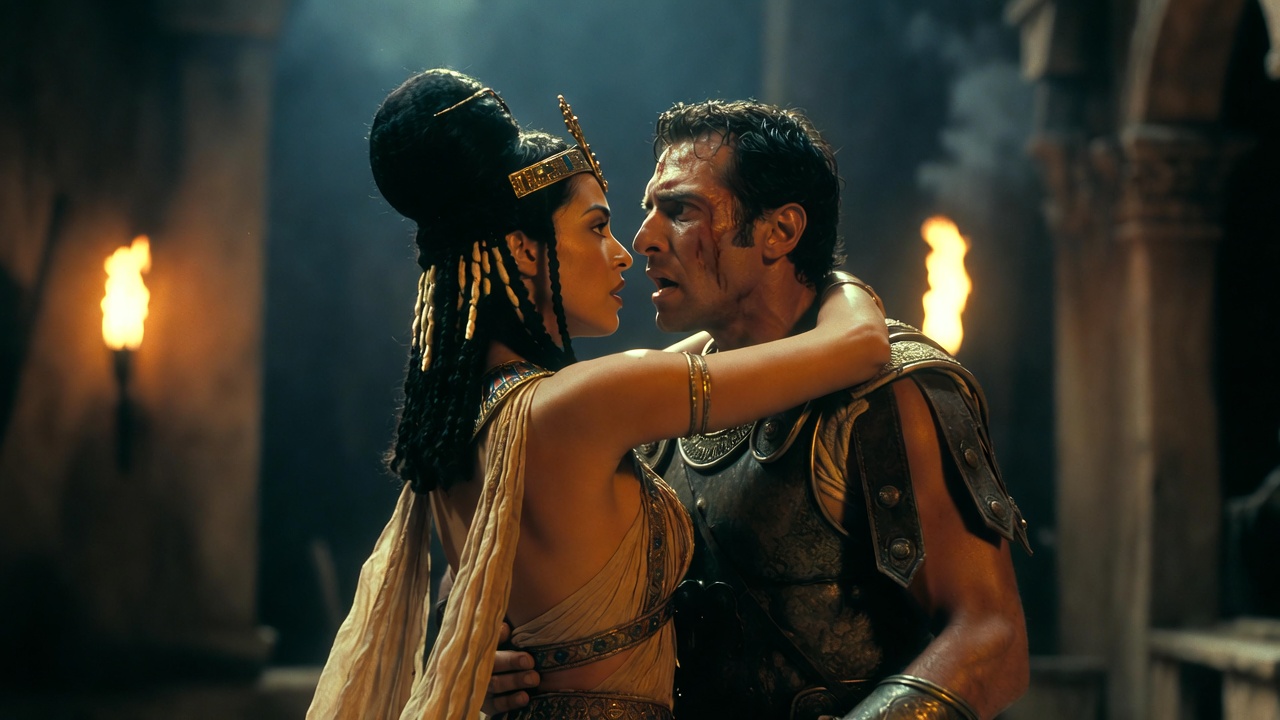
At its heart, the play dramatizes the eternal tension between Rome and Egypt—reason versus emotion, duty versus desire, empire versus ecstasy.
The Clash Between Rome and Egypt – Reason vs. Emotion Rome represents discipline, order, and conquest. Octavius Caesar embodies cold calculation: “He alone deals in realities” while scorning Antony’s “dotage.” Egypt, embodied by Cleopatra, celebrates sensuality, fluidity, and pleasure. The play opens with Philo’s complaint: Antony has become “the bellows and the fan / To cool a gipsy’s lust” (1.1). Antony’s tragedy is his oscillation between these worlds—he cannot fully commit to either.
Love, Loyalty, and Betrayal The central romance is passionate yet doomed. Antony marries Octavia for political peace but returns to Cleopatra, leading to betrayal. Enobarbus’s desertion to Caesar and subsequent remorse (“I am alone the villain of the earth”) highlights loyalty’s fragility. Cleopatra’s jealousy and theatrics test Antony’s devotion, yet their bond transcends politics.
Honor, Reputation, and Grandeur in Death Roman honor demands stoic duty; Egyptian glory allows flamboyant self-fashioning. Antony’s botched suicide and Cleopatra’s triumphant asp death (“Give me my robe, put on my crown”) elevate personal legend over defeat. Cleopatra declares, “My desolation does begin to make / A better life” (5.2), turning tragedy into apotheosis.
Gender, Power, and Agency Cleopatra subverts expectations as a female ruler in a patriarchal world. She wields sexuality politically, yet her power is real—economic, diplomatic, divine. Shakespeare explores how gender intersects with empire: Cleopatra’s “variety” challenges Roman rigidity.
These themes resonate today, reflecting conflicts between personal fulfillment and societal obligation, or East-West cultural clashes.
Key Characters Unlocked – Insights and Analysis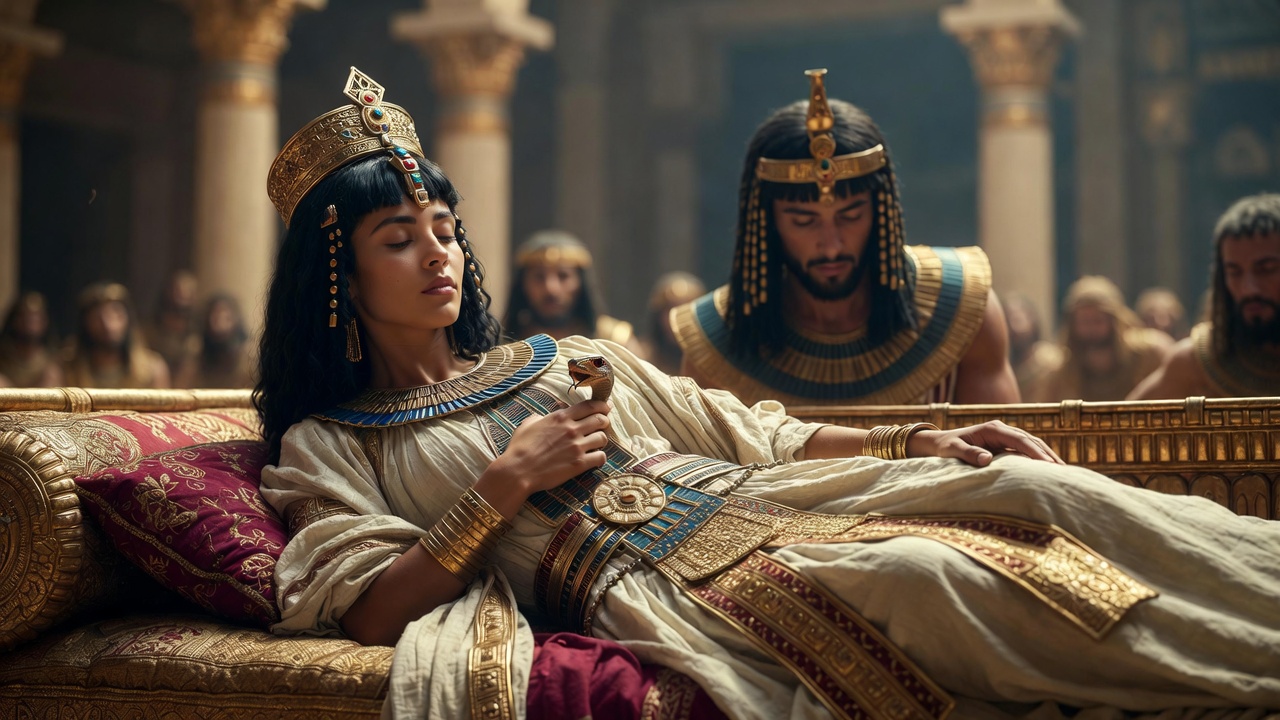
Shakespeare populates Antony and Cleopatra with figures who are far more than historical cameos; each serves as a lens through which the central themes of power, passion, and tragedy are refracted. The characters’ psychological depth and contradictory natures distinguish this play from simpler tragedies.
Cleopatra – Shakespeare’s Most Complex Queen Cleopatra is arguably Shakespeare’s greatest female creation. She defies reduction: lover, mother, politician, performer, goddess, and mortal woman all at once. Her moods shift rapidly—from playful teasing (“If you find him sad, / Say I am dancing,” 1.3) to furious jealousy, regal command, and finally serene majesty in death. Critics have long debated whether she is manipulative or authentically passionate; the truth lies in both. Her “infinite variety” is not mere caprice but a survival strategy in a world that seeks to contain her. In her final act, she reclaims total agency: “I have / Immortal longings in me” (5.2). By choosing the asp over Roman captivity, she transforms defeat into eternal legend, outwitting Octavius even in suicide.
Mark Antony – The Fallen Hero Antony begins as the Herculean warrior of Roman legend, “the triple pillar of the world” (1.1). Yet passion erodes his Roman virtus. His oscillation between duty and desire creates the play’s tragic engine. Shakespeare draws heavily on Plutarch’s description of Antony as a man of “greatness” undone by excess, but he adds profound interiority. Antony’s self-division peaks in lines like “I am / Antony yet” (3.13), spoken after his forces’ defeat—a desperate assertion of identity amid collapse. His botched suicide and final reconciliation with Cleopatra (“I will be / A bridegroom in my death,” 4.14) reveal a man who finds authentic nobility only in love’s surrender.
Octavius Caesar – The Cold Calculator Octavius (the future Augustus) represents the new imperial order: disciplined, pragmatic, emotionless. He speaks in measured prose rather than poetry, signaling his detachment. While Antony and Cleopatra burn with passion, Octavius calculates. His victory at Actium is not heroic but bureaucratic; he wins through strategy, not valor. Shakespeare subtly critiques this emerging modernity: Octavius’s triumph means the death of grandeur, poetry, and personal legend. The play ends with his cold assessment—“She shall be buried by her Antony” (5.2)—a final act of control that cannot extinguish Cleopatra’s mythic afterglow.
Supporting Cast: Enobarbus, Charmian, Iras Enobarbus, Antony’s loyal friend, provides the play’s most poignant voice of reason and regret. His famous description of Cleopatra’s barge is one of Shakespeare’s most lyrical passages, yet his betrayal of Antony and subsequent death from shame (“I am / Enobarbus yet,” echoing Antony) humanizes the cost of divided loyalties. Charmian and Iras, Cleopatra’s attendants, offer loyalty and quiet dignity. Their deaths—Charmian adjusting Cleopatra’s crown even as she dies—underscore the queen’s personal magnetism and the depth of devotion she inspires.
Dramatic Structure and Language – What Makes the Play Genius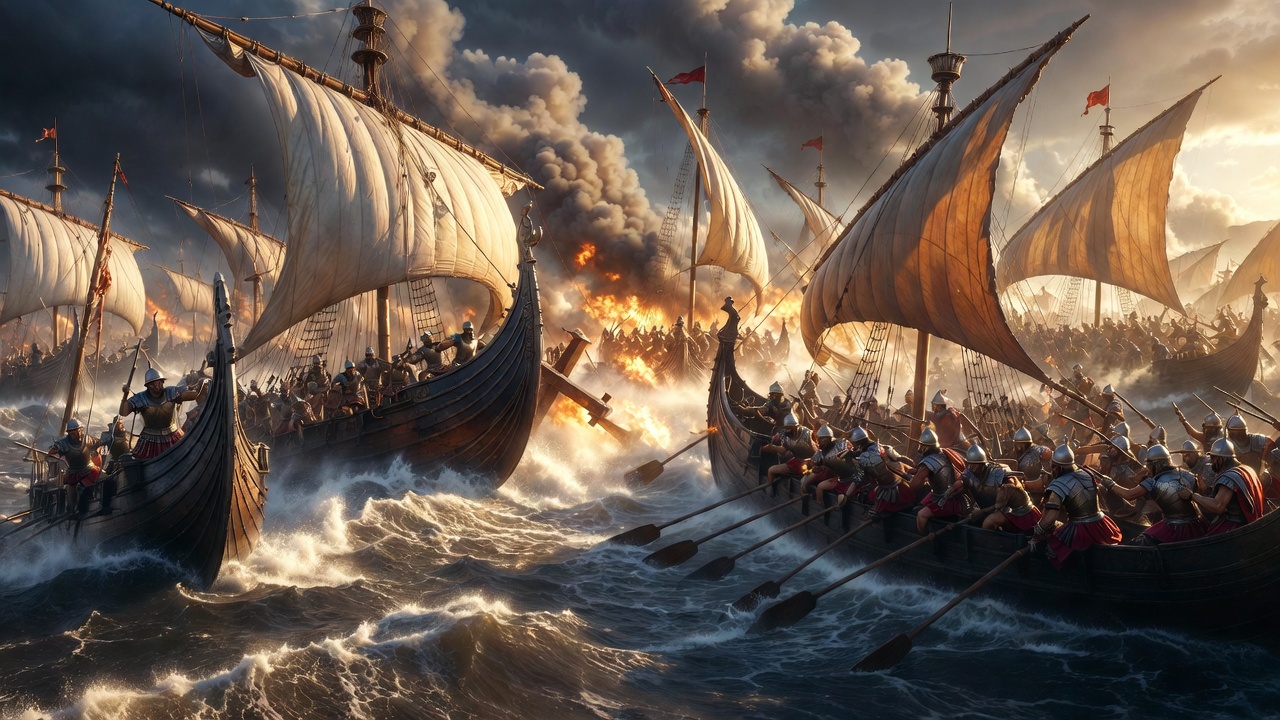
Shakespeare crafts Antony and Cleopatra with deliberate audacity. Its structure is epic and fragmented: forty-two scenes span Rome, Egypt, Athens, and the battlefield, creating a sense of vast imperial scope. Unlike the tightly focused tragedies of Hamlet or Othello, this play refuses classical unities, mirroring the chaotic collision of worlds.
The language is among Shakespeare’s richest. Blank verse alternates with prose; grand rhetoric gives way to intimate exchanges. Enobarbus’s barge speech (2.2) is a masterclass in sensuous imagery: “ The barge she sat in, like a burnish’d throne, Burn’d on the water… …For her own person, It beggar’d all description.”
Cleopatra’s final speeches ascend to mythic register: “Give me my robe, put on my crown. I have / Immortal longings in me” (5.2). Shakespeare uses paradox and hyperbole to capture the lovers’ larger-than-life quality—Antony is “the greatest prince o’ th’ world” yet “the old ruffian” (4.1); Cleopatra is both “serpent” and “fire and air” (5.2).
Tragic irony permeates the play. Miscommunication, hasty judgments, and self-fulfilling prophecies drive the catastrophe. There is no single villain; the tragedy arises from irreconcilable values. This ambiguity—neither fully condemnatory nor sentimental—gives the play its modern, almost existential feel.
Historical Accuracy vs. Shakespearean Invention
Shakespeare follows Plutarch closely for major events: Caesar’s seduction and murder, Antony’s alliance and marriage to Octavia, the disastrous Battle of Actium, the lovers’ suicides. Yet he compresses timelines dramatically—years are condensed into days—and alters motivations for theatrical effect. In history, Cleopatra’s suicide involved poison or a concealed asp; Shakespeare makes the asp dramatically central, turning it into a symbol of Egyptian autonomy and erotic power.
He also amplifies Cleopatra’s theatricality and Antony’s inner conflict, inventions that serve the play’s themes over strict fidelity. These changes do not diminish historical insight; they deepen it, revealing how myth and propaganda shaped Cleopatra’s image even in antiquity.
Modern Relevance and Legacy
Antony and Cleopatra speaks powerfully to contemporary audiences. The tension between personal desire and public duty mirrors debates over work-life balance, political leadership, and cultural identity. Cleopatra’s portrayal as a powerful woman navigating misogyny and imperialism resonates in discussions of gender and postcolonial power dynamics.
The play has inspired countless adaptations: from Sarah Siddons and Vivien Leigh on stage to the 1972 Charlton Heston film and modern productions that emphasize its political dimensions. Its exploration of love as both destructive and transcendent remains timeless.
Expert Insights and Tips for Readers/Students
- Best Editions: The Arden Shakespeare (3rd series) or Folger edition offer excellent notes and introductions.
- Key Scenes to Focus On: Act 2 Scene 2 (barge speech), Act 3 Scene 13 (Antony’s rage and Enobarbus’s betrayal), Act 5 Scene 2 (Cleopatra’s death).
- Comparative Reading: Pair with Plutarch’s Life of Antony, Stacy Schiff’s Cleopatra: A Life, or George Bernard Shaw’s Caesar and Cleopatra for contrast.
- Discussion Questions:
- Is Cleopatra a tragic heroine or a political opportunist?
- Does Shakespeare glorify or critique the lovers’ passion?
- How does the play comment on empire and cultural difference?
FAQs
Is Antony and Cleopatra historically accurate? It is rooted in Plutarch but prioritizes drama over precision—timelines are compressed, motivations heightened, and poetic license taken for emotional impact.
What does “infinite variety” mean in the play? Enobarbus’s phrase captures Cleopatra’s ever-changing, inexhaustible appeal—sexual, intellectual, emotional, and regal. It suggests she transcends ordinary human limits.
Why is Cleopatra called a “gypsy”? The term reflects Roman prejudice against Egyptians as wandering, rootless outsiders. It also hints at her performative, unpredictable nature.
Is the play a love story or a political tragedy? Both. The romance is inseparable from the power struggle between Rome and Egypt.
How does Shakespeare portray Cleopatra differently from other writers? He avoids reducing her to seductress or victim, instead giving her wit, political acumen, and tragic dignity equal to Antony’s.
What is the significance of the asp? It symbolizes Cleopatra’s choice of Egyptian autonomy and self-determined death over Roman humiliation. The bite becomes an act of royal and erotic assertion.
Shakespeare’s Antony and Cleopatra is the true “Book of Cleopatra”—not a dusty manual of cosmetics or a lost scroll, but a living, breathing masterpiece that preserves her essence through language of unparalleled beauty and insight. By unlocking its power, passion, and tragedy, we discover not only one of history’s most fascinating women but also a profound meditation on human nature, love, empire, and the cost of greatness.
Return to the text with fresh eyes. Watch a production, read the play aloud, or explore its echoes in modern culture. Cleopatra’s infinite variety still captivates—and Shakespeare remains her most eloquent chronicler.