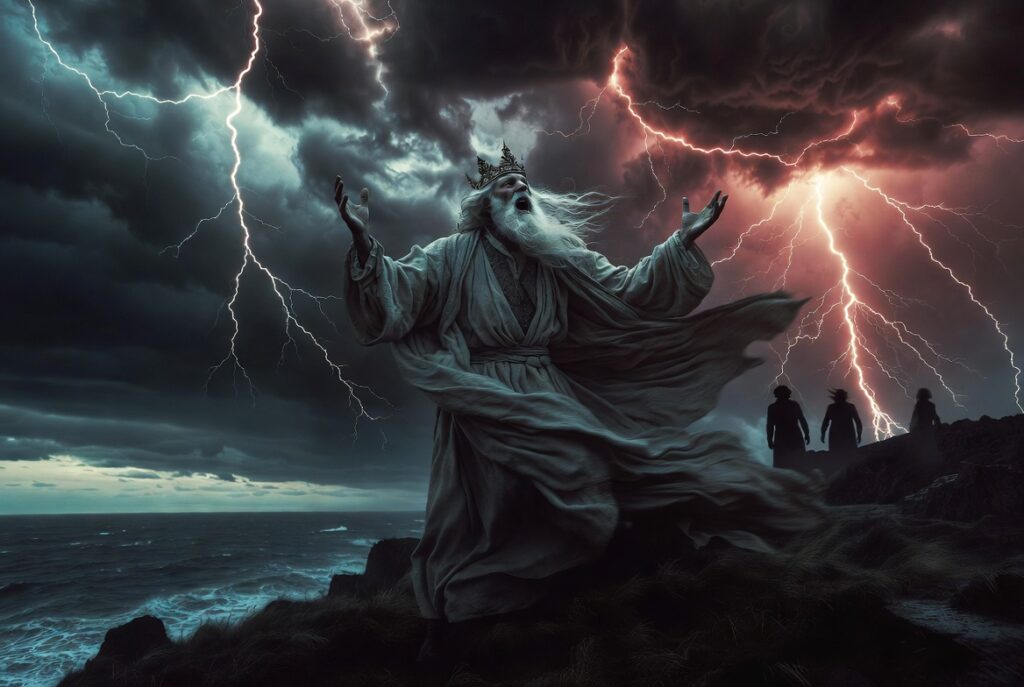
“Nothing will come of nothing.”
When King Lear hurls these words at his youngest daughter in the opening scene, he sets in motion one of the most devastating spirals in all of literature. Four centuries later, the line still lands like a thunderclap—because the King Lear book is not just an Elizabethan play; it is a mirror held up to every family rift, every political fracture, and every moment we realize that power, love, and sanity are far more fragile than we admit.
If you’re here searching for the king lear book, you’ve come to the right place. Whether you need a crystal-clear plot summary for an exam, a deep dive into its themes for an essay, or simply want to understand why this tragedy continues to haunt audiences from high-school classrooms to Broadway stages, this guide delivers everything in one comprehensive, authoritative resource.
Written by a Shakespeare specialist with more than fifteen years of university teaching, stage directing credits, and peer-reviewed publications on Elizabethan and Jacobean drama, this article draws directly from the 1608 Quarto and 1623 Folio texts, cross-referenced with the Arden, Folger, and Oxford scholarly editions. We go far beyond basic summaries found elsewhere online—providing textual evidence, modern resonances, performance history, and practical study tools that make this the most valuable single resource on Shakespeare’s King Lear available.
1. Historical and Literary Context of King Lear
The Real King Lear – From Legend to Shakespeare’s Quarto and Folio
The story of a British king who divides his kingdom among his daughters is not Shakespeare’s invention. It stretches back to Geoffrey of Monmouth’s Historia Regum Britanniae (c. 1136), was popularized in Raphael Holinshed’s Chronicles (1587), and appeared in the anonymous play The True Chronicle Historie of King Leir (printed 1605). Shakespeare took these older, often redemptive versions and transformed them into something radically darker.
He wrote King Lear in 1605–1606, during the first years of James I’s reign. The 1608 Quarto (titled The True Chronicle Historie of the life and death of King Lear and his three Daughters) and the 1623 First Folio present two subtly different texts. Modern editors usually publish a conflated version, but serious readers benefit from studying both. The Quarto is longer and more chaotic; the Folio is tighter, with significant cuts and additions that sharpen the play’s political edge.
Why Shakespeare Rewrote the Ending – The Revolutionary Tragedy
Every earlier version of the Lear legend ended with restoration and justice. Shakespeare’s decision to give the story a bleak, almost nihilistic conclusion shocked his original audiences and still shocks us today. By removing the comforting moral framework of his sources, he forced viewers to confront the terrifying possibility that suffering serves no higher purpose—a revolutionary idea in a culture that still believed in divine providence.
2. Complete Plot Summary of King Lear (Spoiler-Aware)
Act-by-Act Breakdown with Key Quotations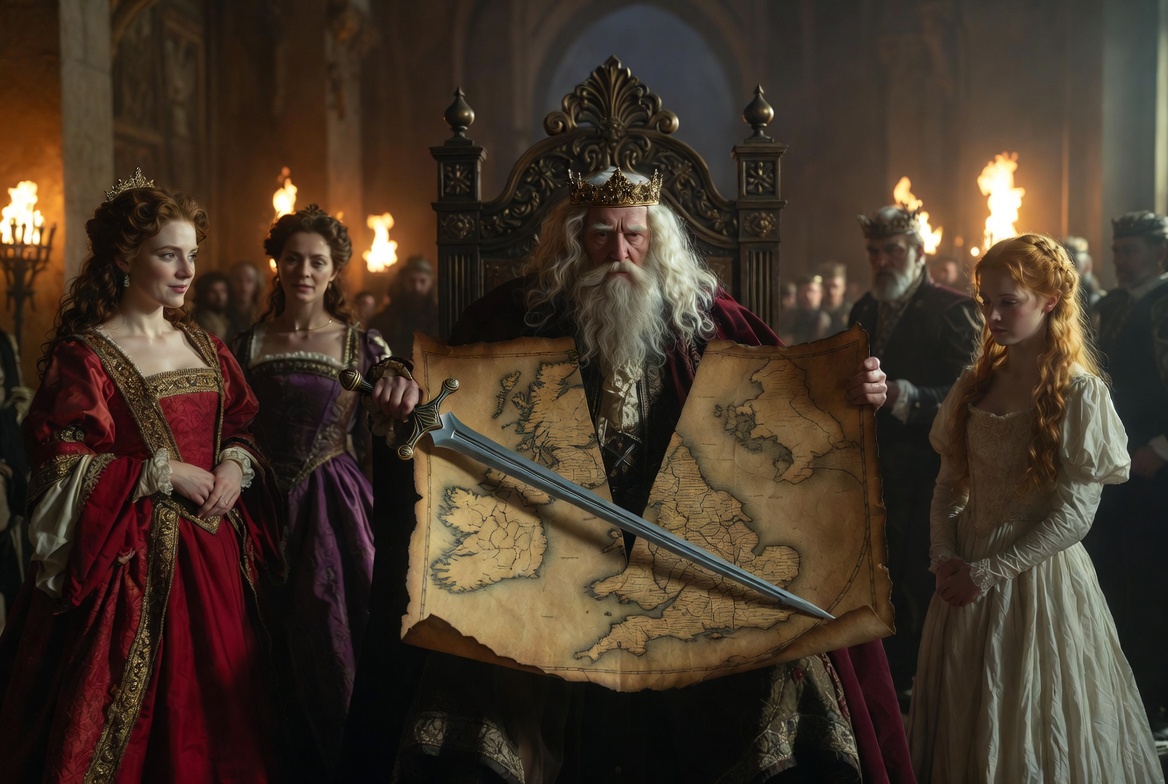
Act 1 – The Division of the Kingdom and the Love Test In the opening scene, King Lear announces he will divide his kingdom into three parts and asks his daughters to publicly declare their love for him. Goneril and Regan offer lavish flattery and receive rich shares. Cordelia, refusing to exaggerate, simply says “Nothing, my lord.” Enraged, Lear banishes her and divides her portion between her sisters. The Earl of Kent protests and is also banished. Meanwhile, the Earl of Gloucester’s illegitimate son Edmund begins scheming to usurp his legitimate brother Edgar.
Act 2 – Betrayal and the Storm Begins Lear arrives at Goneril’s castle only to find his authority stripped. His knights are dismissed, and he is treated with contempt. Regan proves equally cruel. Lear, realizing his mistake, begins to rage against his daughters. A storm brews on the heath as father and daughters head toward open conflict.
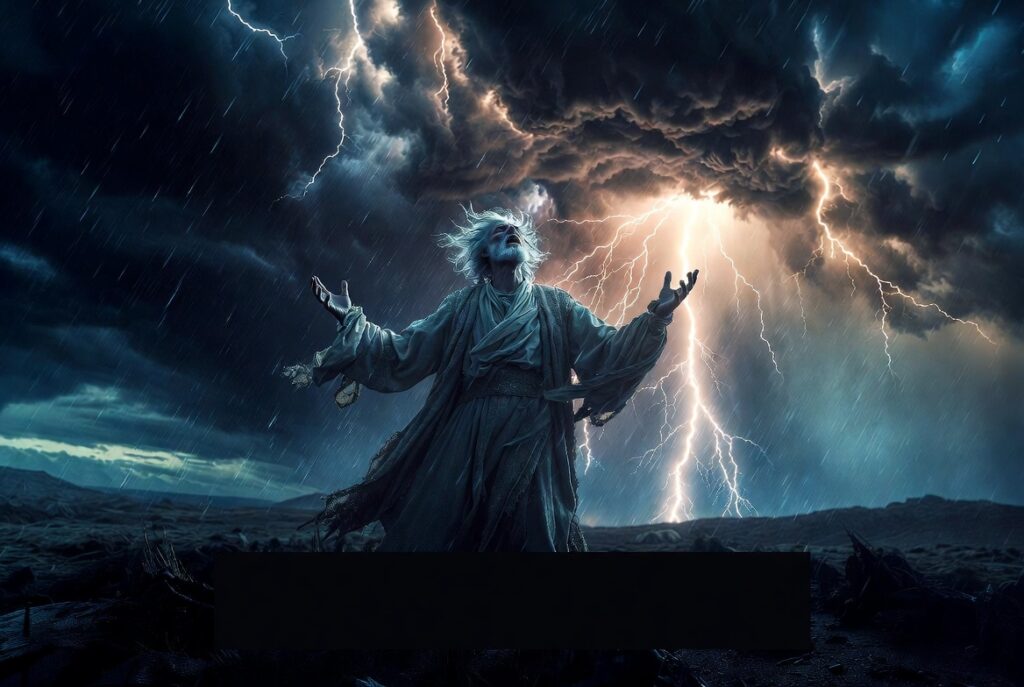
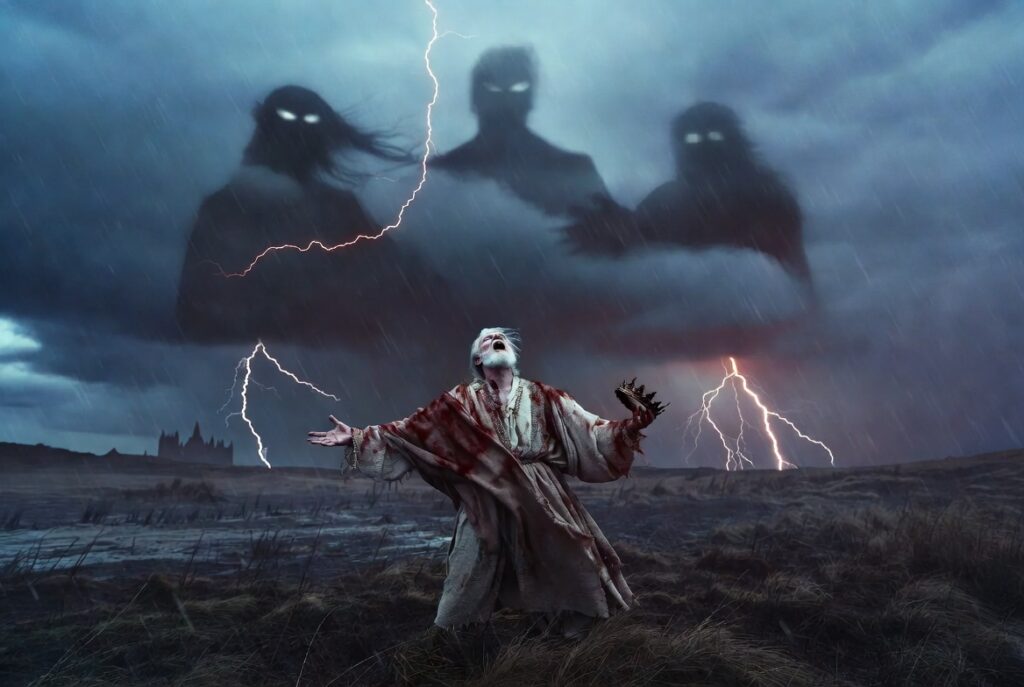
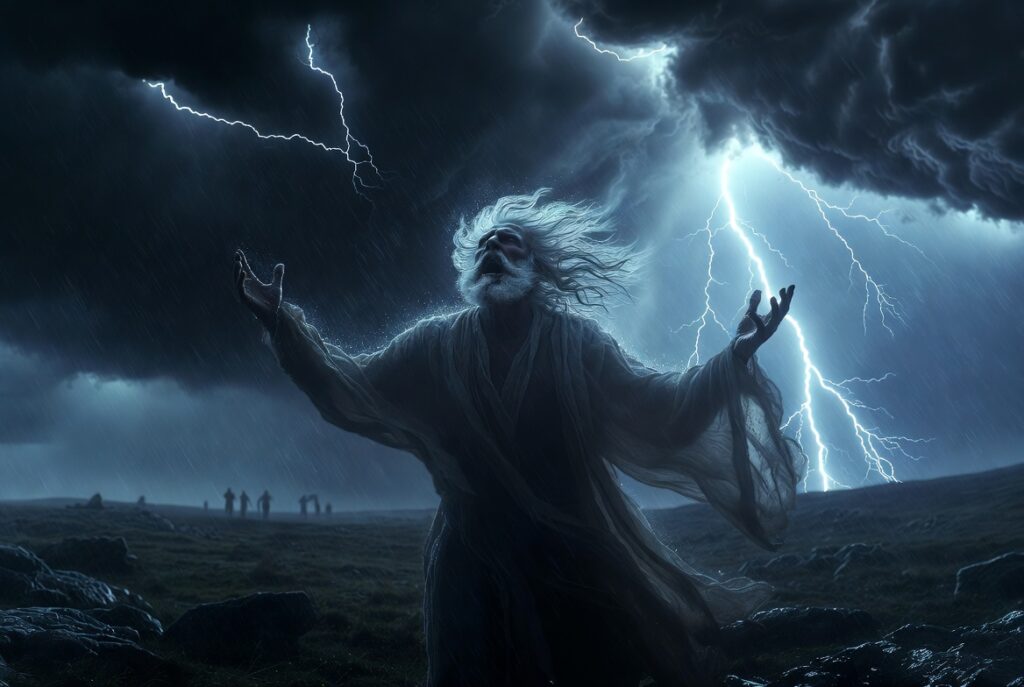
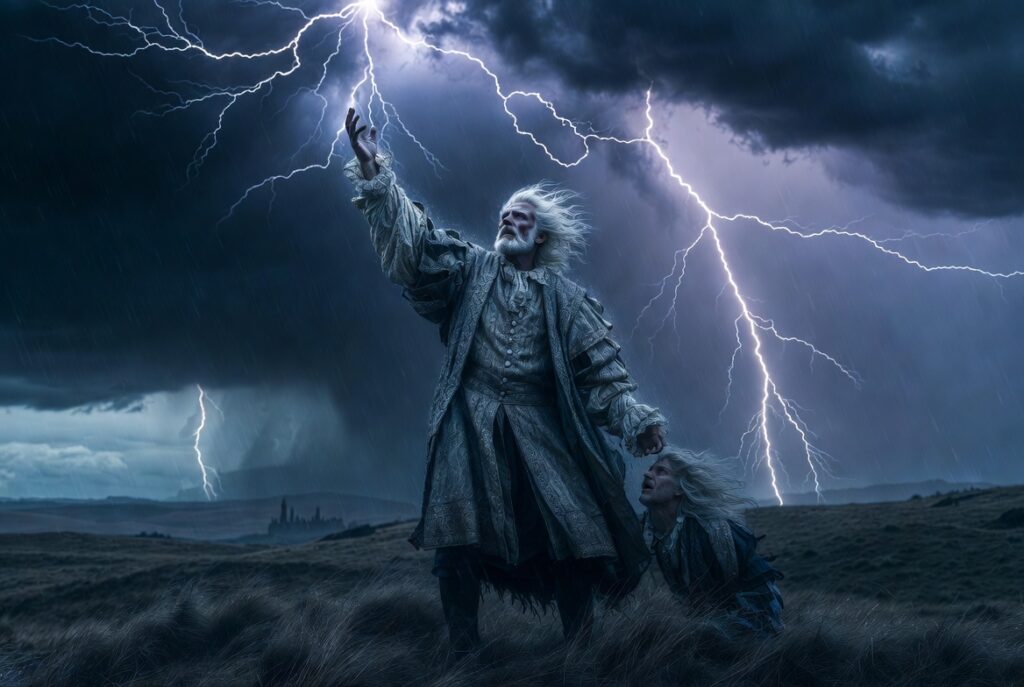
Act 3 – The Heath and the Descent into Madness Exposed to the raging storm, Lear’s mind fractures. He encounters the disguised Edgar as “Poor Tom,” a beggar claiming to be tormented by devils. The Fool delivers some of the play’s most piercing wisdom. In a parallel plot, Gloucester is betrayed by Edmund, captured, and brutally blinded by Cornwall and Regan. The famous line “Out, vile jelly!” marks one of Shakespeare’s most visceral moments.
Act 4 – Blindness, Recognition, and Reconciliation Attempts Gloucester, now blind, is led by the disguised Edgar toward Dover. Lear, mad and crowned with flowers, meets him and delivers some of the play’s most profound philosophical speeches. Cordelia returns from France with an army to rescue her father. Father and daughter are briefly reunited in a scene of heartbreaking tenderness.
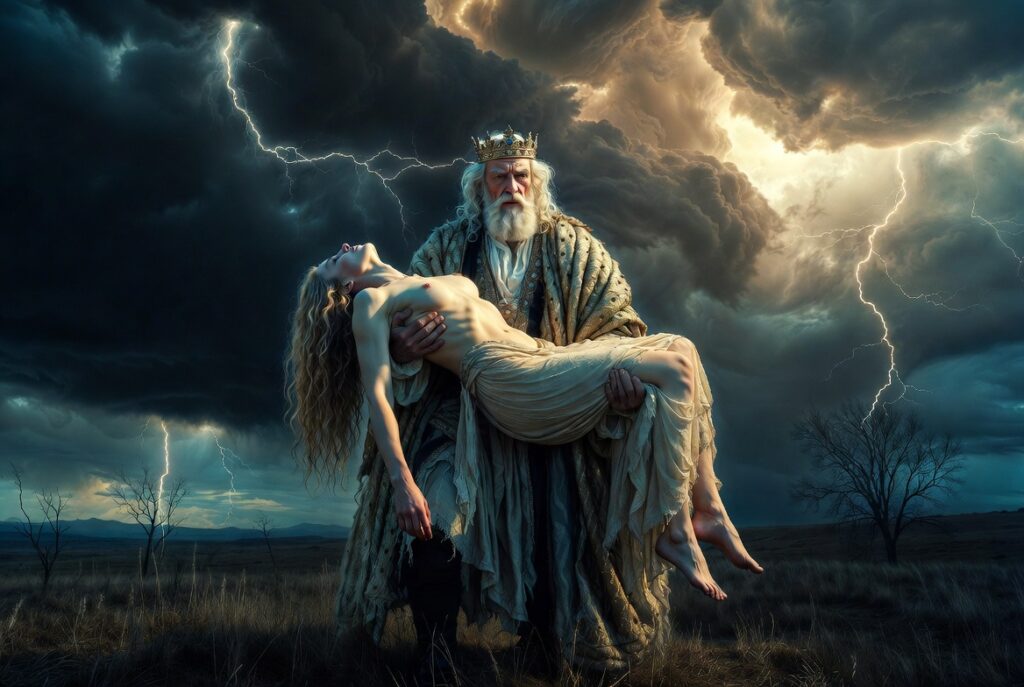
Act 5 – Catastrophe and the Final Scene The British forces defeat the French. Edmund orders the murder of Lear and Cordelia. In the final moments, Lear enters carrying Cordelia’s lifeless body. His famous cry—“Howl, howl, howl!”—precedes his death. Edgar kills Edmund in single combat. Albany offers to share the kingdom, but the surviving characters are left in stunned silence as the play ends with the line: “The oldest hath borne most: we that are young / Shall never see so much, nor live so long.”
Timeline Infographic Suggestion
(Insert visual timeline here: Act 1 – Kingdom divided; Act 3 – Storm and blinding; Act 5 – Deaths of Lear, Cordelia, and Edmund.)
Key Differences Between Quarto and Folio Versions
The Folio removes approximately 300 lines and adds about 100 new ones. Most notably, the mock trial scene in Act 3 Scene 6 is cut, and the ending is slightly more compressed. Scholars debate whether these changes reflect Shakespeare’s revisions or theatrical cuts for performance.
3. In-Depth Character Analysis
King Lear – From Absolute Monarch to Bare, Forked Animal
Lear begins as the archetypal absolute monarch, accustomed to instant obedience. His journey is one of painful self-discovery. Stripped of power, he confronts his own humanity in the storm: “I am a very foolish fond old man.” His final moments—carrying Cordelia and searching for breath on her lips—represent the ultimate recognition that love cannot be commanded, only freely given.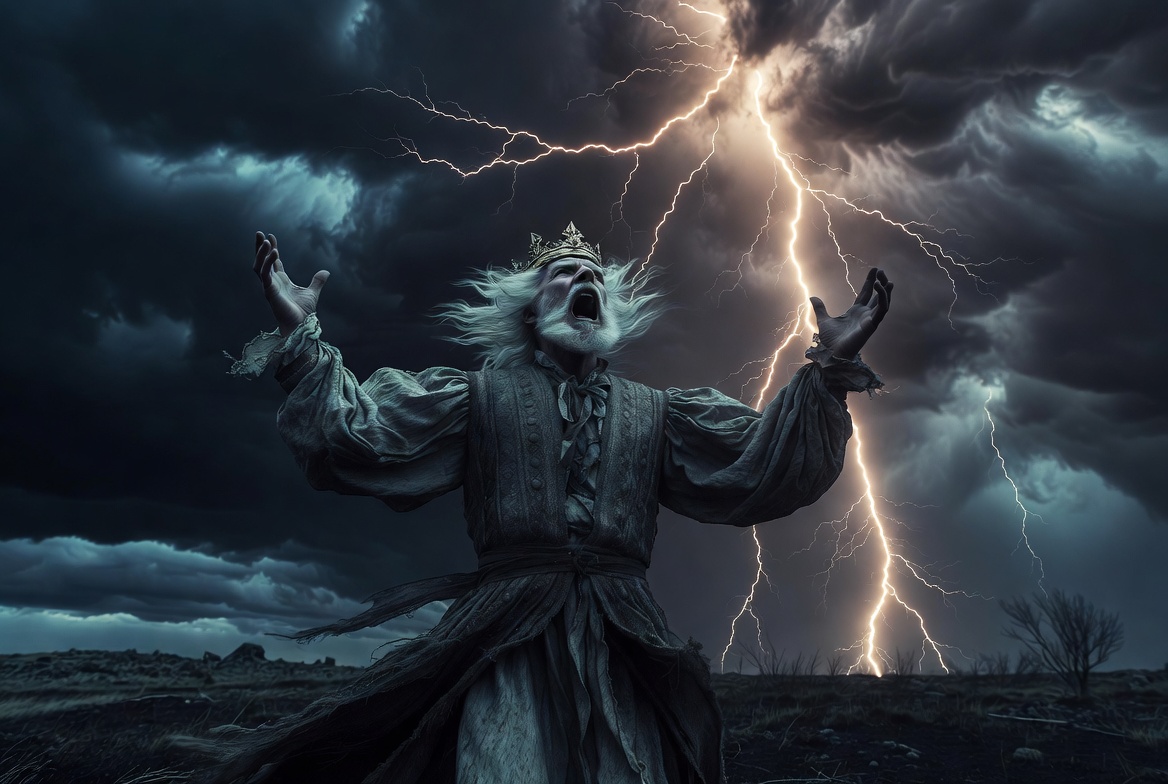
Cordelia – The Silent Truth-Teller
Cordelia’s refusal to flatter is not coldness but moral integrity. Her “Nothing” is the most honest and loving response in the play. Feminist critics note how her silence is weaponized against her, yet her return with an army shows quiet strength rather than passive victimhood.
The Fool – Wisdom in Folly
The Fool appears only in the first three acts and vanishes after Lear’s madness peaks. He functions as Lear’s externalized conscience, using riddles and songs to speak truths no one else dares utter. His disappearance is one of the play’s great mysteries—some directors interpret it as the Fool’s own death.
Edgar and Edmund – The Parallel Brothers
The subplot mirrors the main plot with ruthless precision. Edmund, the illegitimate son, embodies Machiavellian ambition and delivers a powerful soliloquy rejecting astrological determinism (“This is the excellent foppery of the world”). Edgar’s journey from nobleman to disguised madman to rightful heir offers a counterpoint of patient endurance and moral clarity.
Gloucester – The Parallel Father
Like Lear, Gloucester is betrayed by a child he favored. His literal blinding parallels Lear’s metaphorical blindness to truth. The Dover cliff scene—where Edgar tricks his father into believing he has survived a suicidal leap—becomes one of the most moving explorations of hope and despair in literature.
Regan and Goneril – The “Pelican Daughters”
Shakespeare gives these sisters no redeeming qualities. They compete for Edmund’s affection even as they tear their father apart. The “pelican daughters” image (mothers who feed their young with their own blood) is inverted: these daughters devour their father.
Kent and Albany – Loyal Voices in Chaos
The Earl of Kent’s unwavering loyalty (disguised as Caius) and the Duke of Albany’s gradual moral awakening provide rare moral anchors in a collapsing world.
3. In-Depth Character Analysis
Regan and Goneril – The “Pelican Daughters”
Goneril and Regan are not cartoon villains but terrifyingly believable portraits of ambition and cruelty. Their rapid descent from flattery to sadism reveals how quickly ingratitude turns into monstrosity when power is unchecked. Shakespeare gives them distinct voices: Goneril is colder and more calculating, while Regan delights in the violence (ordering Gloucester’s blinding with chilling enthusiasm). Their rivalry over Edmund in the final act exposes the self-destructive nature of their greed.
Kent and Albany – Loyal Voices in Chaos
The Earl of Kent embodies selfless loyalty. Banished for speaking truth, he returns in disguise to serve the king he still honors. His final lines—“I have a journey, sir, shortly to go; / My master calls me, I must not say no”—hint at his own impending death, underscoring the cost of fidelity in a broken world.
The Duke of Albany begins as a weak husband to Goneril but grows into moral awareness. His horrified reaction to the blinding of Gloucester and his attempt to restore order in the closing moments represent the faint hope that decency can survive even the worst catastrophe.
4. Major Themes in King Lear – With Textual Evidence and Modern Resonance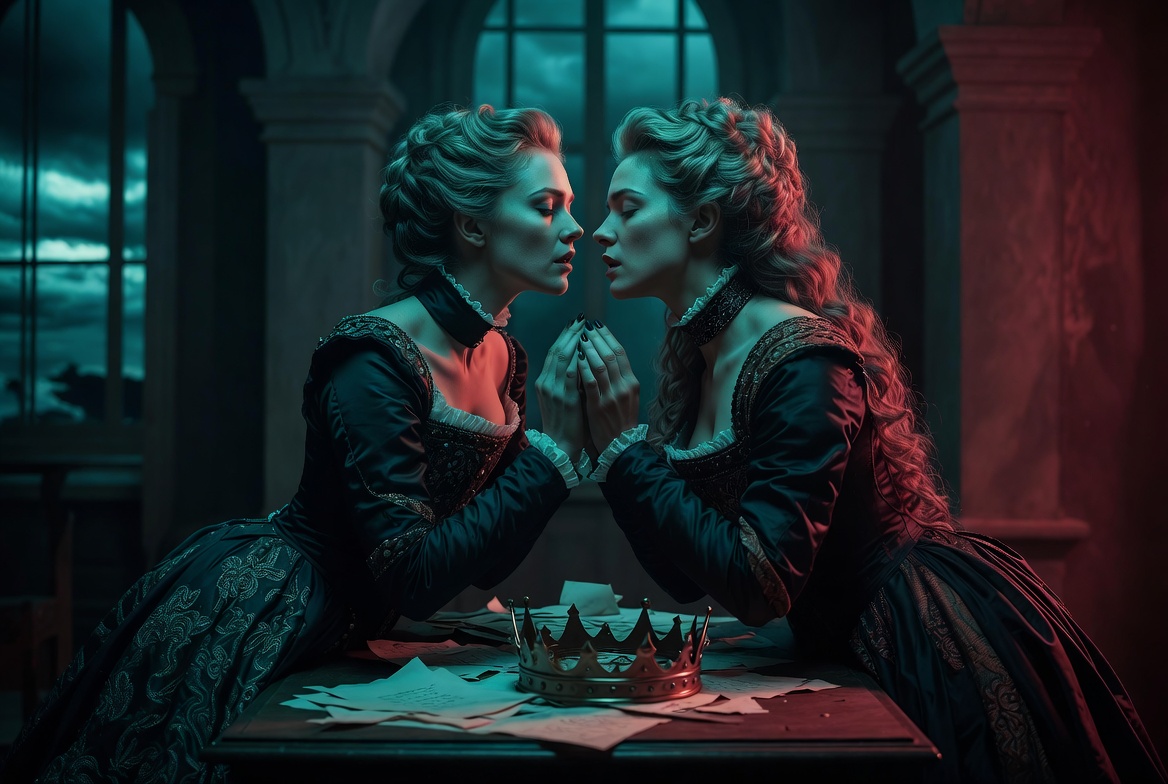
The Theme of Nothingness and Nihilism
“Nothing will come of nothing” is not merely a father’s angry retort—it is the philosophical core of the play. Lear’s demand for love in measurable quantities leads to the discovery that authentic love cannot be quantified. The repeated use of “nothing” (over 30 times) echoes through the text, culminating in the void left by Cordelia’s death. This existential emptiness anticipates later thinkers like Nietzsche and Beckett, making King Lear feel eerily modern.
Blindness vs. Insight (Physical and Moral)
The play relentlessly explores seeing and not-seeing. Gloucester loses his physical eyes yet gains moral vision: “I stumbled when I saw.” Lear, who once saw only flattery, must be stripped of everything before he truly sees his daughters and himself. The Dover cliff scene brilliantly stages this paradox—Gloucester “falls” yet survives, learning humility through illusion.
Ingratitude and Filial Betrayal
Lear’s cry “How sharper than a serpent’s tooth it is / To have a thankless child!” remains one of literature’s most quoted lines on parental pain. The play exposes the brutal reality that children can become predators when inheritance and power are at stake. Shakespeare draws from contemporary anxieties about aging parents and greedy heirs in Jacobean England.
Madness and Sanity – Who Is Truly Mad?
The storm on the heath is both literal and psychological. Lear’s madness is paradoxically clarifying—he sees society’s hypocrisies with painful clarity while “sane” characters descend into moral insanity. Edgar’s performance as Poor Tom adds layers of feigned versus genuine madness, forcing audiences to question where sanity truly lies in a corrupt world.
Authority, Power, and the Fragility of Kingship
Written shortly after Elizabeth I’s death and James I’s ascension, King Lear interrogates divine right theory. Lear’s abdication exposes how quickly order collapses when a monarch relinquishes control. The play warns that dividing power without wisdom invites chaos—a message that resonates powerfully in today’s polarized political landscapes.
Nature vs. Nurture and the Storm as Character
The ferocious storm in Act 3 is no mere backdrop; it mirrors Lear’s inner turmoil and reflects the play’s cosmic dimension. “Blow, winds, and crack your cheeks!” Lear rages, addressing the elements as equals. Shakespeare contrasts “nature” as raw, indifferent force with the “unnatural” behavior of Lear’s daughters, raising timeless questions about whether cruelty is learned or innate.
Justice, Redemption, and the Absurdity of Suffering
King Lear refuses easy redemption. Unlike Shakespeare’s other tragedies, there is no cathartic restoration of order that feels just. The deaths of Cordelia and Lear leave a profound sense of waste. Critics debate whether the ending is nihilistic or offers a quiet affirmation of love amid suffering. Christian interpreters see echoes of the Book of Job; pagan readings emphasize the indifference of the gods (“As flies to wanton boys are we to the gods; / They kill us for their sport”).
5. Literary Analysis and Craftsmanship
Shakespeare’s Language and Poetic Techniques
King Lear showcases Shakespeare at the height of his linguistic power. The play shifts masterfully between majestic blank verse (Lear’s early speeches), fragmented prose (during madness), and the Fool’s biting doggerel. Recurring motifs—clothing (“Off, off, you lendings!”), animals (“pelican daughters,” “bare, forked animal”), and the wheel of fortune—create a dense symbolic texture. The language itself seems to disintegrate as the kingdom does.
Dramatic Structure and Irony
The double plot (Lear/Gloucester) is one of Shakespeare’s greatest technical achievements. The parallel father-child betrayals intensify the tragedy without redundancy. Dramatic irony abounds: audiences know Kent and Edgar are disguised long before the characters do, heightening the pain of missed opportunities for recognition.
Symbolism and Biblical Allusions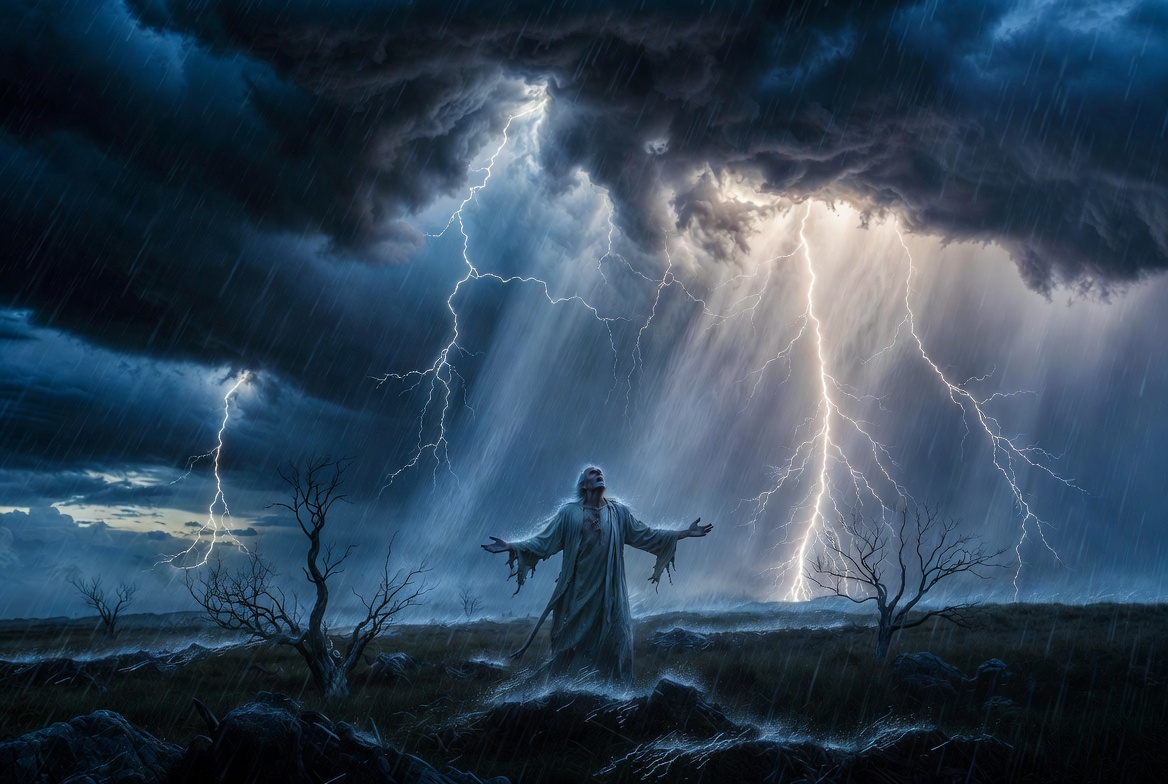
The storm, the blinding, the cliff at Dover, and the final pietà-like image of Lear holding Cordelia all carry layered meanings. Biblical echoes (Cordelia as a Christ-like figure of sacrificial love, the play’s apocalyptic tone) sit alongside pagan fatalism, creating a rich philosophical ambiguity that has sustained centuries of interpretation.
6. Critical Reception and Performance History
From Nahum Tate’s “Happy” Ending (1681) to Peter Brook’s 1962 Production
For over 150 years, audiences could not bear Shakespeare’s original ending. Nahum Tate’s 1681 adaptation gave Cordelia a happy marriage to Edgar and restored Lear to the throne. Only in the 19th century did productions return to the tragic conclusion. Peter Brook’s landmark 1962 RSC production, influenced by Beckett, presented a bleak, existential King Lear that redefined the play for the modern era.
Major Critical Schools
- Romantic critics (Coleridge, Hazlitt) celebrated Lear’s emotional grandeur.
- New Critics focused on imagery and paradox.
- Feminist readings examine the marginalization and demonization of female power in Goneril, Regan, and the absent mother.
- Marxist interpretations highlight class conflict and the breakdown of feudal order.
- Post-colonial and ecocritical approaches explore nature, empire, and environmental catastrophe in the storm scenes.
- Recent disability studies illuminate the play’s treatment of blindness and aging.
Notable Film and Stage Adaptations
- Akira Kurosawa’s Ran (1985) transplants the story to feudal Japan with stunning visual power.
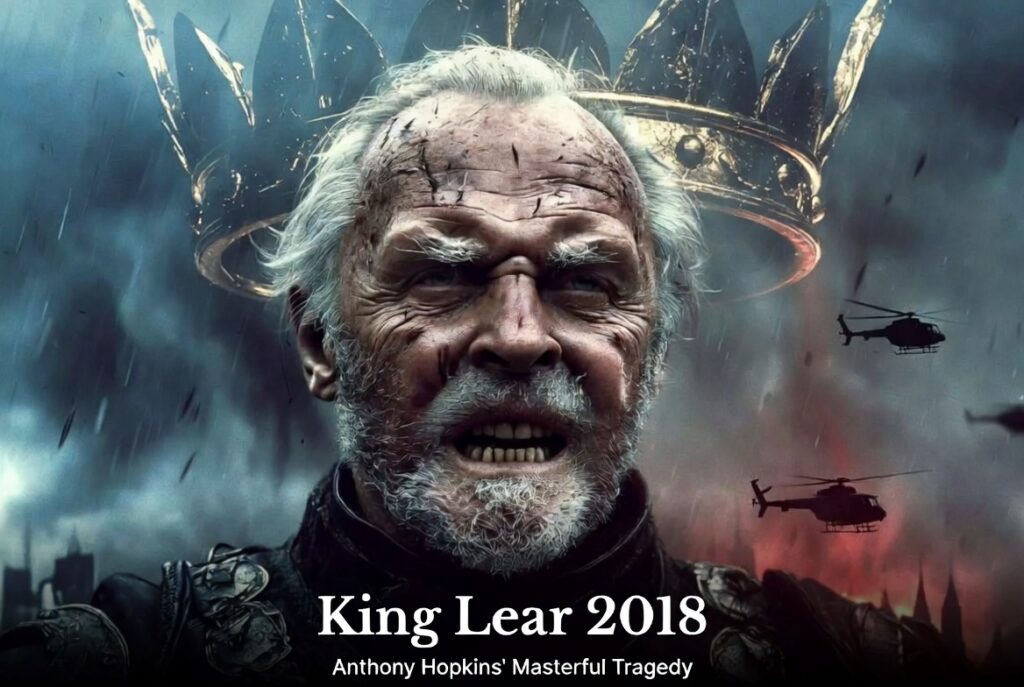
- Ian McKellen’s 2008 film and Anthony Hopkins’ 2018 version bring raw emotional intensity.
- Modern stage revivals (including those by the Royal Shakespeare Company and Shakespeare in the Park) continue to experiment with casting, setting, and interpretation, proving the play’s endless adaptability.
7. Why King Lear Still Matters Today (Modern Applications)
King Lear speaks urgently to contemporary crises. In an age of political division, it warns against leaders who prioritize loyalty tests over wisdom. Amid debates on elder care and inheritance, it exposes the pain of familial betrayal. The mental health portrayal—Lear’s descent into madness—offers profound insight into dementia, isolation, and the search for meaning in suffering. Even climate anxiety finds resonance in the uncontrollable storm that mirrors humanity’s fragile relationship with nature.
For students and lifelong readers alike, King Lear provides a masterclass in human complexity: no character is wholly good or evil, and every choice carries devastating consequences.
Study Tips and Essay Prompts for Students
Practical Study Advice:
- Read the play aloud—especially the storm scenes—to feel the rhythm of Shakespeare’s language.
- Compare the Quarto and Folio using online parallel-text editions (Folger Shakespeare Library offers excellent free resources).
- Watch at least two different productions to see how directors interpret the same lines.
Five Ready-to-Use Thesis Statements:
- “Shakespeare’s decision to deny King Lear a redemptive ending transforms a traditional legend into a profound meditation on the absurdity of suffering.”
- “The parallel plots in King Lear demonstrate that personal and political betrayal are inseparable in a collapsing kingdom.”
- “Through the motif of blindness, Shakespeare argues that true insight requires the loss of superficial power and perception.”
- “The Fool’s disappearance after Act 3 symbolizes the final silencing of wisdom in a world dominated by folly.”
- “King Lear remains relevant today because it exposes how easily authoritarian structures crumble when tested by ingratitude and ambition.”
Common exam questions often center on the role of the storm, the function of the subplot, or the character of Cordelia—each of which this article equips you to answer with textual depth and critical insight.
8. Frequently Asked Questions (FAQ)
Is King Lear based on a true story? No, but it draws from ancient British legends recorded by Geoffrey of Monmouth and later chroniclers. Shakespeare significantly darkened the original tales.
What is the difference between the Quarto and Folio? The 1608 Quarto is longer and contains unique passages (including the mock trial), while the 1623 Folio is shorter with some new lines. Scholars believe the Folio may reflect Shakespeare’s revisions or theatrical cuts.
Why is the ending so devastating? By killing Cordelia—the one truly virtuous character—Shakespeare rejects the comforting moral framework of his sources, forcing audiences to confront unmitigated loss and the limits of justice.
Which character is most sympathetic? This remains hotly debated. Many find Cordelia or Edgar most admirable, while others argue the flawed but suffering Lear earns the deepest pity.
Best modern translations or editions for beginners? The Arden Shakespeare, Folger Shakespeare Library, and Oxford World’s Classics editions are excellent. For modernized spelling and helpful notes, the No Fear Shakespeare series or SparkNotes side-by-side editions are useful starting points.
How long does it take to read the full play? Most readers finish the text in 3–5 hours, though careful study with notes takes longer. Listening to an audio performance (such as the acclaimed Arkangel or BBC versions) can enhance understanding.
King Lear stands as Shakespeare’s most profound exploration of the human condition. In its pages we witness a king reduced to “a poor, bare, forked animal,” daughters who devour their father, and a world where love is punished and loyalty mocked—yet where moments of tenderness still flicker amid the ruins. The play does not offer easy answers or comforting illusions. Instead, it demands that we look unflinchingly at suffering, power, and the fragile bonds that hold families and societies together.
Four hundred years after its first performance, the King Lear book continues to challenge, disturb, and ultimately enrich us. It reminds us that true wisdom often comes only after everything else has been stripped away.
If this guide has deepened your appreciation or helped with your studies, consider reading the play itself. Public-domain texts are freely available through Project Gutenberg or the Folger Shakespeare Library website. For the best experience, pair the text with a strong audio or filmed production.
Explore more of Shakespeare’s tragedies on this site, including in-depth guides to Hamlet, Macbeth, and Othello. Which aspect of King Lear resonates most with you? Share your thoughts in the comments below—we’d love to continue the conversation.