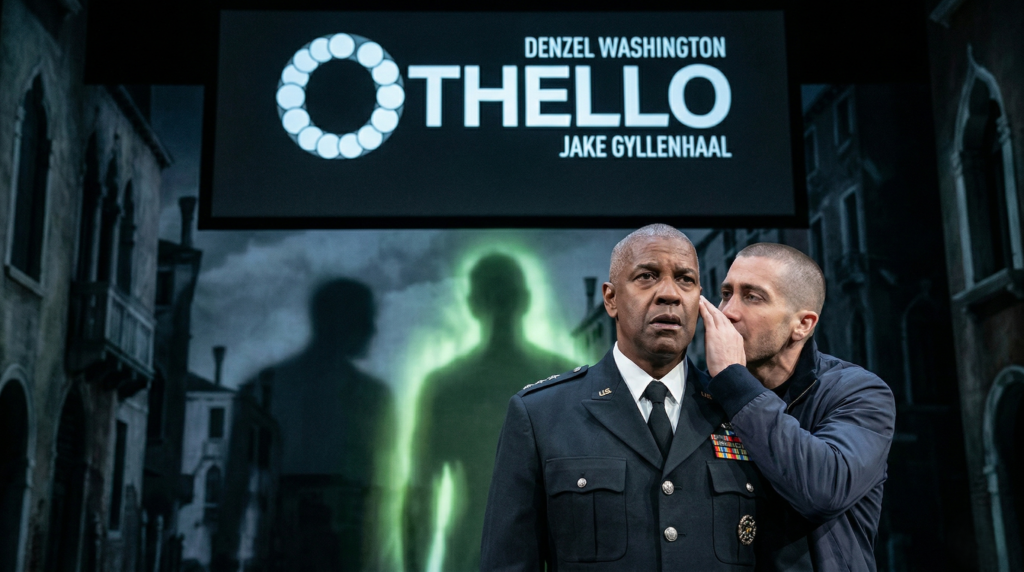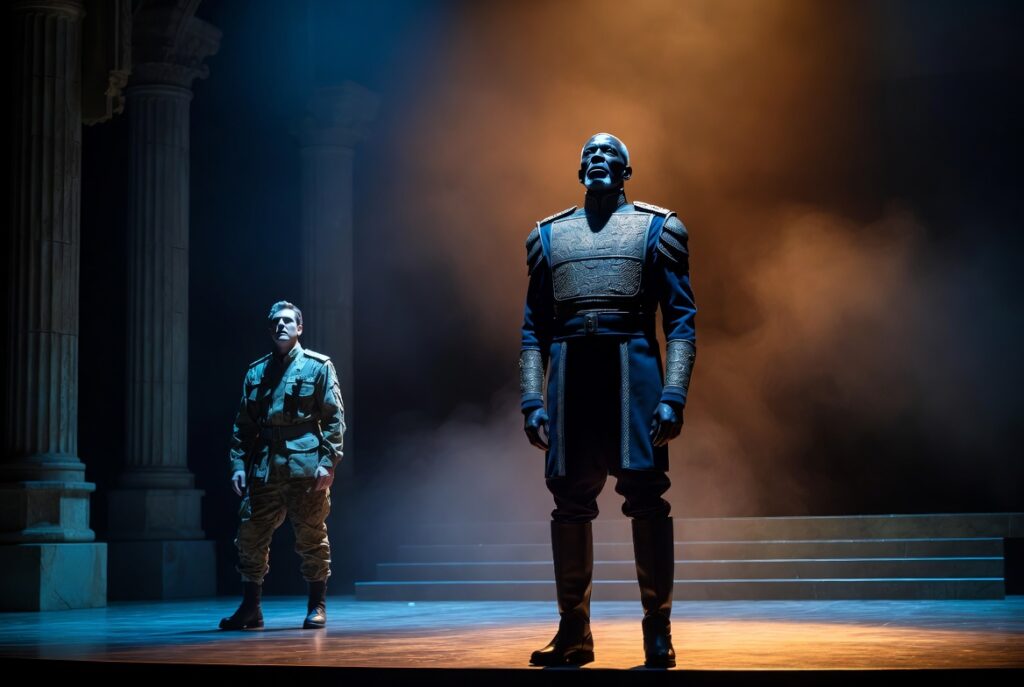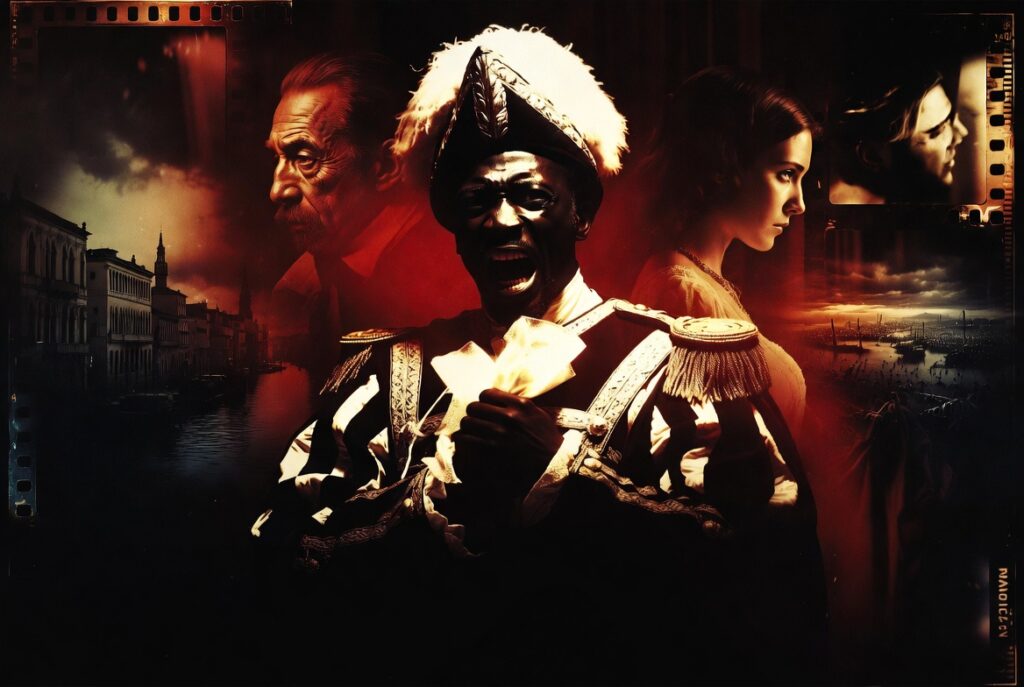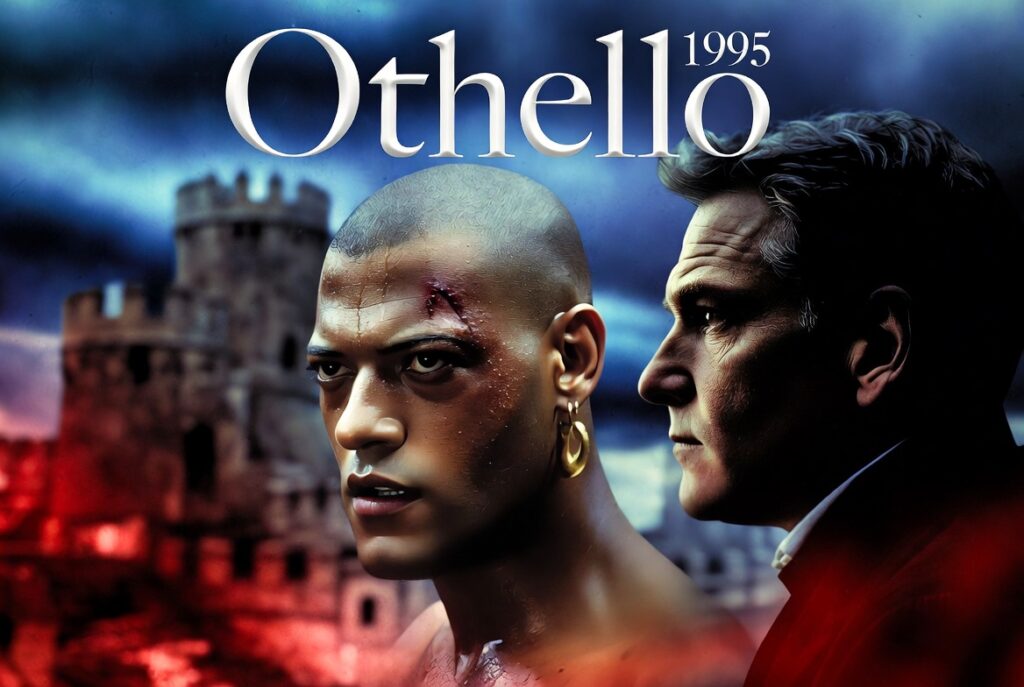
Imagine a clear Mediterranean sky suddenly darkening as violent winds whip across the sea, turning calm waters into a raging tempest. This is not a literal weather report — it is the Othello weather forecast, a powerful metaphor for the emotional and psychological storms that drive William Shakespeare’s gripping tragedy Othello. In this play, love, trust, and honor collide with manipulation and suspicion, creating one of literature’s most devastating atmospheric shifts.
For centuries, readers and audiences have been captivated by how quickly fair skies give way to destructive hurricanes in the heart of the noble Moorish general Othello. Whether you are a student preparing for exams, a theater lover, or someone fascinated by the complexities of human relationships, this comprehensive guide serves as your detailed forecast. We will track the emotional climate act by act, revealing Shakespeare’s masterful use of imagery, character psychology, and dramatic tension. By the end, you will not only understand the play more deeply but also recognize similar “weather patterns” in your own life and modern society.
Understanding the “Weather” Metaphor in Shakespeare’s Othello
Shakespeare frequently employed natural forces — storms, seas, and tempests — as mirrors for human emotion. In Othello, this technique reaches its peak. The Othello weather forecast is more than poetic flair; it is a structural device that guides the audience through the play’s tragic arc.
Why “Weather Forecast” Perfectly Describes This Tragedy
Unlike Hamlet, which is dominated by intellectual paralysis, or King Lear, overwhelmed by literal and figurative madness, Othello moves with the predictable yet terrifying logic of an approaching storm. It begins with gentle breezes of romance and military triumph, builds through gathering clouds of doubt, and culminates in a Category 5 hurricane of jealousy and violence. This meteorological framework helps readers track the rising emotional pressure and makes the tragedy feel both inevitable and preventable.
Shakespeare’s Use of Natural Imagery and Storms in His Works
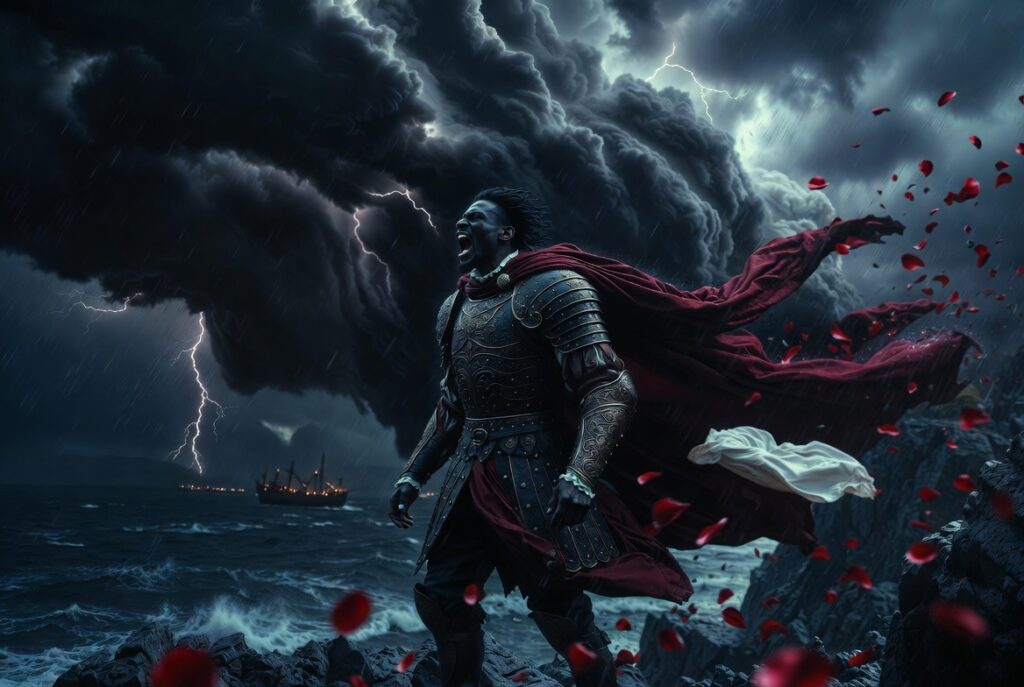
Throughout his canon, Shakespeare links weather to fate and feeling. Think of the witches’ thunder in Macbeth or the raging storm in King Lear. In Othello, the sea storm in Act 2 serves as both a literal event and dramatic foreshadowing. The Turkish fleet is destroyed by tempests, yet the real storm is the one Iago brews among the Venetian characters in Cyprus.
The Emotional Barometer – Jealousy, Honor, and Reputation
At its core, the play measures the barometric pressure of jealousy — what Iago famously calls “the green-eyed monster which doth mock the meat it feeds on.” Honor and reputation act as fragile barometers, easily shattered by whispered suggestions. Understanding this emotional weather system is essential for grasping why a respected general can descend into murderous rage based on planted evidence.
Setting the Scene – The Fair Skies of Act 1 (Venice)
The Othello weather forecast opens under deceptively clear skies in Renaissance Venice.
Clear Skies and Gentle Breezes: Othello and Desdemona’s Secret Marriage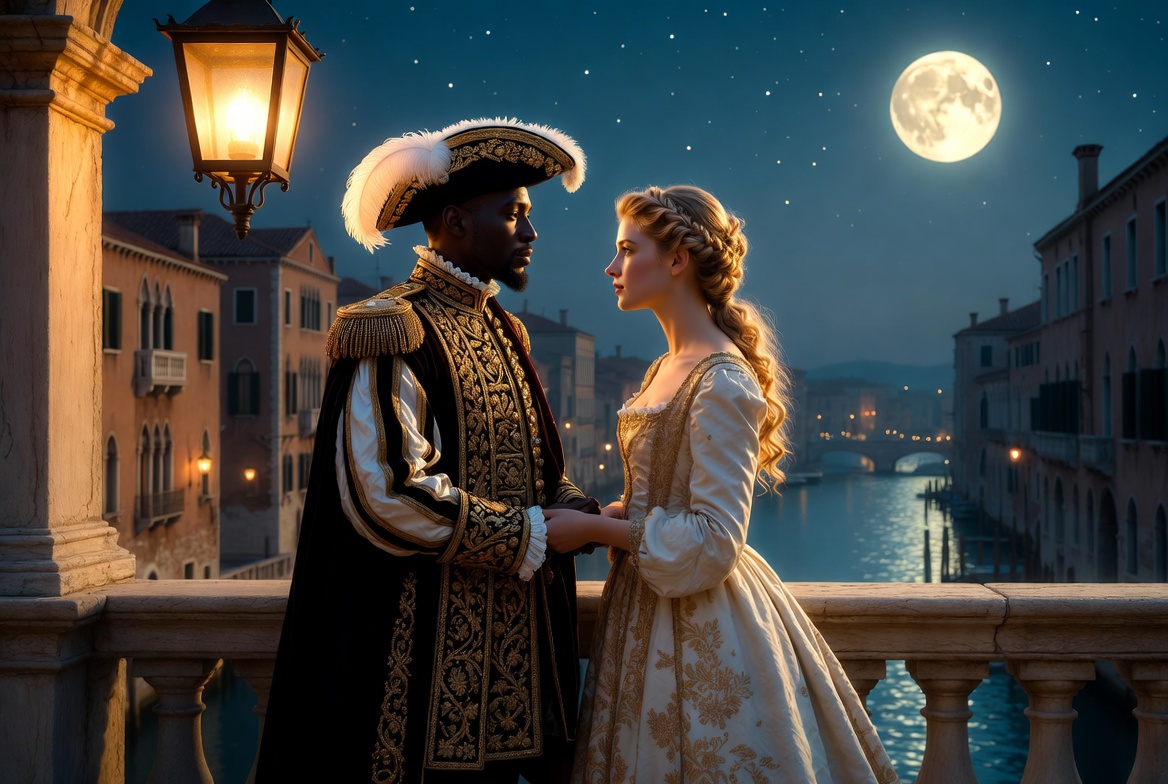
Othello, a battle-hardened Moor serving the Venetian Republic, secretly marries Desdemona, the beautiful daughter of Senator Brabantio. Their union appears blessed by mutual admiration and love. Othello’s eloquent defense of their relationship — “She loved me for the dangers I had passed, and I loved her that she did pity them” — paints an idyllic picture of harmony. For a brief moment, the forecast looks sunny: a triumphant general respected for his military prowess finds personal happiness.
Early Warning Signs – Iago’s Brewing Storm
Yet even in Act 1, dark clouds gather. Iago, Othello’s ensign, feels passed over for promotion when Cassio is named lieutenant. His soliloquies reveal a cold, calculating mind already seeding discontent. Roderigo, a foolish suitor of Desdemona, becomes Iago’s unwitting ally. These early manipulations represent the first low-pressure system forming offshore.
Social and Racial Climate in Elizabethan Venice
Shakespeare brilliantly layers social tension into the atmosphere. Othello’s status as an outsider — a Black man in white Venetian society — creates underlying instability. Brabantio’s accusation of witchcraft reflects the racial prejudices of the era. These cultural headwinds, though not yet a full storm, make the later tragedy more plausible and poignant.
The initial calm in Venice is fragile. The audience senses that any disturbance could rapidly escalate the forecast from fair to stormy.
The Gathering Clouds – Transition to Cyprus (Act 2)
As the action shifts to the island of Cyprus, the Othello weather forecast shows increasing turbulence.
The Sea Storm as Foreshadowing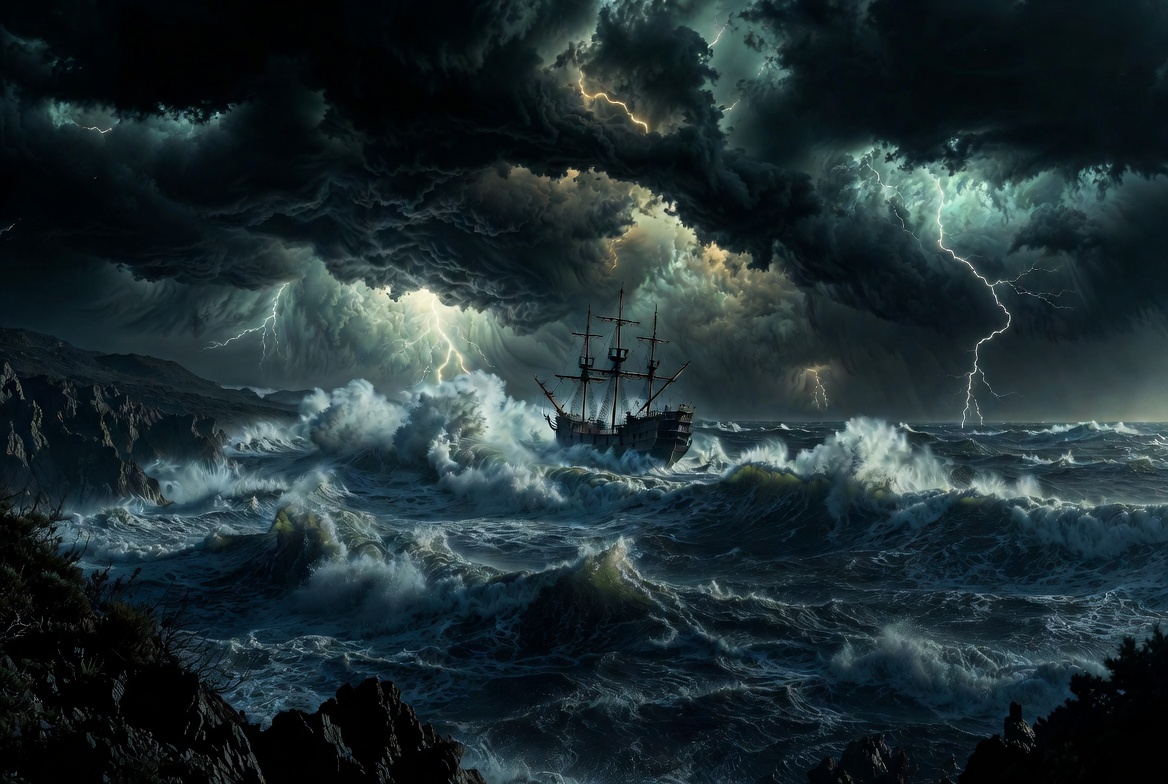
A violent tempest destroys the Turkish invasion fleet, allowing the Venetian characters safe arrival. This literal storm mirrors the emotional chaos to come. Shakespeare uses the sea’s unpredictability to signal that human affairs are equally volatile. Cassio’s respectful greeting of Desdemona contrasts with Iago’s crude asides, highlighting the growing divide between surface calm and hidden malice.
Festive Atmosphere Turns Turbulent
The characters celebrate their victory and the marriage. Wine flows freely during a night of revelry. Iago exploits this festive mood to engineer Cassio’s disgrace. By getting the lieutenant drunk and provoking a fight, Iago removes him from favor. The gentle breezes of celebration shift into gusts of conflict.
Iago Begins Orchestrating the Forecast
Here, Iago emerges as the ultimate meteorologist of manipulation. He understands human weaknesses — Othello’s insecurity about his age and race, Desdemona’s innocence, Cassio’s courtesy — and uses them to create low-pressure zones of doubt. His famous line, “I am not what I am,” reveals his deceptive nature, setting the stage for the intensifying storm.
The Storm Breaks – Jealousy Takes Hold (Act 3)
This is the pivotal section where the Othello weather forecast shifts from gathering clouds to a full-blown storm. Act 3 represents the dramatic turning point, often called the “temptation scene,” where Iago’s poison takes root in Othello’s mind with terrifying speed.
The Temperature Rising: The Handkerchief as Weather Vane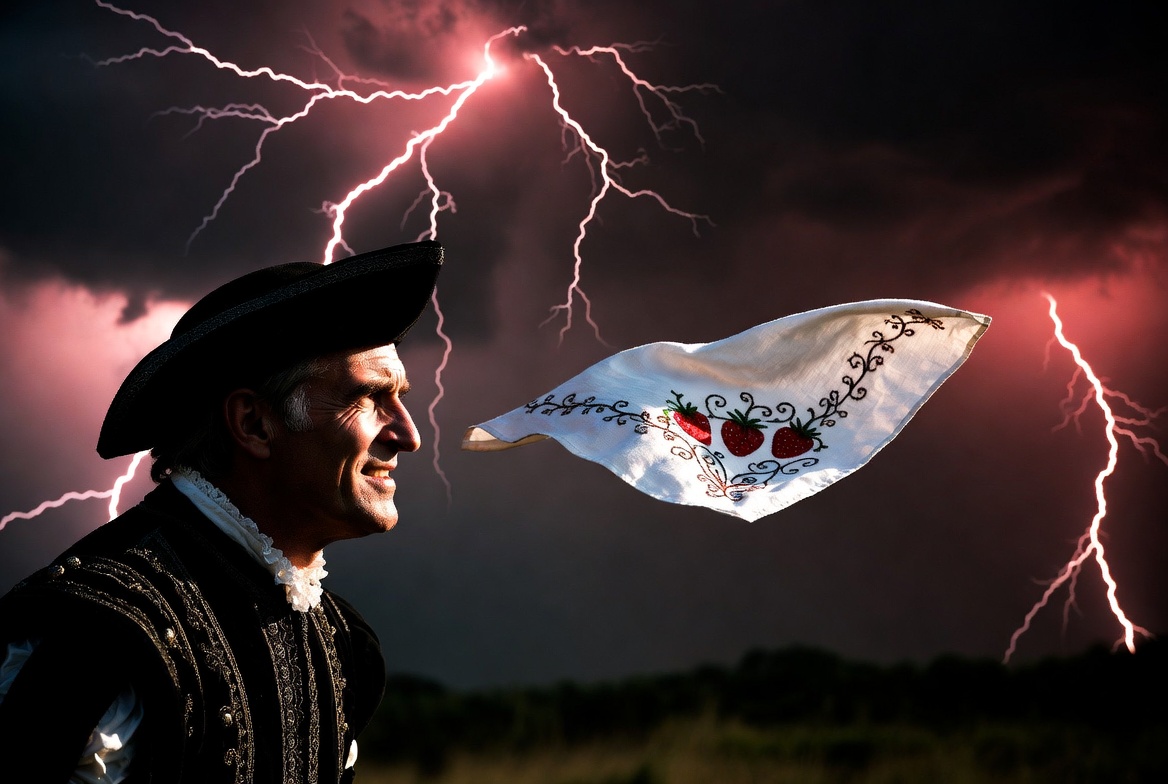
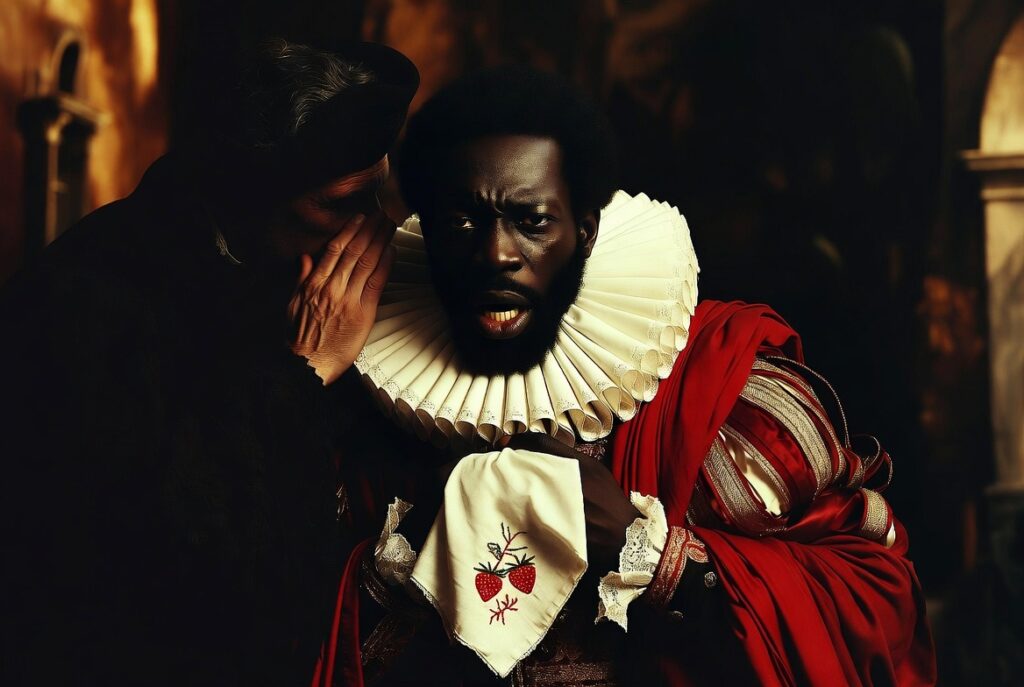
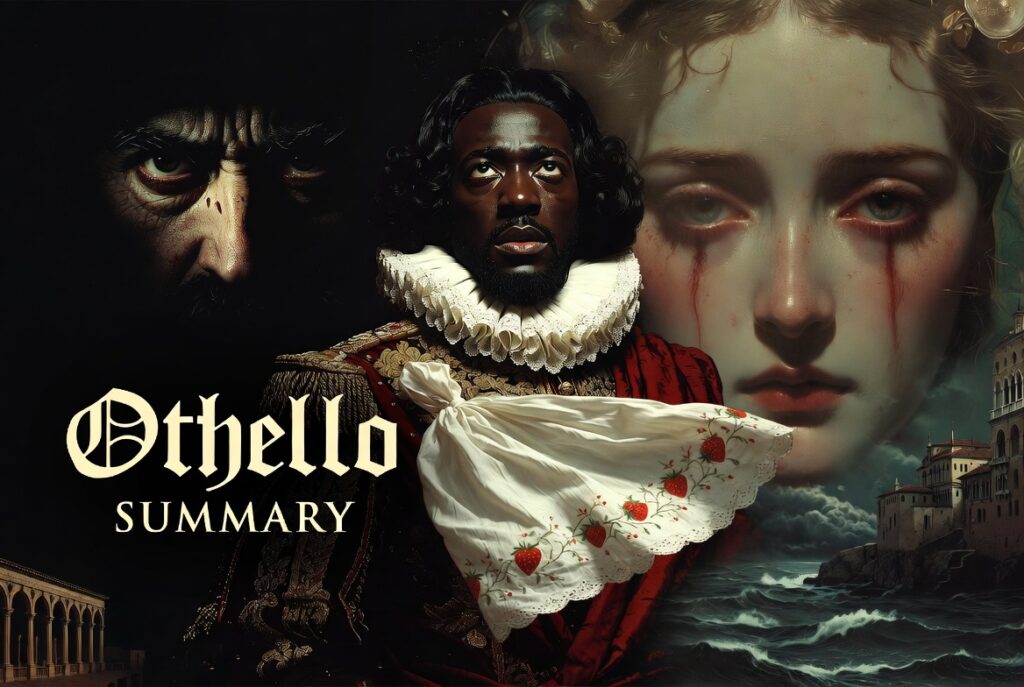
The handkerchief, a seemingly innocent gift from Othello to Desdemona, becomes the central symbol and “weather vane” of the tragedy. Embroidered with strawberries, it carries deep personal and cultural significance — Othello tells Desdemona it was given to his mother by an Egyptian sorceress, imbued with magical properties to ensure fidelity.
When Desdemona loses it (thanks to Emilia unknowingly passing it to Iago), the item transforms into damning “evidence” of infidelity. Shakespeare masterfully uses this prop to show how small details can drastically alter the emotional forecast. What begins as a minor domestic mishap escalates into proof of betrayal in Othello’s increasingly paranoid mind.
“O, Beware, My Lord, of Jealousy” – The Green-Eyed Monster Speech Breakdown
Iago’s manipulation reaches its poetic peak in one of Shakespeare’s most quoted passages:
“O, beware, my lord, of jealousy! It is the green-eyed monster which doth mock The meat it feeds on.”
This speech is a masterclass in psychological warfare. Iago doesn’t directly accuse Desdemona and Cassio; instead, he plants seeds of doubt through hypotheticals and feigned reluctance. He weaponizes Othello’s own insecurities — his age, his race, his status as an outsider — to make the general question everything he once believed. The “green-eyed monster” metaphor perfectly captures the corrosive, self-destructive nature of jealousy, turning the emotional barometer from “changeable” to “storm warning.”
From Doubt to Conviction: Othello’s Psychological Descent
Othello’s transformation is both heartbreaking and horrifying to witness. At the beginning of Act 3, he is confident and loving. By the end, he is kneeling with Iago, swearing vengeance: “Arise, black vengeance, from thy hollow cell!”
His speech patterns deteriorate from majestic poetry to fragmented prose, mirroring the chaos in his mind. This linguistic breakdown is one of Shakespeare’s most brilliant techniques for showing mental collapse. The noble general, once respected across Europe, now sounds like a man lost in a hurricane of emotion.
Iago’s Manipulation Techniques – The Master Storm Creator
Iago operates like a skilled meteorologist who doesn’t just predict the weather — he creates it. His techniques include:
- Gaslighting: Making Othello doubt his own perceptions.
- Selective Evidence: Using partial truths and planted items.
- Exploiting Weaknesses: Targeting Othello’s racial insecurity and military sense of honor.
- False Loyalty: Pretending to be Othello’s most trusted advisor while orchestrating his downfall.
Iago’s soliloquies reveal his pure malice: “I hate the Moor,” he declares, yet he maintains a facade of honesty so convincing that Othello calls him “honest Iago” repeatedly — a devastating use of dramatic irony.
Full Tempest – Chaos and Tragedy Unleashed (Act 4)
By Act 4, the Othello weather forecast reaches hurricane force. The emotional pressure becomes unbearable.
Violent Winds of Rage and Misunderstanding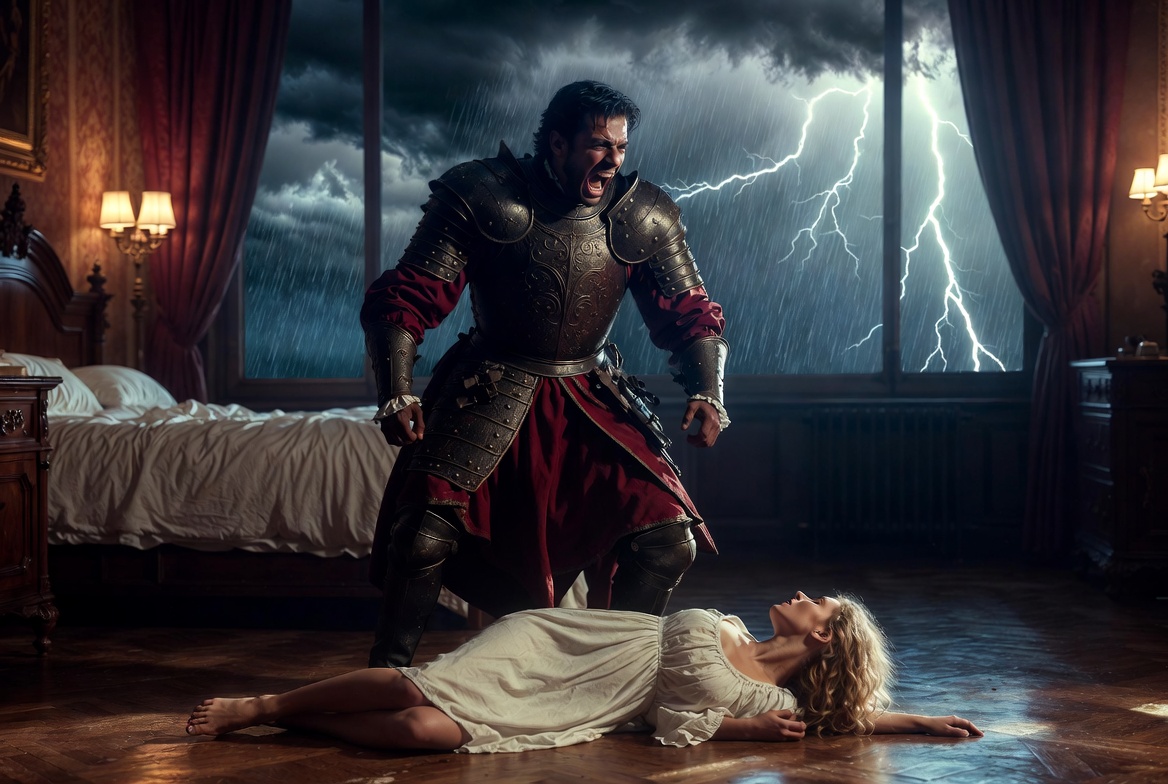
Othello’s confrontation with Desdemona is painful to read. He calls her a “whore” and a “subtle whore,” language completely alien to his earlier romantic eloquence. The storm of jealousy has stripped away his nobility, revealing the raw human vulnerability beneath.
Public Humiliation and Emotional Hurricane
In a deeply tragic scene, Othello strikes Desdemona in public — an act that shocks even the Venetian visitors. This moment represents the complete breakdown of social order and personal control. The once-respected general has become a force of destruction.
Desdemona’s Innocence vs. the Storm of False Accusations
Throughout the tempest, Desdemona remains a beacon of innocence and loyalty. Her confusion and unwavering love (“My lord, what is your will?”) heighten the tragedy. She cannot comprehend the forces destroying her marriage, much like someone caught unprepared in a sudden storm.
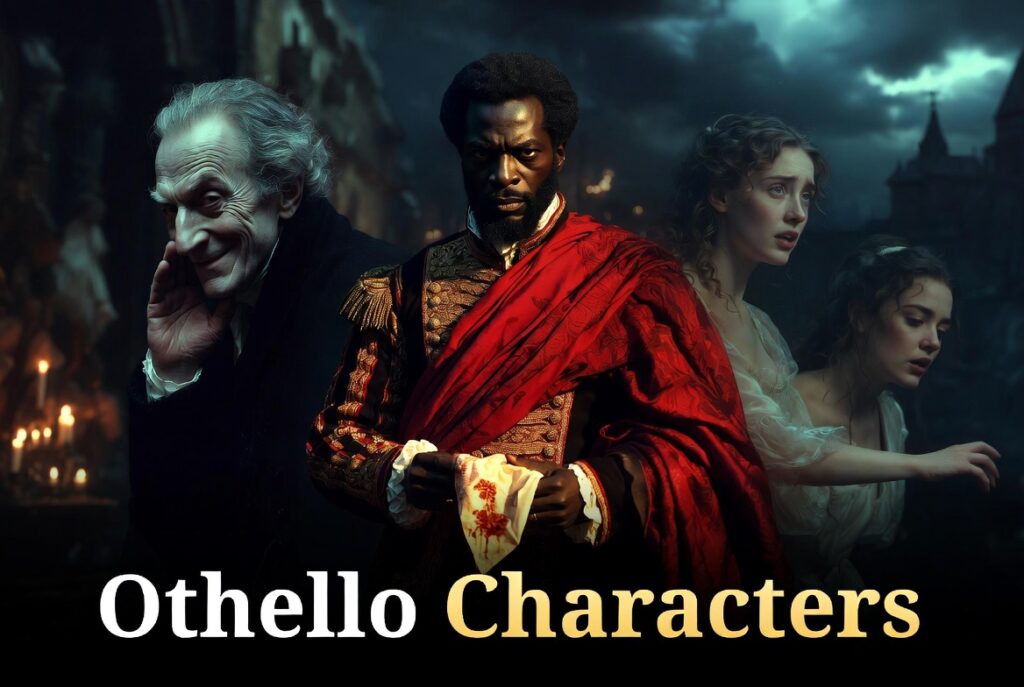
Character “Pressure Systems”: Othello, Iago, Cassio, Emilia
Each major character functions as its own pressure system:
- Othello: High-pressure honor collapsing into low-pressure rage.
- Iago: Cold, calculating architect of chaos.
- Cassio: Unwitting victim caught in the crosswinds.
- Emilia: Initially compliant but increasingly aware of the storm’s true source.
The Tragic Aftermath – Devastation and Calm (Act 5)
The Final Storm Surge: Murder and Revelation
In the bedroom scene, the hurricane reaches its devastating peak. Othello smothers Desdemona, believing he is delivering justice. The discovery of Emilia’s role and Iago’s treachery brings a final, clarifying lightning strike of truth.
After the Tempest – Regret, Suicide, and Justice
Othello’s final speech is one of Shakespeare’s most moving. He asks to be remembered as “one that loved not wisely but too well,” then takes his own life. The play ends not with catharsis but with quiet devastation — the calm after the storm, littered with bodies and broken lives.
Lodovico’s closing lines restore a semblance of order, but the human cost remains staggering.
Major “Weather Patterns” and Literary Devices in Othello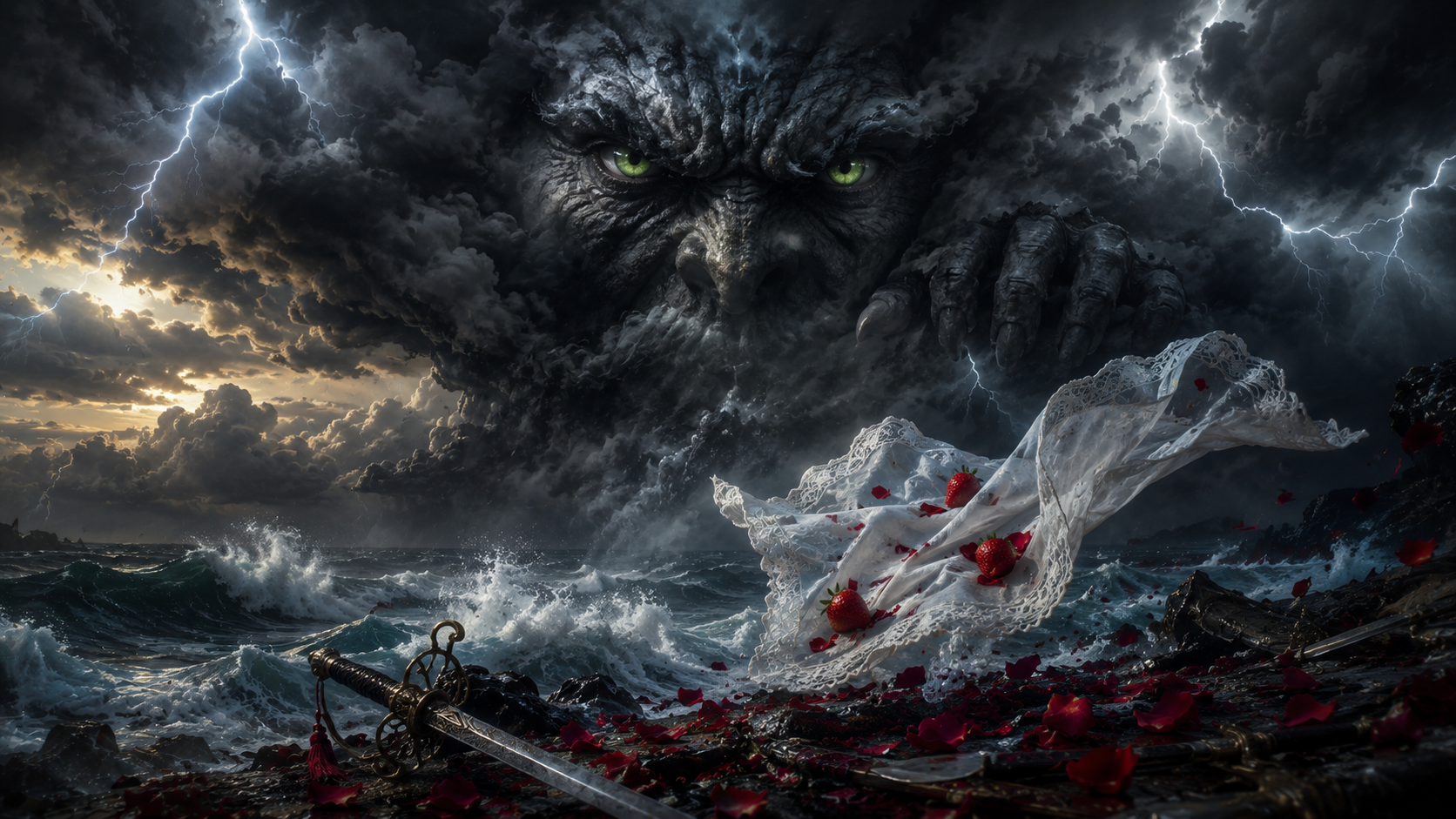
Shakespeare’s genius lies in his layered use of imagery. Storms, seas, and animals (the green-eyed monster, spiders, flies) create a rich symbolic forecast. Dramatic irony — the audience knowing what Othello does not — keeps tension high. The contrast between light and darkness, black and white, further deepens the thematic resonance.
Othello’s linguistic journey from controlled verse to chaotic prose charts the psychological weather with precision.
Historical and Cultural Climate – Context That Shaped the Play
Written around 1603-1604, Othello reflects Elizabethan anxieties about race, empire, and gender. Moors were both feared and romanticized in England. The play interrogates these tensions while exploring universal themes of jealousy and manipulation that transcend its time.
Modern Othello Weather Reports – Relevance Today
The Othello weather forecast remains alarmingly relevant in our era of social media, where rumors spread faster than any Renaissance whisper. Toxic jealousy, cancel culture, and identity-based insecurities mirror the play’s dynamics. Modern productions often emphasize racial themes, toxic masculinity, or gaslighting in relationships.
Practical Lessons from Othello’s Forecast
- Recognize Early Signs: Small manipulations can escalate quickly.
- Prioritize Communication: Othello’s failure to talk openly with Desdemona proves fatal.
- Guard Against Jealousy: Trust requires active maintenance.
- Value Evidence Over Emotion: Othello’s greatest mistake was accepting planted “proof.”
These lessons offer real psychological and relational value for contemporary readers.
Expert Insights and Analysis
Othello stands apart from other Shakespearean tragedies due to its domestic scale and rapid pace. Unlike the grand political storms of King Lear, this is a deeply personal tragedy. Its continued popularity in theaters worldwide testifies to Shakespeare’s unmatched understanding of human psychology.
Final Weather Outlook
The Othello weather forecast ultimately warns us of the destructive power of unchecked jealousy and masterful manipulation. Shakespeare shows how quickly clear skies can turn deadly and how fragile human happiness truly is.
By studying this play, we become better equipped to navigate our own emotional storms. The tragedy endures not because it is bleak, but because it reveals profound truths about love, trust, and the human heart.
What “weather” are you facing in your relationships or life? Share your thoughts in the comments. For more Shakespeare analysis, explore our guides to Hamlet, Macbeth, and the complete Shakespearean tragedies.
FAQs
What is the main conflict or “storm” in Othello? The central storm is the destructive force of jealousy, skillfully manufactured by Iago.
Why does Shakespeare use so much weather and sea imagery? It externalizes internal emotional states and foreshadows tragic events.
Is Othello’s jealousy believable? Yes, when viewed through the lens of his insecurities and Iago’s expert manipulation.
What does the handkerchief symbolize? Fidelity, love, and cultural heritage — its loss triggers the tragic chain of events.
How does Othello relate to modern relationship problems? It offers timeless warnings about trust, communication, gaslighting, and the dangers of assumptions.