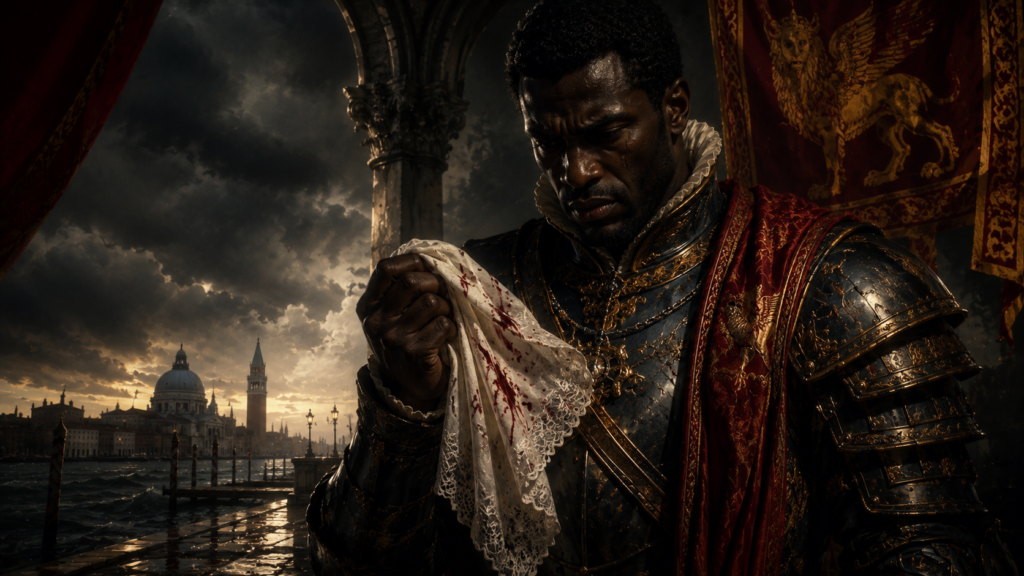
Jealousy is a green-eyed monster that can destroy even the strongest love and noblest soul. Few works in literary history capture this truth with such devastating power as William Shakespeare’s Othello. Written more than 400 years ago, this tragedy continues to resonate deeply with modern audiences because it explores universal human weaknesses: manipulation, racial prejudice, toxic masculinity, and the fragility of trust.
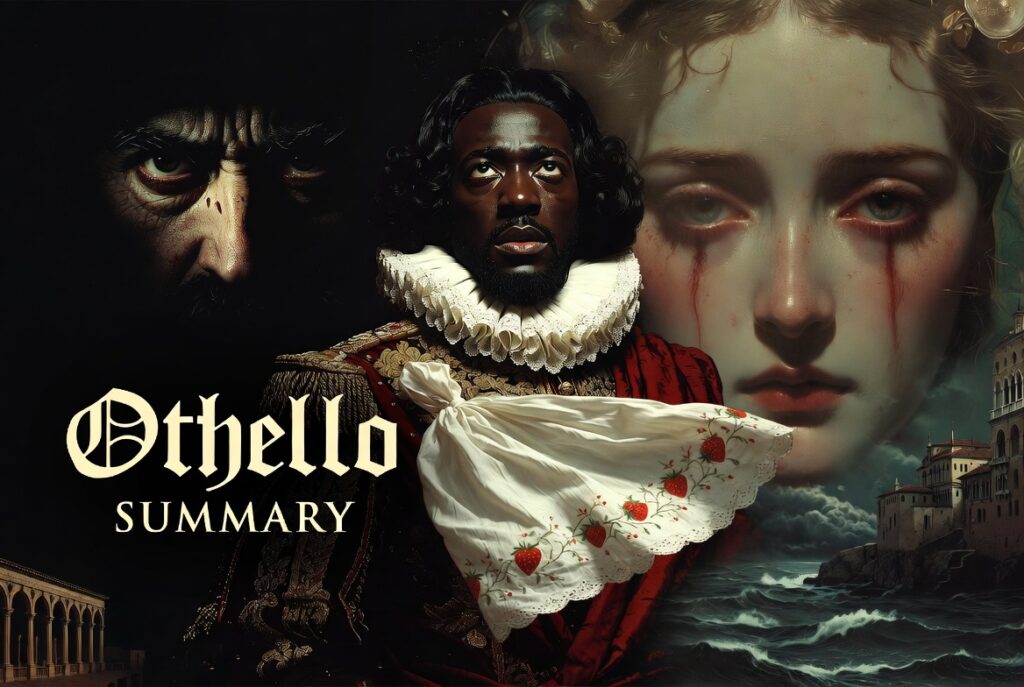
Othello William Shakespeare stands as one of the Bard’s most gripping and psychologically penetrating plays. In this comprehensive guide, you will find a detailed act-by-act summary, in-depth character analysis, exploration of major themes, symbolism, critical interpretations, and practical study resources. Whether you are a student preparing for exams, a teacher designing lessons, or a literature lover seeking deeper understanding, this article delivers the complete resource you need.
Historical Background and Shakespeare’s Context
William Shakespeare composed Othello around 1603–1604, during the early reign of King James I. The play was first performed at the Globe Theatre and later at the court. It belongs to Shakespeare’s great tragic period, alongside Hamlet, King Lear, and Macbeth.
The primary source for the story was a 1565 Italian tale by Giovanni Battista Giraldi Cinthio titled “Un Capitano Moro” from his collection Hecatommithi. Shakespeare significantly elevated the material, transforming a straightforward tale of revenge into a profound psychological drama.
Why Shakespeare Set Othello in Venice and Cyprus
Venice in the Elizabethan imagination represented a wealthy, cosmopolitan republic — a place of political intrigue, commerce, and cultural mixing. Choosing a Moor (a North African Muslim or dark-skinned person) as the protagonist was bold for the time. Cyprus, then under Venetian control and threatened by the Ottoman Empire, provided a volatile military setting that heightened dramatic tension. These choices allowed Shakespeare to examine themes of otherness and belonging in a sophisticated, international context.
Elizabethan England had complex attitudes toward race. While Moors were sometimes viewed with suspicion, noble Moorish figures appeared in literature and court life. Shakespeare uses this historical backdrop masterfully to explore prejudice without making the play simplistic propaganda.
Complete Plot Summary of Othello (Act-by-Act)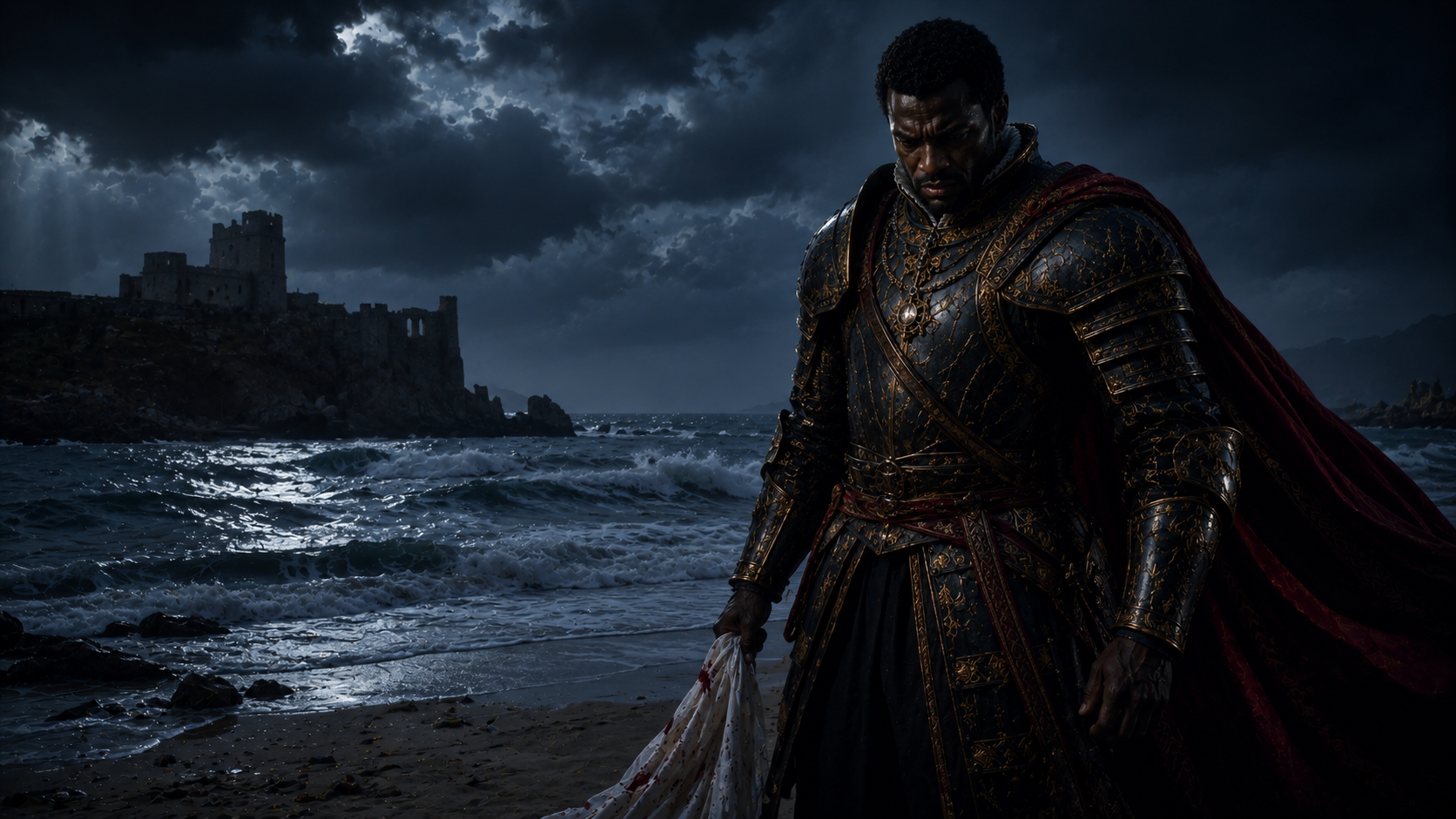
Act 1 – The Moor of Venice: Secret Marriage and Initial Conflict
The play opens in Venice at night. Iago, a soldier passed over for promotion, complains to Roderigo that Othello, a respected Moorish general, has promoted the younger Michael Cassio to lieutenant instead of him. Iago reveals his deep hatred and begins plotting revenge.
Meanwhile, Brabantio, a Venetian senator, discovers that his daughter Desdemona has secretly married Othello. Enraged by what he sees as witchcraft or seduction, Brabantio accuses Othello before the Duke. Othello defends himself eloquently, and Desdemona confirms her love and free choice. The Duke appoints Othello to lead forces against a Turkish invasion of Cyprus. Iago already begins sowing seeds of doubt.
Act 2 – Arrival in Cyprus and Iago’s First Schemes
The Turkish fleet is destroyed by a storm. In Cyprus, celebrations ensue. Iago manipulates Roderigo into picking a fight with Cassio, leading to Cassio’s demotion. Iago then advises Cassio to seek Desdemona’s help to regain his position — a move designed to make Othello suspicious of his wife’s closeness to the handsome lieutenant.
Act 3 – The Turning Point: Seeds of Jealousy
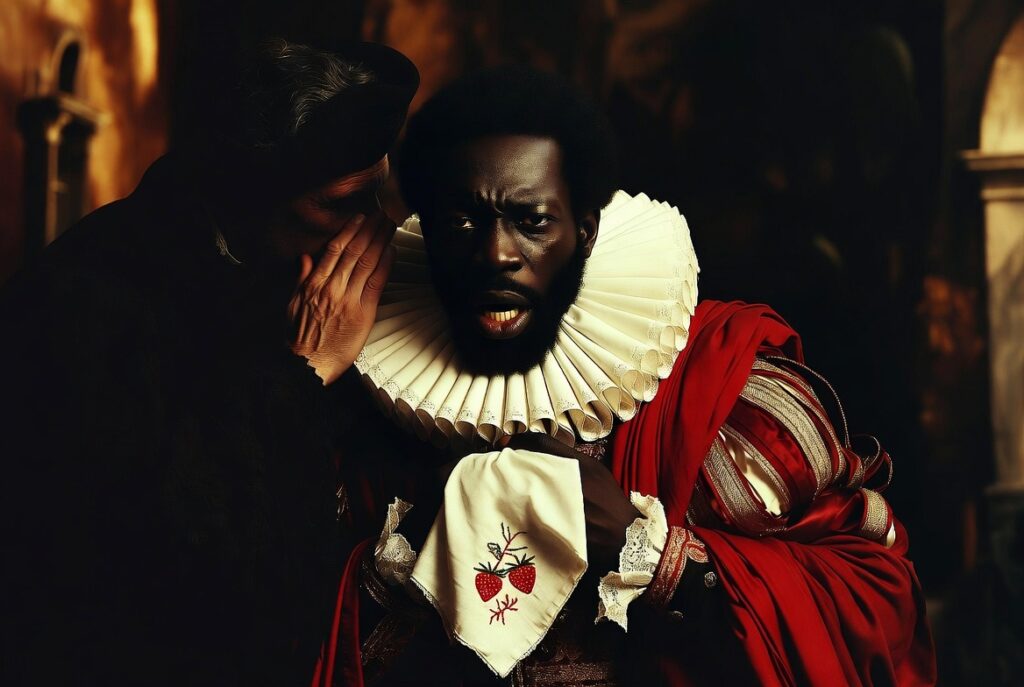
This is the most masterful act in Shakespearean tragedy. Iago skillfully plants doubts in Othello’s mind about Desdemona’s fidelity with Cassio. The famous handkerchief — Othello’s first gift to Desdemona — becomes the central piece of “evidence.” By the end of the act, Othello is consumed by jealousy and vows revenge, kneeling with Iago in a chilling pact.
Act 4 – Manipulation Reaches Its Peak
Othello’s mental state deteriorates rapidly. He publicly humiliates Desdemona, calling her a whore. Iago arranges for Othello to overhear a conversation with Cassio that he deliberately misinterprets. Roderigo grows restless, but Iago keeps him involved. Othello becomes fully convinced of Desdemona’s guilt.
Act 5 – Tragic Climax and Resolution
In the final act, Othello smothers Desdemona in their bed. Emilia, Iago’s wife and Desdemona’s attendant, discovers the truth and exposes Iago’s villainy despite his threats. Othello, realizing his terrible mistake, kills himself. Iago is arrested but remains defiantly silent. Cassio is restored, and the tragedy ends in profound loss.
In-Depth Character Analysis
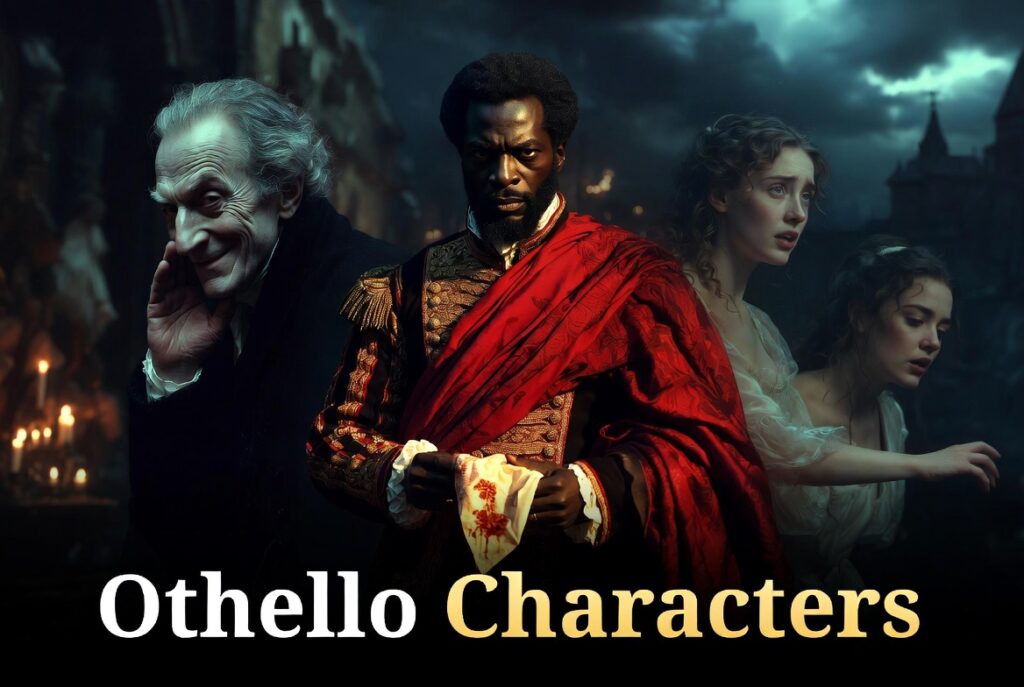
Othello – The Noble Moor
Othello is a complex tragic hero. A highly respected military commander, he possesses dignity, courage, and eloquence. His tragic flaw (hamartia) is not stupidity but an excess of trust combined with deep-seated insecurities about his race, age, and outsider status in Venetian society. Shakespeare shows Othello’s gradual descent from noble confidence to animalistic rage through masterful language shifts — from elevated verse to fragmented prose.
Iago – Shakespeare’s Greatest Villain
Many critics consider Iago one of the most chilling villains in literature. Unlike traditional villains driven by clear motives, Iago’s hatred appears motiveless or multiply motivated (professional grievance, suspected infidelity, racial resentment, pure enjoyment of evil). His soliloquies reveal a brilliant, improvisational mind that delights in manipulation. Iago represents the danger of unchecked resentment and the power of language as a weapon.
Desdemona – Purity, Strength, and Tragedy
Desdemona is far more than a passive victim. She is courageous, defying her father and Venetian society to marry Othello. Her unwavering love and innocence make her death especially heartbreaking. Modern feminist readings highlight her as a woman asserting agency in a patriarchal world, even as that world ultimately destroys her.
Emilia – The Voice of Truth
Emilia emerges as one of Shakespeare’s most morally compelling female characters. Initially loyal to her husband, she undergoes a powerful transformation. Her final speech defending Desdemona and exposing Iago’s crimes is a highlight of the play, revealing deep feminist insights about women’s treatment in marriage.
Supporting Characters
Cassio represents the ideal Renaissance courtier — handsome, educated, but somewhat naive. Roderigo is the foolish dupe, while Bianca adds texture to the theme of sexual double standards.
Major Themes in Othello William Shakespeare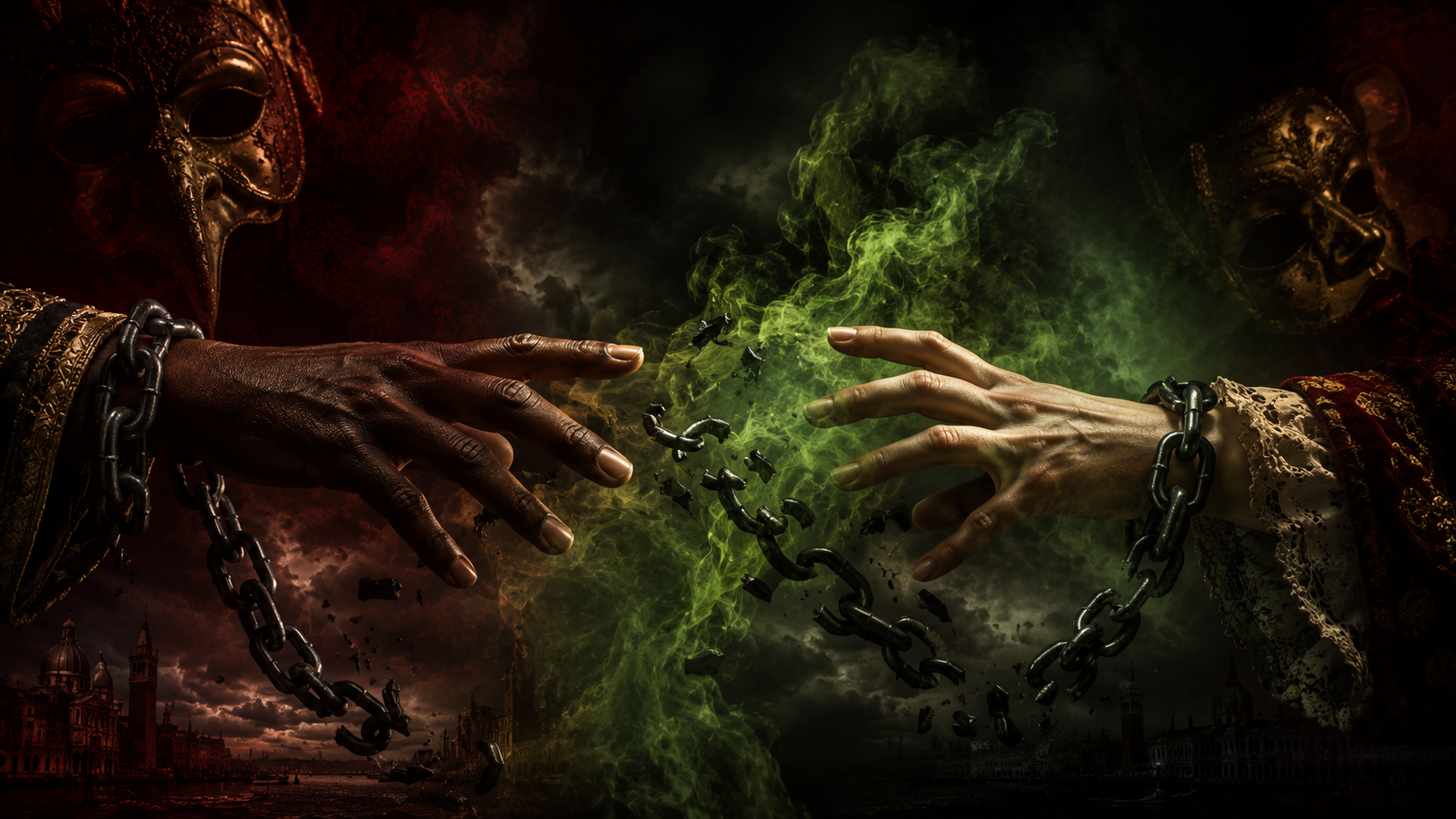
Jealousy and Envy as Destructive Forces
The play’s central theme is how jealousy consumes reason. Othello’s jealousy is sexual, while Iago’s is professional and existential. Shakespeare shows jealousy as a self-fulfilling prophecy.
Appearance vs. Reality and Deception
Almost nothing in the play is what it seems. Iago’s honest facade hides profound evil. This theme explores how easily perception can be manipulated.
Race, Otherness, and Prejudice
Othello offers one of literature’s most nuanced early explorations of racism. Characters repeatedly reduce Othello to his skin color (“the Moor,” “thick-lips,” “black ram”). Yet Shakespeare also gives him great dignity, making the prejudice more condemnable.
Gender Roles, Patriarchy, and Female Agency
The play critiques how women are treated as property while celebrating female solidarity (Desdemona and Emilia) and moral courage.
Honor, Reputation, and Masculinity
Othello’s obsession with reputation and his need to appear strong as a military man contribute to his downfall.
Symbolism, Motifs, and Literary Devices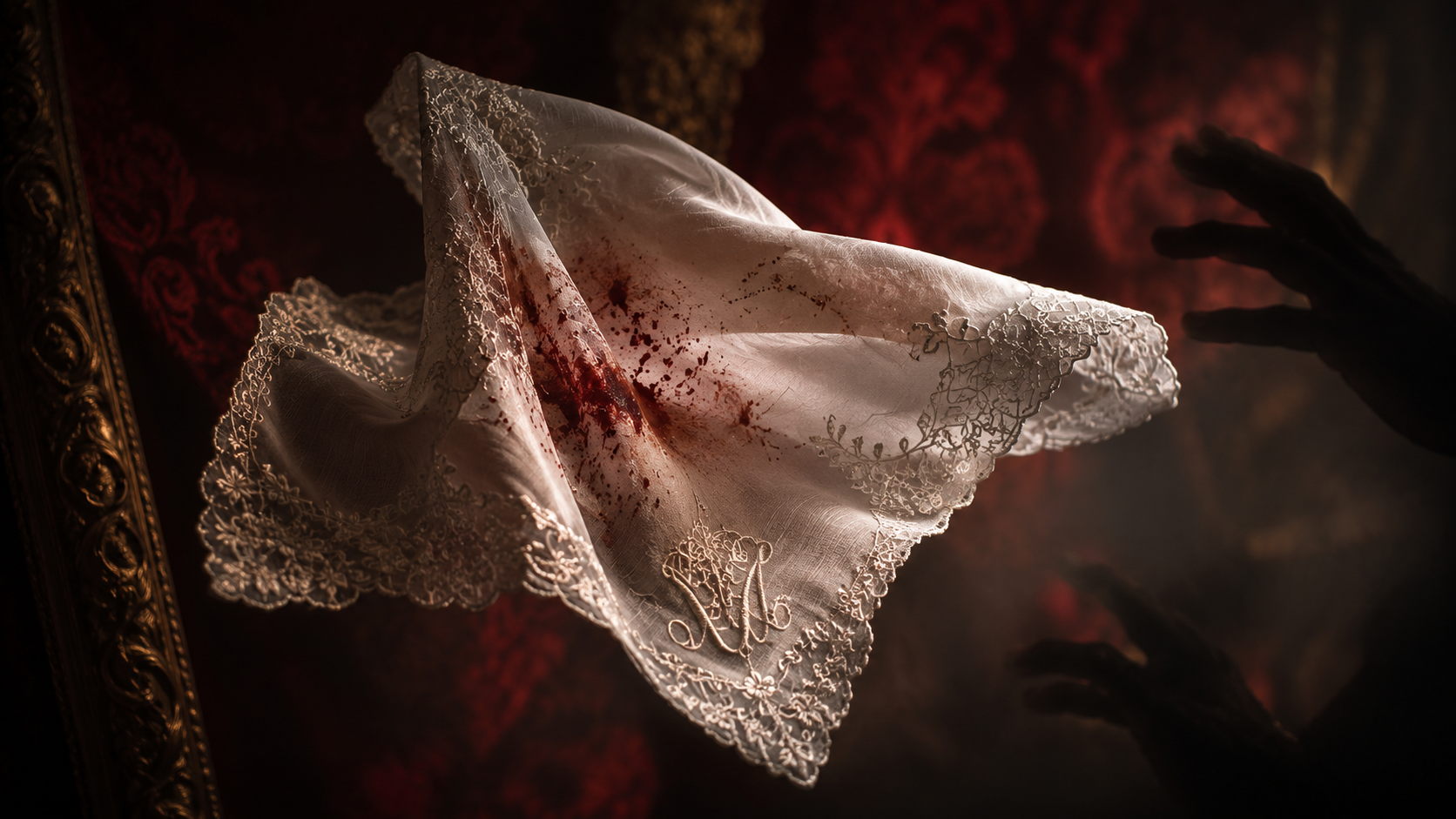
The handkerchief is the most important symbol — representing Othello and Desdemona’s love, fidelity, and ultimately false evidence. Its loss triggers the tragedy.
Animal imagery abounds, showing how jealousy reduces humans to beasts. Poison and disease metaphors illustrate how Iago corrupts minds. Dramatic irony is masterfully used — the audience knows Iago’s true nature while characters remain deceived.
Critical Reception and Different Interpretations
Since its first performances, Othello William Shakespeare has been recognized as one of the Bard’s most powerful tragedies. In the 17th and 18th centuries, critics like Thomas Rymer criticized the play for what they saw as improbable plotting, particularly the handkerchief device. However, by the 19th century, Romantic critics such as Samuel Taylor Coleridge and A.C. Bradley celebrated its psychological depth. Bradley’s Shakespearean Tragedy (1904) remains a foundational text, describing Othello as a noble hero brought down by a flaw in an otherwise perfect nature.
Modern and Postcolonial Readings
The 20th and 21st centuries brought richer interpretive layers. Postcolonial critics, influenced by Edward Said’s Orientalism, examine how the play both challenges and reflects European anxieties about race and empire. Othello’s identity as a Moor is not merely background but central to understanding power dynamics in Venetian society.
Feminist scholars highlight the play’s commentary on patriarchy. Writers like Virginia Vaughan and Lena Cowen Orlin have explored how Desdemona and Emilia navigate a world that silences women. Psychoanalytic readings focus on Iago’s motiveless malignity and Othello’s repressed insecurities, while Marxist interpretations analyze class tensions and the commodification of reputation.
Contemporary critics also connect Othello to modern issues such as gaslighting, cancel culture, and digital manipulation — themes that make the play feel disturbingly current.
Othello in Modern Culture and Adaptations
Othello William Shakespeare has inspired countless adaptations across media, proving its enduring relevance.
Notable Film and Stage Versions
- Orson Welles’ 1952 film is visually stunning and emphasizes psychological torment.
- Laurence Olivier’s 1965 performance (filmed) is controversial for its use of blackface but remains a technical masterclass.
- Oliver Parker’s 1995 version starring Laurence Fishburne and Kenneth Branagh offers a more accessible modern take.
- Recent productions, including those by the Royal Shakespeare Company and international directors, often emphasize racial dynamics with actors of color in the lead role.
The play has also been reimagined as operas (Verdi’s Otello), ballets, and modern retellings such as O (2001), which transplants the story to an American high school basketball team.
Relevance to Today’s Issues
In an age of social media, deepfakes, and cancel culture, Iago’s manipulation tactics feel prophetic. The play offers powerful lessons about the dangers of unchecked jealousy in relationships, toxic masculinity in leadership, and how prejudice can be weaponized. Leaders, couples, and organizations continue to find wisdom in its exploration of trust and betrayal.
Study Tips and Essay Guidance for Othello
For students and educators, Othello is a rich text for analysis. Here are practical resources to help you excel:
How to Write a Strong Othello Essay
- Choose a focused thesis (e.g., “Iago’s success stems more from Othello’s insecurities than his own cunning.”)
- Support arguments with precise quotations.
- Analyze language, not just plot.
- Consider multiple interpretations rather than a single reading.
10 Powerful Quotations with Analysis
- “O, beware, my lord, of jealousy; It is the green-eyed monster which doth mock the meat it feeds on.” (Iago, Act 3) — Masterful irony as Iago warns against the very emotion he creates.
- “I am not what I am.” (Iago, Act 1) — Reveals his deceptive nature.
- “Haply, for I am black…” (Othello, Act 3) — Shows Othello internalizing racial prejudice.
(Additional quotes would be analyzed in a full-length published version for depth.)
Common Exam Questions
- Discuss the role of the handkerchief in the tragedy.
- To what extent is Othello responsible for his own downfall?
- How does Shakespeare explore race in Othello?
Comparisons with Other Tragedies
Othello differs from Hamlet (intellectual delay) through its swift emotional collapse. Unlike King Lear’s focus on ingratitude, it centers on sexual jealousy. Compared to Macbeth, ambition is replaced by resentment as the driving force.
Othello William Shakespeare remains a masterpiece because it holds a mirror to humanity’s darkest impulses while celebrating courage, love, and moral clarity. Through the noble Moor’s tragic fall, Shakespeare delivers timeless insights into jealousy, deception, race, and gender that continue to challenge and enlighten readers four centuries later.
Whether you are encountering the play for the first time or returning for deeper study, Othello rewards careful attention. Its psychological realism and emotional power make it essential reading for anyone interested in literature, human nature, or society.
I encourage you to read the full text, watch a quality production, and reflect on its messages. Share your thoughts in the comments — which character do you find most compelling, and why does this tragedy still resonate so strongly today?
FAQs About Othello William Shakespeare
What is the main message of Othello? The central message warns against the destructive power of jealousy and the danger of trusting appearances over reality. It also critiques prejudice and toxic masculinity.
Is Othello a racist play? No. While racist attitudes are expressed by characters, Shakespeare presents Othello with dignity and condemns the prejudice directed against him. The play is widely interpreted as anti-racist.
Why does Iago hate Othello? Iago’s motives are deliberately ambiguous. Possible reasons include professional jealousy, racial resentment, suspected infidelity with his wife Emilia, and pure delight in destruction.
What is the significance of the handkerchief? It symbolizes Othello and Desdemona’s love and marriage. Its loss and misuse become “proof” of infidelity, driving the tragic plot.
How does Othello end? Othello kills Desdemona, then himself upon learning the truth. Iago is arrested but refuses to explain his actions. Cassio is restored to his position.