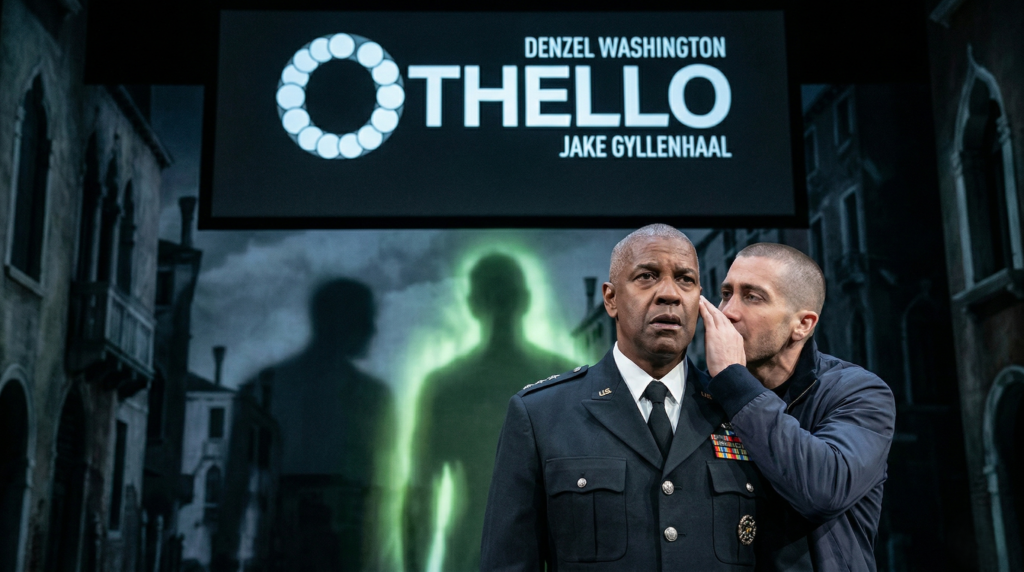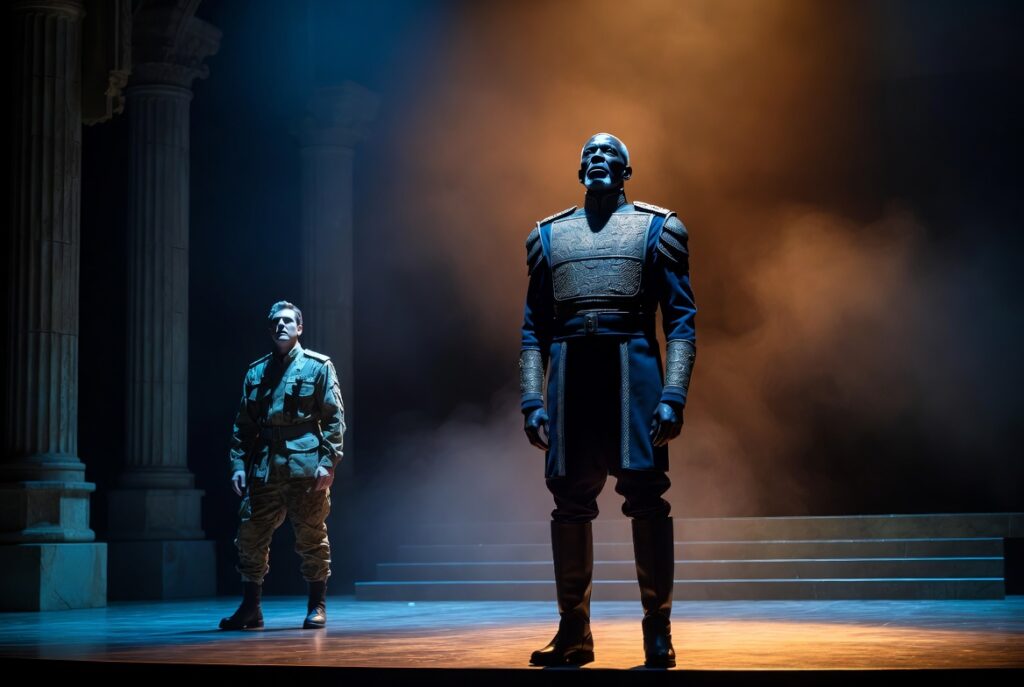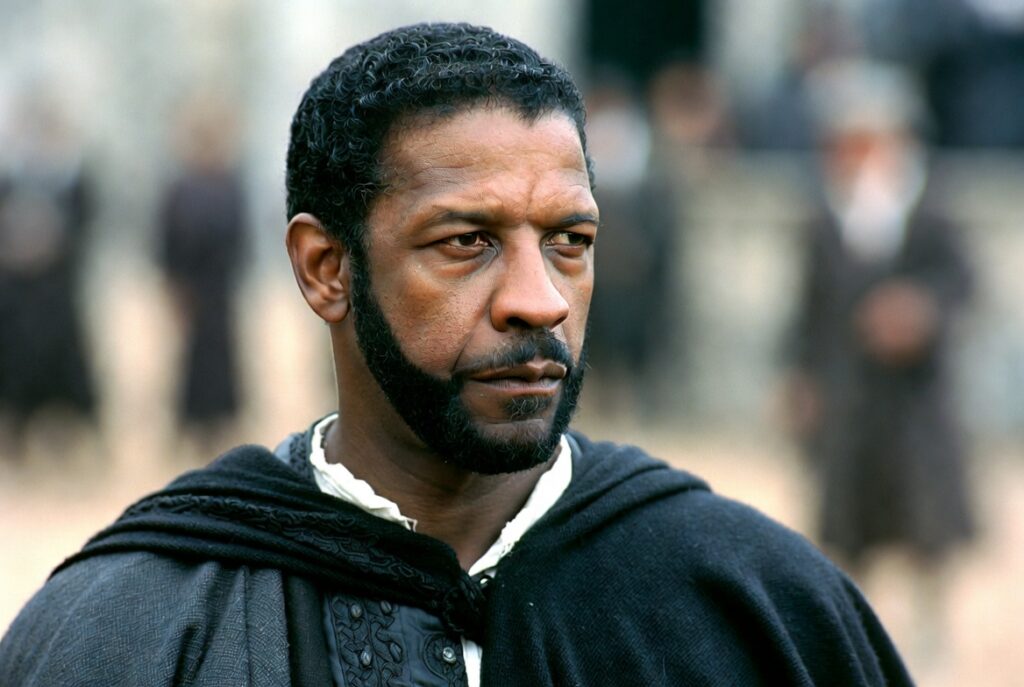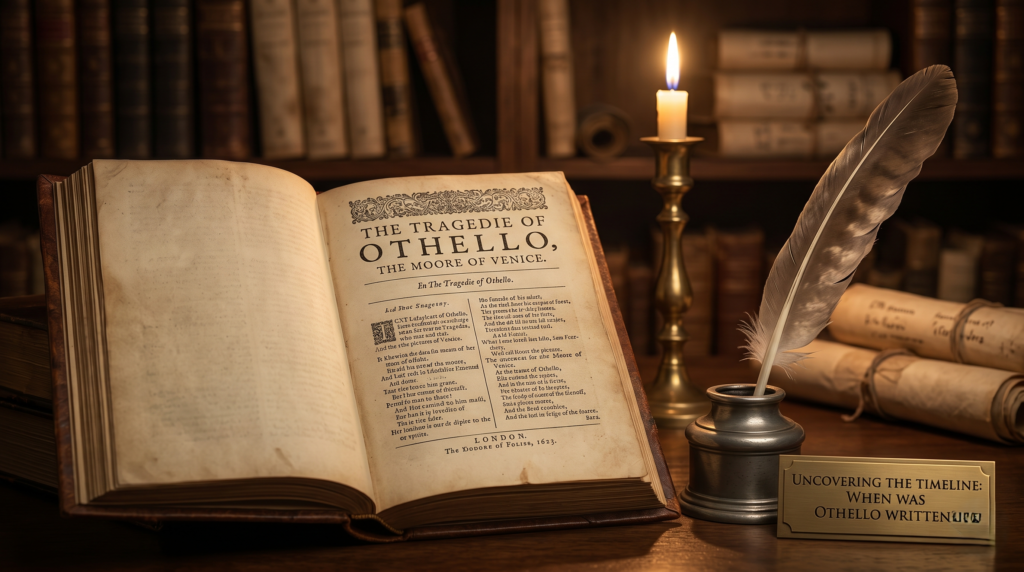
Imagine the scene: It is the evening of November 1, 1604. The setting is the candlelit banqueting house at Whitehall Palace in London. King James I, the newly crowned monarch of England, sits in the audience as Richard Burbage, the era’s most celebrated actor, takes the stage as a formidable, tragic Moorish general. This was the first recorded performance of a play that would echo through centuries. But when was Othello written? Most scholars agree William Shakespeare wrote Othello between 1603 and 1604.
While that two-year window answers the immediate question, simply knowing the date only scratches the surface. In the world of Elizabethan and Jacobean theatre, plays were fluid documents—written to be performed on stage, not published in books. Dating them requires a fascinating blend of literary forensics, historical records, and textual analysis.
Understanding exactly when this masterpiece was composed unlocks its deeper, more profound meanings. It places the tragedy squarely at the dawn of the Jacobean era, a time rife with anxieties about the expanding Ottoman Empire, shifting geopolitics, and evolving early modern views on race and “the other.” In this comprehensive guide, we will uncover the timeline, the historical context, and the source materials that birthed one of the greatest domestic tragedies in the English language.
1. The Official Timeline: When Was Othello Written?
The Accepted Composition Window (1603–1604)
Literary scholars and historians have spent centuries pouring over the Shakespearean canon to establish a definitive timeline. The overwhelming consensus places the writing of Othello securely in the 1603–1604 window.
This period marks the beginning of Shakespeare’s “great tragic period.” He had recently completed the cerebral and philosophical Hamlet (around 1599–1601) and was moving toward the darker, more cynical landscapes of King Lear (1605–1606) and Macbeth (1606). Othello bridges this gap. It retains the intense psychological depth of Hamlet but strips away the royal court politics, focusing instead on the claustrophobic, intimate destruction of a single marriage.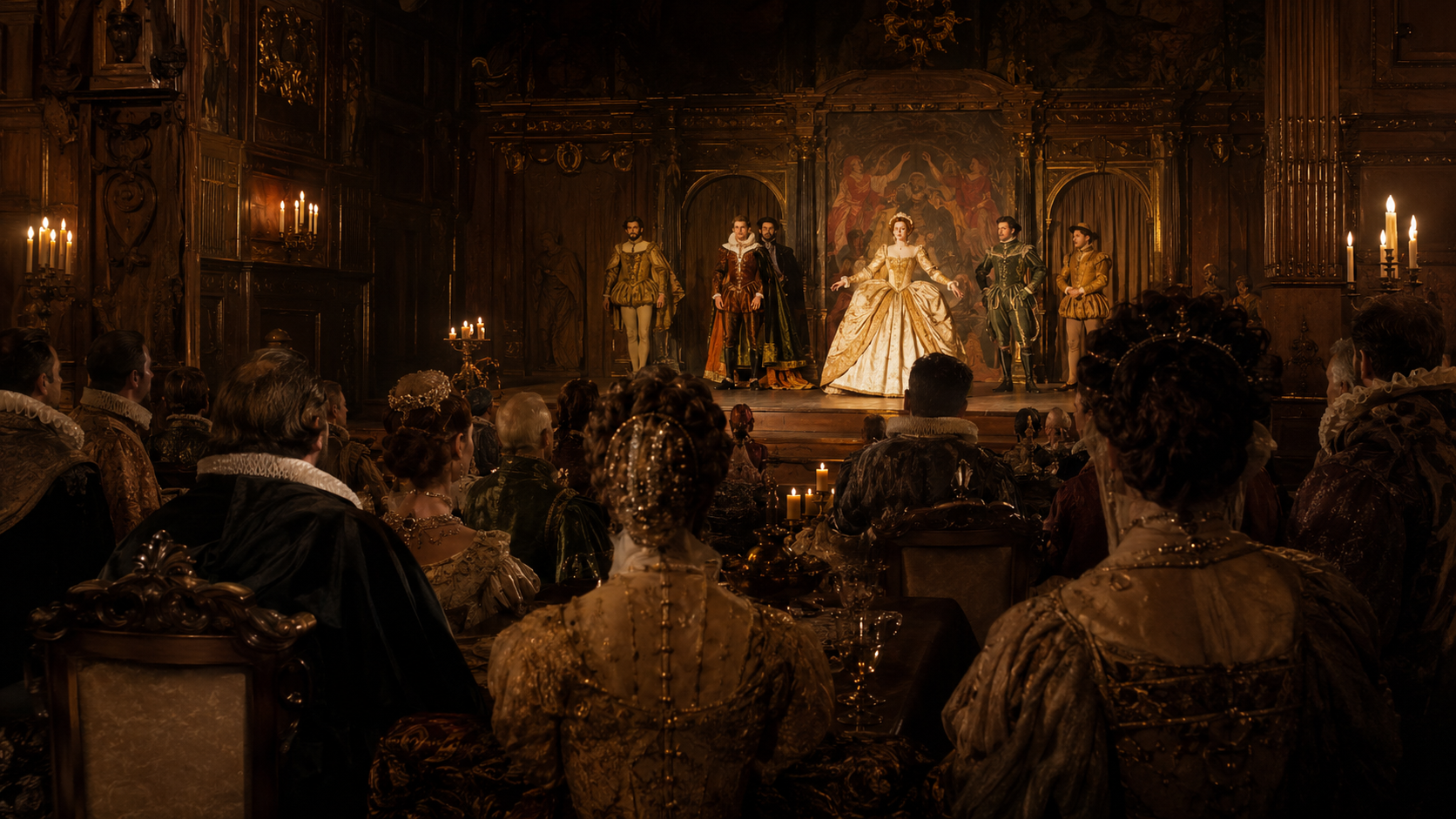
The First Recorded Performance (November 1, 1604)
Because playwrights in the 17th century did not date their manuscripts for public release, performance records are our most reliable anchor points. The absolute “latest possible date” (the terminus ante quem) for Othello is November 1, 1604.
On this date—Hallowmas Day—the play was performed at Whitehall Palace by Shakespeare’s acting company, the King’s Men. The performance was staged specifically for King James I. The official court records refer to the play as The Moor of Venice, a subtitle that remained closely associated with the work for centuries.
Expert Insight: You might wonder why Shakespeare didn’t just publish the play in 1604 and put a date on the title page. In early modern England, theatre companies strictly guarded their scripts. A play was the intellectual property of the acting troupe, not the playwright. If they published it, rival companies could steal it and perform it themselves. Consequently, plays were kept secret, making historical performance records our best tools for dating them.
2. Literary Forensics: How Scholars Prove the Date
Dating a Shakespearean play is rarely as simple as finding a single document. Instead, scholars use a combination of external evidence (historical records) and internal evidence (clues hidden within the text itself).
The Revels Accounts (Edmund Tilney’s Records)
The most concrete piece of external evidence we have comes from the “Revels Accounts.” The Master of the Revels was a powerful court official responsible for auditioning, censoring, and licensing all plays and entertainment destined for the royal court.
In 1604, the Master of the Revels was Edmund Tilney. His surviving ledger from that year contains a famous entry noting that “The Moor of Venis” was performed by “the Kings Maiesties plaiers” on “Hallamas Day being the first of Nouembar.” This undisputed historical document definitively proves the play was finished and stage-ready by the autumn of 1604.
Textual Clues and Pliny the Elder (1601)
If the Revels Accounts give us the latest possible date, how do we find the earliest possible date (the terminus a quo)? For that, scholars turn to the text of Othello itself.
In Act I, Scene III, Othello defends his marriage to Desdemona before the Venetian Senate. He describes the stories he told her to win her heart, referencing “Anthropophagi, and men whose heads / Do grow beneath their shoulders.”
This vivid, bizarre imagery was almost certainly lifted from Pliny the Elder’s Natural History. Crucially, Philemon Holland’s famous English translation of Pliny’s work—titled The History of the World—was not published until 1601. Shakespeare was known to be a voracious reader who frequently borrowed from newly published books. The inclusion of this specific phrasing heavily suggests that Othello could not have been written before 1601, and most likely took shape a year or two later as the book circulated through London.
3. The Source Material: Where Did Shakespeare Get the Story?
William Shakespeare was a master adapter; he rarely invented his plots from scratch. To understand the composition of Othello, we must look at the blueprint he was working from.
Cinthio’s Gli Hecatommithi (1565)
Shakespeare’s primary source for Othello was a 1565 Italian prose collection called Gli Hecatommithi, written by Giovanni Battista Giraldi (commonly known as Cinthio). Specifically, Shakespeare used a short story titled “Un Capitano Moro” (A Moorish Captain).
Because there was no English translation of Cinthio’s work available in 1603, scholars debate whether Shakespeare read it in the original Italian or if he had access to a 1584 French translation by Gabriel Chappuys. Regardless of the language, the core narrative spine—a Moorish general, his Venetian wife, a treacherous ensign, and a stolen handkerchief—was lifted directly from Cinthio.
How Shakespeare Transformed the Tale
While Cinthio provided the skeleton, Shakespeare provided the soul. The Italian story is essentially a crude, moralistic cautionary tale warning young Venetian women against marrying foreigners. Shakespeare took this simplistic narrative and transformed it into a profound psychological thriller.
| Element | Cinthio’s “Un Capitano Moro” (1565) | Shakespeare’s Othello (1603–1604) |
| Names | Only “Disdemona” is named. Others are simply “The Moor,” “The Ensign,” and “The Squadron Leader.” | All characters are given distinct names (Othello, Iago, Cassio). |
| The Villain | The Ensign is motivated by his own unrequited lust for Disdemona. | Iago’s motivations are notoriously complex (“motiveless malignity”), driven by professional jealousy and sheer malice. |
| Roderigo | Does not exist. | Invented by Shakespeare to serve as Iago’s pawn and to fund his schemes, adding narrative complexity. |
| The Climax | The Moor and the Ensign beat Disdemona to death with a sand-filled stocking, then collapse the ceiling on her to make it look like an accident. | Othello smothers Desdemona in their marital bed, creating an intensely intimate, agonizing, and tragic finale. |
Pro Tip for Literature Students: When analyzing Othello, always highlight Shakespeare’s compression of time. Cinthio’s story takes place over several weeks or months. Shakespeare brilliantly condenses the timeline in Cyprus to just a few frantic days, creating a suffocating, inescapable atmosphere of paranoia.
4. The Jacobean Shift: The Historical Context of 1603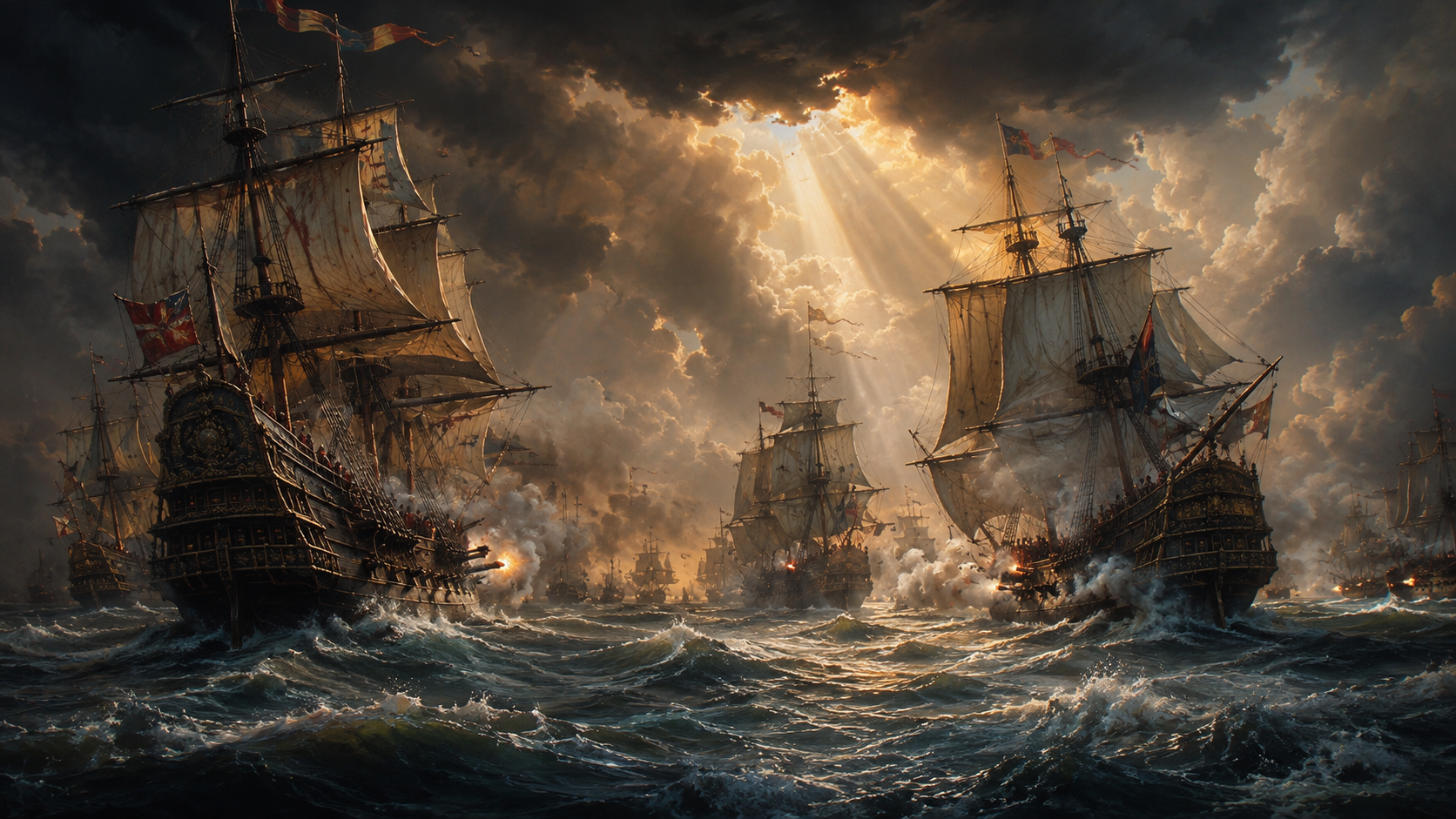
To truly answer why Shakespeare wrote Othello exactly when he did, we must look at the political climate of 1603.
The Death of Elizabeth I and the Rise of King James I
In March 1603, Queen Elizabeth I died, bringing the Tudor dynasty to an end. King James VI of Scotland ascended to the English throne as King James I, ushering in the Jacobean era.
James was a deeply intellectual, slightly paranoid, and highly theatrical monarch. He immediately took Shakespeare’s playing company under his royal patronage, renaming them “The King’s Men.” As the company’s premier playwright, Shakespeare suddenly needed to write plays that appealed directly to the interests of his new sovereign.
King James had a documented fascination with the Ottoman Empire and Islamic culture. In 1591, James had even published a poem, Lepanto, celebrating the 1571 naval battle between the Holy League and the Ottoman Turks. By setting Othello against the backdrop of the Venetian-Turkish wars, Shakespeare was making a highly strategic, politically savvy choice designed to captivate his new royal patron.
The War in Cyprus (1570–1573)
The specific military conflict featured in the play is the Ottoman-Venetian War over the island of Cyprus, which took place between 1570 and 1573.
Venice was seen as the wealthy, civilized bulwark of Christendom, while the Ottoman Empire was viewed by early modern Europeans as a terrifying, expanding superpower. By moving the characters from the safe, ordered streets of Venice to the isolated, war-torn outpost of Cyprus, Shakespeare stripped away societal protections. Cyprus is a frontier zone. The external threat of the Turkish fleet perfectly mirrors the internal, psychological threat brewing within Othello’s own mind, orchestrated by Iago.
5. The Publication Mystery: Quarto vs. Folio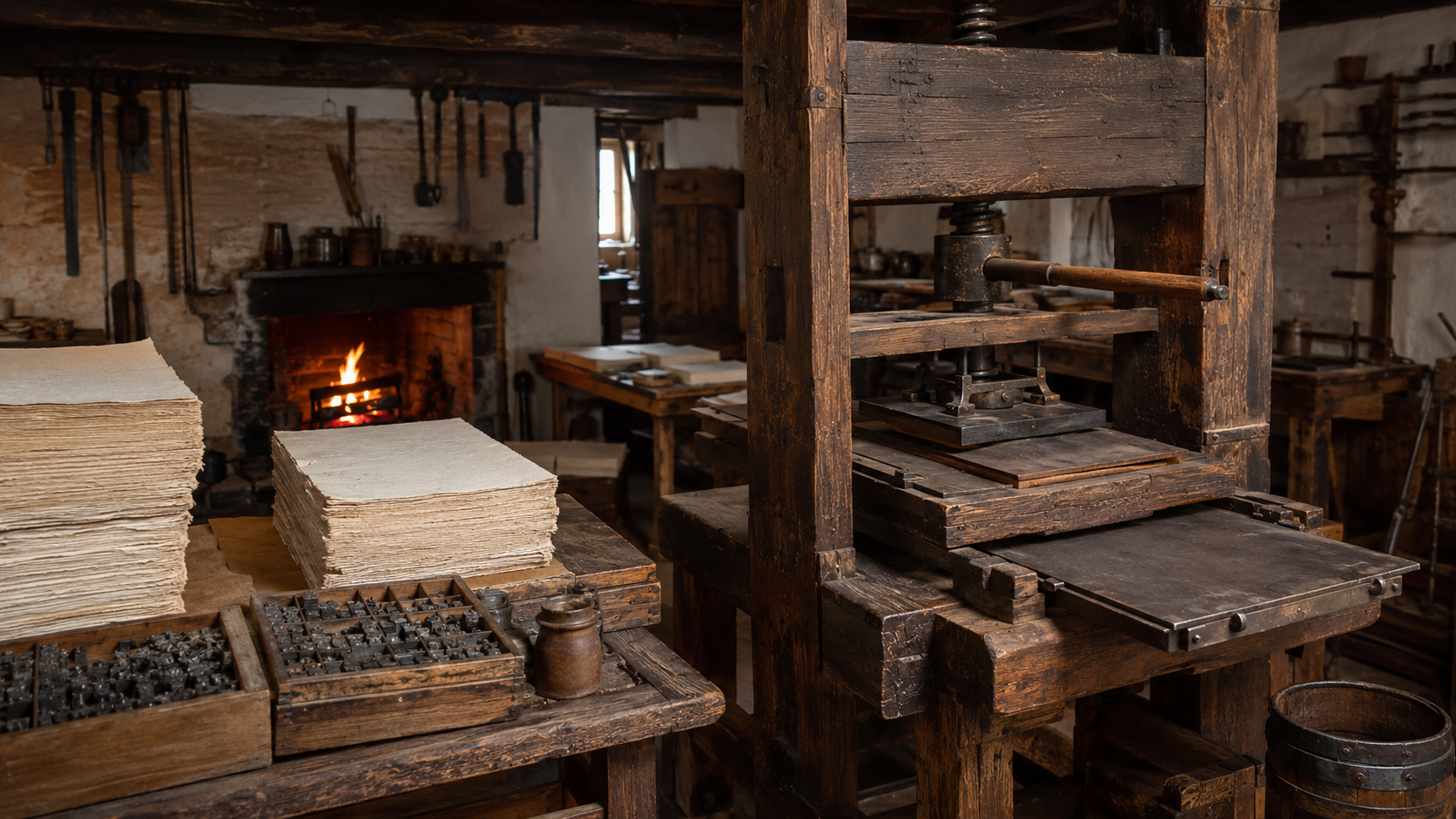
While the evidence clearly points to Othello being written in 1603–1604 and performed in late 1604, readers often find themselves confused by a glaring chronological gap: the play was not actually published as a book until 1622. Why did it take nearly two decades for this masterpiece to see the printing press?
Why Wasn’t It Published Immediately?
In the modern publishing world, a successful play or movie is immediately commercialized and distributed. In early modern England, the opposite was true. A theatrical script was the exclusive, closely guarded property of the playing company. If a play was too easily accessible in print, rival acting troupes could simply buy a copy and stage unauthorized performances, severely cutting into the King’s Men’s box office revenue.
Because Othello was a massive commercial hit for the company, they held onto the manuscript tightly. It was only after Shakespeare’s death in 1616, and as the original members of the King’s Men began to pass away or retire, that the script was finally released to publishers.
The First Quarto (1622) vs. The First Folio (1623)
Othello has the unique distinction of surviving in two separate, early printed editions that differ significantly from one another.
-
The First Quarto (1622): A stationer named Thomas Walkley finally registered the play and published it in a small, relatively cheap “quarto” edition. This version was likely based on an early scribal transcript or a specific promptbook used by the actors during early performances.
-
The First Folio (1623): Just one year later, Shakespeare’s friends and colleagues, John Heminges and Henry Condell, published the monumental First Folio—a massive, expensive collection of 36 of Shakespeare’s plays. The Folio version of Othello contains about 160 lines that are missing from the 1622 Quarto, while the Quarto contains a few dozen words and phrases missing from the Folio.
The 1606 Act to Restrain Abuses of Players
One of the most fascinating differences between the 1622 Quarto and the 1623 Folio highlights a crucial piece of Jacobean history: theatrical censorship.
In 1606, Parliament passed the Act to Restrain Abuses of Players, a strict law that imposed heavy fines on any stage actors who used the name of God, Jesus Christ, or the Holy Ghost profanely.
When scholars compare the texts, they find that the 1622 Quarto is full of harsh oaths (like “Zounds!”—a severe profanity meaning “By God’s wounds”). The 1623 Folio, however, scrubs these profanities clean, replacing them with softer phrases like “Heaven.” This discrepancy proves that the Quarto was based on an earlier manuscript—written before the 1606 censorship act took effect—further cementing the 1603–1604 composition date.
6. Why the Composition Date Matters for Modern Readers
Understanding when Othello was written is not just an exercise in historical trivia. The exact timing of 1603–1604 fundamentally changes how we interpret the play’s themes, characters, and legacy.
Framing Race and “The Other” in 1604
In the early 17th century, London was becoming an increasingly cosmopolitan, yet highly xenophobic, city. In 1600, a Moorish ambassador from the King of Barbary visited Queen Elizabeth’s court, causing a major public spectacle. Just a few years later, Shakespeare wrote Othello.
The timing is critical. Prior to 1604, Black and Moorish characters on the English stage were almost universally depicted as villainous caricatures (like Aaron the Moor in Shakespeare’s own earlier play, Titus Andronicus). By writing Othello in the early years of the Jacobean era, Shakespeare shattered those established stage conventions. He presented a Black protagonist who is inherently noble, deeply respected by the Venetian state, and capable of profound poetic eloquence. The true villainy belongs entirely to the white, seemingly “civilized” Venetian, Iago. This subversion of racial expectations was a daring theatrical choice for 1604, reflecting the shifting, complex attitudes toward race, religion, and outsiders in a rapidly changing world.
The Evolution of Shakespeare’s Tragic Vision
Placing Othello precisely in 1603–1604 helps us trace the evolution of Shakespeare’s genius. Before this point, his great tragedies revolved around the fall of kings, princes, and emperors—men whose downfalls destabilized entire nations (think of Julius Caesar or Hamlet).
With Othello, Shakespeare masterfully pivoted to what is essentially a “domestic tragedy.” The fate of the Venetian Republic does not hang in the balance when Othello dies. Instead, the tragedy is fiercely private, centered entirely on the destruction of a marriage through jealousy, manipulation, and broken trust. In 1604, Shakespeare proved that the intimate ruin of ordinary human bonds could be just as apocalyptic and terrifying as the fall of an empire.
7. Frequently Asked Questions (FAQs)
To ensure you have all the facts at your fingertips, here are the most common questions readers ask about the timeline of Shakespeare’s masterpiece.
When was Othello first published? Although written around 1603–1604, Othello was not published until 1622, when Thomas Walkley released it in a small, single-play format known as the First Quarto. A revised, slightly longer version was published the following year in the 1623 First Folio collection.
Did Shakespeare invent the story of Othello? No, Shakespeare rarely invented his plots. He closely adapted the story of Othello from a 1565 Italian short story by Giovanni Battista Giraldi (Cinthio) titled “Un Capitano Moro” (A Moorish Captain). Shakespeare elevated the source material by adding psychological depth, inventing the character of Roderigo, and creating the intensely complex villain, Iago.
In what time period is Othello set? The play is set in the late 16th century, specifically between 1570 and 1573. This is the exact period of the historical Ottoman-Venetian War, during which the Ottoman Empire launched a massive naval assault to capture the island of Cyprus from the Republic of Venice.
Where did Shakespeare write Othello? Shakespeare wrote Othello in London, England. During the 1603–1604 window, he was living in the city and working closely with his acting troupe, newly named the King’s Men under the patronage of King James I.
So, when was Othello written? All the historical evidence—from court performance records to the publication dates of key literary sources—points to a composition window of 1603 to 1604.
However, as we have uncovered, solving the timeline of Shakespeare’s tragic masterpiece is only the beginning. The play was written at a massive cultural crossroads: the death of Queen Elizabeth I, the rise of King James I, the looming threat of the Ottoman Empire, and early modern society’s complex anxieties surrounding race and foreignness. By understanding the specific historical moment that birthed the play, Othello transforms from a timeless story of jealousy into a razor-sharp, immediate reflection of the Jacobean world.
The next time you watch Iago spin his web of deceit, or hear Othello deliver his heartbreaking final speech, remember that you are hearing the anxieties and theatrical innovations of 1604 echoing vividly into the present day.