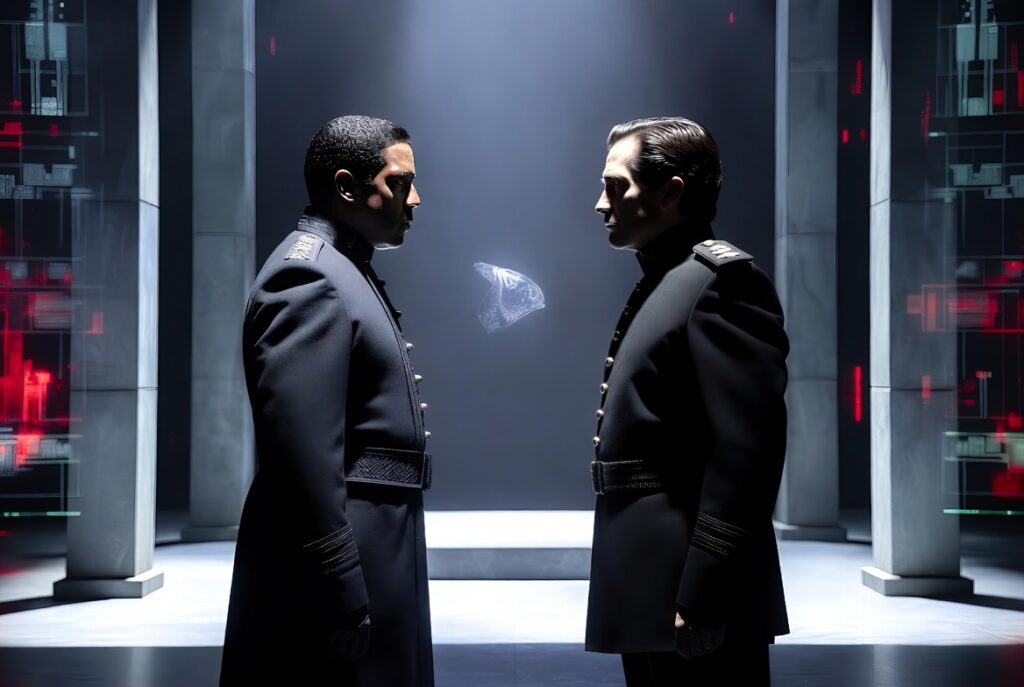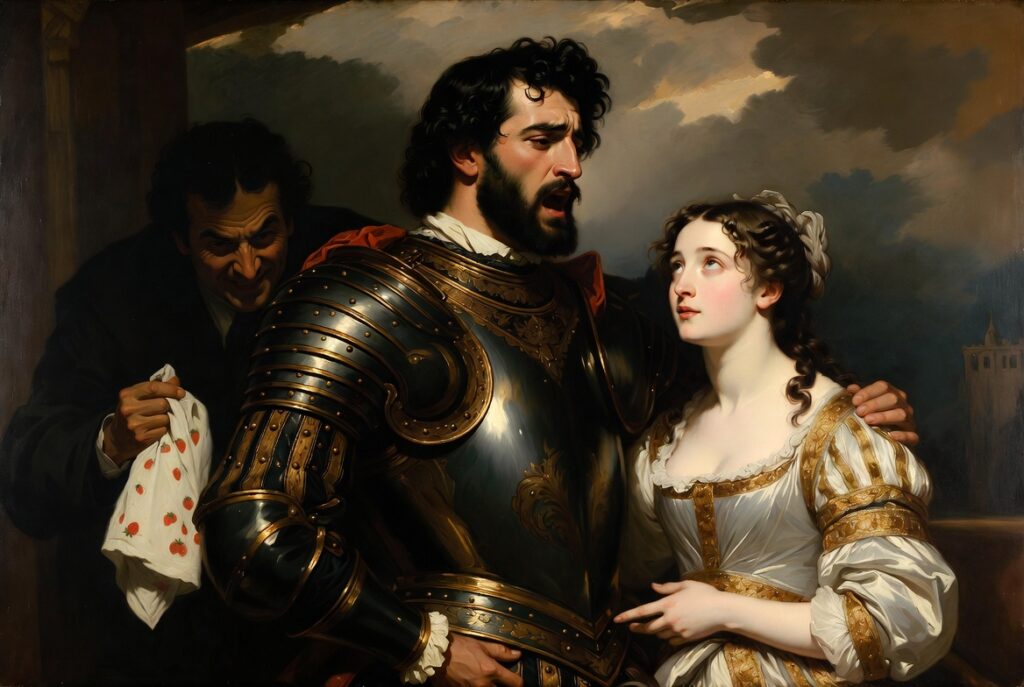
In a world where a single whispered lie can unravel a marriage, derail a career, or ignite violence, one story feels eerily prophetic. Imagine a respected military leader—charismatic, battle-hardened, and deeply in love—whose happiness is methodically dismantled by the calculated deceit of a subordinate he trusts implicitly. This isn’t a modern psychological thriller or a viral true-crime podcast. It’s the devastating core of William Shakespeare’s Othello.
If you’ve ever searched “what is Othello about,” you’re not alone. This compact yet explosive tragedy, written around 1603–1604, remains one of Shakespeare’s most performed and studied works precisely because it feels dangerously contemporary. At its heart, Othello is Shakespeare’s gripping exploration of jealousy, betrayal, and the fragile nature of trust, told through the story of a Moorish general in the Venetian army whose secret interracial marriage becomes the target of a masterful campaign of psychological poison.
Drawing on four centuries of textual analysis, historical records from Elizabethan England, and scholarly insights from critics like A.C. Bradley and modern voices examining race and power, this comprehensive guide delivers the definitive answer to “what is Othello about.” We’ll walk through the plot (with clear spoiler warnings), dissect the unforgettable characters, unpack the play’s profound themes, and explore why Othello continues to resonate in 2026—from gaslighting in relationships to institutional prejudice and social-media-fueled suspicion. Whether you’re a student preparing for exams, a theatergoer about to see your first production, or a lifelong Shakespeare enthusiast seeking deeper insight, this article equips you with the context, quotes, and analysis needed to fully appreciate this masterpiece. (Spoiler-free sections come first; detailed plot breakdowns are clearly marked.)
The Plot of Othello: A Complete Yet Spoiler-Free Overview
Shakespeare sets Othello against the backdrop of late-16th-century Venice and Cyprus, two locations rich with political tension and cultural complexity. Venice, a cosmopolitan republic reliant on maritime trade and military might, serves as the starting point. Cyprus, a strategically vital island under Venetian control and threatened by Ottoman forces, becomes the powder keg where personal drama collides with wartime pressures.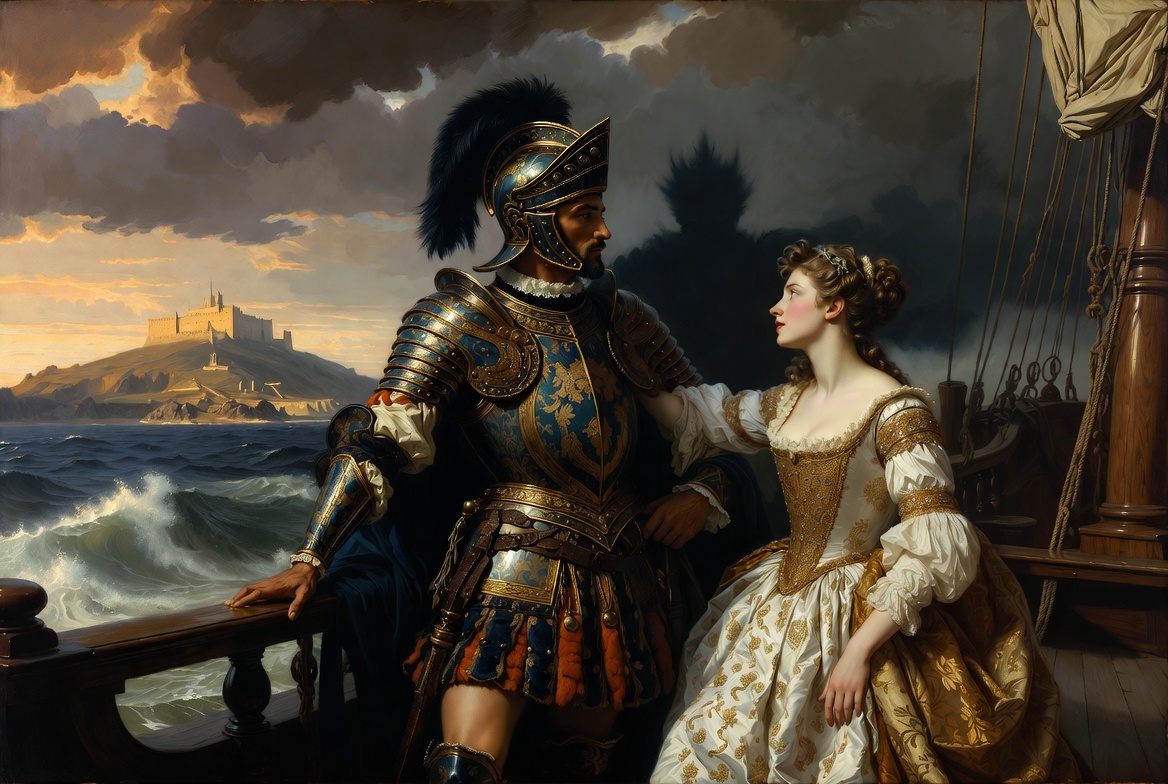
The spark ignites with a secret marriage that defies societal norms. Othello, a decorated Moorish general, weds Desdemona, the daughter of a Venetian senator, without her father’s consent. This interracial union immediately draws suspicion and outrage, setting the stage for conflict.
What follows is a tightly wound rising action where military command meets personal betrayal. Othello’s trusted ensign, Iago, begins a subtle campaign of manipulation that exploits existing insecurities about race, class, and fidelity. As the action shifts to Cyprus amid preparations for battle, the play’s emotional intensity escalates rapidly. Shakespeare compresses time and eliminates subplots to create relentless dramatic pressure—every scene tightens the noose around the central characters.
The tragic climax and resolution unfold with devastating inevitability, leaving audiences stunned by how quickly honor and love can collapse under the weight of deception. The play’s structure is masterful: no wasted moments, no comic relief to ease the tension. It builds to a cathartic, heart-wrenching close that forces viewers to confront the human capacity for both profound love and horrifying destruction.
Detailed Act-by-Act Summary (Major Spoilers Ahead) Proceed only if you’ve read or seen the play or don’t mind full spoilers.
Act 1: The play opens in Venice at night. Iago, passed over for promotion in favor of the younger Michael Cassio, reveals his resentment to the foolish nobleman Roderigo. Together they wake Brabantio, Desdemona’s father, with the news of her secret marriage to Othello. Brabantio accuses Othello of using witchcraft. Before the Duke of Venice, Othello eloquently defends himself and his love for Desdemona, who confirms her willing consent. The Duke sends Othello to defend Cyprus against the Turkish fleet; Desdemona insists on accompanying him. Iago already begins plotting, confiding in the audience through soliloquies that reveal his duplicitous nature.
Act 2: In Cyprus, the Turkish threat dissipates in a storm, but Iago’s scheme intensifies. He manipulates Cassio into a drunken brawl, leading to Cassio’s demotion by Othello. Iago then plants the first seeds of doubt in Othello’s mind about Desdemona’s fidelity, while simultaneously using Roderigo to stir further trouble.
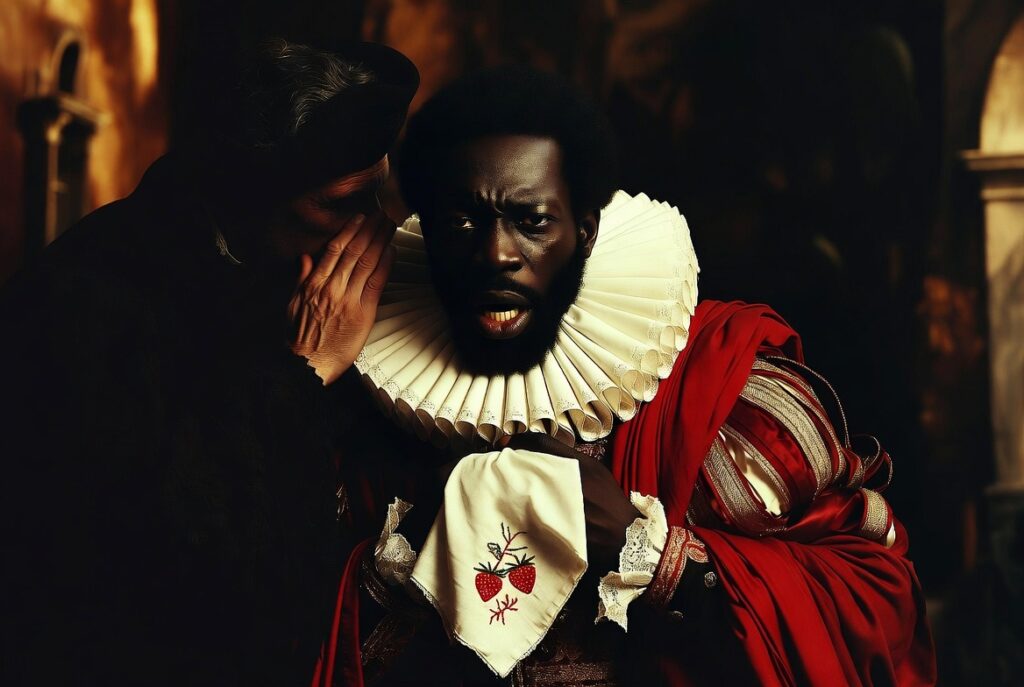
Act 3: The pivotal act. Iago’s manipulation reaches its peak. He suggests Desdemona’s affection for Cassio, citing “proof” in the form of a missing handkerchief—a gift from Othello to Desdemona that Iago has stolen and planted in Cassio’s possession. Othello’s jealousy erupts. The famous “green-eyed monster” speech captures the poison spreading: “O, beware, my lord, of jealousy; / It is the green-eyed monster which doth mock / The meat it feeds on” (Act 3, Scene 3). By the act’s end, Othello is convinced of betrayal and vows revenge.
Act 4: Othello’s descent accelerates. He publicly humiliates Desdemona, strikes her, and demands proof from Iago. Iago stages a conversation with Cassio that Othello misinterprets. Desdemona’s innocence only fuels Othello’s rage. Meanwhile, Iago convinces Roderigo to murder Cassio.
Act 5: The bloody climax unfolds in a single night. Iago’s plan unravels in violence: Roderigo is killed, Cassio is wounded, and Othello smothers Desdemona in their bedchamber, believing her guilty. Emilia (Iago’s wife and Desdemona’s attendant) exposes the truth, leading to Iago’s capture. Othello, realizing his fatal error, delivers a final, heartbreaking speech before taking his own life. The play ends with Iago’s ominous silence and the promise of justice, but no true redemption for the innocent lives destroyed.
This act-by-act structure showcases Shakespeare’s genius for dramatic economy—events span only a few days yet feel epic in emotional scope.
Meet the Characters: In-Depth Analysis of Othello’s Key Players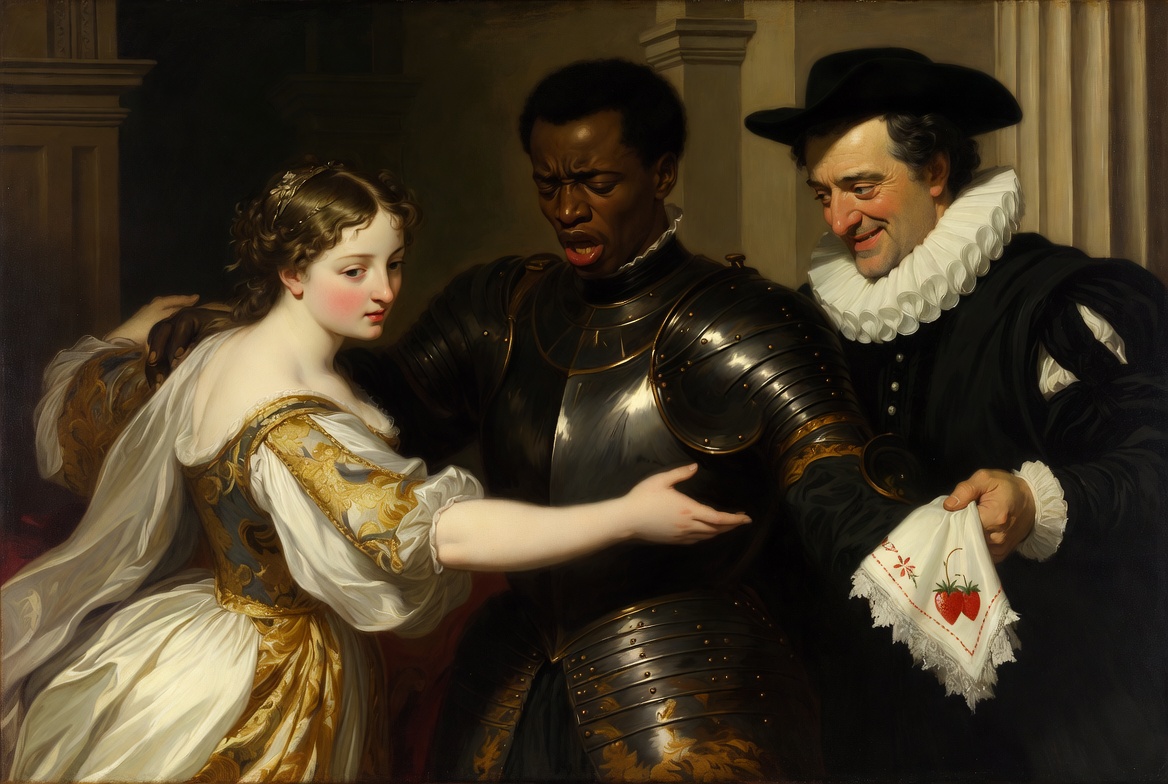
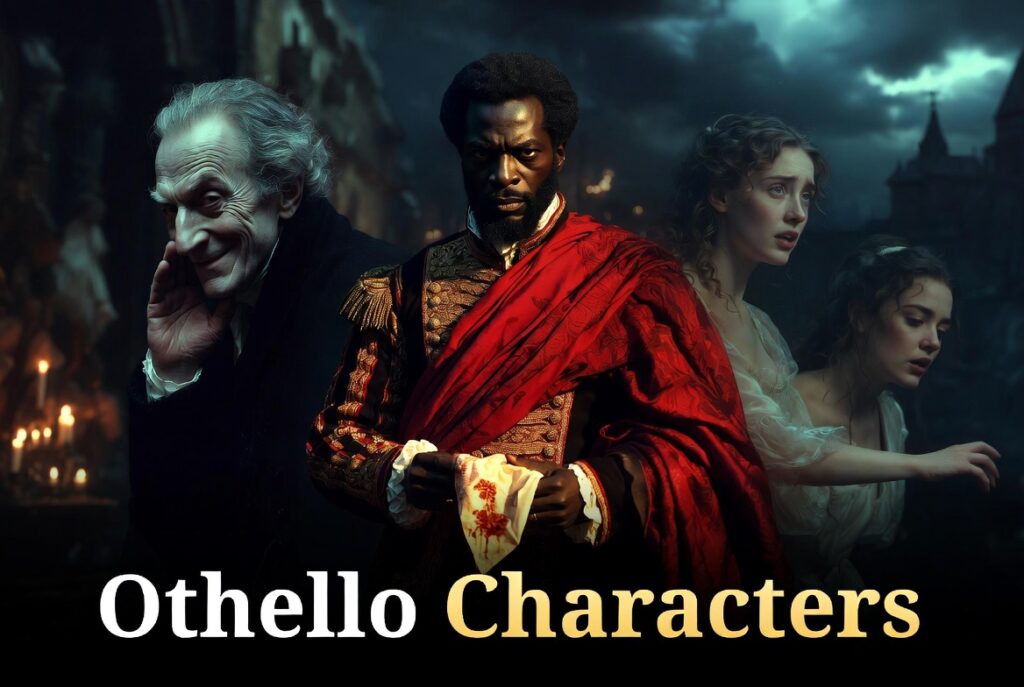
Othello — The Noble Moor: Hero, Outsider, and Tragic Victim Othello is one of Shakespeare’s most complex protagonists. A Black Moor who rose through military merit to become a general in Venice’s army, he embodies both exceptional ability and profound vulnerability. His eloquence (“Rude am I in my speech”) masks deep insecurities about his race, age, and outsider status. Shakespeare humanizes him through his genuine love for Desdemona, yet the tragedy lies in how easily Iago exploits Othello’s internalized doubts. Modern readings emphasize how Othello’s race makes him particularly susceptible to manipulation in a prejudiced society.
Desdemona — Virtue, Love, and Defiance in a Patriarchal World Far from a passive victim, Desdemona is courageous and assertive. She defies her father to marry Othello and insists on joining him in Cyprus despite the dangers. Her loyalty remains unwavering even as Othello turns against her. Critics often highlight her as a symbol of female agency in a male-dominated world, yet her innocence and trust become fatal flaws. Her final lines, defending Othello even in death, underscore her purity and the play’s exploration of silenced women.
Iago — Shakespeare’s Most Diabolical Villain and Master Manipulator Iago is widely regarded as one of literature’s greatest villains precisely because he lacks a single, simple motive. Coleridge famously called his evil “motiveless malignity.” He resents Othello for promoting Cassio, suspects an affair with his own wife Emilia, and seems to delight in destruction for its own sake. His soliloquies grant the audience chilling intimacy with his schemes, making him both repulsive and magnetically watchable. Iago’s mastery of language—twisting words, feigning honesty (“Honest Iago”)—makes him a prototype for modern gaslighters and disinformation artists.
Supporting Characters: Cassio, Emilia, Roderigo, and Brabantio — Their Crucial Roles Michael Cassio, the handsome Florentine lieutenant, represents innocent competence that Iago exploits. Emilia, often overlooked, delivers the play’s moral turning point when she defies her husband to reveal the truth—offering a powerful feminist counterpoint. Roderigo is the gullible dupe whose greed funds Iago’s plots, while Brabantio embodies Venetian prejudice, his rage at the interracial marriage foreshadowing larger societal tensions.
Core Themes in Othello — Jealousy, Betrayal, and the Human Heart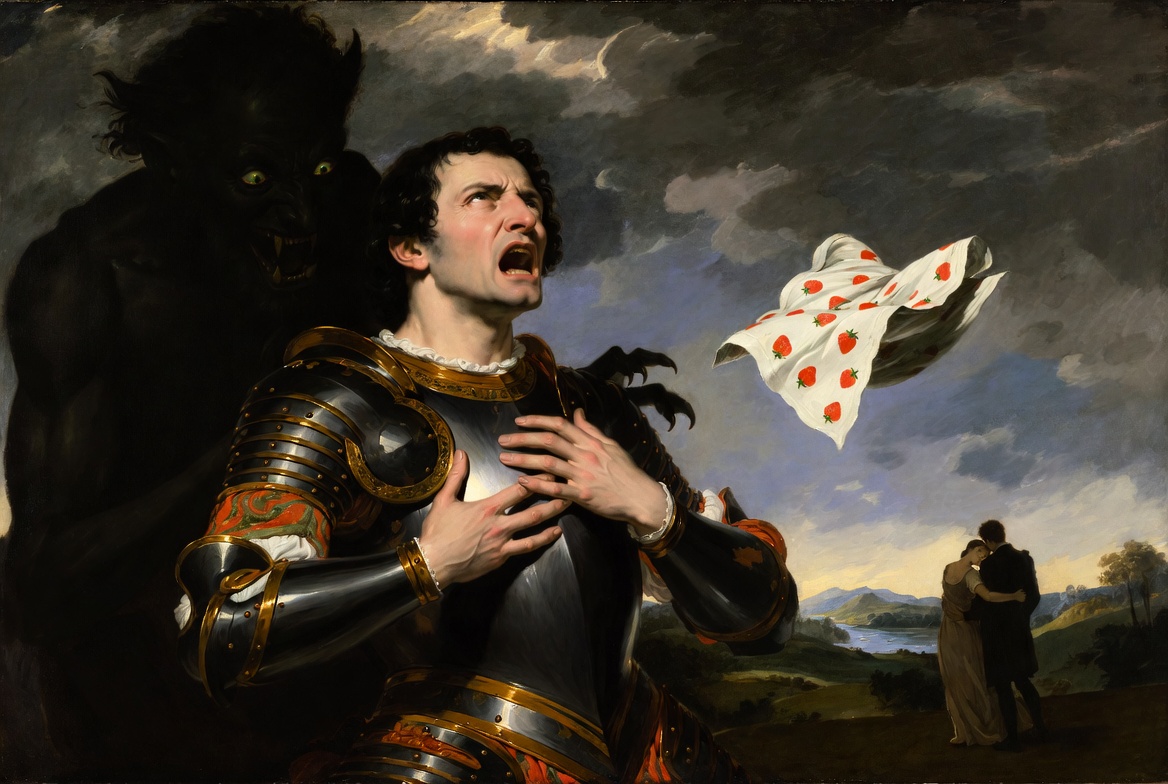
Shakespeare’s Othello is far more than a simple tale of murder driven by jealousy. It is a profound psychological study of how the human mind can be weaponized against itself. The play explores several interlocking themes that continue to make it essential reading and viewing in the 21st century.
The Corrosive Power of Jealousy (“The Green-Eyed Monster”) Jealousy is the engine that drives the entire tragedy. Shakespeare gives it one of his most memorable images when Iago warns Othello: “O, beware, my lord, of jealousy; / It is the green-eyed monster which doth mock / The meat it feeds on.” What makes this theme so powerful is that Othello’s jealousy is not natural—it is manufactured and nurtured by Iago with surgical precision. The play demonstrates how jealousy feeds on partial truths, insecurities, and imagination, growing stronger the less evidence actually exists. In an era of social media where curated images fuel comparison and suspicion, this depiction feels chillingly relevant.
Betrayal and the Art of Deception — Appearance vs. Reality Central to “what is Othello about” is the gap between what seems to be true and what actually is. Iago’s greatest skill is his ability to appear honest while being utterly false. He repeatedly earns the label “honest Iago” even as he orchestrates destruction. Shakespeare uses dramatic irony masterfully: the audience knows the truth while Othello remains blind. This theme extends beyond personal betrayal to question how easily we can be deceived by those we trust most—whether in intimate relationships, workplaces, or politics.
Race, Otherness, and Prejudice in Elizabethan England Othello’s identity as a Moor (a term that could refer to North African or Muslim heritage) is not incidental. Shakespeare repeatedly draws attention to his skin color—“an old black ram / Is tupping your white ewe,” as Iago crudely tells Brabantio. The play examines how racial prejudice can be weaponized to undermine even the most accomplished individual. Othello himself internalizes some of these biases, referring to himself as “begrimed and black” when doubt takes hold. Modern scholarship, including post-colonial readings, highlights how Othello anticipates discussions of systemic racism, tokenism, and the “model minority” trap. In today’s globalized yet divided world, these elements give the play renewed urgency.
Gender, Power, and Female Agency — Desdemona, Emilia, and the Silencing of Women Women in Othello exist in a rigidly patriarchal society where their voices are easily dismissed. Desdemona’s assertiveness in choosing her husband gives way to increasing helplessness as Othello refuses to listen. Emilia, by contrast, grows into a voice of resistance, culminating in her brave confrontation with Iago. The play exposes how misogyny and control over female sexuality intersect with racial anxiety. Desdemona’s murder is framed not just as a crime of passion but as the ultimate silencing of an innocent woman whose only “crime” was loving freely.
Redemption, Guilt, and the Search for Forgiveness Unlike some of Shakespeare’s other tragedies, Othello offers a limited path toward redemption. Othello’s final speech is a heartbreaking attempt at self-understanding: “Speak of me as I am; nothing extenuate, / Nor set down aught in malice.” He acknowledges his error but cannot undo the harm. The play leaves audiences pondering whether true forgiveness is possible after such irreversible damage, and whether self-awareness at the moment of death carries any redemptive weight.
These themes are woven so tightly that removing any one collapses the tragedy’s power. Shakespeare’s genius lies in showing how jealousy, racism, misogyny, and deception reinforce one another, creating a perfect storm of human failure.
Historical and Literary Context — Why Shakespeare Wrote Othello When He Did
Understanding the world in which Othello was written deepens our appreciation of its nuances and answers lingering questions about its creation.
Sources and Inspiration — From Italian Novella to English Stage Shakespeare drew the basic plot from a 1565 Italian story by Giovanni Battista Giraldi Cinthio, titled “Un Capitano Moro” (“A Moorish Captain”) in his collection Hecatommithi. In Cinthio’s tale, the villain (simply called “the Ensign”) is motivated purely by lust for Desdemona and succeeds in escaping punishment. Shakespeare transformed this crude revenge story into a sophisticated psychological drama, adding depth to every character and introducing the handkerchief as a crucial symbol. He also invented the character of Roderigo and gave Iago a far more complex and chilling motivation.
The Real Cyprus Wars and Venice’s Multicultural Reality The play’s setting reflects real geopolitical tensions. In the late 16th century, Venice controlled Cyprus but faced repeated threats from the Ottoman Empire. The Turkish fleet in Act 1 mirrors historical naval conflicts, including the famous Battle of Lepanto (1571). Venice itself was a cosmopolitan trading hub with a significant population of foreigners, including Moors, Jews, and Africans. Shakespeare uses this multicultural backdrop to explore how societies both benefit from and fear “the other.”
Elizabethan Attitudes Toward Moors, Race, and Interracial Marriage England in Shakespeare’s time had a small but visible Black African population, including servants, musicians, and traders. While outright slavery was not yet institutionalized in England as it would later become, racial prejudice existed. Queen Elizabeth I even issued orders to expel “blackamoors” from the realm on economic grounds. Interracial marriage was rare and often viewed with suspicion. By placing a Black hero at the center of a tragedy, Shakespeare challenged his audience while also tapping into existing anxieties—making the play both progressive and reflective of its time.
King James I, the Turkish Threat, and the Play’s 1604 Court Performance Othello was first performed before the newly crowned King James I in 1604 at Whitehall. James had a personal interest in naval matters and had written against the Turkish threat. The play’s themes of loyalty, command, and foreign danger would have resonated strongly with the court. Some scholars suggest Iago’s manipulative style may subtly comment on the political intrigue surrounding James’s ascension.
This rich historical context proves that Othello was never meant to be timeless in a vacuum—it was deeply rooted in its era, yet its insights transcend it.
Shakespeare’s Masterful Craftsmanship — Language, Structure, and Symbolism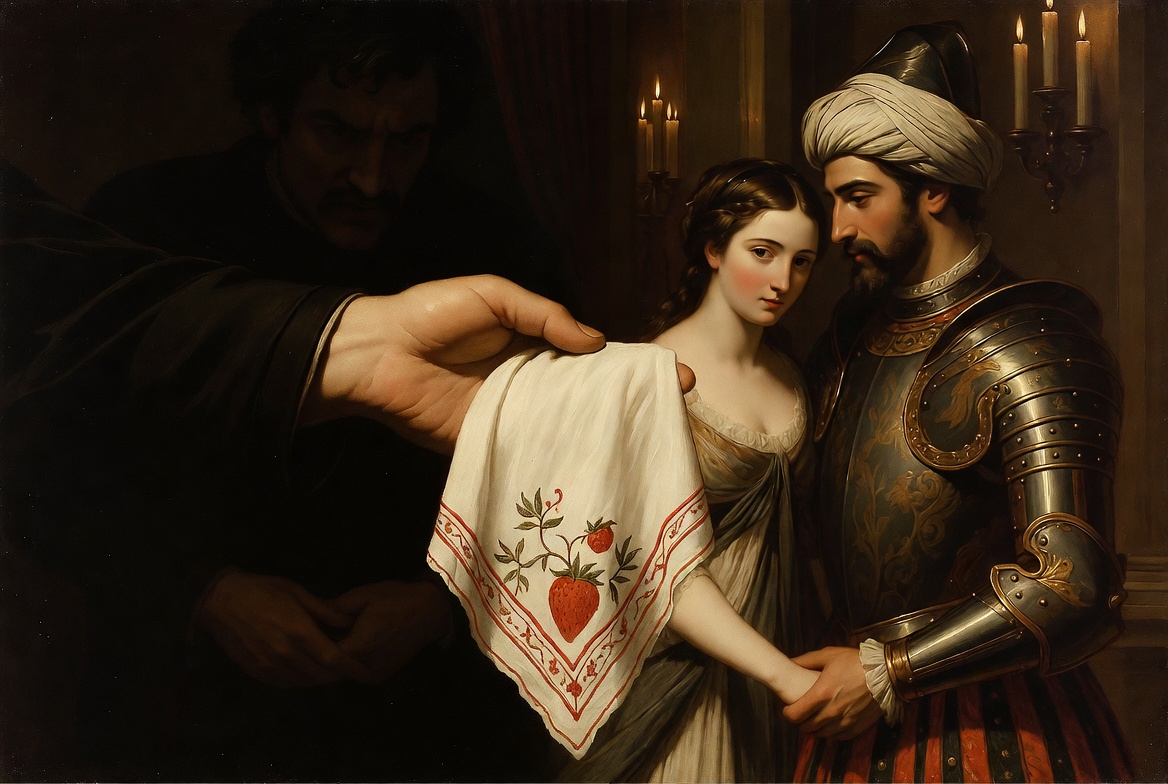
What elevates Othello above many other revenge tragedies of its time is Shakespeare’s extraordinary technical control.
Blank Verse vs. Prose — How Dialogue Reveals Character Shakespeare shifts between elevated blank verse and colloquial prose to brilliant effect. Othello’s speech begins grand and poetic but becomes fragmented and animalistic as jealousy overtakes him (“Goats and monkeys!”). Iago, by contrast, often speaks in blunt, earthy prose when plotting, making his villainy feel disturbingly ordinary and accessible. These linguistic choices allow the audience to track psychological deterioration in real time.
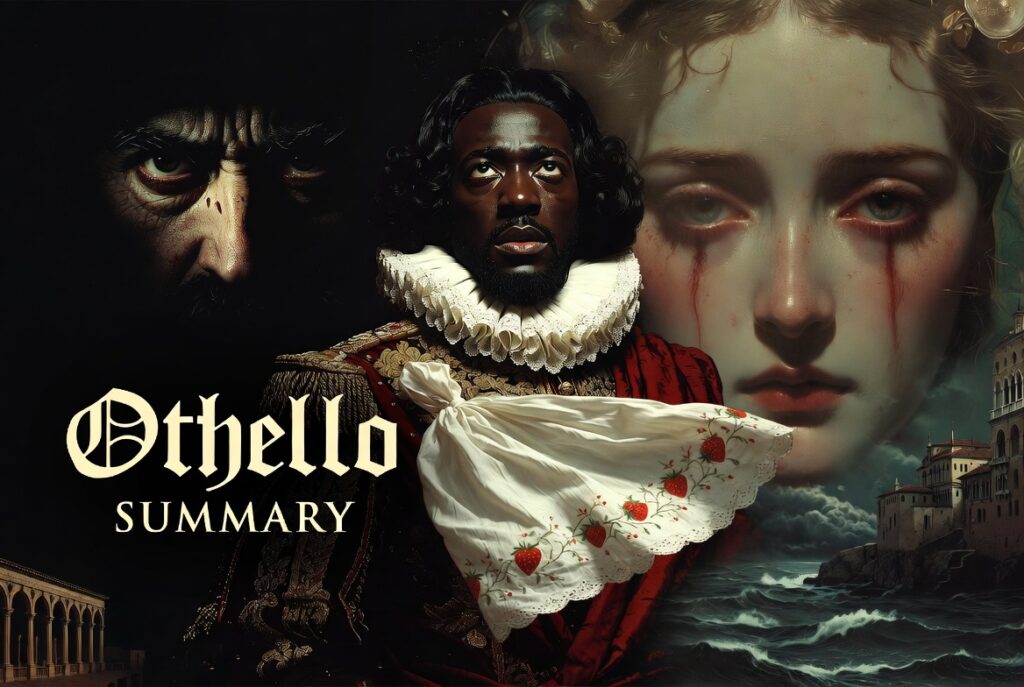
The Power of the Handkerchief — Central Symbol Explained The strawberry-spotted handkerchief is the play’s most famous prop. Given by Othello to Desdemona as a token of love and fidelity, it carries multiple layers of meaning. Othello claims it was given to his mother by an Egyptian sorceress and possesses magical properties that ensure marital faithfulness. In reality, its power is entirely psychological—its loss becomes “proof” of infidelity only because Iago convinces Othello to see it that way. The handkerchief thus symbolizes how trivial objects can become devastating weapons when filtered through suspicion and manipulation.
Dramatic Irony and Soliloquies — Letting the Audience in on Iago’s Plot Few characters in drama are granted as many direct addresses to the audience as Iago. His soliloquies create a chilling complicity: we watch in horror as he announces his plans, then see them unfold exactly as predicted. This dramatic irony heightens the tragedy—we know the truth, yet are powerless to stop the disaster.
Tight Structure — No Subplots, Maximum Emotional Intensity Unlike Hamlet or King Lear, Othello has almost no subplot. Every scene advances the central action. Time is compressed (the entire Cyprus section feels like it occurs over just a day or two), which creates unbearable dramatic pressure. This unity of action makes the play feel almost claustrophobic—an effect perfectly suited to its theme of psychological imprisonment.
Why Othello Remains Timeless — Relevance in 2026 and Beyond
More than four centuries after its first performance, Othello continues to fill theaters, inspire films, operas, and classroom debates. Its endurance stems from its unflinching examination of vulnerabilities that remain painfully human.
Modern Parallels in Relationships, Workplace Manipulation, and Social Media Jealousy Today’s audiences instantly recognize Iago’s tactics as classic gaslighting. The way he drips poison gradually—“I speak not yet of proof” while simultaneously planting doubt—mirrors emotional abuse patterns studied by psychologists. In the age of Instagram and instant communication, the speed with which suspicion can spread feels even more credible. Workplace scenarios where a colleague undermines another through rumors and selective “evidence” also echo Iago’s strategy.
Race and Identity Discussions in Contemporary Theater and Film Modern productions frequently cast Othello with actors of color and explore how the character’s race intersects with themes of belonging and performance. Notable adaptations include Orson Welles’ 1952 film, the 1995 version with Laurence Fishburne and Kenneth Branagh, and recent stage productions that reframe the story through lenses of migration and systemic bias. These interpretations keep the play relevant without altering Shakespeare’s text significantly.
Feminist and Post-Colonial Readings That Keep the Play Alive Feminist critics focus on the women’s limited options and Emilia’s late rebellion as a proto-feminist moment. Post-colonial scholars examine how Othello’s “otherness” is both celebrated (his military prowess) and punished. These layered readings ensure that new generations find fresh meaning in the tragedy.
Major adaptations—ballet versions, jazz operas like Duke Ellington’s Such Sweet Thunder, and modern retellings—prove the story’s flexibility while preserving its emotional core.
Common Misconceptions and Frequently Asked Questions About Othello
Is Othello really about racism, or is race incidental? Race is central but not the sole driver. Shakespeare uses racial difference to amplify Iago’s manipulation, showing how prejudice provides ready-made weapons. However, the tragedy would still function even without the racial element—the play is ultimately about universal human weaknesses.
Why doesn’t Desdemona defend herself more forcefully? Desdemona does protest her innocence repeatedly, but in a society where a husband’s word carried absolute authority, her options were severely limited. Her continued love for Othello and belief that he will eventually see reason also explain her relative passivity—a tragic miscalculation.
What exactly motivates Iago — jealousy, racism, or something darker? Iago offers multiple explanations (being passed over for promotion, suspicion of Othello with Emilia, general resentment), but none fully satisfy. Many critics conclude his evil is partly motiveless—a pure delight in destruction that makes him all the more terrifying.
Did Shakespeare intend the handkerchief to be magical? Othello believes it has magical properties, but Shakespeare presents this as part of Othello’s cultural background rather than objective truth. The handkerchief’s real power is symbolic and psychological.
How does Othello compare to other Shakespeare tragedies? Othello is more domestic and intimate than Hamlet or King Lear. It lacks the cosmic scope of those plays but compensates with tighter plotting and intense psychological realism. Its body count is lower, yet its emotional impact is devastatingly personal.
Is there any hope or redemption at the play’s end? There is recognition and remorse from Othello, and justice is served on Iago, but the innocent dead cannot be revived. The ending is bleak, offering catharsis rather than comfort.
Best modern editions or translations for first-time readers? The Folger Shakespeare Library edition, the Arden Shakespeare, or the Oxford World’s Classics versions are excellent. For digital access, the MIT Shakespeare site offers a clean, searchable text.
At its core, Othello answers the question “what is Othello about” with devastating clarity: it is a tragedy about how easily trust can be poisoned by jealousy and betrayal, and how quickly love can turn to destruction when fed by lies. Shakespeare shows us a noble man brought low not primarily by external enemies but by the flaws and fears within himself—fears skillfully exploited by someone he considered loyal.
Four hundred years later, the play still holds up a mirror to humanity’s darkest impulses and its most profound capacity for both love and self-deception. In an age of misinformation, polarized identities, and fragile relationships, Othello feels less like distant literature and more like a warning we ignore at our peril.
Whether you encounter it on the page, the stage, or the screen, Othello leaves audiences changed—more aware of how suspicion can grow, how words can wound, and how ordinary people can commit extraordinary evil when truth is obscured.
I encourage you to read the play in full, watch a strong production (the 2013 National Theatre version with Adrian Lester or the 2022 RSC production are highly recommended), and reflect on its lessons. For further exploration of Shakespeare’s genius, explore our guides to Hamlet, Macbeth, and the enduring power of his sonnets.
Othello endures because it speaks to something fundamental in the human condition. Its warning is as urgent today as it was in 1604: guard your trust carefully, question easy narratives, and never underestimate the destructive power of a well-placed lie.