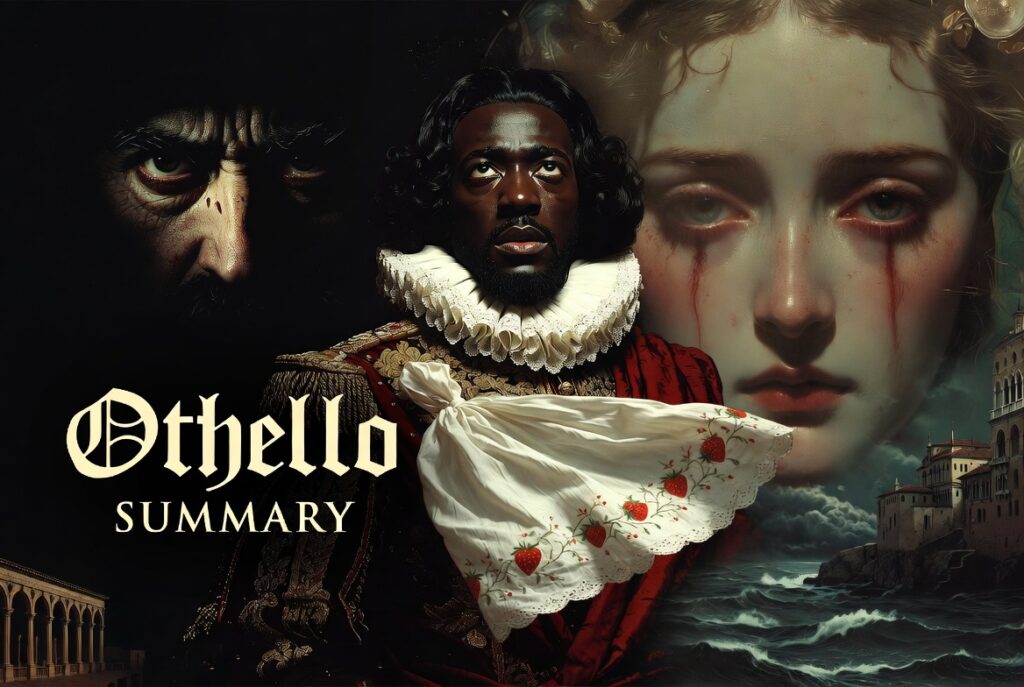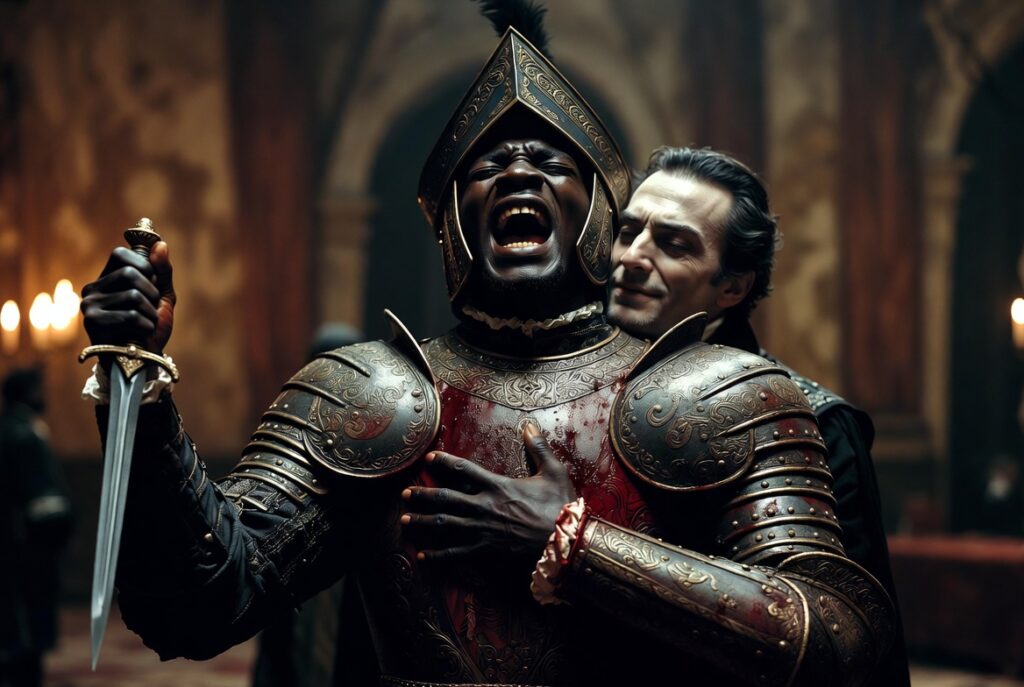
In the shadowy world of Shakespeare’s Othello, few relationships are as fascinating and destructive as that between Othello and Iago. From the opening scenes, Iago’s calculated deceit transforms a noble general into a man consumed by jealousy and rage, ultimately leading to heartbreaking tragedy. The complex bond between Othello and Iago stands as one of literature’s most compelling studies of manipulation, trust, and betrayal.
For students, theater enthusiasts, and Shakespeare lovers seeking to understand the psychological depth of this tragedy, exploring the dynamic between these two characters reveals far more than surface-level villainy. It offers timeless insights into human nature that remain strikingly relevant today.
The Enduring Power of Othello and Iago
William Shakespeare’s Othello, written around 1603, continues to captivate audiences more than four centuries later. At its core lies the poisonous relationship between the Moorish general Othello and his ensign Iago. While Othello represents honor, military brilliance, and vulnerability, Iago embodies cunning, resentment, and pure malice.
What makes the interaction between Othello and Iago so masterful is Shakespeare’s ability to show how evil doesn’t always appear monstrous. Iago is not a snarling villain but a seemingly honest, reliable subordinate. This makes his betrayal all the more devastating.
Historical and Literary Context
To fully appreciate the relationship between Othello and Iago, we must first understand the Elizabethan context in which Shakespeare wrote the play. England in the early 17th century was deeply interested in questions of race, class, power, and otherness. Othello, as a Black Moor commanding Venetian forces, was an outsider despite his military success. Iago, a white Venetian of lower rank, exploits these societal tensions with surgical precision.
Shakespeare drew inspiration from various sources, most notably Cinthio’s Hecatommithi (1565), but transformed the story into something far more psychologically sophisticated. The character of Iago evolved into one of Shakespeare’s most intelligent and chilling antagonists, while Othello became a tragic hero whose downfall stems not from inherent flaws alone, but from expertly engineered circumstances.
Deep Character Analysis: Othello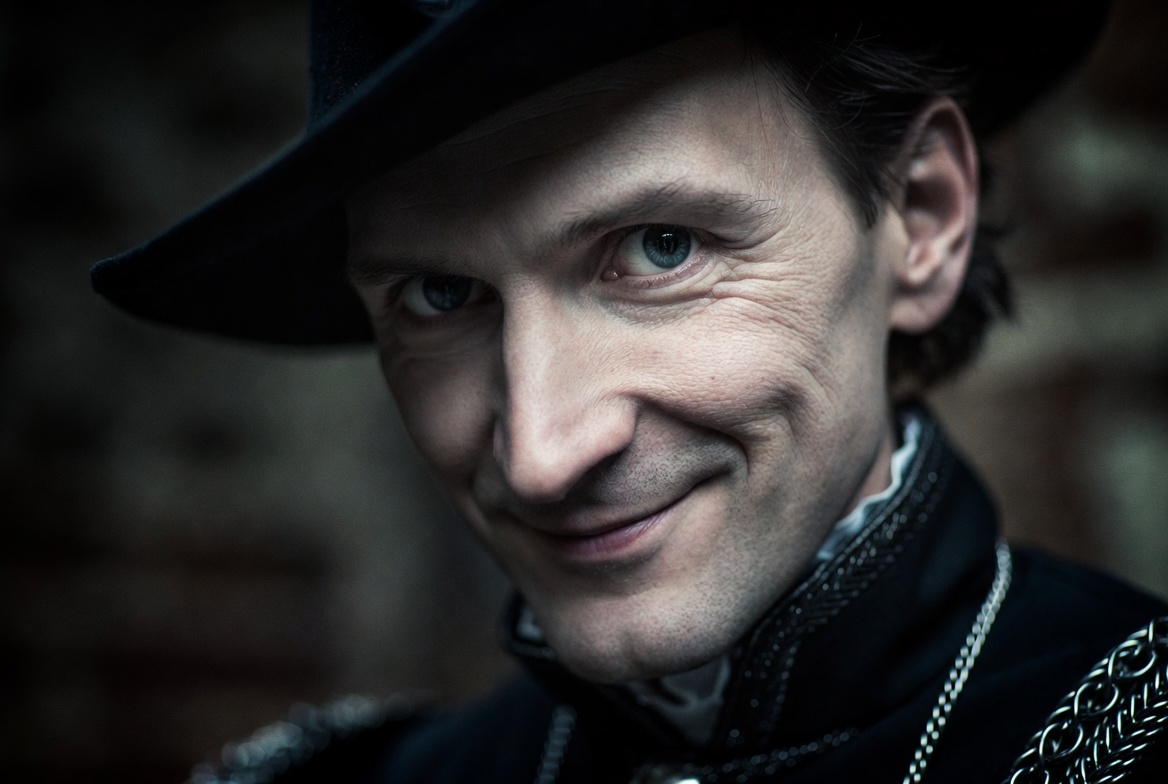
Othello is one of Shakespeare’s most noble tragic heroes. A respected military commander, he has risen through merit in a society that would typically marginalize him due to his race. His speech is poetic and dignified, reflecting both his experience and his deep capacity for love.
Key aspects of Othello’s character include:
- Military Excellence: His leadership in battles against the Turks demonstrates strategic brilliance.
- Insecurities: Despite his accomplishments, Othello harbors deep-seated doubts about his place in Venetian society and his worthiness of Desdemona’s love.
- Trusting Nature: His decision to trust Iago over his own wife reveals both his high regard for loyalty and his vulnerability to manipulation.
- Passionate Temperament: Once ignited, Othello’s jealousy burns with terrifying intensity.
Othello’s tragedy lies in the gap between his public persona as a composed leader and his private emotional vulnerabilities that Iago masterfully exploits.
Deep Character Analysis: Iago
Iago is widely regarded as one of Shakespeare’s greatest villains — and for good reason. Unlike Richard III, who openly declares his villainy, Iago maintains a facade of honesty while orchestrating destruction.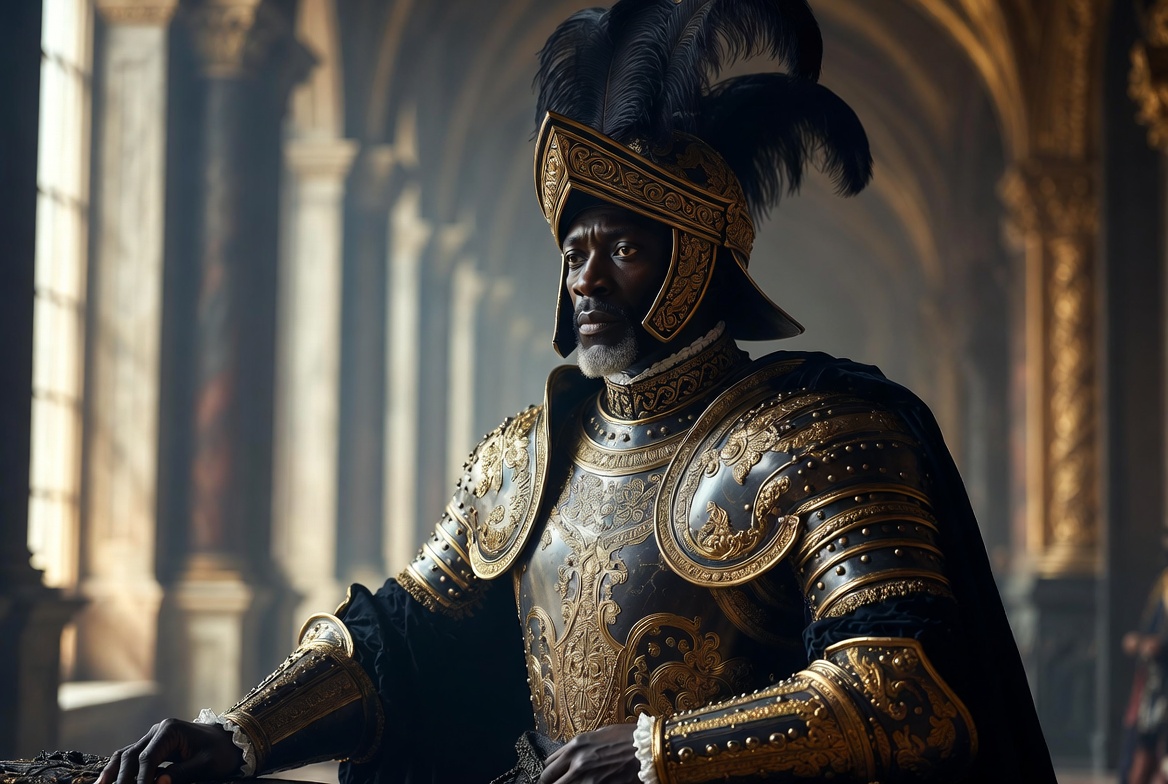
What drives Iago? Several motivations emerge throughout the play:
- Professional Resentment: He is furious that Othello promoted Cassio instead of him to the position of lieutenant.
- Racial Prejudice: Iago repeatedly uses derogatory language about Othello’s race and background.
- Suspected Infidelity: He harbors suspicions (possibly unfounded) that Othello has slept with his wife Emilia.
- Pure Malice: As Iago himself admits, his actions stem from a deep-seated hatred that defies simple explanation.
Iago’s genius lies in his psychological insight. He understands human weaknesses better than anyone and uses this knowledge as his primary weapon.
Key Quote: “I am not what I am.” (Act 1, Scene 1) — This line perfectly encapsulates Iago’s deceptive nature.
The Toxic Dynamic Between Othello and Iago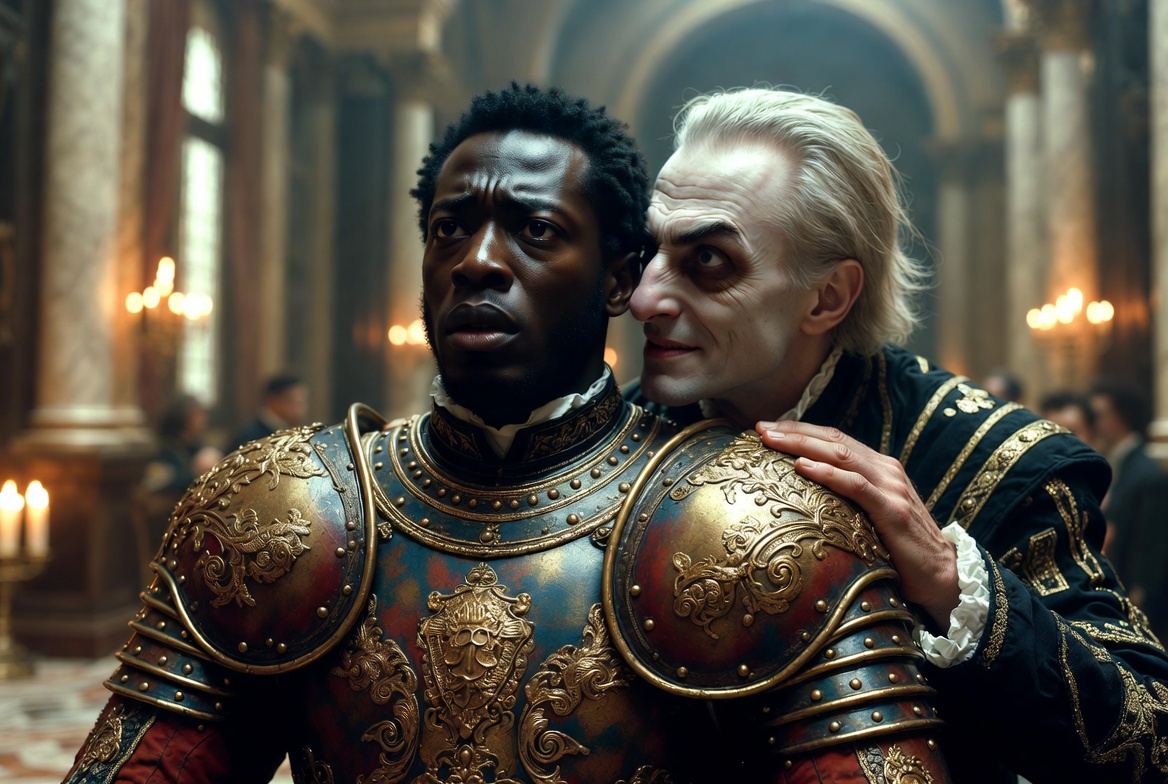
The relationship between Othello and Iago is built on a foundation of false friendship. Othello repeatedly calls Iago “honest,” a word that appears more than 50 times in the play, creating tragic irony.
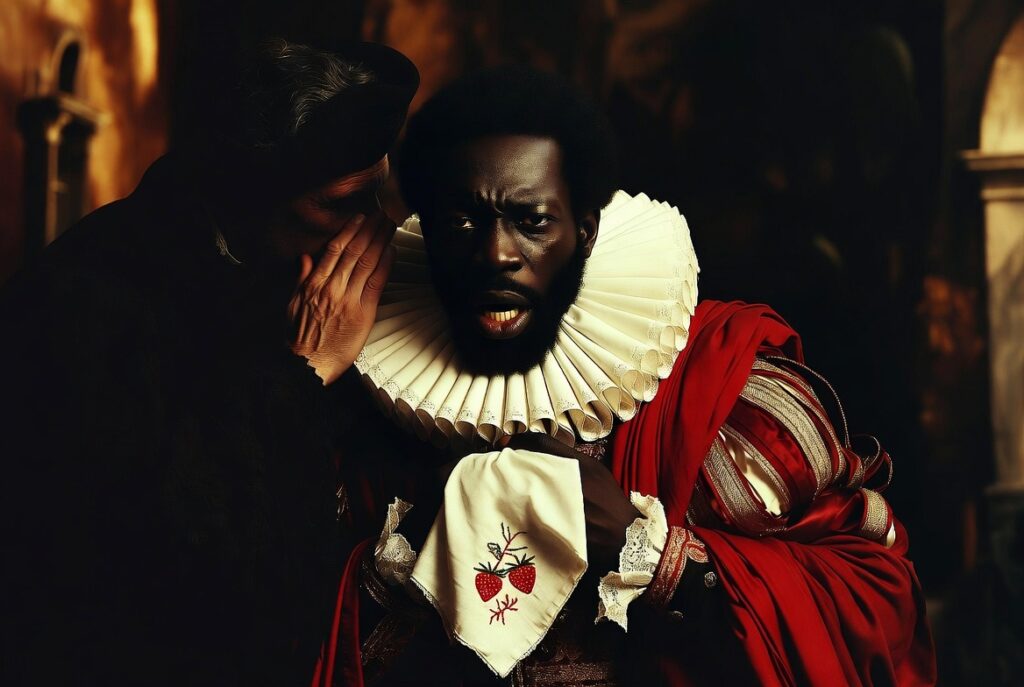
Iago carefully cultivates this trust over time. He positions himself as Othello’s loyal confidant while simultaneously planting seeds of doubt about Desdemona’s fidelity. The manipulation unfolds gradually:
- Stage 1: Establishing credibility through small acts of apparent loyalty.
- Stage 2: Introducing subtle suggestions about Cassio and Desdemona.
- Stage 3: Providing “evidence” (the handkerchief) to fuel Othello’s suspicions.
- Stage 4: Isolating Othello from other perspectives and pushing him toward action.
This methodical approach demonstrates Iago’s understanding of cognitive biases — particularly confirmation bias and the power of suggestion.
Iago’s Manipulation Techniques: A Masterclass in Deception
Shakespeare presents Iago as a psychological master who employs several sophisticated techniques:
1. Gaslighting Iago makes Othello question his own perceptions and memories. By repeatedly suggesting that Desdemona might be unfaithful, he creates doubt where none existed.
2. Selective Truth-Telling Iago mixes verifiable facts with malicious interpretations. This makes his lies more believable.
3. Playing on Insecurities He exploits Othello’s awareness of racial and cultural differences, implying that Desdemona might naturally prefer someone “more like” her.
4. Creating Urgency Iago constantly pushes Othello to act quickly before “evidence” disappears, preventing rational reflection.
5. Using Others as Pawns He manipulates Roderigo, Cassio, and even his own wife Emilia without remorse.
These techniques feel remarkably modern. In today’s world of misinformation and psychological manipulation, Iago’s methods remain chillingly effective.
Pivotal Scenes: The Unraveling
Several key scenes define the tragic arc of Othello and Iago:
The Temptation Scene (Act 3, Scene 3) This is the longest scene in the play and represents the turning point. Here, Iago masterfully shifts Othello from doubt to certainty. The dialogue showcases Shakespeare’s genius for natural conversation that gradually reveals devastating consequences.
The Handkerchief Scene The handkerchief, Othello’s first gift to Desdemona, becomes the central piece of “evidence.” Iago orchestrates its placement with Cassio, knowing its emotional significance to Othello.
The Bedroom Tragedy By the time Othello confronts Desdemona, Iago’s work is complete. The noble general has transformed into a man capable of murder.
Major Themes in the Relationship
The interaction between Othello and Iago illuminates several profound themes:
- Jealousy: Both sexual jealousy and professional envy drive the plot.
- Appearance vs Reality: Nothing is as it seems in Iago’s world.
- Race and Otherness: Othello’s position as an outsider makes him more susceptible to manipulation.
- Trust and Betrayal: The play questions how well we can truly know others.
- Free Will vs Manipulation: To what extent is Othello responsible for his actions?
Shakespeare doesn’t offer simple answers. Instead, he presents a complex web of human motivations and societal pressures.
Psychological Insights: Why Does Othello Trust Iago?
Modern psychology offers fascinating perspectives on why Othello and Iago’s relationship was so destructive:
- Authority Bias: Othello respects Iago’s military experience and apparent loyalty.
- In-Group Preference: Despite his own outsider status, Othello may have sought validation from Venetian insiders.
- Emotional Isolation: As a Moor in Venice, Othello lacks a strong support network.
- Cognitive Dissonance: Once doubts are planted, Othello’s mind works to resolve conflicting beliefs about his wife.
Iago intuitively understands these psychological vulnerabilities centuries before they were formally studied.
Literary Significance and Critical Interpretations
Critics have offered various interpretations of the Othello and Iago dynamic over the centuries:
- Coleridge famously described Iago’s motiveless malignity.
- Modern critics emphasize racial and colonial readings.
- Feminist readings focus on the treatment of Desdemona and Emilia.
- Psychoanalytic approaches explore repressed desires and projection.
The richness of these interpretations demonstrates why the play continues to generate new scholarship and theatrical productions.
Modern Relevance: Lessons for Today
The relationship between Othello and Iago offers valuable lessons for contemporary society:
- Workplace Manipulation: Iago’s professional jealousy mirrors toxic office politics.
- Relationship Red Flags: The gradual erosion of trust through subtle comments.
- Social Media Deception: How misinformation spreads through seemingly credible sources.
- Racial Dynamics: The way prejudice can be weaponized even against accomplished individuals.
- Gaslighting Awareness: Understanding psychological manipulation in personal relationships.
By studying Othello and Iago, readers gain tools to recognize and resist similar dynamics in their own lives.
Key Quotes That Define Othello and Iago’s Relationship
Shakespeare’s language in Othello provides some of the most revealing insights into the destructive bond between these two characters. Several quotes stand out as pivotal:
“O, beware, my lord, of jealousy; It is the green-eyed monster which doth mock the meat it feeds on.” (Act 3, Scene 3)
This famous line shows Iago’s brilliance. He warns Othello against jealousy while simultaneously planting it. The metaphor of the “green-eyed monster” has become iconic, perfectly capturing how jealousy consumes from within.
“I hate the Moor…” (Act 1, Scene 3)
Iago’s soliloquies reveal his true feelings. His open admission of hatred contrasts sharply with the “honest Iago” persona he presents to Othello, highlighting the central theme of appearance versus reality.
“But I will wear my heart upon my sleeve for daws to peck at; I am not what I am.” (Act 1, Scene 1)
This early declaration establishes Iago’s philosophy of deception. He refuses to be transparent, making him one of literature’s most opaque villains.
“I’ll see before I doubt; when I doubt, prove; And on the proof, there is no more but this: Away at once with love or jealousy!” (Act 3, Scene 3)
Here, Othello still believes in his rational judgment. Iago systematically dismantles this confidence, showing how even strong-minded individuals can be broken through persistent psychological pressure.
These quotes not only drive the plot but also serve as masterclasses in dramatic irony and character revelation.
Symbolism and Literary Devices in Their Dynamic
Shakespeare employs rich symbolism to deepen the relationship between Othello and Iago:
- The Handkerchief: Represents Othello’s love, cultural heritage, and fidelity. Its misuse by Iago transforms a token of affection into a weapon of destruction.
- Darkness and Light: Iago operates in shadows (both literal and metaphorical), while Othello’s tragedy unfolds as he moves from clarity into moral darkness.
- War and Battle Imagery: Military language permeates their interactions, reflecting how Iago turns Othello’s professional world into a personal battlefield.
- Poison: Iago frequently refers to his words as poison, accurately describing how his manipulation slowly corrupts Othello’s mind.
These devices create a tightly woven text where every element reinforces the central tragedy of trust betrayed.
Comparative Analysis: Iago vs Other Shakespearean Villains
To fully appreciate Iago’s uniqueness in the relationship with Othello, it helps to compare him with other major antagonists:
- Vs Richard III: Both are master manipulators, but Richard openly boasts about his villainy, while Iago hides behind a mask of honesty.
- Vs Edmund (King Lear): Both resent their social positions, yet Edmund’s motivations are more transparent and tied to bastardy.
- Vs Don John (Much Ado About Nothing): A simpler, less intelligent villain whose schemes lack Iago’s psychological depth.
Iago stands apart because his manipulation of Othello feels deeply personal and meticulously calculated. He doesn’t just cause chaos—he engineers a complete psychological collapse.
Performance History and Modern Adaptations
The dynamic between Othello and Iago has inspired countless productions:
- Laurence Olivier’s 1965 Othello paired with Frank Finlay’s Iago remains a landmark for its raw emotional intensity.
- Orson Welles’ 1952 film emphasized the racial and visual aspects of their relationship.
- Modern adaptations like O (2001) transplant the story to a high school basketball setting, highlighting how Iago’s manipulation translates across contexts.
- Recent productions often explore contemporary issues of toxic masculinity, racism, and gaslighting.
Actors frequently cite Iago as one of the most challenging and rewarding roles due to the character’s intellectual agility and moral void.
For Students and Educators: Teaching Othello and Iago
Understanding the relationship between Othello and Iago offers excellent opportunities for classroom exploration:
- Discussion Topics: Nature vs nurture in villainy, the reliability of first-person narration (Iago’s soliloquies), and societal responsibility in Othello’s downfall.
- Essay Prompts: “To what extent is Othello responsible for his tragedy?” or “How does Iago exploit Elizabethan social anxieties?”
- Creative Assignments: Rewrite key scenes from Iago’s perspective or stage a modern workplace version of the temptation scene.
The play’s exploration of manipulation makes it particularly relevant for developing critical thinking and emotional intelligence in students.
Potential Counter-Arguments and Nuances
While Iago is typically viewed as pure evil, some critics argue for more nuanced readings:
- Is Iago a product of a racist, hierarchical society that denied him advancement?
- Does Othello’s quick acceptance of Iago’s lies reflect his own internalized prejudices?
- Could stronger communication between Othello and Desdemona have thwarted Iago’s plans?
These questions don’t excuse Iago’s actions but enrich our understanding of the complex web of responsibility in Shakespeare’s tragedy.
Lessons on Manipulation for Modern Readers
The story of Othello and Iago serves as a powerful cautionary tale. In an age of digital communication, fake news, and psychological tactics in both personal and professional spheres, Iago’s methods are disturbingly familiar.
Practical takeaways include:
- Question sources that seem overly eager to share “secrets.”
- Maintain open communication in relationships to prevent third parties from creating division.
- Recognize when someone is playing on your insecurities rather than addressing genuine concerns.
- Value evidence over suggestion and emotion.
By studying this relationship, readers develop greater awareness of manipulative behaviors and strengthen their ability to protect themselves and others.
The Timeless Tragedy of Othello and Iago
The relationship between Othello and Iago remains one of Shakespeare’s most profound creations. Through Iago’s calculated manipulation, Shakespeare reveals how quickly trust can erode, how jealousy destroys even the strongest minds, and how evil can wear the most convincing mask of friendship.
Othello’s fall is not merely the story of one man’s jealousy but a meditation on human vulnerability, societal prejudice, and the destructive power of deception. Iago succeeds not because he is supernatural, but because he understands human nature too well.
For anyone seeking to understand the depths of Shakespearean tragedy, the dynamic between Othello and Iago offers unparalleled insight. It challenges us to examine our own relationships, question easy narratives, and remain vigilant against those who would exploit our deepest fears and insecurities.
In the end, the tragedy endures because it feels so painfully possible. Shakespeare shows us that the most dangerous enemy is often the one we invite closest — the “honest” friend whose words slowly poison our world.