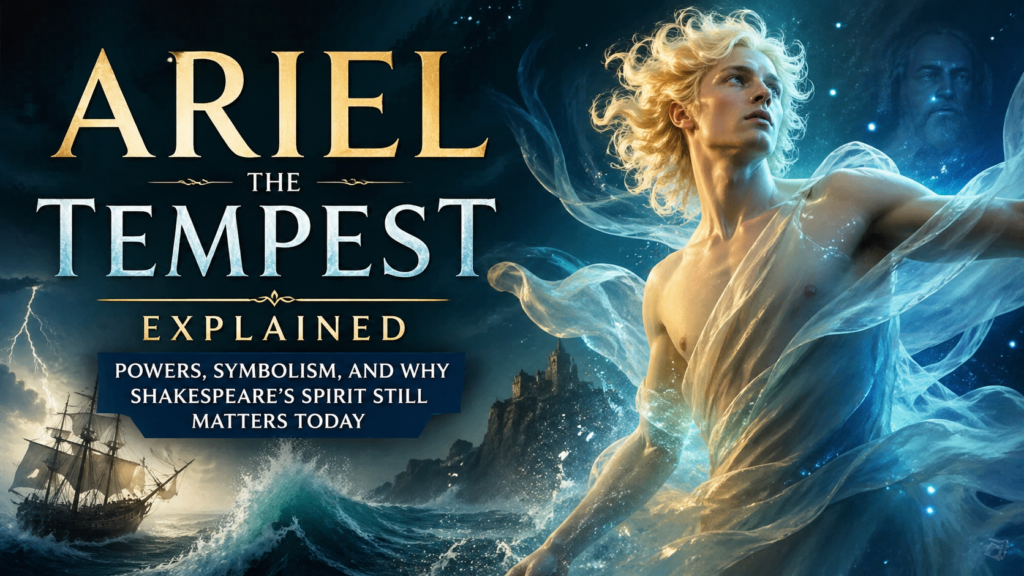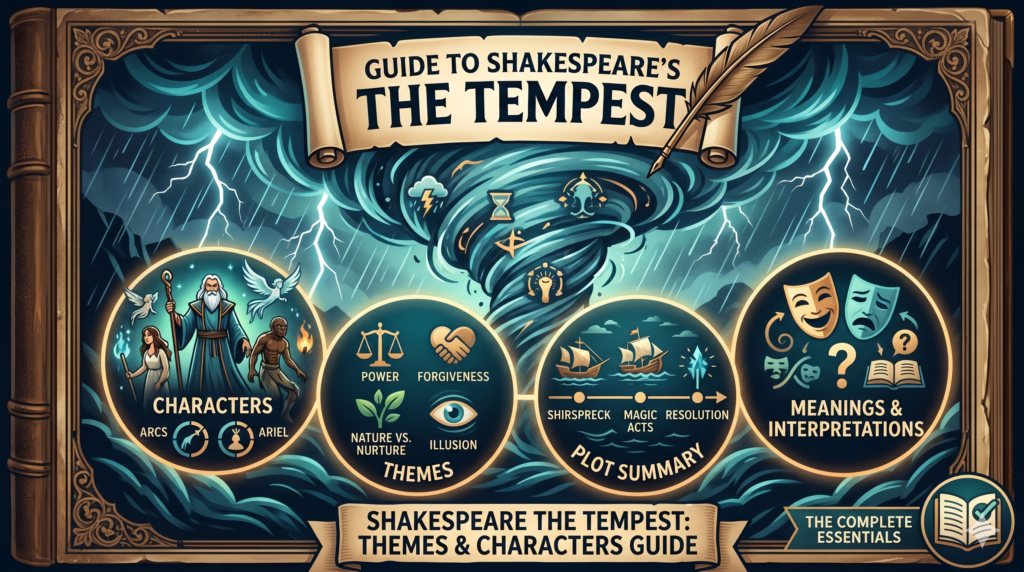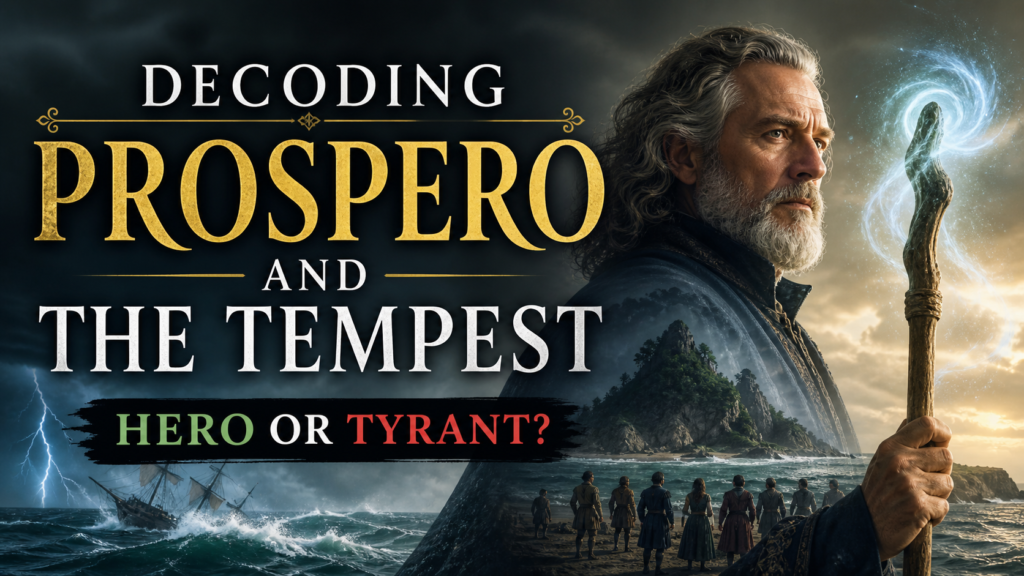
What happens when one of William Shakespeare’s most mysterious male protagonists is transformed into a woman? That single creative decision turned Julie Taymor’s adaptation of The Tempest into one of the most fascinating and debated Shakespeare films of the modern era. More than just another literary adaptation, the tempest julie taymor reimagines questions of authority, exile, motherhood, revenge, and forgiveness through a bold feminist lens that continues to spark discussion among scholars, students, critics, and film lovers alike.
Released in 2010 and starring the extraordinary Helen Mirren as Prospera, the film takes Shakespeare’s final solo play and reshapes it without abandoning the poetic richness that made the original text legendary. Directed by Julie Taymor, known for visually daring works and theatrical innovation, the adaptation blends fantasy cinema with Shakespearean drama in a way few directors have attempted.
For many viewers, the film raises compelling questions:
- Does changing Prospero into Prospera deepen the story?
- Is Taymor’s adaptation faithful to Shakespeare?
- Why has the film become important in feminist Shakespeare criticism?
- Does the movie help modern audiences better understand The Tempest?
This article provides a complete analysis of the film’s themes, performances, symbolism, cinematic style, feminist reinterpretation, and cultural legacy. Whether you are a student studying Shakespeare, a literature enthusiast exploring modern adaptations, or a film lover curious about Taymor’s vision, this guide offers an expert-level examination designed to deliver genuine insight and lasting value.
What Is The Tempest by Julie Taymor About?
Brief Overview of Shakespeare’s Original The Tempest
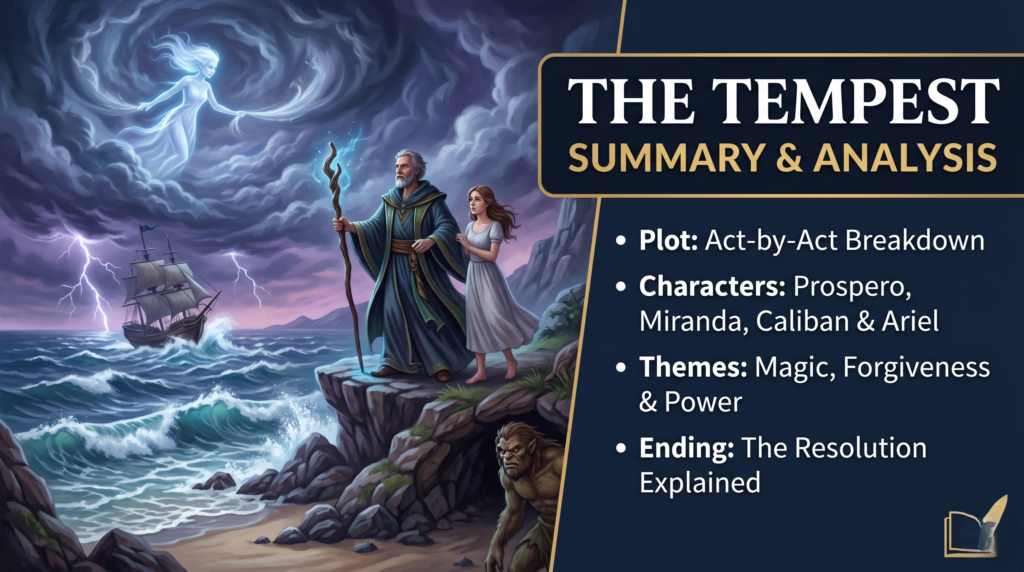
First performed around 1611, The Tempest is widely considered one of Shakespeare’s final masterpieces. The play follows Prospero, the former Duke of Milan, who has been exiled to a remote island with his daughter Miranda after being betrayed by his brother Antonio.
Using magical powers learned from books and occult study, Prospero controls the island and its spirits, particularly Ariel, while subjugating the creature Caliban. When Prospero’s enemies sail near the island, he creates a violent storm—the “tempest”—to bring them ashore and begin a carefully orchestrated plan involving revenge, justice, and ultimately forgiveness.
The play explores major Shakespearean themes, including:
- Power and political authority
- Colonialism and domination
- Illusion versus reality
- Art and theatricality
- Mercy and redemption
Because The Tempest blends fantasy, philosophy, politics, and emotional reconciliation, it has become one of the most frequently adapted Shakespeare plays in modern cinema and theater.
Julie Taymor’s 2010 Film Adaptation Explained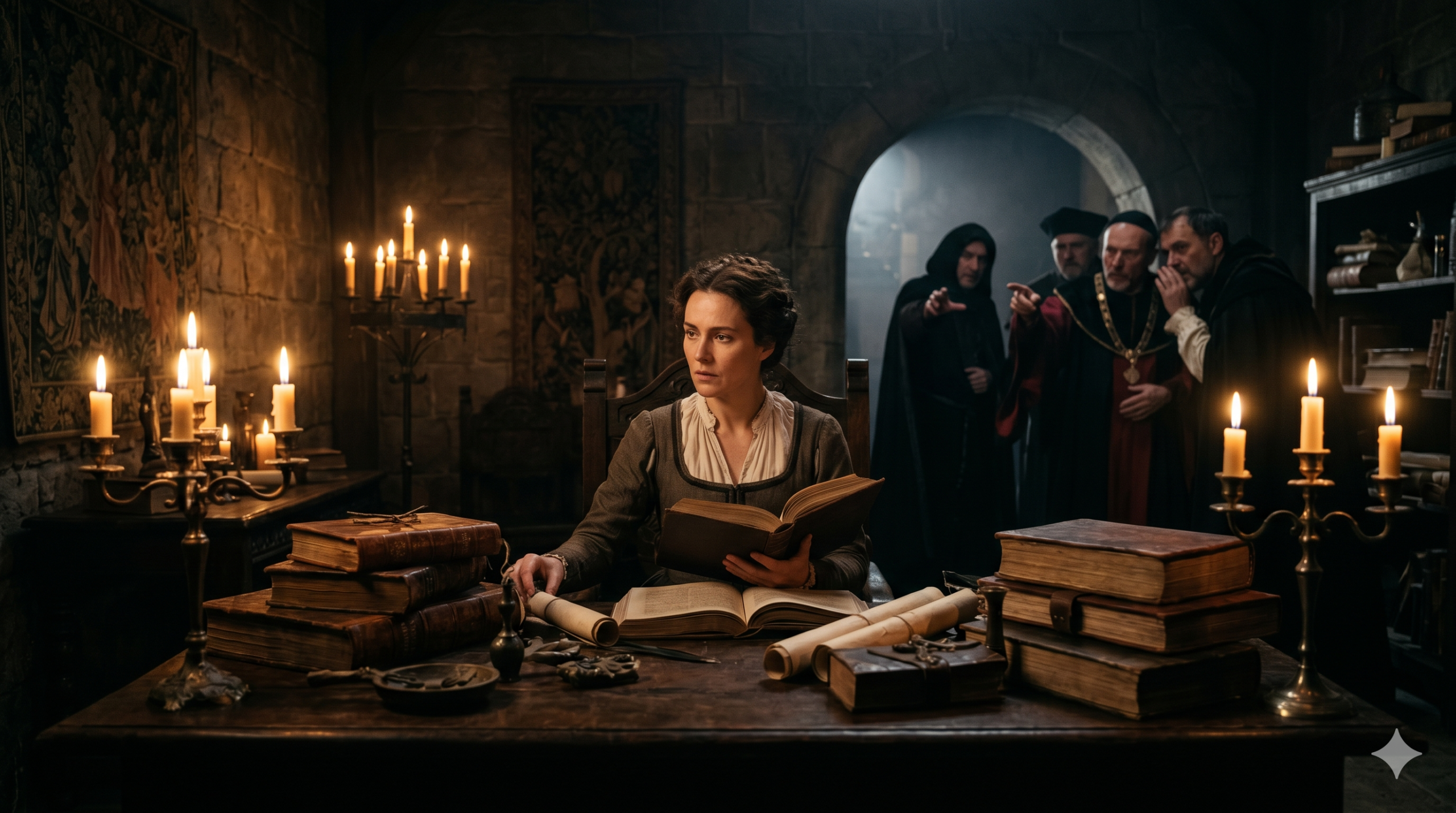
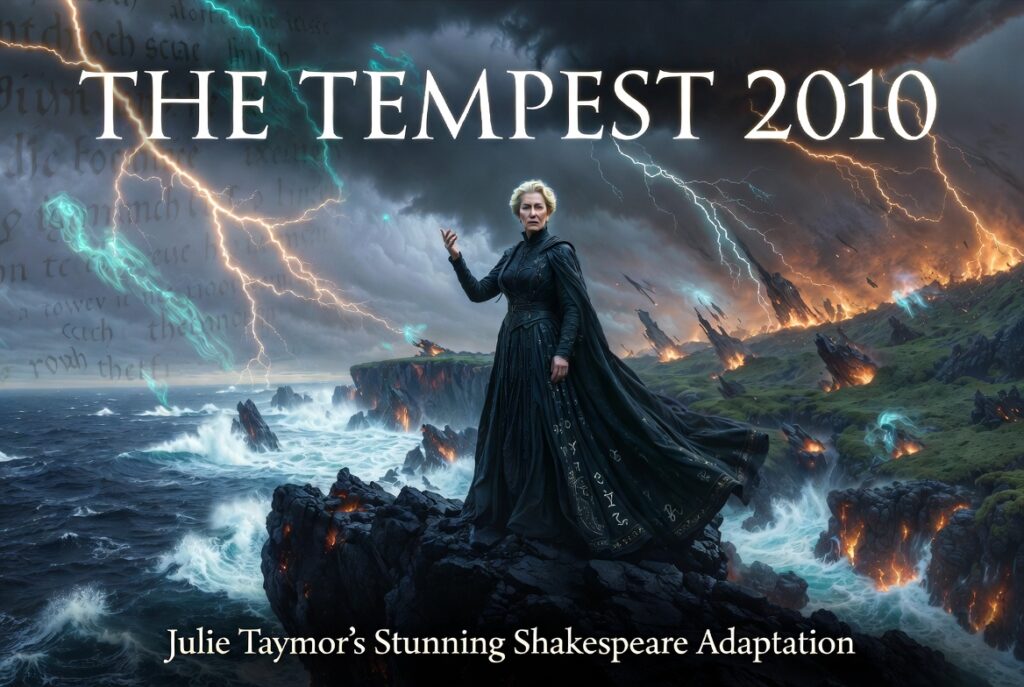
Julie Taymor approached the story not as a conventional adaptation but as a reinterpretation. Her version preserves much of Shakespeare’s original language while introducing a major conceptual shift: Prospero becomes Prospera, a woman accused of witchcraft and political ambition.
The film stars:
- Helen Mirren as Prospera
- Ben Whishaw as Ariel
- Djimon Hounsou as Caliban
- Felicity Jones as Miranda
- Russell Brand in a supporting role
Rather than modernizing the setting completely, Taymor creates a mythic and timeless atmosphere. Volcanic landscapes, crashing seas, surreal magical imagery, and dark visual symbolism combine to make the island feel psychologically alive.
Importantly, Taymor retains Shakespeare’s original dialogue for much of the screenplay. This decision preserves literary authenticity while allowing cinematic visuals to interpret emotional meaning in new ways.
Why This Adaptation Became So Influential
Many Shakespeare film adaptations attempt to modernize the setting or simplify the language. Taymor chose a more ambitious path: reinterpret the emotional and political structure of the story itself.
The decision to transform Prospero into Prospera changed how audiences viewed nearly every major theme:
- Revenge became tied to gendered persecution
- Authority became connected to female survival
- Motherhood added emotional complexity
- Isolation gained deeper psychological resonance
At the same time, the film’s visual boldness distinguished it from more traditional Shakespeare cinema. Taymor’s theatrical imagination—already famous from her stage work and visually inventive filmmaking—allowed the movie to feel dreamlike, symbolic, and emotionally heightened.
Over time, the adaptation gained increasing attention in academic discussions surrounding:
- Feminist literary criticism
- Shakespeare adaptation studies
- Gender theory
- Postcolonial analysis
- Visual storytelling in classical literature
Julie Taymor’s Vision: Reimagining Shakespeare for Modern Audiences
Why Prospero Became Prospera
The most radical change in Taymor’s adaptation is also its defining artistic choice.
In Shakespeare’s original play, Prospero is a scholarly male ruler whose obsession with knowledge and magic contributes to both his downfall and eventual redemption. Taymor asked an important question: what happens if that same intellectual figure is a woman?
The answer reshapes the narrative entirely.
In the film, Prospera is not merely a female version of Prospero. She becomes a woman punished by patriarchal power structures. Her political enemies accuse her of witchcraft, seize her authority, and exile her. Suddenly, the story reflects historical anxieties surrounding educated and powerful women.
This reinterpretation introduces themes deeply relevant to modern audiences:
- Gender-based persecution
- Fear of female authority
- Intellectual suppression
- Political misogyny
The transformation feels organic rather than forced because Shakespeare’s original themes already revolve around power, control, and social exclusion. Taymor simply exposes dimensions that were always latent within the text.
Feminism and Power in the Film
One reason the tempest julie taymor remains culturally important is that it avoids simplistic feminist messaging. Prospera is neither idealized nor morally perfect.
She is:
- Brilliant yet manipulative
- Protective yet controlling
- Loving yet consumed by anger
- Wise yet emotionally wounded
This complexity gives the film psychological depth.
Prospera’s magic functions not only as supernatural power but also as symbolic intellectual authority. Her books represent knowledge, education, and independence—qualities historically denied to women in patriarchal societies.
The film also reframes the relationship between Prospera and Miranda. In Shakespeare’s play, Prospero often appears authoritative and emotionally distant. In Taymor’s version, the maternal relationship becomes central. Prospera’s actions feel tied not only to revenge but also to survival and protection.
As a result, the emotional stakes become more intimate and human.
Does the Gender Change Improve the Story?
This question remains at the center of debates surrounding the film.
Supporters argue that:
- The gender shift adds emotional depth
- It modernizes the themes naturally
- Helen Mirren’s performance enhances the story’s humanity
- The adaptation reveals hidden feminist dimensions within Shakespeare
Critics, however, argue that:
- The reinterpretation changes Shakespeare’s original intentions
- Some symbolic dynamics shift too dramatically
- The adaptation occasionally prioritizes concept over narrative clarity
Both perspectives contain valid points. Yet even critics often acknowledge that Taymor’s version is intellectually ambitious rather than commercially superficial.
Unlike adaptations that modernize Shakespeare simply for novelty, Taymor’s film engages deeply with the text’s philosophical and political foundations.
That seriousness is precisely why the adaptation continues to matter.
Helen Mirren’s Performance as Prospera
Why Helen Mirren Was the Perfect Choice
Casting Helen Mirren as Prospera was essential to the film’s success.
Mirren possesses a rare combination of:
- Classical Shakespearean training
- Emotional intelligence
- Commanding screen presence
- Vulnerability beneath authority
Without an actress capable of balancing those qualities, the adaptation’s central premise might have failed.
Instead, Mirren transforms Prospera into one of the most compelling Shakespearean figures in modern cinema.
Her performance never feels gimmicky or performatively “strong.” Rather, she communicates exhaustion, grief, intelligence, and restrained fury through subtle expression and vocal precision.
This grounded humanity prevents the film from becoming emotionally distant despite its fantasy elements.
Key Scenes That Define Her Performance
Several scenes demonstrate why Mirren’s portrayal earned widespread critical praise.
The Storm Sequence
In the opening tempest, Prospera’s rage feels almost elemental. Mirren communicates not just magical power but emotional devastation. The storm becomes an external manifestation of years of betrayal and suffering.
Her Relationship With Ariel
Prospera’s interactions with Ariel reveal moral ambiguity. She depends on Ariel’s service yet promises eventual freedom. Mirren portrays this tension with complexity rather than cruelty.
Confronting Her Enemies
When Prospera faces those who betrayed her, Mirren avoids melodrama. Instead, she projects controlled intensity, making the scenes psychologically believable.
The Final Forgiveness Speech
Perhaps most importantly, Mirren makes forgiveness feel difficult rather than sentimental. Her final renunciation of revenge carries emotional weight because audiences understand how much pain lies beneath it.
How Mirren Changes the Emotional Core of the Story
By turning Prospero into Prospera, the story’s emotional center shifts dramatically.
In many traditional interpretations, Prospero appears intellectually detached. Mirren’s Prospera, however, feels emotionally vulnerable beneath her authority.
This vulnerability changes audience perception in several ways:
- Her anger feels more personal
- Her protectiveness toward Miranda becomes maternal
- Her isolation appears more tragic
- Her forgiveness feels harder earned
As a result, the adaptation becomes less about abstract political restoration and more about emotional survival.
That transformation is one reason many modern viewers connect deeply with the film, even when they struggle with Shakespearean language.
The Visual Style and Cinematic Language of the Film
Julie Taymor’s Signature Directorial Style
Few filmmakers approach Shakespeare with the same visual imagination as Julie Taymor.
Her background in theater, opera, puppetry, and experimental visual storytelling gives the film a distinctive identity. Rather than aiming for realism, Taymor embraces stylization and symbolism.
The island feels:
- Mythic rather than geographical
- Psychological rather than literal
- Dreamlike rather than historically precise
This approach aligns beautifully with Shakespeare’s themes of illusion and theatricality.
Taymor frequently uses:
- Volcanic landscapes
- Surreal lighting
- Symbolic costumes
- Visually poetic compositions
- Elemental imagery involving fire, wind, water, and stone
These choices transform the island into a living reflection of Prospera’s inner world.
The Island as a Psychological Space
In Taymor’s adaptation, the island functions almost like a subconscious mind.
Its shifting weather patterns, isolated cliffs, caves, and violent natural imagery mirror Prospera’s emotional condition. The environment becomes an extension of her psychological state.
This interpretation deepens the story considerably.
Rather than serving merely as a fantasy setting, the island symbolizes:
- Trauma
- Exile
- Isolation
- Emotional imprisonment
- The possibility of transformation
The result is a film that feels emotionally immersive even when its narrative pacing slows.
Costume Design, Lighting, and Visual Symbolism
Costume design in the tempest julie taymor functions as an extension of character psychology. Prospera’s robes often appear dark, layered, and weathered, visually reflecting years of exile and emotional burden. Her appearance suggests both regal authority and spiritual isolation.
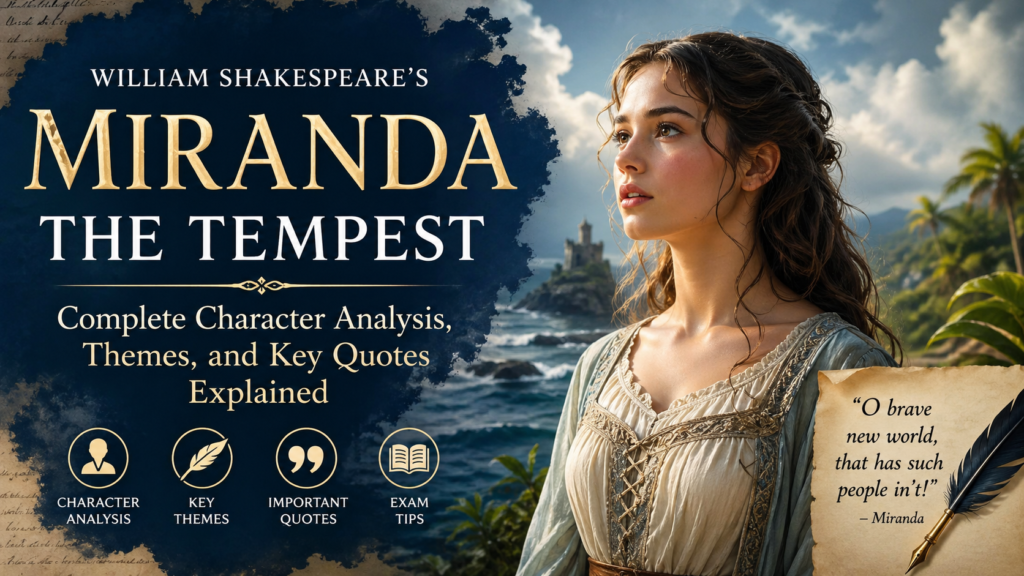
Miranda, by contrast, is frequently associated with softer textures and lighter colors, symbolizing innocence and emotional openness. Ariel’s visual presentation is especially striking. Rather than appearing as a traditional fairy-like spirit, Ariel is portrayed as almost otherworldly—ethereal, fluid, and difficult to define physically.
Lighting also plays a major symbolic role throughout the film.
Taymor frequently contrasts:
- Darkness and illumination
- Fire and water
- Shadow and sunlight
- Confinement and openness
These visual oppositions reinforce Shakespeare’s thematic conflicts:
- Revenge versus forgiveness
- Knowledge versus ignorance
- Civilization versus savagery
- Freedom versus servitude
The film’s volcanic imagery is particularly important. Fire becomes symbolic of both destructive rage and transformative purification. In many scenes, Prospera appears framed against harsh natural landscapes, emphasizing her connection to elemental power.
Special Effects and Fantasy Elements
One of the film’s most ambitious aspects is its use of fantasy visuals and CGI. Rather than treating magic as subtle or realistic, Taymor embraces theatrical spectacle.
Ariel often appears:
- Suspended in air
- Dissolving into natural elements
- Emerging from fire or wind
- Existing beyond ordinary human movement
These effects help communicate Ariel’s spiritual nature while reinforcing the film’s dreamlike atmosphere.
However, reactions to the visual effects were mixed. Some viewers appreciated the bold stylization, while others felt certain CGI sequences appeared overly artificial.
Yet even critics who questioned specific effects often acknowledged that Taymor’s visuals served thematic purposes rather than mere spectacle. The magical imagery reflects the play’s fascination with illusion, theater, and transformation.
Importantly, the fantasy elements never completely overshadow Shakespeare’s language. Taymor understands that visual storytelling should support—not replace—the emotional and philosophical depth of the text.
Ariel and Caliban: Symbolism, Servitude, and Humanity
Ariel as Freedom and Spiritual Power
In Shakespeare’s play, Ariel represents both magical capability and longing for liberation. Taymor’s adaptation intensifies this duality.
Played by Ben Whishaw, Ariel becomes one of the film’s most visually and emotionally compelling figures. Whishaw portrays Ariel not as a cheerful servant but as a deeply restrained being caught between loyalty and resentment.
Ariel’s relationship with Prospera is emotionally complex:
- Ariel owes Prospera freedom from imprisonment
- Yet Ariel remains bound to serve her
- Gratitude and frustration coexist constantly
This tension mirrors larger themes of dependency and control throughout the film.
Ariel also symbolizes imagination itself. As a spirit capable of shaping illusion and manipulating perception, Ariel reflects the power of art, storytelling, and theatrical creation. In many ways, Ariel functions as an extension of Prospera’s creative will.
The character’s desire for freedom gives the story emotional poignancy. Every act of service carries the hope of eventual liberation.
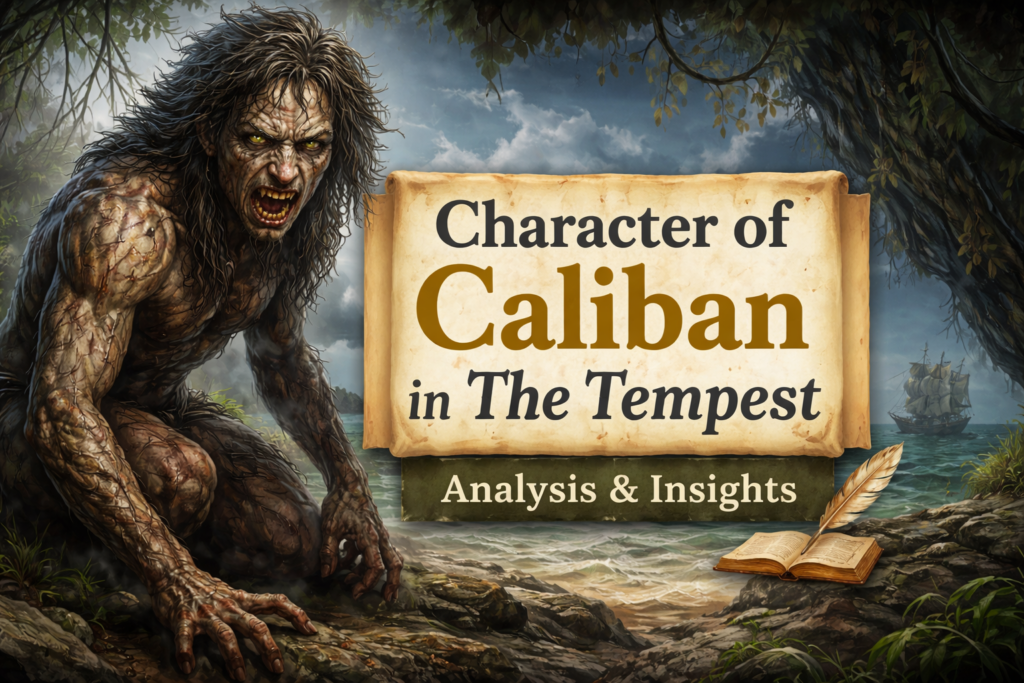
Caliban as the Colonized Outsider
If Ariel symbolizes spiritual freedom, Caliban represents the painful realities of domination and marginalization.
Portrayed powerfully by Djimon Hounsou, Caliban is not reduced to a simple monster. Taymor emphasizes his humanity, suffering, and rage.
Modern critics frequently interpret Caliban through a postcolonial lens. In this reading:
- The island originally belonged to Caliban
- Prospera represents colonizing authority
- Language becomes a tool of domination
- Civilization masks exploitation
This interpretation has become increasingly important in contemporary Shakespeare studies.
Caliban’s bitterness toward Prospera reflects not only personal resentment but also historical patterns of cultural erasure and subjugation. He is simultaneously victimized and morally flawed, which makes him psychologically complex rather than simplistic.
Taymor’s adaptation visually reinforces this complexity. Caliban is portrayed with dignity and emotional depth, encouraging viewers to empathize with his suffering even when they reject his actions.
How Taymor Humanizes Both Characters
One of Taymor’s greatest achievements is her refusal to reduce Ariel and Caliban to abstract symbols.
Instead:
- Ariel feels emotionally vulnerable
- Caliban feels deeply wounded
- Both characters possess individuality and agency
This humanization strengthens the story dramatically.
In many adaptations, Ariel becomes purely magical spectacle while Caliban becomes monstrous comic relief. Taymor avoids both extremes. She presents them as emotionally real beings shaped by oppression, dependence, and longing.
As a result, the relationships on the island become morally complicated rather than neatly divided between hero and villain.
Major Themes in The Tempest Julie Taymor Adaptation
Revenge Versus Forgiveness
At its heart, The Tempest is a story about revenge—and the painful decision to abandon it.
Prospera has every reason to hate those who betrayed her:
- She was stripped of power
- Exiled from society
- Forced into isolation
- Emotionally traumatized
The tempest itself symbolizes the violent emotional force of that anger.
Yet Shakespeare’s play ultimately rejects revenge as a permanent solution. Taymor preserves this moral trajectory while making it feel psychologically difficult and emotionally authentic.
Prospera’s forgiveness matters because it is not easy.
Mirren portrays forgiveness not as weakness but as moral evolution. The film suggests that true power lies not in domination but in the ability to release hatred.
This theme remains profoundly relevant in contemporary society, where cycles of resentment and retaliation often dominate political and personal conflicts.
Power and Control
Power operates on multiple levels throughout the film:
- Political authority
- Intellectual control
- Magical domination
- Emotional manipulation
Prospera controls nearly everyone around her:
- Ariel through obligation
- Caliban through force
- Miranda through protection and authority
- Her enemies through illusion and strategy
Yet the film constantly questions whether such control is morally justified.
Taymor highlights the paradox at the center of Prospera’s character:
- She was victimized by unjust power
- Yet she also becomes controlling herself
This ambiguity prevents the narrative from becoming morally simplistic.
The film ultimately suggests that power without compassion risks reproducing the same injustices it seeks to overcome.
Colonialism and Otherness
Modern interpretations of The Tempest frequently focus on colonial themes, and Taymor’s adaptation embraces this perspective.
Caliban represents the “other”:
- The colonized subject
- The culturally marginalized figure
- The voice excluded from dominant power structures
Prospera’s claim to the island reflects historical colonial logic:
- The belief in intellectual superiority
- The assumption of civilizing authority
- The justification of domination through culture and education
The film does not offer easy moral answers. Prospera is neither entirely oppressive nor entirely innocent. Instead, Taymor explores how systems of power shape relationships between rulers and the ruled.
This complexity gives the adaptation modern political relevance.
Gender and Identity
The film’s feminist reinterpretation extends beyond simply changing Prospero into Prospera.
It explores:
- How society fears powerful women
- The connection between gender and authority
- Female intellectual isolation
- The emotional burdens placed upon women leaders
Prospera’s exile carries different implications because she is a woman. Her enemies frame her intelligence and magical knowledge as dangerous rather than admirable.
Historically, accusations of witchcraft often targeted women who possessed education, influence, or independence. Taymor subtly connects Prospera’s story to that historical reality.
The result is a version of The Tempest that feels deeply contemporary while remaining rooted in Shakespearean themes.
Illusion, Art, and Storytelling
One of Shakespeare’s most fascinating ideas in The Tempest is that magic resembles theater itself.
Prospera creates:
- Performances
- Illusions
- Emotional manipulations
- Carefully staged spectacles
In this sense, Prospera resembles both playwright and director.
Taymor amplifies this meta-theatrical dimension through cinema. The film constantly reminds viewers that storytelling has transformative power. Visual effects, symbolic imagery, and theatrical composition reinforce the idea that art shapes human perception.
This theme becomes especially meaningful considering Shakespeare likely wrote The Tempest near the end of his career. Many scholars interpret Prospero’s final renunciation of magic as Shakespeare symbolically saying farewell to artistic creation itself.
Taymor preserves this emotional resonance beautifully.
Comparing Julie Taymor’s The Tempest to Shakespeare’s Original Play
Major Plot Differences
Although Taymor remains surprisingly faithful to Shakespeare’s language, several significant changes distinguish the film from the original play.
The most obvious difference is the transformation of Prospero into Prospera. However, the adaptation also adjusts certain emotional dynamics and visual interpretations.
Key differences include:
- Greater emphasis on gender politics
- Increased emotional focus on motherhood
- Stronger visual symbolism
- More psychologically intense atmosphere
- Condensed pacing in certain subplots
The film also prioritizes emotional tone over theatrical rhythm. Shakespeare’s stage version often balances philosophical seriousness with humor and spectacle. Taymor’s adaptation leans more heavily into emotional intensity and visual grandeur.
What the Film Keeps Faithful to Shakespeare
Despite its reinterpretations, the film preserves many essential aspects of Shakespeare’s original vision.
What Modern Audiences Gain From the Adaptation
One reason the tempest julie taymor continues to attract attention is its accessibility for contemporary viewers who may struggle with traditional Shakespeare productions.
Taymor bridges the gap between classical literature and modern cinema through:
- Strong visual storytelling
- Emotional realism
- Feminist reinterpretation
- Psychological symbolism
- Cinematic fantasy elements
For audiences unfamiliar with Shakespeare, the film offers an emotionally engaging entry point into the play’s major ideas. The visual language helps viewers understand themes and relationships even when the dialogue becomes linguistically challenging.
Modern viewers also benefit from the adaptation’s relevance to current social conversations. Themes involving:
- Gender inequality
- Abuse of authority
- Colonialism
- Isolation
- Trauma and healing
all feel strikingly contemporary.
By connecting Shakespeare’s text to modern cultural concerns, Taymor demonstrates why classical literature still matters.
What Traditionalists May Dislike
Not every Shakespeare scholar or viewer embraces Taymor’s reinterpretation.
Some traditionalists argue that:
- Changing Prospero into Prospera fundamentally alters the play
- The stylized visuals occasionally overshadow the dialogue
- The pacing becomes uneven
- Certain symbolic elements feel overly theatrical
Others believe the film’s visual intensity can distract from Shakespeare’s language and philosophical nuance.
These criticisms are understandable because The Tempest occupies an important place in literary history, and some audiences prefer more textually conservative adaptations.
However, even many critics acknowledge that Taymor approaches Shakespeare with intellectual seriousness and artistic ambition. The film is not a superficial modernization designed merely to appear contemporary. Instead, it engages thoughtfully with the play’s underlying themes and emotional structure.
That distinction matters.
Critical Reception and Audience Response
How Critics Responded to the Film
When the film was released in 2010, critical responses were mixed but deeply engaged.
Many reviewers praised:
- Helen Mirren’s commanding performance
- Taymor’s imaginative visuals
- The film’s emotional ambition
- Its feminist reinterpretation
- The atmospheric cinematography
Critics especially admired Mirren’s ability to humanize Prospera without diminishing her authority. Her performance was frequently described as intelligent, emotionally layered, and dignified.
However, some reviewers criticized:
- Dense Shakespearean dialogue that casual viewers might find difficult
- Heavy reliance on visual symbolism
- Uneven pacing
- Certain CGI effects
Despite these criticisms, the film generated substantial academic and cultural discussion—something many literary adaptations fail to achieve.
Importantly, the debate surrounding the film helped increase its long-term significance.
Audience Reactions Over Time
Audience appreciation for the film has evolved considerably since its release.
Initially, some viewers expected a more traditional fantasy film and struggled with the Shakespearean language. Others hoped for a strictly faithful theatrical adaptation and resisted Taymor’s reinterpretation.
Over time, however, the film developed a stronger reputation among:
- Shakespeare enthusiasts
- Literature students
- Feminist film scholars
- Adaptation theorists
- Viewers interested in experimental cinema
Today, the adaptation is often discussed less as a mainstream entertainment product and more as a serious artistic interpretation worthy of academic analysis.
This shift reflects a broader cultural trend: audiences increasingly value adaptations that challenge conventional readings rather than merely reproducing familiar versions.
Awards, Recognition, and Legacy
Although the film did not become a major commercial blockbuster, it achieved significant cultural recognition.
Its legacy rests largely on:
- Helen Mirren’s acclaimed performance
- Taymor’s innovative direction
- Its importance in feminist Shakespeare criticism
- Its role in adaptation studies
The film also contributed to ongoing conversations about how Shakespeare can be reinterpreted for modern audiences without abandoning textual complexity.
In many university courses focusing on:
- Shakespeare adaptations
- Feminist literary theory
- Film analysis
- Postcolonial criticism
Taymor’s The Tempest remains a valuable teaching resource.
Its long-term impact demonstrates that artistic influence is not always measured by box office success.
Is Julie Taymor’s The Tempest Good for Students?
What Students Can Learn From the Film
For students studying Shakespeare, Taymor’s adaptation offers substantial educational value.
The film helps students:
- Visualize Shakespeare’s complex imagery
- Understand character motivations
- Explore feminist interpretations
- Analyze symbolism and cinematic language
- Examine adaptation theory
Because much of Shakespeare’s original dialogue remains intact, students can compare the film directly with the text. This comparison encourages deeper literary analysis rather than passive viewing.
The movie is especially useful for students studying:
- Feminist criticism
- Colonial interpretations of literature
- Shakespearean tragedy and romance
- Film adaptation techniques
- Symbolism in visual storytelling
The adaptation demonstrates how classical texts can evolve across historical periods while remaining intellectually relevant.
Best Themes for Essays and Academic Discussion
Students writing essays about the tempest julie taymor can explore numerous sophisticated themes.
Gender and Power
How does transforming Prospero into Prospera alter the story’s political meaning?
Colonialism and Authority
Does Prospera’s control over Caliban reflect colonial systems of domination?
Revenge and Forgiveness
Why is forgiveness ultimately more powerful than revenge in the narrative?
Illusion and Performance
How does the film connect magic with theater and cinematic storytelling?
Nature and Psychological Symbolism
How does the island reflect Prospera’s emotional state?
These themes allow students to engage critically with both Shakespeare’s original text and Taymor’s reinterpretation.
Common Misunderstandings Students Should Avoid
While studying the film, students should avoid several common analytical mistakes.
Oversimplifying Prospera
Prospera is neither purely heroic nor villainous. Strong literary analysis requires acknowledging her moral complexity.
Ignoring Shakespeare’s Historical Context
The adaptation is modern, but the original play emerged from early 17th-century political and colonial anxieties.
Treating Visual Symbolism Literally
Taymor frequently uses surreal imagery symbolically rather than realistically. Students should interpret visuals metaphorically.
Assuming the Adaptation Rejects Shakespeare
Taymor does not discard Shakespeare’s ideas. Instead, she reinterprets them through a contemporary perspective.
Avoiding these misunderstandings leads to more nuanced and academically credible analysis.
Julie Taymor’s Place Among Shakespeare Film Adaptors
Comparing Taymor to Kenneth Branagh and Baz Luhrmann
Modern Shakespeare cinema has been shaped by several influential directors, each with a distinct artistic philosophy.
Kenneth Branagh
Branagh is known for:
- Textual fidelity
- Classical performance styles
- Traditional dramatic structure
- Respect for theatrical realism
His adaptations often emphasize Shakespeare’s language above visual experimentation.
Baz Luhrmann
Luhrmann takes the opposite approach:
- Hyper-stylized visuals
- Modern settings
- Pop-cultural energy
- Fast-paced editing
His famous adaptation of Romeo + Juliet modernized Shakespeare through contemporary aesthetics while preserving much of the original dialogue.
Julie Taymor
Taymor occupies a unique middle ground:
- She preserves Shakespearean language
- Yet embraces visual surrealism
- She respects the text
- Yet reinterprets its emotional and political dimensions
Her work feels theatrical, mythic, and psychologically symbolic rather than strictly realistic or commercially modernized.
What Makes Taymor’s Adaptations Unique
Several qualities distinguish Taymor from other Shakespeare directors.
Visual Mythmaking
Taymor transforms settings into symbolic emotional landscapes.
Theatrical Influence
Her background in stage production gives her films operatic intensity and stylized composition.
Feminist Reinterpretation
Rather than merely modernizing settings, Taymor interrogates power structures within classical texts.
Commitment to Artistic Risk
She prioritizes thematic depth and visual imagination over mainstream accessibility.
These characteristics make her adaptations intellectually distinctive even when they divide audiences.
Why Her Work Continues to Matter
Taymor’s importance lies in her willingness to treat Shakespeare as a living artistic tradition rather than a museum artifact.
Her work matters because it:
- Encourages reinterpretation rather than repetition
- Makes classical literature relevant to modern concerns
- Expands opportunities for feminist analysis
- Demonstrates the cinematic potential of Shakespearean storytelling
In an era when many literary adaptations simplify source material for broader appeal, Taymor’s films remain unapologetically ambitious.
That ambition ensures their continued relevance in both artistic and academic discussions.
Expert Analysis: Does the Film Successfully Modernize Shakespeare?
Where the Adaptation Excels
From a critical perspective, the film succeeds most strongly in several areas.
Emotional Depth
Helen Mirren’s performance gives the story emotional authenticity and psychological complexity.
Visual Creativity
Taymor’s imagery transforms the island into a symbolic and immersive environment.
Feminist Reinterpretation
The gender transformation adds meaningful thematic dimensions rather than superficial novelty.
Preservation of Shakespearean Language
Unlike simplified adaptations, the film respects the richness of Shakespeare’s poetry.
Together, these strengths create a version of The Tempest that feels intellectually serious and artistically ambitious.
Where the Film Struggles
The adaptation is not without weaknesses.
Accessibility Challenges
Some viewers unfamiliar with Shakespeare may struggle with the dialogue.
Uneven Pacing
The film occasionally prioritizes atmosphere over narrative momentum.
Overwhelming Symbolism
Certain visual choices may feel excessively abstract for mainstream audiences.
Inconsistent CGI
Some effects sequences have aged less gracefully than the film’s practical visual elements.
These issues prevent the film from achieving universal accessibility, but they do not diminish its artistic significance.
Final Critical Evaluation
Ultimately, the tempest julie taymor stands as one of the most intellectually daring Shakespeare adaptations of the 21st century.
It is not designed for passive entertainment. Instead, the film invites active interpretation and critical engagement. Taymor challenges audiences to reconsider:
- Gender and authority
- Colonial power structures
- Emotional trauma
- The relationship between art and illusion
For viewers willing to engage deeply with Shakespearean language and symbolic storytelling, the film offers extraordinary rewards.
Its greatest achievement may be this: it proves that Shakespeare remains endlessly adaptable because his themes continue to speak powerfully across centuries.
Frequently Asked Questions About The Tempest Julie Taymor
Why did Julie Taymor change Prospero to Prospera?
Julie Taymor changed Prospero into Prospera to explore themes of female authority, persecution, and intellectual power. The reinterpretation adds feminist dimensions to Shakespeare’s original story while remaining faithful to its emotional and philosophical core.
Is Julie Taymor’s The Tempest faithful to Shakespeare?
Yes, the film remains surprisingly faithful to Shakespeare’s language and major themes. However, it reinterprets character dynamics and symbolism through a modern feminist perspective.
Who plays Prospera in the film?
Helen Mirren plays Prospera and delivers one of the film’s most acclaimed performances.
What are the main themes of the movie?
Major themes include:
- Revenge and forgiveness
- Power and control
- Colonialism
- Gender and identity
- Freedom and servitude
- Illusion and storytelling
Is the film good for students studying Shakespeare?
Yes. The film is particularly valuable for students exploring feminist criticism, adaptation theory, symbolism, and modern interpretations of Shakespeare.
Where can viewers watch Julie Taymor’s The Tempest?
Availability varies by region and streaming platform. Viewers should check legitimate digital rental services and streaming providers for current access.
Why Julie Taymor’s The Tempest Remains a Bold Shakespeare Adaptation
More than a decade after its release, the tempest julie taymor continues to stand apart from conventional Shakespeare cinema because it dares to reinterpret rather than simply reproduce.
By transforming Prospero into Prospera, Julie Taymor opens new pathways into Shakespeare’s exploration of power, revenge, forgiveness, and identity. Combined with stunning visual symbolism and Helen Mirren’s unforgettable performance, the film becomes both a cinematic experience and an intellectual conversation.
The adaptation may not satisfy every traditionalist, but its artistic ambition is undeniable. It challenges audiences to think critically about:
- Gender and authority
- Colonial history
- Emotional trauma
- The transformative power of art
Most importantly, the film demonstrates why Shakespeare remains timeless. His stories continue to evolve because they speak to universal human conflicts that transcend historical eras.
For students, scholars, and film lovers alike, Julie Taymor’s The Tempest remains one of the most fascinating and thought-provoking Shakespeare adaptations ever created.