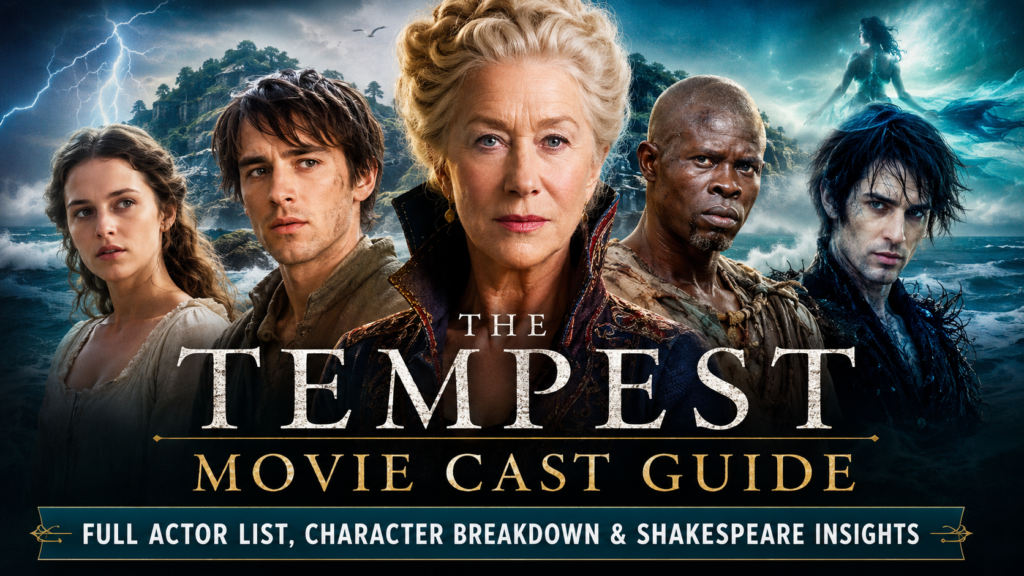
Few Shakespeare adaptations have sparked as much curiosity, debate, and admiration as the 2010 film version of The Tempest. From its visually stunning magical sequences to its bold casting choices, the film introduced a new generation of audiences to one of Shakespeare’s most mysterious plays. But for many viewers, the biggest reason the movie remains unforgettable is the tempest movie cast itself — a powerful ensemble of acclaimed actors who transformed classic characters into emotionally compelling cinematic figures.
Whether you are a Shakespeare student, film enthusiast, literature teacher, or longtime fan of theatrical adaptations, understanding the cast behind The Tempest can deepen your appreciation of the story in remarkable ways. The performances in this adaptation do far more than deliver Shakespearean dialogue; they reinterpret themes of revenge, power, forgiveness, colonialism, and redemption for modern audiences.
In this complete guide, you’ll discover the full actor list, detailed character breakdowns, performance analysis, behind-the-scenes insights, comparisons with other Shakespeare films, and expert commentary on why this adaptation continues to stand out in the world of literary cinema.
Overview of The Tempest Movie Adaptations
Shakespeare’s Original Play in Context
Written during the later stage of William Shakespeare’s career, The Tempest is widely regarded as one of his final masterpieces. First performed around 1611, the play combines fantasy, political intrigue, romance, and philosophical reflection into a story centered on exile and reconciliation.
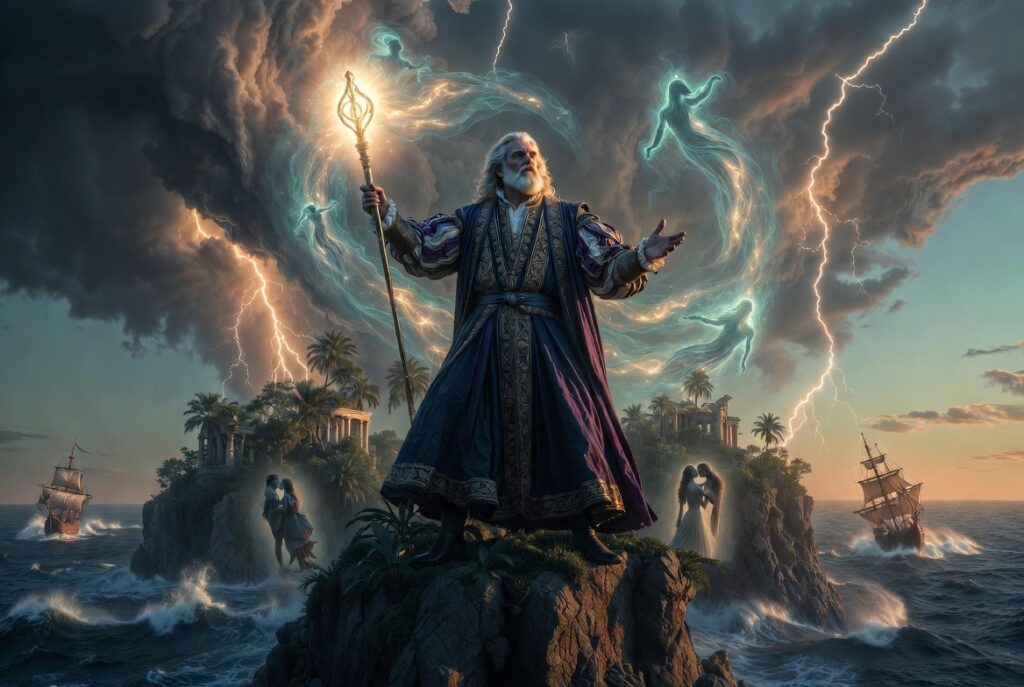
The narrative follows Prospero, the former Duke of Milan, who has been stranded on a remote island with his daughter Miranda after being betrayed by his brother Antonio. Using magical powers and the spirit Ariel, Prospero creates a violent storm that brings his enemies to the island, setting the stage for revenge, justice, and ultimately forgiveness.
Over the centuries, scholars and audiences have interpreted the play through many lenses, including:
- Colonialism and oppression
- Parental control
- Political ambition
- Freedom versus servitude
- The ethics of revenge
- The illusion of power
These layered themes make The Tempest particularly attractive for film adaptation because directors can reinterpret the story for different generations and cultural contexts.
Why The Tempest Has Been Adapted So Many Times
Unlike some Shakespeare plays that rely heavily on political speeches or courtroom dialogue, The Tempest contains visually cinematic elements that naturally translate to film:
- Magical storms
- Mystical spirits
- Isolated island landscapes
- Supernatural effects
- Emotional confrontations
The play also offers extraordinary opportunities for actors. Characters like Prospero, Ariel, and Caliban require emotional depth, physical intensity, and symbolic interpretation, making them highly desirable roles for accomplished performers.
Modern directors are especially drawn to the play’s flexibility. Some adaptations emphasize fantasy, while others highlight psychological drama or political commentary.
Most Popular Film Versions of The Tempest
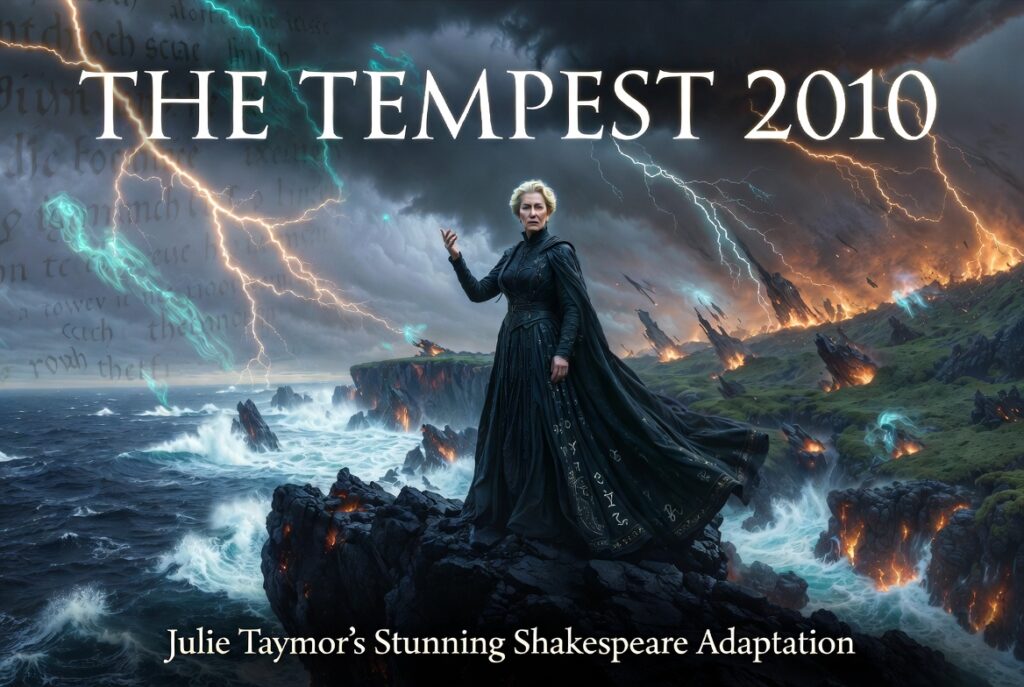
Although several versions of The Tempest exist, the 2010 adaptation directed by Julie Taymor remains the most widely discussed modern interpretation.
Other notable adaptations include:
- Derek Jarman’s avant-garde 1979 version
- Stage-to-screen productions by the Royal Shakespeare Company
- Television adaptations by the BBC
- International reinterpretations inspired by colonial themes
However, the 2010 film stands apart because of its bold artistic direction, visual effects, and especially its memorable cast.
The Tempest Movie Cast (2010): Full Actor List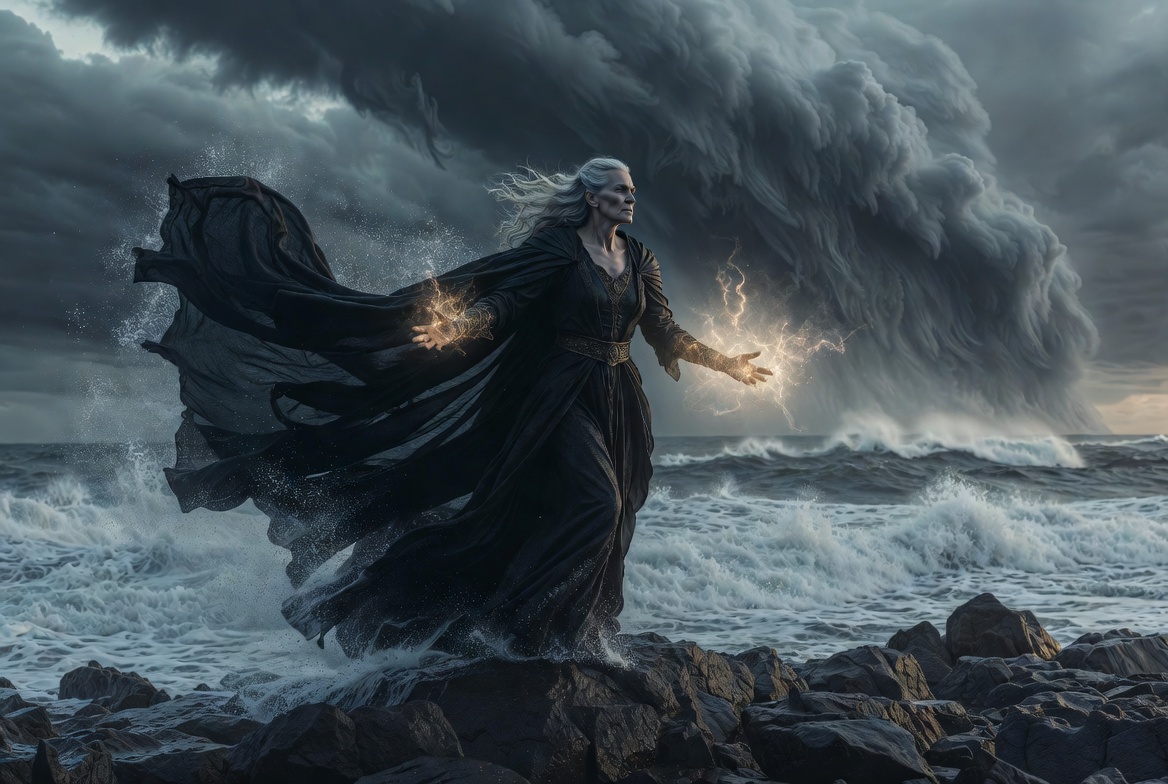
One reason audiences continue searching for the tempest movie cast is the sheer quality of the actors involved. The film assembled a rare combination of classical Shakespeare performers and mainstream Hollywood talent.
Lead Cast Members
Helen Mirren as Prospera
The casting of Helen Mirren as Prospera became the defining feature of the film.
Traditionally, Shakespeare’s character is Prospero, a male ruler and magician. Director Julie Taymor transformed the character into Prospera, creating an entirely new emotional dynamic while preserving Shakespeare’s original language.
Mirren delivers a commanding performance filled with intelligence, restraint, and emotional complexity. Rather than portraying Prospera as merely vengeful, she emphasizes the character’s loneliness, maternal protectiveness, and inner conflict.
Her performance elevated the adaptation from a simple retelling into a bold reinterpretation of Shakespeare.
Felicity Jones as Miranda
Before becoming an internationally recognized star, Felicity Jones portrayed Miranda with remarkable sensitivity and realism.
Miranda represents innocence and hope within the story. Having grown up isolated from society, she experiences wonder, fear, and emotional awakening throughout the film.
Jones avoids making Miranda overly passive. Instead, she gives the character curiosity, emotional intelligence, and quiet strength.
Her chemistry with Reeve Carney’s Ferdinand also adds warmth to the film’s darker themes.
Reeve Carney as Ferdinand
Ferdinand serves as both Miranda’s romantic interest and a symbol of reconciliation between divided families.
Reeve Carney portrays the character with sincerity and youthful vulnerability. His performance captures the emotional transformation from confusion and fear to genuine love and maturity.
Unlike some Shakespeare adaptations that reduce Ferdinand to a secondary romantic figure, this version allows the character emotional presence and authenticity.
Djimon Hounsou as Caliban
Djimon Hounsou’s portrayal of Caliban is widely considered one of the strongest performances in the film.
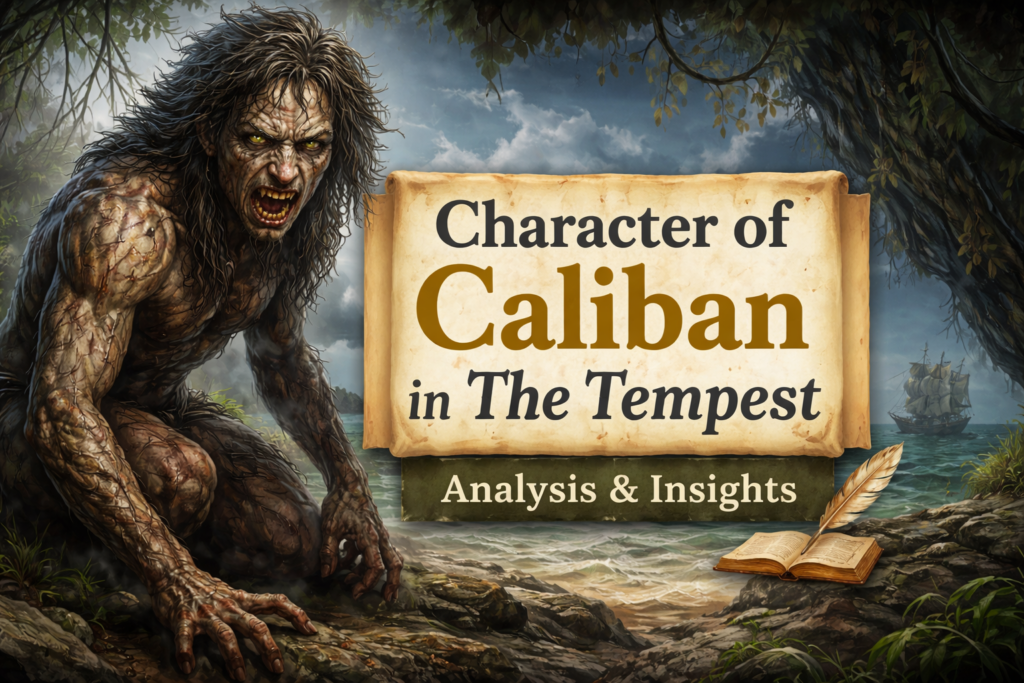
Caliban is among Shakespeare’s most controversial characters. Historically depicted as monstrous or savage, modern interpretations often focus on themes of colonization, oppression, and dehumanization.
Hounsou brings extraordinary emotional depth to the role. His Caliban is angry, wounded, intelligent, and deeply human.
Rather than portraying him as a simple villain, the film emphasizes his suffering under Prospera’s control. This layered interpretation reflects modern academic discussions surrounding race, power, and colonialism in Shakespeare studies.
Ben Whishaw as Ariel
Ben Whishaw’s performance as Ariel adds elegance and mystery to the film.
Ariel is a magical spirit bound to Prospera’s service, longing for freedom. Whishaw uses subtle physical movement, vocal softness, and ethereal presence to create a character who feels simultaneously powerful and fragile.
The film’s visual effects enhance Ariel’s supernatural qualities, but it is Whishaw’s performance that gives the spirit emotional depth.
His portrayal captures Ariel’s loyalty, frustration, and quiet yearning for liberation.
Supporting Cast Members
The supporting cast adds substantial dramatic weight to the film.
Alfred Molina as Stephano
Molina brings humor and theatrical energy to the drunken but ambitious Stephano.
Russell Brand as Trinculo
Brand’s comedic style creates contrast against the film’s darker emotional themes.
Chris Cooper as Antonio
Cooper portrays Antonio with cold ambition and restrained menace.
Alan Cumming as Sebastian
Cumming adds unpredictability and sarcasm to Sebastian’s political scheming.
Tom Conti as Gonzalo
Gonzalo represents wisdom, compassion, and moral balance within the story.
David Strathairn as Alonso
Strathairn delivers a subtle portrayal of guilt and regret as the King of Naples.
Why Ensemble Casting Matters in Shakespeare Films
Shakespeare adaptations often succeed or fail based on ensemble chemistry rather than individual performances alone.
In The Tempest, the cast works cohesively because each actor understands both:
- The poetic rhythm of Shakespearean language
- The emotional realism required for modern film audiences
This balance prevents the dialogue from feeling artificial or theatrical in a negative sense.
Instead, the performances feel immersive and emotionally believable.
Character Breakdown and Actor Performance Analysis
Prospera — The Emotional and Intellectual Core
Prospera dominates nearly every scene because the character functions as:
- Ruler
- Parent
- Magician
- Strategist
- Victim
- Judge
Helen Mirren’s interpretation introduces maternal intensity into the role. This changes the emotional texture of the story in meaningful ways.
For example:
- Her protectiveness toward Miranda feels deeply personal
- Her isolation appears more tragic
- Her forgiveness feels emotionally earned rather than politically calculated
Mirren also excels at delivering Shakespearean dialogue naturally — an extremely difficult skill that separates experienced classical actors from less prepared performers.
Ariel — Spirit of Freedom and Loyalty
Ariel symbolizes freedom, imagination, and invisible power.
Ben Whishaw avoids portraying Ariel as merely magical decoration. Instead, he presents the character as emotionally intelligent and spiritually exhausted.
Throughout the film, Ariel repeatedly reminds Prospera about the promise of freedom, creating one of the story’s most important moral tensions:
- Can power exist without exploitation?
- Does loyalty erase oppression?
Whishaw’s subtle acting elevates these philosophical questions.
Caliban — Shakespeare’s Most Debated Character
Few Shakespeare characters generate more academic discussion than Caliban.
Historically interpreted as:
- Monster
- Slave
- Native inhabitant
- Colonized subject
- Symbol of rebellion
Djimon Hounsou’s performance leans heavily into the humanity of the character.
His physical performance communicates rage and humiliation, while his emotional delivery reveals loneliness and resentment.
Modern audiences often view Caliban as one of the play’s tragic figures rather than a pure antagonist.
The film supports this interpretation through both performance and visual storytelling.
Miranda and Ferdinand — The Story’s Hopeful Future
While much of The Tempest focuses on betrayal and revenge, Miranda and Ferdinand represent renewal.
Their relationship symbolizes:
- Reconciliation
- Healing
- Political unity
- Emotional innocence
Felicity Jones and Reeve Carney create believable romantic chemistry without overshadowing the central narrative.
Their quieter scenes provide emotional relief from the film’s darker psychological conflicts.
Why the 2010 The Tempest Cast Was So Unique
The Gender-Swapped Prospero Concept
One of the boldest creative decisions in the film was changing Prospero into Prospera.
Director Julie Taymor explained that the change allowed the story to explore:
- Female authority
- Maternal protection
- Gendered power structures
- Isolation from patriarchal society
Importantly, the adaptation preserved Shakespeare’s original dialogue almost entirely, demonstrating how flexible and timeless the text remains.
This casting decision sparked significant academic and critical discussion, which helped keep the film culturally relevant long after release.
Casting Shakespeare Actors vs Hollywood Stars
The film succeeds partly because it combines:
- Classically trained Shakespeare performers
- Recognizable mainstream actors
This strategy broadens audience appeal while maintaining literary authenticity.
Actors like Helen Mirren and Ben Whishaw bring theatrical discipline, while performers like Russell Brand attract wider public attention.
The combination creates accessibility without sacrificing artistic credibility.
Diversity and Modern Interpretation
Modern Shakespeare adaptations increasingly recognize the importance of inclusive casting and contemporary interpretation.
Djimon Hounsou’s Caliban, in particular, transformed audience perception of the character by emphasizing colonial themes and racial symbolism.
This reflects evolving scholarly discussions about Shakespeare’s relevance in modern cultural conversations.
Behind the Scenes of The Tempest Movie Cast Selection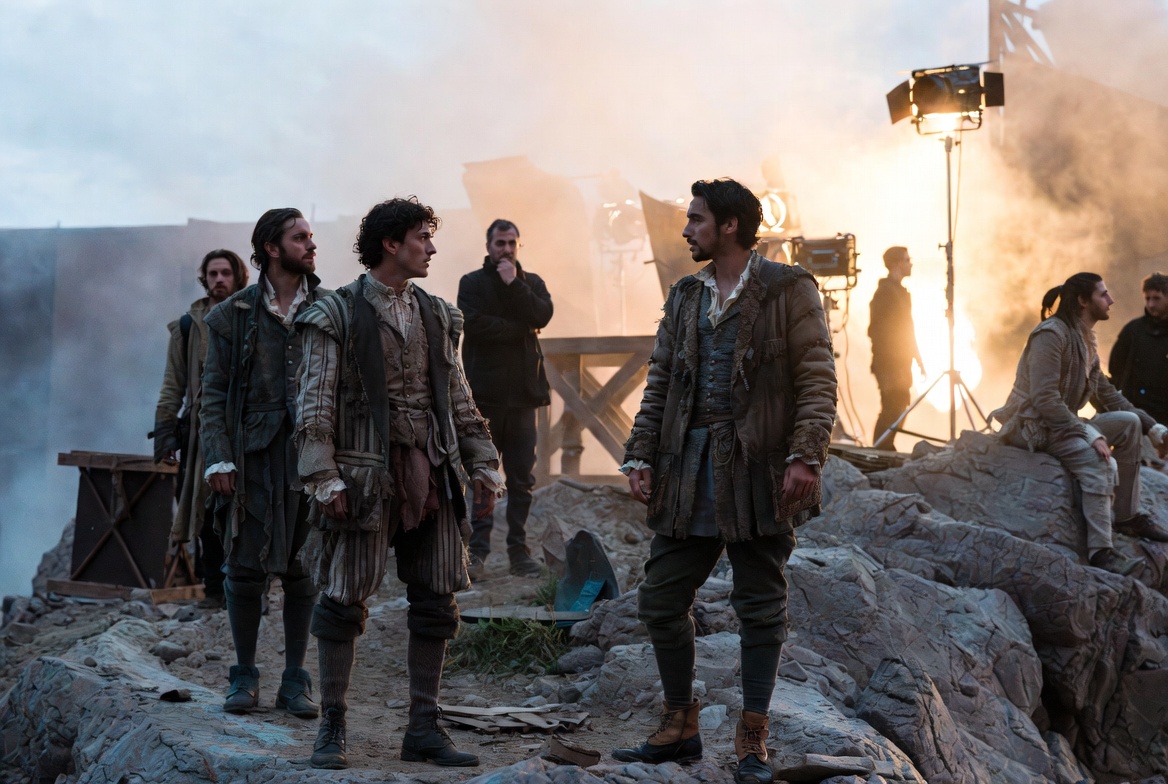
Julie Taymor’s Casting Vision
Julie Taymor is known for visually ambitious storytelling, including her work on:
- Frida
- Across the Universe
- Broadway’s The Lion King
For The Tempest, she sought actors capable of balancing:
- Emotional realism
- Theatrical language
- Fantasy storytelling
Her casting choices reveal a strong understanding of both cinema and Shakespearean performance traditions.
Actor Preparation for Shakespearean Dialogue
Performing Shakespeare on film requires unique technical skill.
Actors must master:
- Iambic pentameter
- Archaic vocabulary
- Vocal rhythm
- Emotional pacing
Unlike stage productions, film acting also demands subtle facial expression and realism.
The cast reportedly worked extensively on dialogue delivery to ensure accessibility for modern audiences.
Challenges of Filming Fantasy Shakespeare
The production combined:
- Real island landscapes
- CGI effects
- Elaborate costumes
- Symbolic visual design
Actors often performed against partially constructed environments or digital placeholders, requiring imagination and concentration.
Ben Whishaw’s Ariel scenes, for example, relied heavily on visual effects integration.
How the Cast Influenced the Film’s Reception
Critical Reviews of Individual Performances
When The Tempest premiered in 2010, critics were divided on certain aspects of the film’s visual experimentation, but the performances received widespread attention and praise.
Helen Mirren, in particular, earned recognition for transforming Prospera into a layered and emotionally intelligent protagonist. Critics frequently highlighted her ability to deliver Shakespearean language with clarity while maintaining emotional realism. Many reviewers argued that her performance alone justified watching the adaptation.
Ben Whishaw’s Ariel also became a major talking point. His interpretation differed from traditional portrayals by emphasizing vulnerability and spiritual exhaustion rather than playful mischief. This modern approach resonated strongly with audiences who appreciated psychologically nuanced Shakespeare adaptations.
Djimon Hounsou’s Caliban received praise for bringing humanity and tragic dignity to one of Shakespeare’s most controversial characters. Literature scholars and film critics alike noted how his portrayal aligned with contemporary postcolonial interpretations of the play.
Even the supporting cast contributed significantly to the film’s reputation:
- Alfred Molina’s comedic timing added balance
- Alan Cumming enhanced political tension
- David Strathairn delivered emotional restraint and authenticity
The cast elevated the film beyond spectacle, giving it lasting academic and cinematic relevance.
Audience Reactions Over Time
Initial audience reactions to the film were mixed, partly because Julie Taymor’s artistic style is highly stylized and unconventional. Some viewers expected a more traditional Shakespeare adaptation, while others embraced the film’s experimental visuals and reinterpretation of classic characters.
However, over time, appreciation for the film has steadily grown.
Today, many Shakespeare enthusiasts regard the 2010 adaptation as:
- One of the most visually ambitious Shakespeare films
- A strong educational resource for literature students
- An important example of gender reinterpretation in classical texts
- A compelling exploration of colonial themes through modern casting
The performances have become central to this reevaluation. Many viewers who revisit the film later discover greater emotional complexity in the actors’ portrayals than they initially noticed.
Awards and Recognition
Although The Tempest did not dominate major awards ceremonies, it received recognition for:
- Costume design
- Visual artistry
- Performance quality
- Adaptation creativity
Helen Mirren’s performance especially strengthened the film’s reputation among Shakespeare scholars and acting critics.
The movie also became increasingly studied in university literature and film courses because of its innovative casting and thematic reinterpretations.
Comparing The Tempest Movie Cast to Other Shakespeare Film Casts
The Tempest vs Hamlet
Comparisons between The Tempest and Hamlet adaptations are common because both plays focus heavily on:
- Betrayal
- Revenge
- Psychological conflict
- Family relationships
However, the acting styles differ considerably.
Most Hamlet adaptations emphasize intense internal monologue and philosophical reflection. Actors portraying Hamlet often dominate the film emotionally and intellectually.
In contrast, The Tempest depends more on ensemble balance. While Prospera remains central, the emotional success of the film also relies heavily on:
- Ariel’s spiritual presence
- Caliban’s emotional pain
- Miranda’s innocence
- The supporting nobles’ political tension
This creates a more interconnected cast dynamic.
The Tempest vs Macbeth
Compared to Macbeth, The Tempest feels more mystical and reflective rather than relentlessly dark.
In many Macbeth adaptations:
- Violence drives the narrative
- Paranoia dominates performances
- Characters descend into moral collapse
By contrast, The Tempest explores:
- Forgiveness over destruction
- Restoration over ambition
- Emotional healing over corruption
As a result, the acting approach differs significantly.
Helen Mirren’s Prospera conveys authority through emotional intelligence and restraint rather than brutality. Ben Whishaw’s Ariel introduces tenderness and melancholy absent from most supernatural Shakespeare figures.
What Makes The Tempest Cast Stand Out
Several factors make this ensemble especially memorable:
Emotional Accessibility
The actors make Shakespeare’s language understandable without oversimplifying it.
Balance Between Theater and Cinema
The performances preserve poetic rhythm while remaining naturalistic for film audiences.
Bold Reinterpretation
Changing Prospero into Prospera created entirely new emotional possibilities.
Thematic Depth
Actors engage deeply with themes like:
- Colonialism
- Oppression
- Freedom
- Redemption
- Maternal authority
Visual Integration
The cast works seamlessly within the film’s magical visual environment.
These qualities help explain why audiences continue searching for the tempest movie cast years after the film’s release.
Best Performances in The Tempest According to Fans and Critics
Helen Mirren’s Prospera
For many viewers, Helen Mirren delivers the definitive performance of the film.
Her portrayal combines:
- Intellectual authority
- Emotional vulnerability
- Controlled anger
- Quiet compassion
One especially memorable aspect of her performance is how she communicates emotional conflict through silence and facial expression, not merely dialogue.
This restraint makes Prospera’s eventual forgiveness feel deeply authentic.
Ben Whishaw’s Ariel
Ariel can easily become a purely visual character in film adaptations. However, Ben Whishaw transforms the spirit into one of the movie’s emotional centers.
Fans frequently praise:
- His haunting vocal delivery
- His ethereal physical movement
- His emotional subtlety
- His chemistry with Prospera
Many viewers consider his interpretation among the best cinematic portrayals of Ariel ever created.
Djimon Hounsou’s Caliban
Hounsou’s performance remains one of the adaptation’s most critically respected achievements.
His Caliban is not presented as a monster but as:
- A colonized figure
- A victim of domination
- A symbol of rage and displacement
- A deeply wounded human being
This interpretation aligns closely with modern literary criticism and gives the character emotional gravity rarely achieved in earlier adaptations.
Most Memorable Scenes
Several scenes consistently stand out in audience discussions.
The Opening Storm
The film immediately establishes visual intensity and emotional tension.
Ariel’s Magical Appearances
Ben Whishaw’s supernatural sequences create a dreamlike atmosphere.
Prospera Confronting Antonio
Helen Mirren delivers emotional restraint rather than explosive rage, making the confrontation more psychologically powerful.
Caliban’s Rebellion
Djimon Hounsou communicates years of pain and humiliation through body language alone.
The Final Forgiveness Scene
The emotional resolution succeeds largely because of the cast’s layered performances.
Educational Value of Studying The Tempest Movie Cast
How Film Performances Help Students Understand Shakespeare
Many students struggle with Shakespeare because:
- The language feels unfamiliar
- The poetic structure can seem intimidating
- Historical references may be difficult to understand
Strong film performances help bridge this gap.
The cast of The Tempest makes emotional meaning clear through:
- Facial expression
- Tone of voice
- Physical movement
- Cinematic context
This allows students to connect emotionally with the characters even before fully understanding every line of dialogue.
Best Characters for Literary Analysis
Prospera
Excellent for studying:
- Power dynamics
- Gender reinterpretation
- Revenge and forgiveness
- Leadership
Caliban
Ideal for discussions of:
- Colonialism
- Race
- Oppression
- Identity
Ariel
Useful for exploring:
- Freedom
- Servitude
- Spiritual symbolism
- Moral conscience
Miranda
Helpful for analyzing:
- Innocence
- Isolation
- Human discovery
- Emotional growth
Classroom Discussion Topics
Teachers often use this adaptation to encourage discussion about:
- Gender and authority
- Colonial interpretations of Shakespeare
- Parent-child relationships
- Political betrayal
- The ethics of revenge
- The meaning of freedom
Because the cast performances are emotionally accessible, students often engage more actively with these themes.
Where to Watch The Tempest Movie Today
Streaming Availability
Availability changes regularly depending on region and licensing agreements, but The Tempest may appear on:
- Amazon Prime Video
- Apple TV
- Google TV
- Educational streaming platforms
- Specialty literary film collections
Rental options are usually easier to find than subscription streaming access.
DVD and Collector Editions
Many Shakespeare enthusiasts prefer physical editions because they often include:
- Director commentary
- Behind-the-scenes footage
- Cast interviews
- Production analysis
- Educational features
These extras provide valuable insight into the actors’ creative processes.
Tips for First-Time Viewers
Watch With Subtitles
Even experienced viewers sometimes benefit from subtitles during Shakespeare adaptations.
Read a Plot Summary First
Understanding the basic storyline beforehand improves comprehension dramatically.
Focus on Emotional Meaning
You do not need to understand every word immediately. Pay attention to tone, emotion, and relationships.
Rewatch Important Scenes
Shakespeare films often reveal new layers upon repeated viewing.
Expert Insights: What Makes a Great Shakespeare Film Cast?
Classical Acting Training Matters
Shakespearean dialogue requires:
- Vocal precision
- Rhythmic awareness
- Emotional control
- Linguistic understanding
Actors with theatrical training often perform Shakespeare more naturally because they understand the musicality of the language.
Helen Mirren exemplifies this expertise throughout the film.
Ensemble Chemistry Is Essential
A Shakespeare adaptation cannot rely on one great performance alone.
The cast must collectively create:
- Emotional realism
- Thematic consistency
-
Rhythmic balance
- Narrative tension
In The Tempest, the ensemble dynamic remains one of the film’s greatest strengths.
Accessibility Without Simplification
One of the hardest challenges in Shakespeare cinema is balancing:
- Literary authenticity
- Modern accessibility
This cast succeeds because the actors never speak down to the audience or oversimplify the material.
Instead, they communicate emotion so clearly that viewers naturally follow the story.
Frequently Asked Questions About The Tempest Movie Cast
Who plays Prospera in The Tempest movie?
Helen Mirren plays Prospera in the 2010 adaptation directed by Julie Taymor.
Why was Prospero changed to Prospera?
The gender swap allowed the film to explore themes of maternal authority, female power, and isolation while preserving Shakespeare’s original language.
Which actor played Ariel in The Tempest?
Ben Whishaw portrayed Ariel with a haunting and emotionally layered performance.
Is the 2010 The Tempest faithful to Shakespeare?
Yes, the film remains largely faithful to Shakespeare’s original dialogue while introducing creative reinterpretations through casting and visual storytelling.
Is The Tempest movie good for students?
Absolutely. The film is widely used in educational settings because the performances help students understand difficult language and complex themes.
What is the best film adaptation of The Tempest?
Opinions vary, but the 2010 adaptation remains one of the most discussed modern versions due to its cast, visuals, and thematic reinterpretation.
Final Thoughts on The Tempest Movie Cast
More than a decade after its release, the enduring fascination with the tempest movie cast proves how powerful casting can transform a Shakespeare adaptation. The film’s ensemble does far more than recite famous lines — it breathes emotional life into timeless themes of revenge, freedom, betrayal, and forgiveness.
Helen Mirren’s groundbreaking Prospera redefined one of Shakespeare’s most iconic characters. Ben Whishaw’s Ariel introduced haunting vulnerability into the supernatural realm. Djimon Hounsou’s Caliban brought modern political and emotional complexity to a role that continues to challenge audiences and scholars alike.
Together, the cast created an adaptation that remains visually ambitious, intellectually rich, and emotionally resonant.
For Shakespeare enthusiasts, students, educators, and film lovers, revisiting The Tempest through the lens of its performances offers a deeper understanding of why Shakespeare’s stories continue to evolve across generations. Great casting does not merely preserve classic literature — it reimagines it for the future.