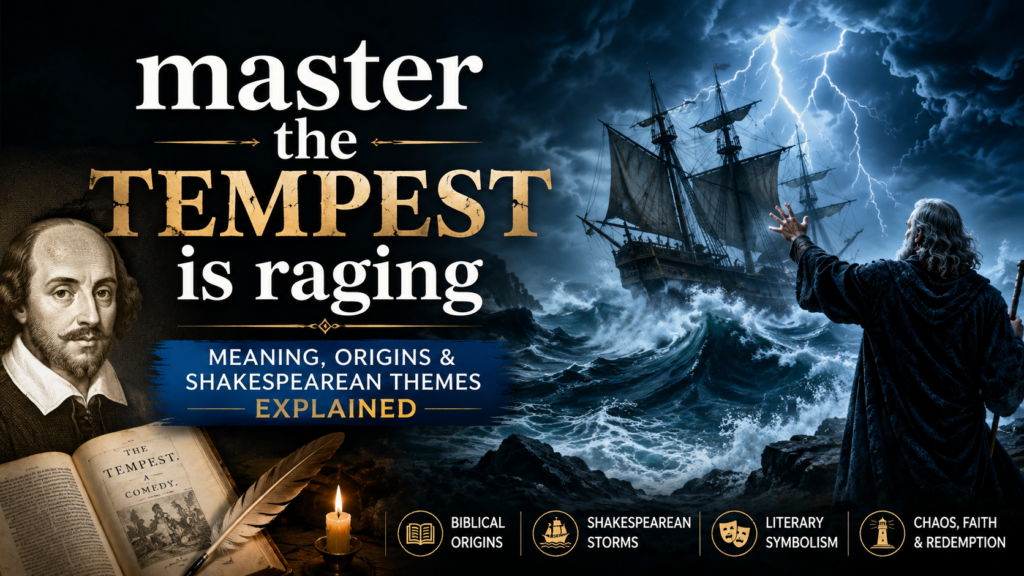
A violent storm crashes across the sea. Thunder shakes the sky. Fear spreads among helpless travelers who believe they may not survive the night. For centuries, scenes like these have captured the human imagination because storms in literature are never just about weather. They symbolize chaos, emotional suffering, spiritual crisis, and the desperate search for hope.
The phrase master the tempest is raging continues to resonate so deeply because it speaks to a universal human experience: facing overwhelming turmoil while longing for peace and rescue. Whether encountered in religious tradition, poetic language, or literary analysis, the phrase carries emotional and symbolic power that transcends generations.
Its themes also connect remarkably well with the dramatic storm imagery found throughout the works of William Shakespeare. From the magical turbulence of The Tempest to the devastating storm scenes in King Lear, Shakespeare used tempests not merely as dramatic settings, but as reflections of human conflict, transformation, fear, and redemption.
In this comprehensive guide, we will explore the meaning of master the tempest is raging, its historical and biblical origins, its literary symbolism, and its deep connection to Shakespearean themes. Along the way, you will discover why storm imagery remains one of the most powerful storytelling devices in literature and why readers today still find profound meaning in the tempest.
What Does “master the tempest is raging” Mean?
Literal Meaning of the Phrase
At its most direct level, the phrase master the tempest is raging describes a violent storm threatening those caught within it. The word “tempest” refers to a severe and chaotic storm, often associated with danger at sea. The term “Master” traditionally refers to a figure of authority capable of restoring order and safety.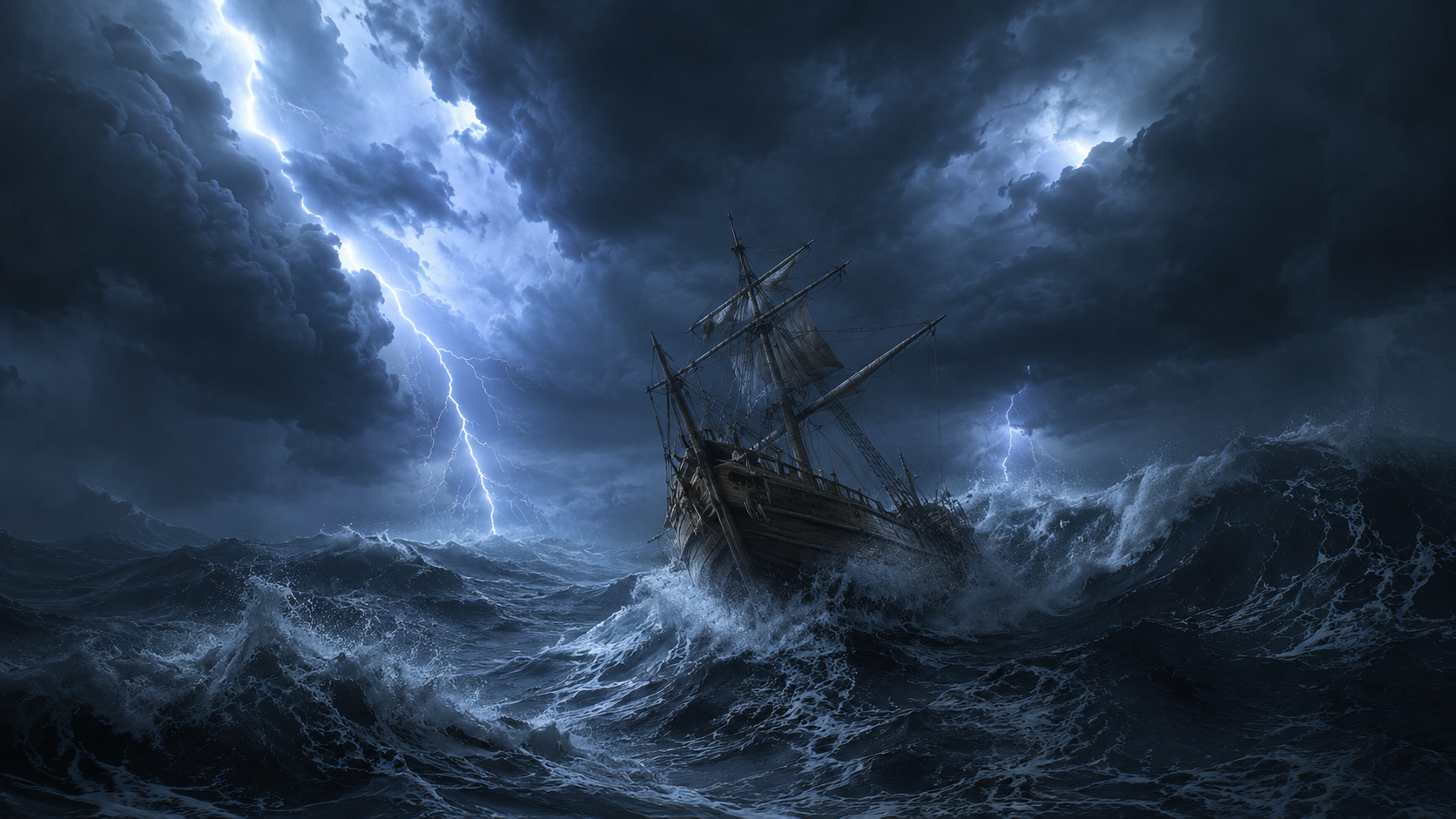
The phrase immediately creates emotional tension because it combines two opposing forces:
- Chaos versus control
- Fear versus hope
- Human weakness versus saving power
This contrast is one reason the phrase has endured for generations. Even readers unfamiliar with its historical roots instinctively understand its emotional stakes.
Storm imagery has always held unique power in literature because storms represent forces beyond human control. They remind people of vulnerability, uncertainty, and mortality. In only a few words, the phrase evokes desperation, urgency, and faith.
Emotional and Symbolic Interpretation
Beyond its literal meaning, master the tempest is raging functions as a deeply symbolic expression.
Throughout literary history, storms have represented:
- Emotional turmoil
- Spiritual doubt
- Political instability
- Psychological conflict
- Moral confusion
- Human suffering
In this sense, the tempest becomes more than weather. It transforms into a metaphor for the inner storms people face throughout life.
A person overwhelmed by grief may feel trapped in a tempest. A society experiencing chaos may describe itself as caught in a storm. A tragic Shakespearean hero confronting betrayal, guilt, or madness often experiences emotional conditions mirrored by violent weather.
This symbolic tradition explains why storm imagery appears so frequently in drama, poetry, religion, and mythology.
The phrase also resonates because it contains an implicit desire for rescue. The speaker calls upon a “Master” capable of calming the storm, restoring peace, and guiding frightened individuals toward safety.
That emotional structure continues to feel timeless.
Why the Phrase Still Connects With Modern Audiences
Modern readers continue searching for the meaning of master the tempest is raging because the emotional themes behind it remain universally relevant.
Today’s audiences still experience:
- Anxiety and uncertainty
- Emotional instability
- Social upheaval
- Personal crises
- Fear of losing control
As a result, storm symbolism continues to speak directly to contemporary human experience.
In literature and film, storms often appear during moments of transformation or emotional revelation. Audiences instinctively understand that a tempest signals more than physical danger. It represents emotional intensity and profound change.
This symbolic language survives because human beings continue facing internal and external storms that challenge identity, faith, morality, and resilience.
The Historical Origins of “master the tempest is raging”
The Hymn and Its Biblical Inspiration
The phrase master the tempest is raging originates most famously from the 19th-century Christian hymn “Master, the Tempest Is Raging.” Written by Mary Ann Baker in 1874, the hymn draws inspiration from a biblical story found in the Gospels.
In the story, Jesus and his disciples are caught in a violent storm while crossing the Sea of Galilee. As waves crash over the boat, the terrified disciples fear for their lives. Meanwhile, Christ remains calm until he rises and commands the storm to cease.
The narrative became one of Christianity’s most enduring symbols of faith during fear and divine peace amid chaos.
The hymn transformed this biblical account into emotionally powerful poetic language. Its opening words immediately establish danger, vulnerability, and desperate hope.
What makes the hymn especially compelling is its emotional realism. The storm feels terrifying and immediate, making the eventual calm feel deeply meaningful.
Over time, the phrase entered broader cultural consciousness beyond religious settings.
The Cultural Popularity of the Phrase
The popularity of the phrase expanded through:
- Church music
- Public worship
- Literary references
- Dramatic performances
- Oral storytelling traditions
Storm-centered language became especially influential in Western literature because it allowed writers to explore emotional and spiritual conflict through vivid natural imagery.
Readers and audiences responded strongly to these metaphors because storms represent universal human fears:
- Fear of death
- Fear of uncertainty
- Fear of losing control
- Fear of abandonment
At the same time, storm narratives often promise eventual transformation or redemption.
This combination of danger and hope gives tempest imagery extraordinary emotional depth.
How the Phrase Entered Literary Discussion
Although the phrase itself is not directly from Shakespeare, it aligns naturally with Shakespearean literary themes.
Scholars and readers frequently associate the phrase with Shakespeare because his plays repeatedly use storms to symbolize:
- Emotional collapse
- Political disorder
- Supernatural intervention
- Human transformation
The symbolic overlap is so strong that many readers instinctively connect “master the tempest is raging” with the dramatic storm sequences found in Shakespeare’s tragedies and romances.
This connection becomes especially clear when examining The Tempest.
Storm Symbolism in Shakespeare’s Works
Why Shakespeare Frequently Used Storms
William Shakespeare understood that storms possess immense theatrical and emotional power.
In Elizabethan drama, storms created:
- Immediate tension
- Spectacle and excitement
- Symbolic depth
- Psychological atmosphere
But Shakespeare used storms for far more than entertainment.
In his plays, violent weather often reflects:
- Internal emotional conflict
- Moral corruption
- Political instability
- Supernatural influence
- Transformative change
Nature itself becomes emotionally expressive.
This technique, often called pathetic fallacy, allows the external world to mirror human psychological states.
When chaos erupts within characters, storms frequently erupt in the environment as well.
The Tempest and the Power of Chaos
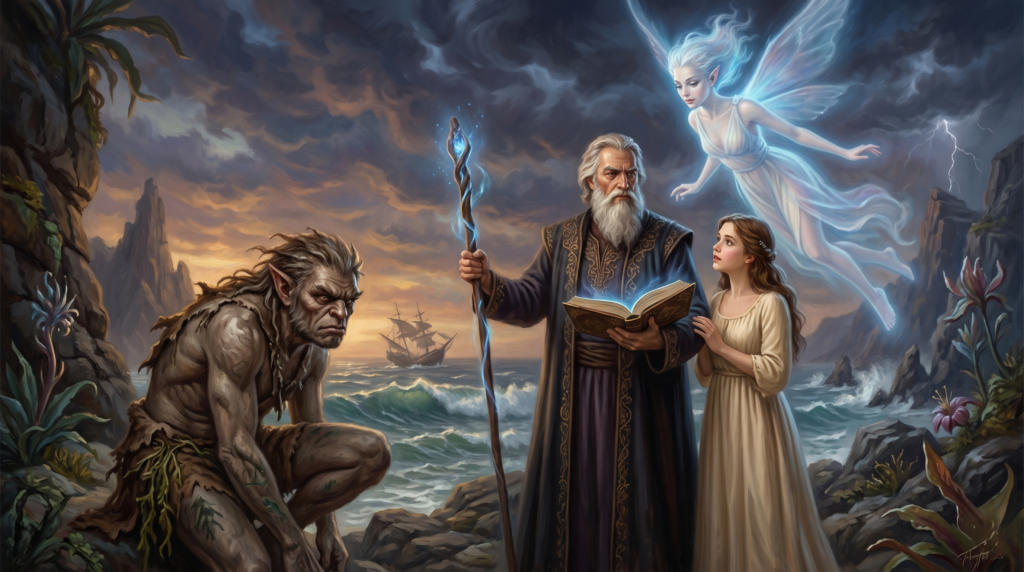
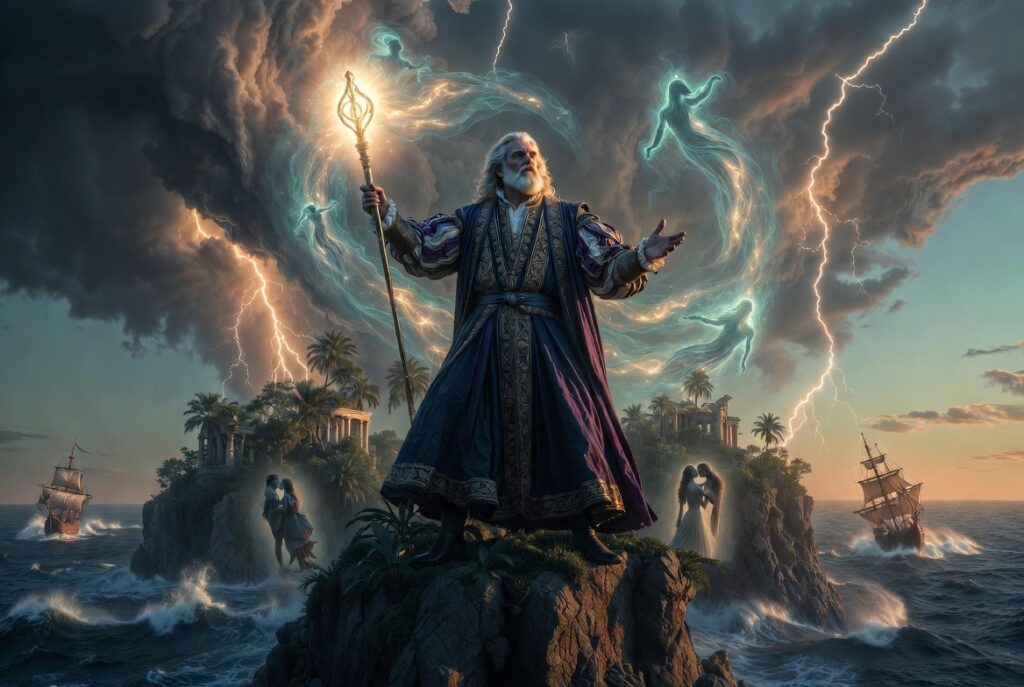
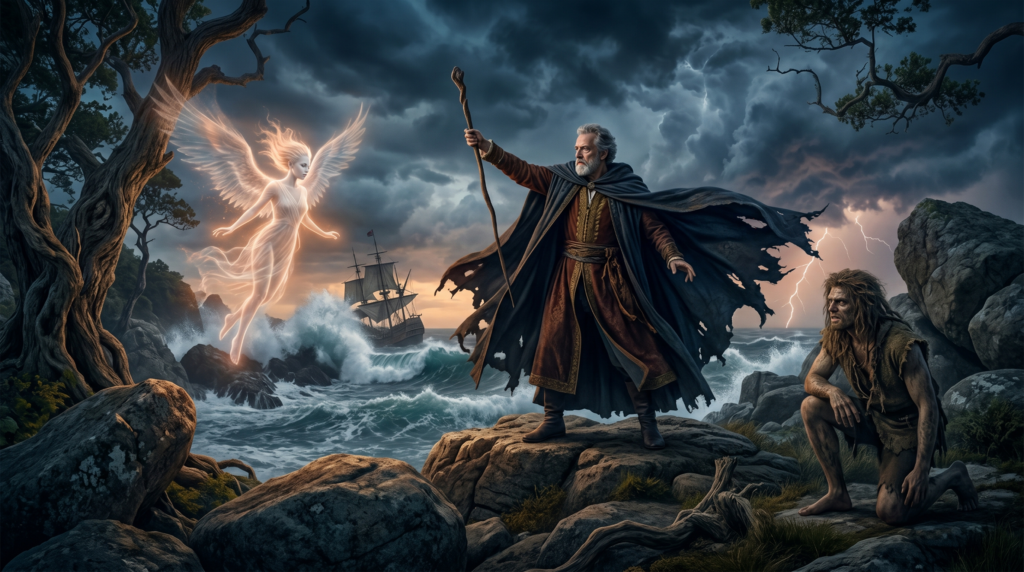
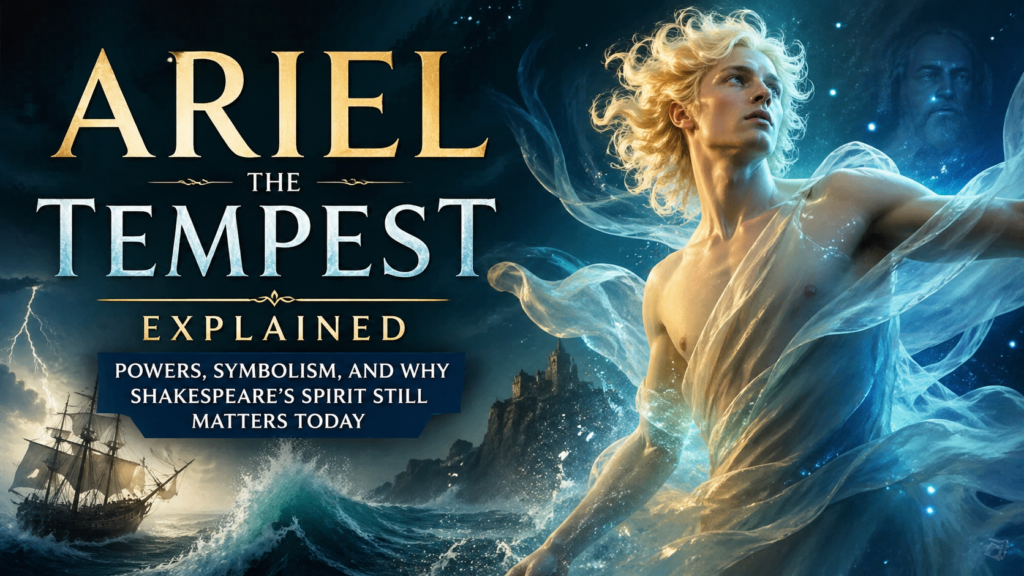
The opening scene of The Tempest contains one of the most famous storms in literary history.
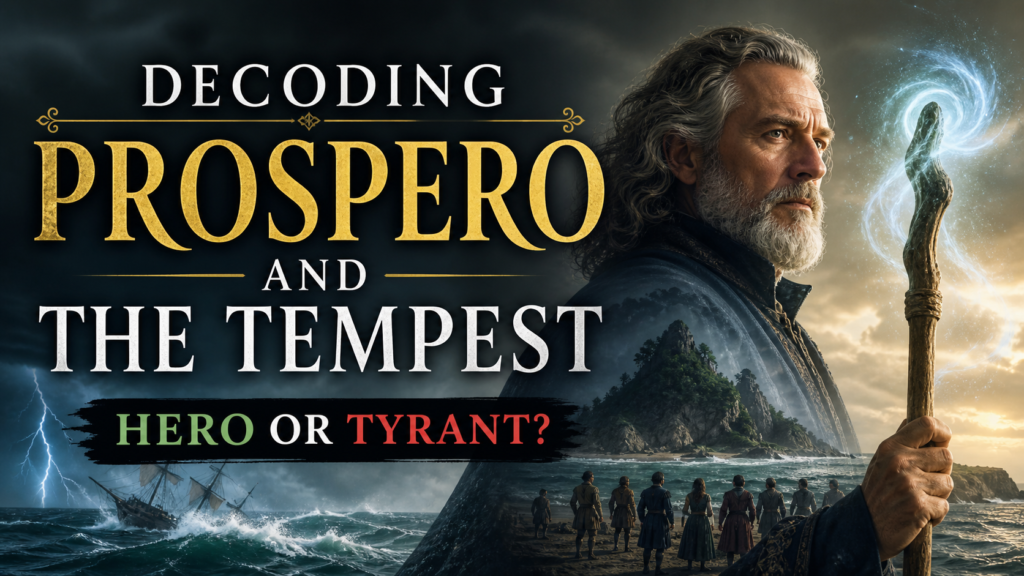
A terrifying tempest throws a ship into chaos, scattering nobles and creating immediate fear. At first, the storm appears natural. Later, audiences discover it has been magically created by Prospero.
This revelation changes the meaning of the tempest entirely.
The storm becomes:
- A tool of manipulation
- A symbol of transformation
- A catalyst for justice and reconciliation
Prospero uses the tempest to force characters into confrontation with guilt, betrayal, and identity.
The storm therefore represents controlled chaos — destruction designed to create renewal.
This complexity explains why The Tempest remains one of Shakespeare’s richest symbolic works.
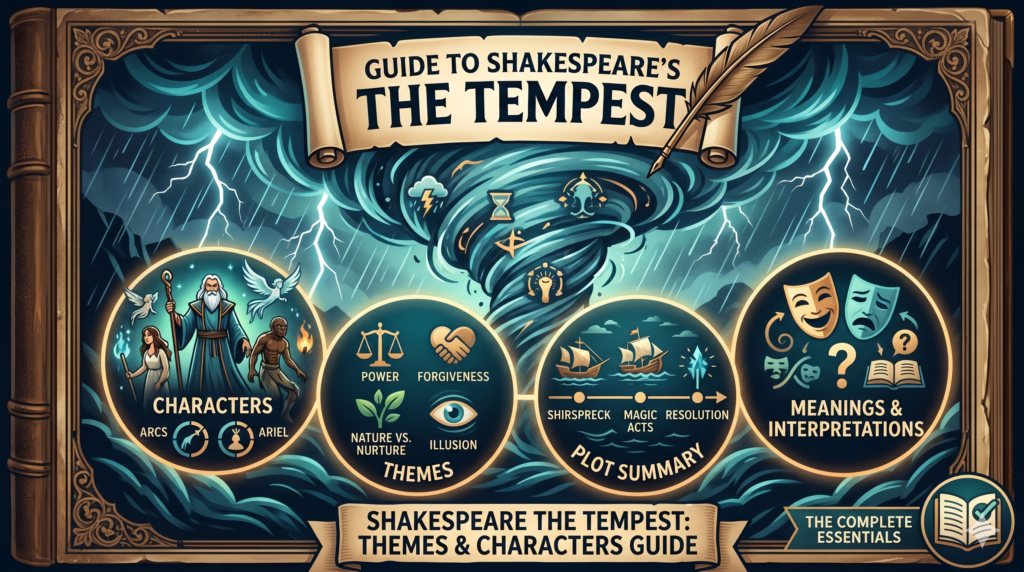
The play explores themes such as:
- Power
- Forgiveness
- Revenge
- Colonialism
- Human transformation
- Illusion versus reality
The tempest stands at the center of these themes because it initiates the emotional and moral journey of every major character.
Storm Imagery in King Lear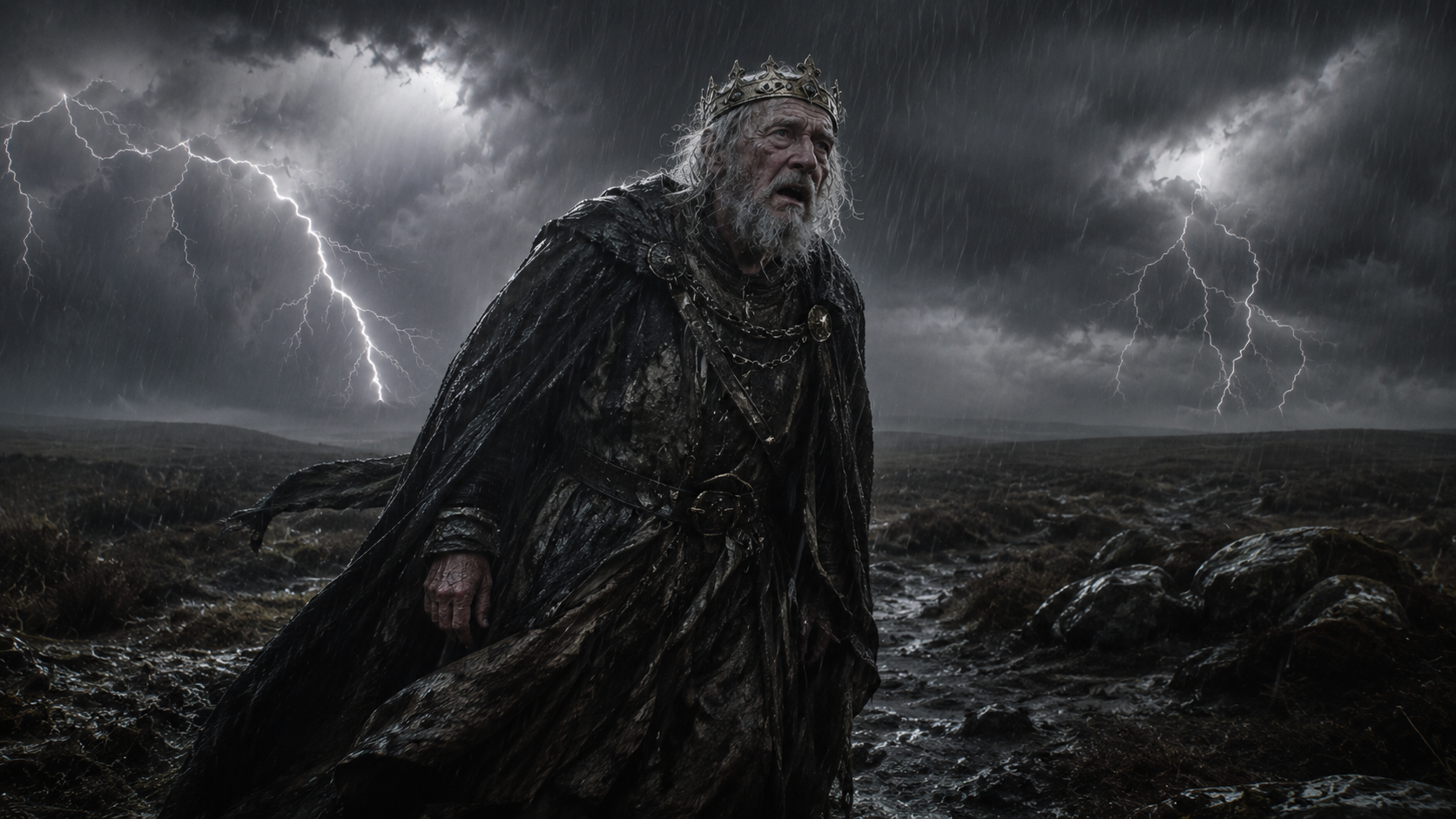
While The Tempest presents storms as transformative, King Lear uses storm imagery to portray psychological collapse and existential despair.
Lear’s storm scenes are among the most emotionally devastating moments in all of Shakespearean tragedy.
As Lear wanders across the heath during a violent storm, nature mirrors his fractured mental state.
The tempest reflects:
- Betrayal by his daughters
- Loss of authority
- Emotional disintegration
- Madness and grief
- Human vulnerability
Unlike Prospero’s controlled storm, Lear’s tempest feels merciless and uncontrollable.
The famous storm scenes force audiences to confront difficult questions:
- Is nature indifferent to human suffering?
- What remains when power disappears?
- Can wisdom emerge from emotional devastation?
Shakespeare uses the storm not merely as background scenery, but as an extension of Lear’s internal torment.
This fusion of environment and psychology remains one of the greatest achievements in dramatic literature.
Tempests in Other Shakespearean Plays
Storm imagery appears throughout Shakespeare’s works.
In Julius Caesar, unnatural storms symbolize political instability and the collapse of Roman order.
In Macbeth, thunder and violent weather accompany supernatural prophecy, moral corruption, and psychological guilt.
In Othello, storm imagery reflects emotional turbulence, jealousy, and destructive passion.
These recurring patterns reveal Shakespeare’s consistent understanding of storms as symbols of profound emotional and social disruption.
Nature becomes a dramatic language through which invisible human conflicts become visible.
The Deeper Literary Symbolism Behind the Tempest
Storms as Symbols of Human Conflict
One reason storm imagery remains so powerful is that it externalizes invisible emotional experiences.
Human emotions often feel chaotic, uncontrollable, and overwhelming — much like violent weather.
Writers use storms to symbolize:
- Anger
- Fear
- Grief
- Confusion
- Isolation
- Existential crisis
This symbolic connection appears across cultures because storms naturally evoke vulnerability and uncertainty.
In literature, a tempest rarely exists merely to create excitement. Instead, it often signals emotional transformation or moral confrontation.
Characters entering storms frequently emerge changed.
The Tempest as a Symbol of Transformation
In many literary traditions, destruction becomes the first stage of renewal.
Storms tear apart old structures, forcing characters to confront truths they previously avoided.
This pattern appears clearly in Shakespeare’s romances, where suffering often leads to reconciliation and wisdom.
In The Tempest, nearly every character undergoes transformation after the storm:
- Enemies confront guilt
- Relationships heal
- Power dynamics shift
- Forgiveness becomes possible
The tempest therefore symbolizes transition between disorder and restoration.
This narrative structure continues influencing modern storytelling today.
Faith, Fear, and Survival in Tempest Narratives
Storm stories resonate emotionally because they place characters at the edge of survival.
When human beings face overwhelming forces, deeper truths emerge:
- Fear exposes vulnerability
- Crisis tests morality
- Suffering reveals character
- Hope becomes essential
This explains why tempest narratives appear so frequently in:
- Religious literature
- Shakespearean drama
- Epic poetry
- Modern cinema
- Psychological fiction
Audiences instinctively understand storms as moments of revelation.
The tempest strips away illusion and exposes human nature in its rawest form.
Comparing Biblical and Shakespearean Storm Imagery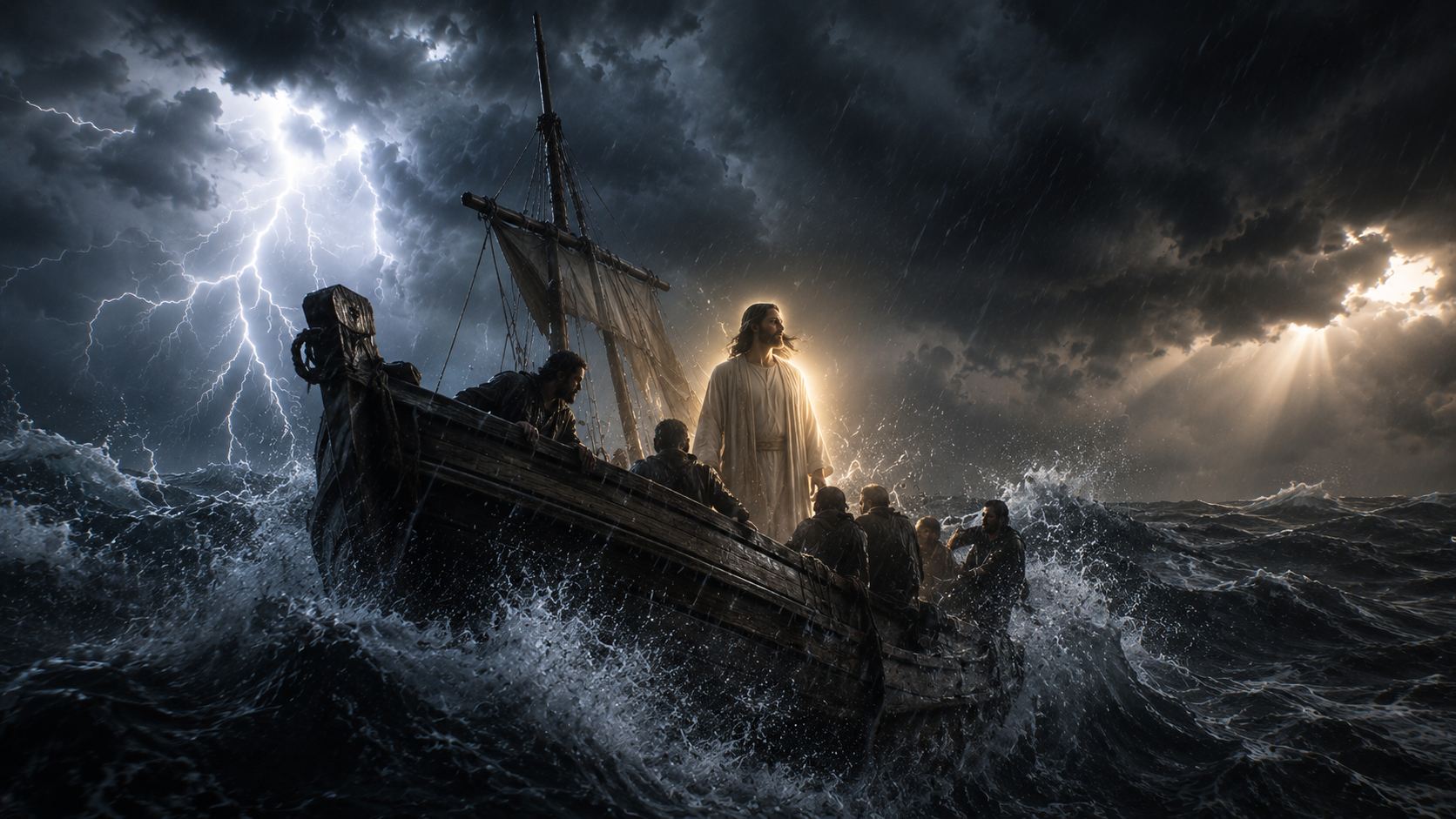
Divine Power vs Human Power
One important distinction between biblical and Shakespearean storms involves control.
In biblical narratives, storms often demonstrate divine authority over nature. The calming of the sea symbolizes transcendent power restoring peace to frightened humanity.
In Shakespeare, however, storms are more psychologically and politically complex.
Sometimes storms appear supernatural. Sometimes they reflect human corruption. Sometimes they expose emotional truth.
Prospero’s tempest, for example, is engineered through magical control rather than divine intervention.
This creates a fascinating tension between:
- Fate and free will
- Human ambition and morality
- Power and forgiveness
Redemption in Scripture and Drama
Despite these differences, both biblical and Shakespearean storms often move toward restoration.
Chaos eventually gives way to:
- Understanding
- Reconciliation
- Humility
- Transformation
This narrative progression helps explain the enduring emotional appeal of tempest imagery.
Readers and audiences find meaning in stories where suffering ultimately leads to wisdom or renewal.
Shared Emotional Impact Across Traditions
Whether in scripture or Shakespearean drama, storms evoke similar emotional responses:
- Fear of helplessness
- Awareness of mortality
- Longing for safety
- Desire for meaning amid chaos
These emotional truths remain timeless.
That is why phrases like master the tempest is raging continue to resonate centuries after their creation.
Why “master the tempest is raging” Fits Shakespearean Analysis So Well
Shared Themes Between the Phrase and Shakespeare
The enduring relevance of master the tempest is raging becomes even clearer when examined alongside Shakespearean literature. Although the phrase originates from a Christian hymn rather than directly from Shakespeare’s writings, the emotional and symbolic foundations are remarkably similar.
Both the phrase and Shakespeare’s storm imagery explore:
- Chaos and uncertainty
- Human vulnerability
- Moral conflict
- Emotional suffering
- The search for redemption
- Hope amid fear
This thematic overlap explains why modern readers naturally associate the phrase with Shakespearean drama.
In many of Shakespeare’s plays, storms arrive during moments of profound emotional or political crisis. Characters are forced into confrontation with truths they can no longer avoid. Power structures collapse. Hidden guilt emerges. Emotional masks disappear.
Similarly, the phrase master the tempest is raging captures the human experience of feeling overwhelmed while seeking stability and rescue.
Both traditions understand storms as transformative forces rather than random weather events.
The Universal Appeal of Storm Metaphors
Storm symbolism remains universally powerful because it reflects real human psychology.
People instinctively understand what it feels like to experience:
- Emotional turbulence
- Internal conflict
- Fear of losing control
- Sudden crisis
- Uncertainty about the future
Storms provide a vivid external image for these internal experiences.
This is why writers across centuries continue using tempests as metaphors for:
- Depression
- Political upheaval
- Spiritual struggle
- Moral confusion
- Psychological collapse
Shakespeare mastered this symbolic language because he understood that audiences emotionally respond to environmental chaos mirroring human suffering.
Even today, modern films and novels continue using storm imagery in moments of:
- Revelation
- Transformation
- Climactic conflict
- Emotional breakdown
The metaphor remains effective because human beings continue experiencing emotional “storms” in every generation.
How Modern Readers Interpret These Themes
Modern audiences often approach Shakespeare differently from Elizabethan audiences. Contemporary readers tend to focus heavily on psychological interpretation and emotional realism.
As a result, storm imagery feels especially meaningful today.
Readers now recognize storms as representations of:
- Anxiety
- Trauma
- Emotional instability
- Social disorder
- Existential uncertainty
This modern perspective deepens appreciation for Shakespeare’s dramatic craftsmanship.
In King Lear, for example, the storm no longer appears merely theatrical. It becomes an external manifestation of Lear’s fractured mind and emotional devastation.
Likewise, the controlled tempest in The Tempest can be interpreted as symbolic of manipulation, unresolved trauma, and the struggle for emotional closure.
The phrase master the tempest is raging therefore continues to resonate because modern readers still seek calm during emotional chaos.
Literary Techniques Behind Powerful Storm Scenes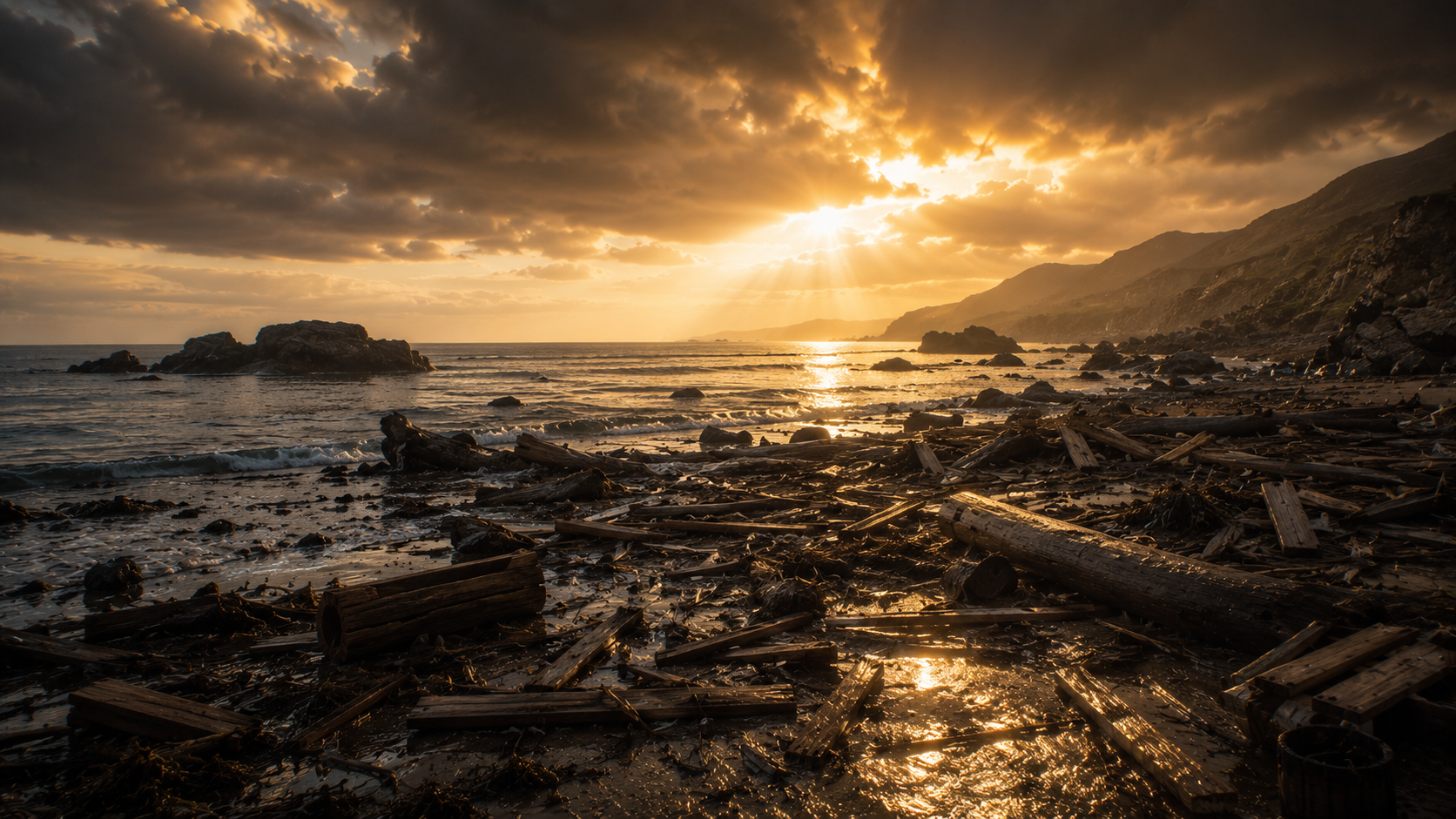
Imagery and Sensory Language
One reason Shakespeare’s storms remain unforgettable is his masterful use of imagery.
Storm scenes engage multiple senses simultaneously:
- Thunder echoes through the stage
- Lightning disrupts darkness
- Rain creates discomfort and fear
- Wind symbolizes instability and violence
These sensory details immerse audiences emotionally within the chaos.
Shakespeare understood that vivid environmental imagery intensifies dramatic tension. Rather than merely telling audiences that characters feel afraid or emotionally unstable, he allows nature itself to communicate those emotions.
This technique creates a more visceral and memorable experience.
Modern storytellers continue using similar methods because atmospheric storytelling powerfully shapes audience emotion.
Symbolism and Allegory
Storms in literature often operate symbolically on multiple levels at once.
A tempest may simultaneously represent:
- Political instability
- Divine judgment
- Psychological collapse
- Moral corruption
- Transformation and renewal
This layered symbolism gives storm scenes extraordinary interpretive richness.
For example, the storm in The Tempest functions as:
- A literal shipwreck
- A symbol of political disruption
- A mechanism for emotional reckoning
- A catalyst for reconciliation
Likewise, the storm in King Lear reflects:
- Lear’s madness
- The collapse of social order
- Humanity’s vulnerability before nature
- Existential despair
This symbolic complexity is one reason Shakespeare’s works remain endlessly studied and interpreted.
Dramatic Tension and Atmosphere
Storms naturally create suspense because they introduce unpredictability and danger.
In dramatic storytelling, tempests increase emotional stakes by:
- Isolating characters
- Removing safety
- Intensifying fear
- Accelerating conflict
- Creating urgency
Shakespeare frequently places major turning points during storms because chaotic environments force characters into decisive emotional confrontations.
Storm scenes also create visual spectacle.
Elizabethan audiences were fascinated by thunder effects, stage machinery, and supernatural atmospheres. Shakespeare skillfully combined theatrical excitement with symbolic depth.
This balance between entertainment and philosophical meaning helped make his plays enduring masterpieces.
Shakespeare’s Use of Pathetic Fallacy
One of the most important literary techniques connected to storm imagery is pathetic fallacy.
Pathetic fallacy occurs when nature reflects human emotions or psychological states.
Shakespeare used this device extensively.
Examples include:
- Violent weather during emotional breakdowns
- Darkness symbolizing moral corruption
- Thunder accompanying supernatural prophecy
- Tempests mirroring political chaos
In King Lear, the raging storm reflects Lear’s emotional disintegration.
In Macbeth, unnatural weather mirrors moral corruption and spiritual disorder.
This technique allows audiences to feel emotional tension through environmental atmosphere rather than dialogue alone.
Modern literature and cinema still rely heavily on this storytelling method because it creates emotionally immersive narratives.
The Enduring Influence of Tempest Imagery in Modern Culture
Storm Symbolism in Modern Literature and Film
The influence of Shakespearean storm imagery extends far beyond classical literature.
Modern novels, films, and television series continue using tempests as symbols of:
- Emotional conflict
- Psychological trauma
- Social collapse
- Transformation and rebirth
From psychological thrillers to epic fantasy narratives, storms remain central dramatic devices because they visually communicate emotional intensity.
Many contemporary storytellers consciously draw from Shakespearean traditions.
Storm scenes often appear during:
- Major revelations
- Climactic battles
- Moral confrontations
- Character transformations
This storytelling pattern persists because audiences instinctively associate storms with emotional significance.
Why Audiences Still Respond to Tempest Narratives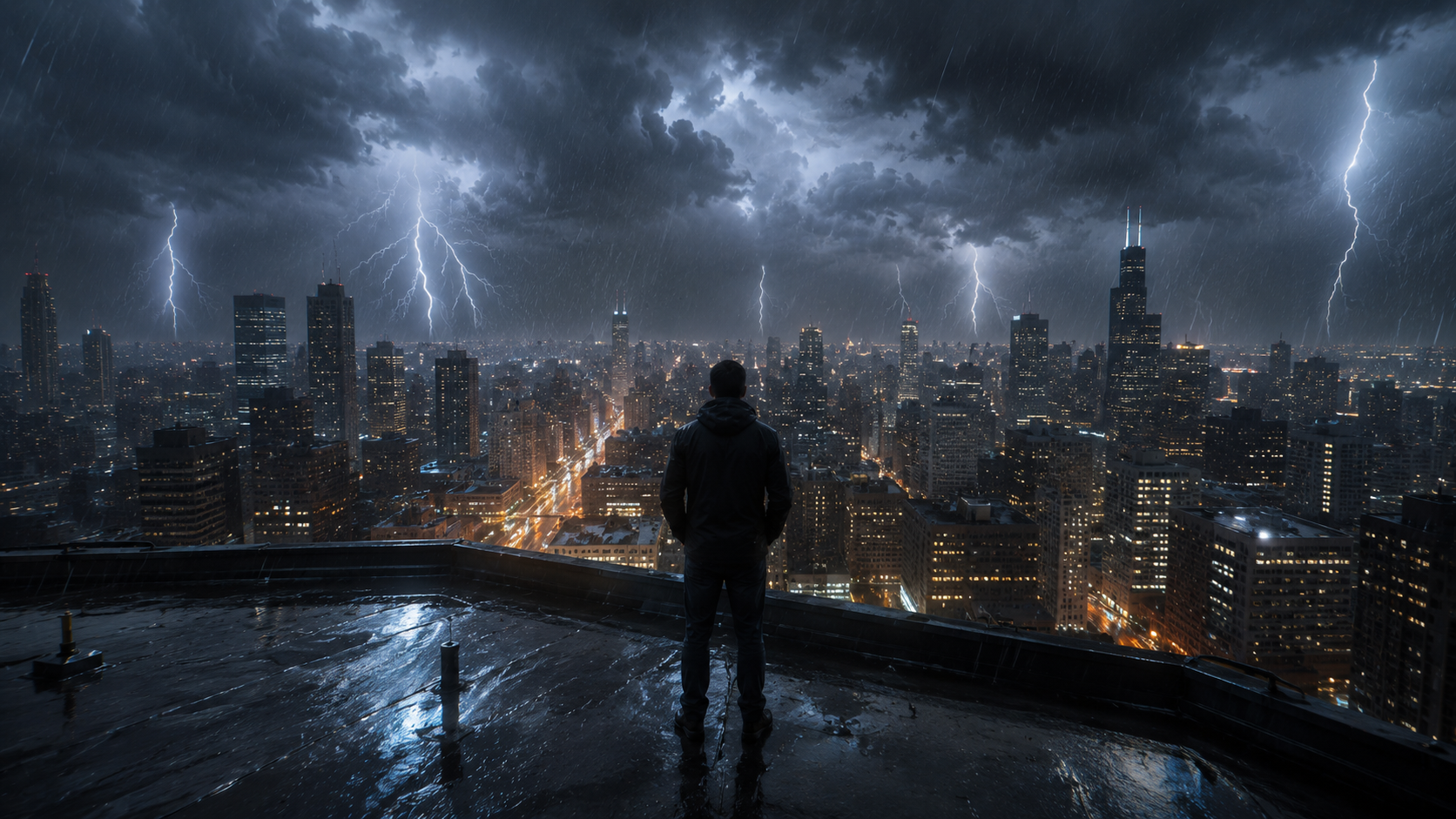
Storm narratives remain emotionally compelling because they tap into primal human fears.
People naturally fear:
- Losing control
- Isolation
- Destruction
- Uncertainty
- Mortality
At the same time, storms also symbolize survival and endurance.
When characters endure tempests, audiences witness:
- Courage
- Resilience
- Moral growth
- Emotional transformation
This combination of danger and hope creates powerful emotional engagement.
The phrase master the tempest is raging captures this emotional duality perfectly. It acknowledges fear while simultaneously expressing belief that peace remains possible.
That emotional structure continues resonating across generations and cultures.
The Phrase in Music, Sermons, and Popular Culture
The phrase has survived not only through literature but also through:
- Hymns
- Sermons
- Inspirational writing
- Poetry
- Public speeches
- Modern adaptations
Its survival demonstrates the enduring power of symbolic storm language.
Even outside explicitly religious contexts, the phrase often appears during discussions of:
- Personal hardship
- Emotional healing
- National crisis
- Spiritual endurance
This adaptability helps explain why the phrase remains culturally relevant today.
It speaks to universal emotional experiences that transcend historical period, religious tradition, or literary genre.
Expert Insights: What Readers Often Misunderstand About Storm Symbolism
Storms Are Rarely Just About Weather
One of the most common mistakes readers make when analyzing literature is treating storms as purely atmospheric details.
In sophisticated literary works, storms almost always carry symbolic significance.
Writers intentionally use tempests to explore:
- Emotional states
- Ethical conflict
- Power dynamics
- Spiritual uncertainty
- Human vulnerability
Ignoring this symbolic layer can lead to shallow interpretation.
Understanding storm imagery allows readers to uncover deeper thematic meanings hidden beneath the surface narrative.
Shakespeare’s Tempests Are Carefully Constructed Symbols
Shakespeare’s storms are not random dramatic additions.
They are carefully positioned narrative devices designed to:
- Intensify emotional stakes
- Reflect psychological conditions
- Symbolize moral disorder
- Initiate transformation
For example, the opening storm in The Tempest immediately destabilizes both characters and audience expectations.
The storm creates fear and confusion before gradually revealing itself as part of Prospero’s larger plan.
This layered construction demonstrates Shakespeare’s extraordinary dramatic intelligence.
The Difference Between Literal and Symbolic Reading
Strong literary analysis requires readers to balance literal and symbolic interpretation.
A storm scene may simultaneously function as:
- A real environmental event
- A psychological metaphor
- A political allegory
- A spiritual symbol
The best interpretations recognize multiple levels of meaning rather than reducing symbolism to a single explanation.
This complexity is precisely why Shakespeare’s works continue generating scholarly discussion centuries after they were written.
Practical Guide for Students and Literature Enthusiasts
How to Analyze Storm Imagery in Literature
When analyzing storms in literature, readers should ask several important questions:
What emotional state accompanies the storm?
Does the weather mirror fear, anger, grief, guilt, or confusion?
What changes occur because of the storm?
Does the tempest trigger transformation, revelation, or destruction?
Who controls the storm?
Is it natural, supernatural, symbolic, or psychologically projected?
What themes emerge through the storm imagery?
Common themes include:
- Power
- Vulnerability
- Redemption
- Isolation
- Chaos versus order
These questions help readers move beyond surface-level interpretation.
Common Literary Devices to Watch For
Storm-centered scenes frequently contain important literary devices such as:
Metaphor
Storms representing emotional or political conflict
Symbolism
Weather standing for deeper thematic meaning
Foreshadowing
Storms hinting at future tragedy or transformation
Pathetic Fallacy
Nature reflecting psychological states
Allegory
Storms representing broader philosophical or spiritual ideas
Recognizing these techniques strengthens literary analysis and essay writing.
How Teachers and Students Use Tempest Symbolism in Essays
Storm imagery often appears in academic literary analysis because it provides rich thematic material.
Students writing essays about Shakespeare frequently explore:
- Psychological symbolism
- Emotional atmosphere
- Nature and morality
- Power and instability
- Human suffering
Strong essays usually:
- Analyze specific scenes closely
- Connect imagery to broader themes
- Use textual evidence effectively
- Discuss emotional and symbolic meaning
Understanding tempest symbolism therefore improves both literary appreciation and academic performance.
Frequently Asked Questions About “master the tempest is raging”
Is “master the tempest is raging” connected to Shakespeare?
The phrase master the tempest is raging does not originate directly from William Shakespeare. It comes from the 19th-century hymn “Master, the Tempest Is Raging” by Mary Ann Baker, which was inspired by the biblical story of Christ calming the storm.
However, the phrase strongly aligns with Shakespearean themes because Shakespeare frequently used storms and tempests to symbolize:
- Emotional chaos
- Human suffering
- Political instability
- Transformation and redemption
This thematic similarity explains why readers often associate the phrase with Shakespearean literary analysis.
What does the tempest symbolize in literature?
In literature, a tempest usually symbolizes much more than violent weather.
Common symbolic meanings include:
- Emotional turmoil
- Psychological conflict
- Moral crisis
- Political disorder
- Spiritual struggle
- Transformation and renewal
Storm symbolism appears across many literary traditions because tempests naturally represent forces beyond human control. Writers use storms to externalize invisible emotional and social tensions.
In Shakespeare’s plays, storms frequently reveal deeper truths about characters and society.
Why are storms so important in Shakespeare’s plays?
Storms play a major role in Shakespearean drama because they create both emotional intensity and symbolic depth.
Shakespeare used storms to:
- Reflect psychological states
- Increase dramatic tension
- Symbolize chaos and instability
- Represent supernatural influence
- Trigger transformation and revelation
For example:
- The storm in King Lear mirrors Lear’s mental collapse.
- The tempest in The Tempest symbolizes disruption, manipulation, and eventual reconciliation.
These storm scenes remain among the most powerful moments in English literature.
What is the biblical meaning behind the phrase?
The biblical foundation of master the tempest is raging comes from the Gospel story in which Jesus calms a violent storm while his disciples fear for their lives.
The story symbolizes:
- Faith during fear
- Peace amid chaos
- Divine authority over uncertainty
- Hope during crisis
The hymn adaptation transformed this narrative into emotionally powerful poetic language that continues resonating with audiences today.
Why does storm imagery remain relevant today?
Storm imagery remains relevant because human beings still experience emotional and social “storms” in modern life.
People continue facing:
- Anxiety
- Grief
- Political instability
- Personal hardship
- Emotional uncertainty
Storm metaphors help express these experiences in vivid and emotionally relatable ways.
Modern literature, cinema, and even public discourse continue using tempests as symbols of struggle, transformation, and survival because the metaphor remains universally meaningful.
Why the Tempest Still Speaks to Human Experience
Few literary symbols possess the emotional power and timeless relevance of the tempest.
The phrase master the tempest is raging continues to resonate because it captures one of humanity’s deepest emotional truths: life often feels chaotic, uncertain, and overwhelming, yet people continue searching for peace, meaning, and hope amid the storm.
Whether explored through biblical narrative, poetic hymnody, or the dramatic genius of William Shakespeare, tempest imagery reveals the fragile relationship between human vulnerability and the desire for stability.
In The Tempest, storms become instruments of transformation and reconciliation. In King Lear, they expose psychological devastation and existential suffering. Across Shakespeare’s works, tempests function as mirrors of emotional truth and moral conflict.
That symbolic richness explains why storm imagery remains central to literature even today.
Modern readers continue recognizing themselves in these narratives because emotional tempests are universal. Fear, grief, uncertainty, guilt, hope, and resilience transcend historical periods and cultural boundaries.
Ultimately, the enduring power of master the tempest is raging lies in its profound emotional balance. The phrase acknowledges chaos without surrendering to despair. It recognizes suffering while still reaching toward restoration.
And that is precisely why the tempest still speaks so powerfully to human experience centuries later.
Key Takeaways
- master the tempest is raging originates from a 19th-century hymn inspired by biblical scripture.
- The phrase symbolizes chaos, fear, emotional struggle, and hope for rescue.
- Shakespeare frequently used storm imagery to reflect psychological and political conflict.
- The Tempest and King Lear contain some of literature’s most important storm scenes.
- Tempests in literature often symbolize transformation, revelation, and emotional truth.
- Storm symbolism remains deeply relevant in modern storytelling and culture.