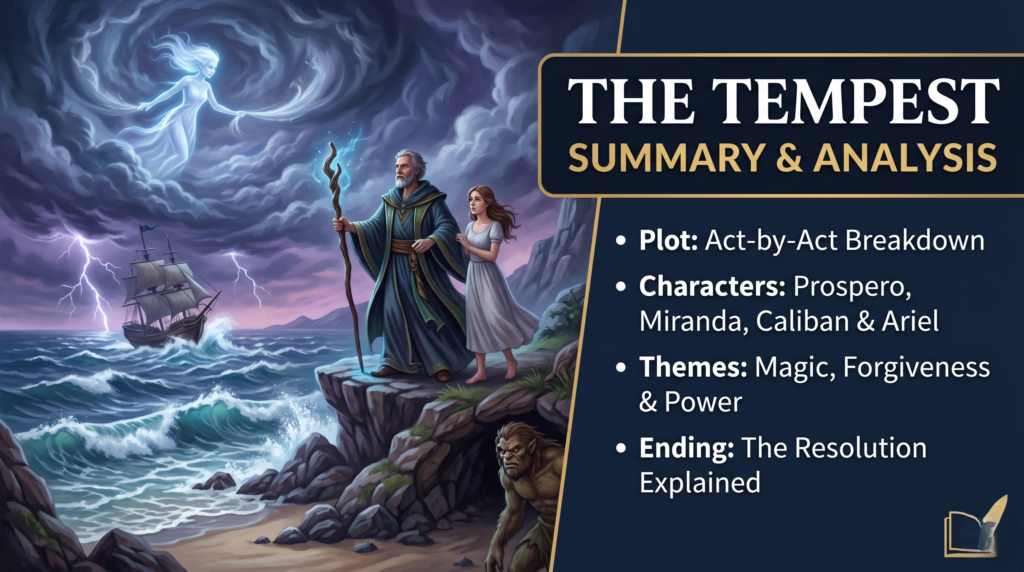
Imagine a storm-ravaged ship giving way to a mystical island where magic, betrayal, revenge, and redemption unfold. At the center stands a powerful sorcerer directing events like a playwright on stage. This is the world of William Shakespeare’s The Tempest, widely regarded as his final solo-authored play, written around 1611.
Characters from The Tempest continue to captivate audiences, students, actors, and scholars more than 400 years later. From the commanding Prospero to the rebellious Caliban and the ethereal Ariel, Shakespeare crafted an ensemble that explores profound themes of power, freedom, colonialism, forgiveness, and the nature of humanity.
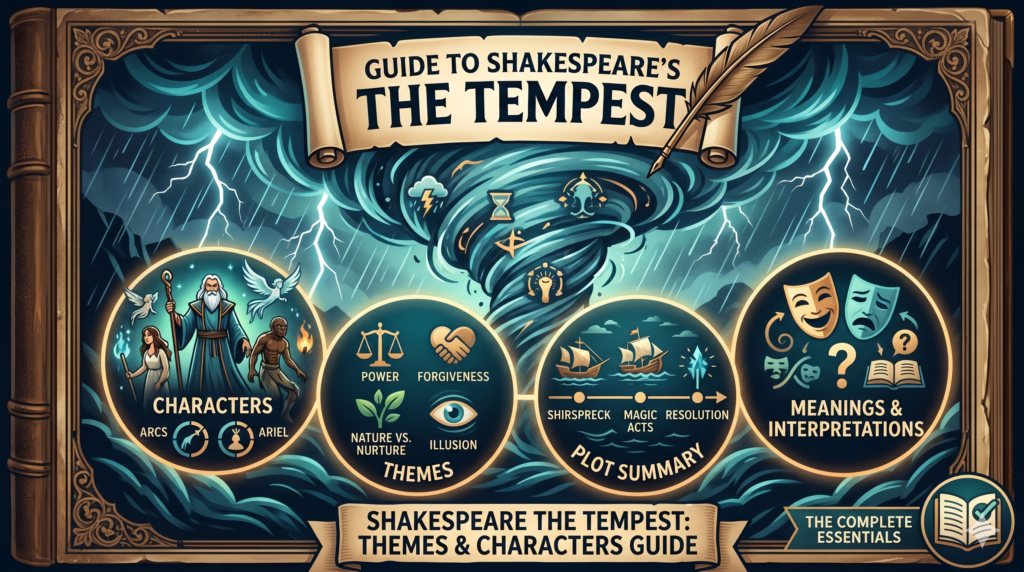
This comprehensive guide delves deep into every major and supporting character. It offers detailed analysis, key quotes, relationships, symbolic meanings, and modern interpretations. Whether preparing for an exam, directing a production, acting a role, or simply appreciating Shakespeare’s genius, this article serves as your definitive resource.
Historical and Literary Context of The Tempest
The Tempest stands out in Shakespeare’s canon as a late romance blending comedy, tragedy, and masque elements. The action primarily occurs on a remote island after a magically orchestrated shipwreck. Prospero, the deposed Duke of Milan, uses his magical powers to manipulate events, bringing his enemies to the island for a final reckoning.
Scholars link the play to real historical events, particularly the 1609 shipwreck of the Sea Venture en route to the Virginia colony, which stranded survivors in Bermuda (referenced in the play as the “still-vexed Bermoothes”). Influences also include Michel de Montaigne’s essays on New World inhabitants and contemporary accounts of exploration and colonization.
Many view The Tempest as Shakespeare’s farewell to the theater. Prospero’s renunciation of magic in the epilogue feels deeply meta-theatrical, with the character often interpreted as a stand-in for the playwright himself. The play examines illusion versus reality, the responsibilities of power, and the possibility of reconciliation—timeless concerns that resonate strongly today.
Major Characters
Prospero: The Magus, Father, and Duke
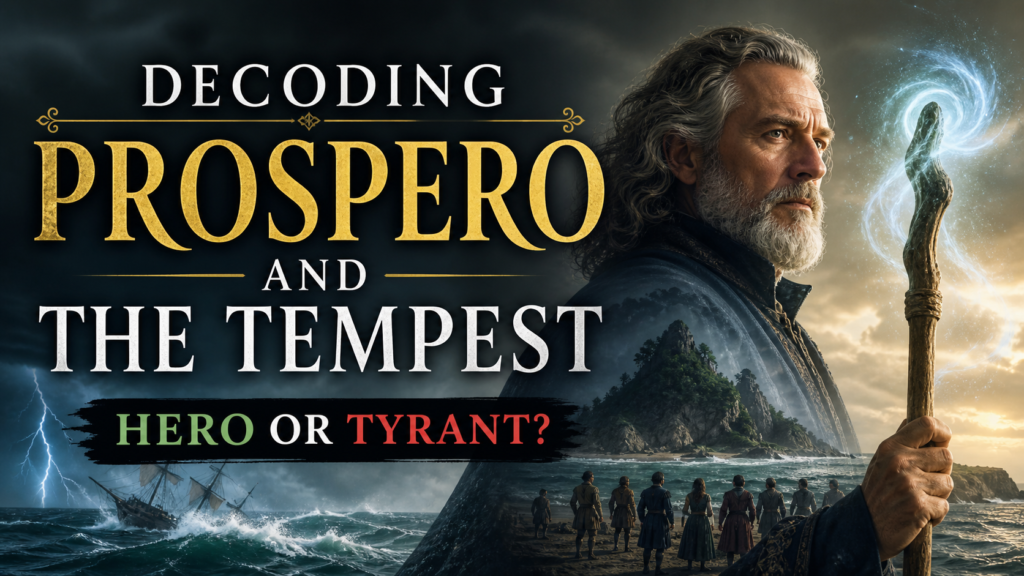
Prospero serves as the protagonist and central architect of The Tempest. Once the rightful Duke of Milan, he became absorbed in his studies of magic and liberal arts, allowing his treacherous brother Antonio to usurp his throne. Exiled with his young daughter Miranda, Prospero arrives on the island, frees the spirit Ariel, subjugates Caliban, and masters the environment through his books and staff.
Personality and Traits: Prospero is complex—intellectual yet vengeful, protective yet controlling, ultimately capable of profound forgiveness. He embodies the Renaissance magus: a figure of great learning who commands supernatural forces.
Role in the Play: Prospero functions as both character and director. He stages the tempest, tests the lovers, exposes betrayals, and orchestrates reconciliations. His arc moves from bitterness and revenge toward mercy and restoration of order.
Key Relationships:
- With Miranda: A devoted, if overprotective, father who has shielded her from the world’s corruption.
- With Ariel: Master and servant; a relationship of mutual dependence marked by promises of freedom.
- With Caliban: Colonizer and enslaved; fraught with resentment and conflicting claims to the island.
- With his enemies (Antonio, Alonso): Architect of their psychological punishment and eventual pardon.
Character Arc and Transformation: Prospero begins with justified anger but chooses forgiveness. His famous speech, “Our revels now are ended…” (Act 4, Scene 1), reflects on the fleeting nature of life and illusion:
“We are such stuff As dreams are made on, and our little life Is rounded with a sleep.”
This moment reveals philosophical depth and signals his readiness to relinquish power.
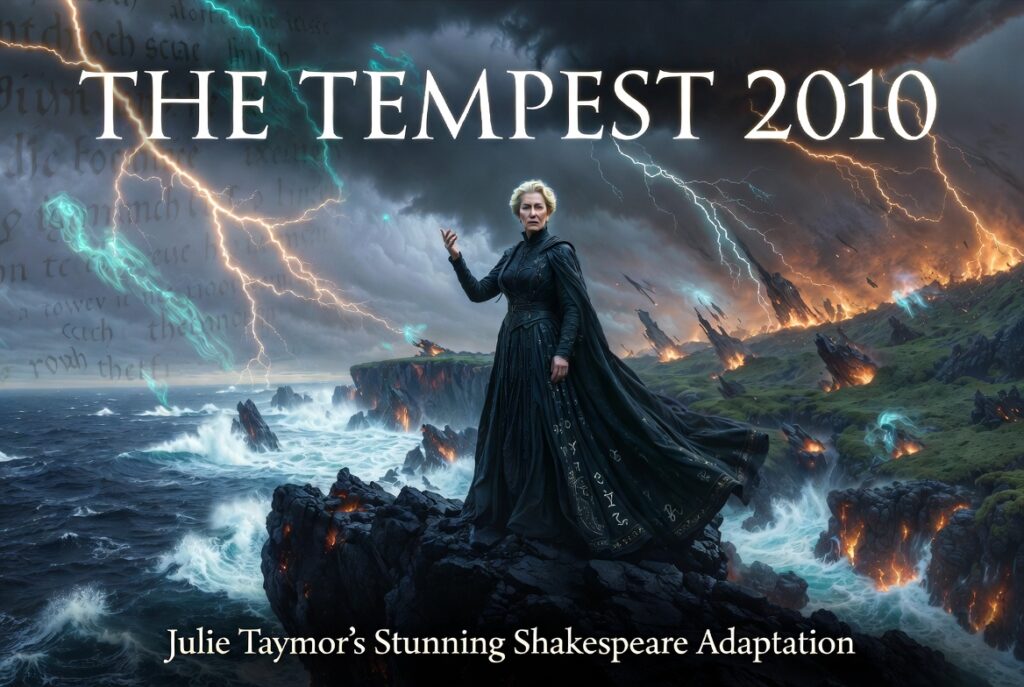
Modern Interpretations: Prospero is read as a self-portrait of Shakespeare, a colonizer figure in post-colonial criticism, or a model of enlightened leadership. Actors face the challenge of balancing authority with vulnerability. Notable performances include those by John Gielgud, Patrick Stewart, and Helen Mirren (as Prospera in Julie Taymor’s 2010 film).
Miranda: Innocence and Wonder
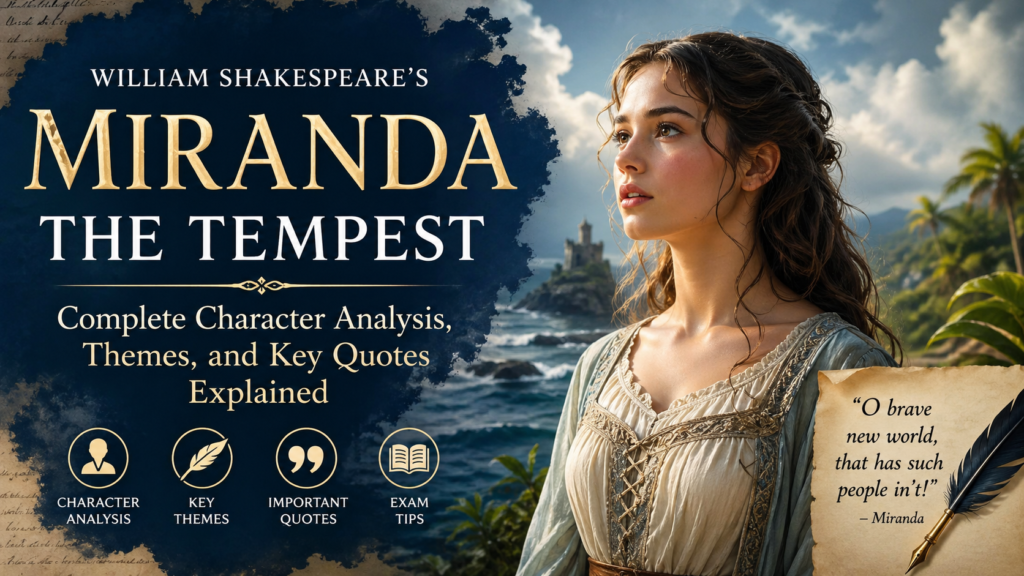
Miranda, Prospero’s 15-year-old daughter, embodies purity, compassion, and renewal. Brought to the island as a toddler, she has known only her father and Caliban as human company until the shipwrecked courtiers arrive.
Her famous exclamation upon seeing the newcomers captures her optimistic spirit:
“O brave new world, That has such people in’t!” (Act 5, Scene 1)
Personality: Compassionate, intelligent, courageous, and innocent yet capable of strong will. She defies her father to pursue her love for Ferdinand.
Key Relationships:
- Prospero: Loving but sometimes frustrated by his control.
- Ferdinand: Instant, idealized romance.
- Caliban: Complicated; she taught him language but recoils from his attempted violation.
Symbolic Role: Miranda represents the next generation’s hope and the possibility of a fresh start untainted by old European corruptions. Feminist readings highlight her limited agency and growth into self-determination.
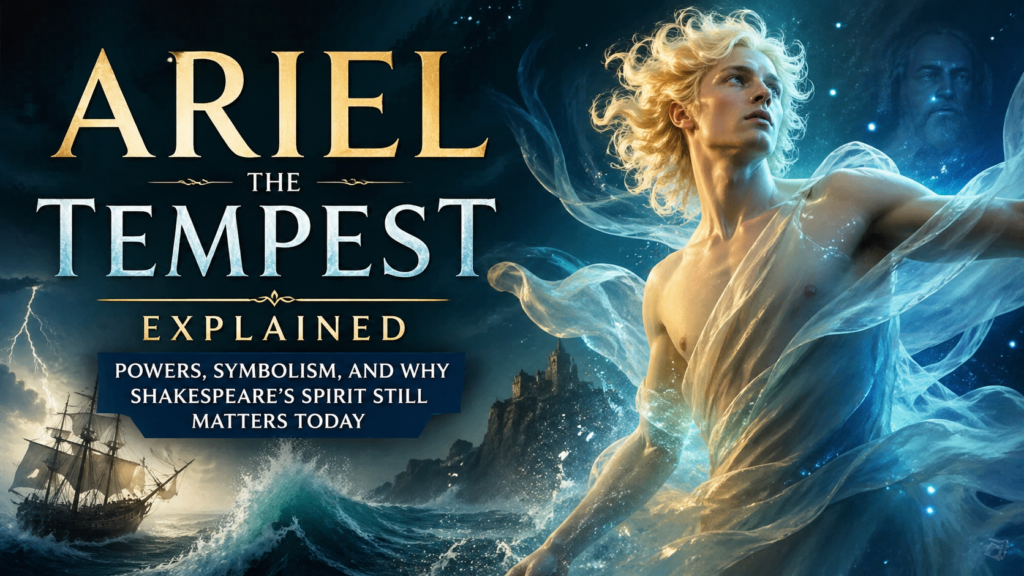
Ariel: The Ethereal Servant
Ariel is an airy spirit of the island, previously imprisoned in a cloven pine by the witch Sycorax. Prospero frees him and binds him to service in exchange for eventual liberty.
Personality: Witty, artistic, mischievous, and freedom-loving. Ariel executes Prospero’s commands with flair—creating illusions, music, and storms—while gently reminding his master of the passage of time and the value of mercy.
Functions: Master musician, illusionist, and agent of Prospero’s magic. Iconic songs like “Full fathom five thy father lies” showcase Shakespeare’s lyrical brilliance.
Symbolism: Ariel represents imagination, art, and the supernatural elements of theater itself. The character’s gender is ambiguous, allowing fluid interpretations in modern productions.
Relationship with Prospero: Complex dynamic of service and affection. Ariel’s final release marks the play’s theme of liberation.
Caliban: The “Monster” and Slave
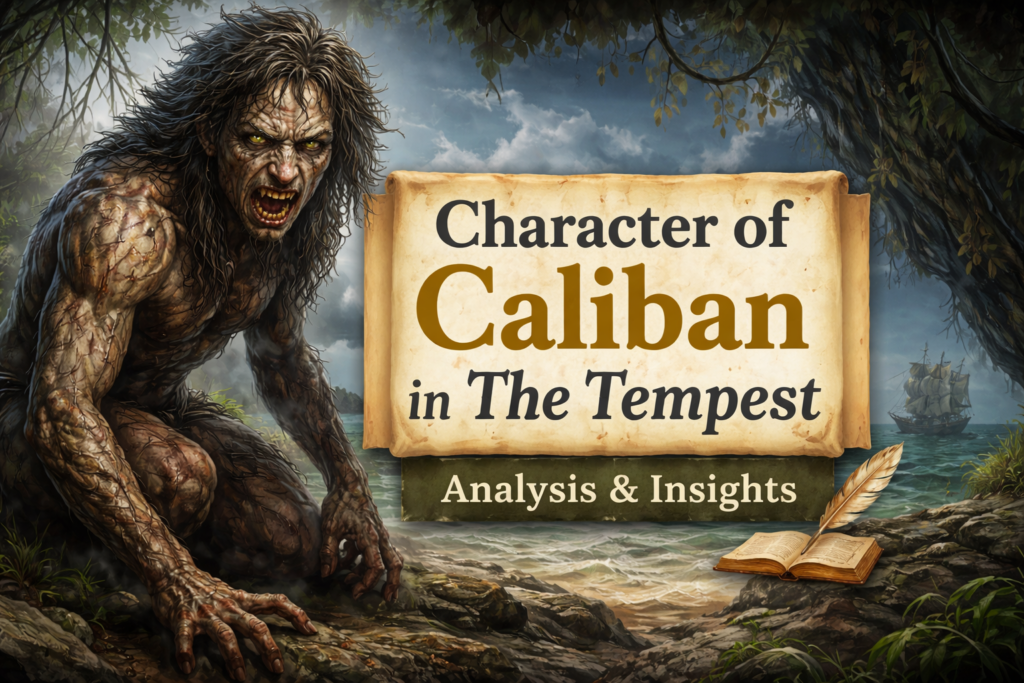
Caliban, son of the witch Sycorax, is the island’s original inhabitant. Prospero and Miranda initially befriended him, but relations soured after his attempt to violate Miranda, leading to his enslavement.
Caliban is one of Shakespeare’s most complex creations—neither simple villain nor pure victim. He is earthy, poetic, resentful, and deeply connected to the natural world.
Key Speeches:
- Claiming the island: “This island’s mine, by Sycorax my mother, / Which thou tak’st from me.”
- Curse on his educators: “You taught me language, and my profit on’t / Is I know how to curse.”
- Poetic vision: “Be not afeard; the isle is full of noises, / Sounds and sweet airs, that give delight and hurt not… when I waked, I cried to dream again.”
Colonial and Post-Colonial Interpretations: Caliban has become a powerful symbol for indigenous peoples, the oppressed, and the colonized. Aimé Césaire’s A Tempest reimagines him as a revolutionary figure. Debates continue: Is he a “monster” by nature, a victim of circumstance, or a tragic product of failed nurture?
Relationships: Bitter toward Prospero and Miranda; temporarily seduced by Stephano’s liquor and promises of power.
The Court Party: Nobles from Milan and Naples
While Prospero, Miranda, Ariel, and Caliban dominate the island’s magical atmosphere, the shipwrecked courtiers bring the political intrigue and human flaws of the “civilized” world to the remote setting.
Ferdinand: The Ideal Romantic Hero
Ferdinand, son of King Alonso of Naples, emerges as the play’s romantic lead. Shipwrecked and believing his father dead, he encounters Miranda and falls instantly in love. Prospero, ever the controlling father, subjects him to menial labor to test the strength of his affection.
Ferdinand’s character contrasts with the cynicism and treachery of the older courtiers. His sincerity and willingness to endure hardship for Miranda embody idealized courtly love. Their union symbolizes hope, reconciliation between Milan and Naples, and the promise of a better future. Key line:
“O heaven, O earth, bear witness to this sound / And crown what I profess with kind event / If I speak true!” (Act 3, Scene 1)
Alonso, Sebastian, and Antonio: Kingship, Treachery, and Conscience
Alonso, King of Naples, is a grieving father who aided Antonio in usurping Prospero’s dukedom years earlier. His arc moves from despair to penitence as Prospero’s magic forces him to confront past sins.
Sebastian and Antonio represent unrepentant ambition. Antonio, Prospero’s brother, shows no remorse for his betrayal. Sebastian readily joins a plot to murder Alonso and seize power. Their failed conspiracy, interrupted by Ariel, highlights the recurring theme of usurpation and the corrupting influence of power.
These characters parallel the main plot while providing moral contrast—some capable of change, others resistant.
Gonzalo: The Honest Counsellor
Gonzalo, the kind-hearted old counselor, stands out for his loyalty and optimism. He helped Prospero and Miranda escape with provisions and books. On the island, he imagines an ideal commonwealth:
“I’ the commonwealth I would by contraries / Execute all things…” (Act 2, Scene 1)
His utopian vision provides both comic relief and serious philosophical commentary on governance and human nature.
The Comic Subplot: Low Characters
Shakespeare masterfully balances high drama with low comedy through Stephano (the drunken butler), Trinculo (the jester), and their alliance with Caliban.
These characters parody the main plot’s themes of ambition and rebellion. Stephano dreams of becoming king of the island with Caliban as his servant, fueled by alcohol and bravado. Their ridiculous conspiracy and subsequent humiliation underscore the absurdity of power grabs and the civilizing (or corrupting) influence of wine.
The Boatswain adds a pragmatic, working-class voice during the opening storm, questioning the courtiers’ authority when lives are at stake—an early challenge to hierarchical order.
Minor and Offstage Characters
Sycorax, Caliban’s mother and a powerful Algerian witch, never appears onstage but exerts significant influence. Her banishment to the island and imprisonment of Ariel establish the pre-Prospero history and raise questions about legitimacy and power.
The masque in Act 4 features goddesses Iris, Ceres, and Juno, who bless the union of Ferdinand and Miranda. These spirits, along with other island apparitions, emphasize themes of fertility, harmony, and celestial order.
Minor courtiers like Adrian and Francisco, plus the ship’s crew, round out the ensemble and reinforce the play’s exploration of social hierarchy.
Character Relationships and Dynamics
The Tempest is rich in layered relationships that drive its dramatic power:
- Master-Servant: Prospero-Ariel (benevolent but contractual) versus Prospero-Caliban (coercive and resentful).
- Father-Daughter: Protective and tender, yet strained by Prospero’s secrecy and control.
- Romantic: Ferdinand and Miranda’s pure love offers redemption.
- Betrayal and Reconciliation: Multiple layers of political treachery find resolution through magic and self-reflection.
- Power Structures: The island temporarily inverts and then restores traditional order, inviting reflection on authority.
These dynamics make the characters feel profoundly human despite the supernatural setting.
Key Themes Through the Characters
Shakespeare uses his ensemble to explore enduring ideas:
- Power and Control: Prospero’s magic mirrors theatrical power and political authority.
- Freedom and Slavery: Ariel’s longing for release contrasts with Caliban’s harsher bondage.
- Forgiveness vs. Revenge: Prospero’s ultimate choice defines the play’s moral core.
- Colonialism and Otherness: Encounters between Europeans and the island’s inhabitants raise complex ethical questions still relevant today.
- Nature vs. Nurture: Caliban’s education and behavior fuel ongoing debate.
- Illusion, Art, and Reality: The play blurs boundaries between performance and life.
Symbolism and Literary Devices Linked to Characters
Prospero’s books and staff symbolize knowledge and control. The island itself functions almost as a character—nurturing, isolating, and transformative. Music (Ariel’s songs) and clothing changes signal shifts in status and perception. These elements deepen character portrayals and thematic resonance.
Modern Relevance and Adaptations
In the 21st century, characters from The Tempest speak powerfully to contemporary concerns. Post-colonial scholars view Caliban as a symbol of resistance against oppression. Environmental readings see the island as a fragile ecosystem under human control. Leadership studies analyze Prospero’s journey from vengeance to wise governance.
Notable adaptations include:
- Julie Taymor’s 2010 film with Helen Mirren as Prospera.
- Forbidden Planet (1956 sci-fi classic).
- Aimé Césaire’s Une Tempête, which centers Caliban’s perspective.
- Countless stage productions that experiment with casting, setting, and interpretation.
These characters help us examine forgiveness in divided times, the ethics of power, and what it means to set others—and ourselves—free.
The Enduring Legacy of Shakespeare’s Characters
Shakespeare’s characters in The Tempest form one of his most balanced and philosophically rich ensembles. Through Prospero’s renunciation of magic and return to Milan, the playwright bids farewell to his art while affirming humanity’s capacity for growth and reconciliation.
“Now my charms are all o’erthrown, / And what strength I have’s mine own, / Which is most faint…” (Epilogue)
These iconic figures continue to illuminate the human condition. Whether you are studying Shakespeare, preparing a performance, or seeking deeper literary insight, understanding the characters from The Tempest enriches appreciation of this masterpiece.
Expert Insights and Study Tips
For students and actors:
- Compare Prospero with other Shakespearean magi or rulers (e.g., Duke Vincentio in Measure for Measure).
- Analyze Caliban’s speeches for evidence of both monstrosity and humanity.
- Consider directorial choices: How does casting Ariel or Caliban change the play’s meaning?
- Recommended reading: Editions with footnotes by editors like Stephen Orgel or Virginia Mason Vaughan for colonial context.
FAQs
Who is the protagonist of The Tempest? Prospero is widely considered the protagonist, though the play features a true ensemble.
Is Caliban a villain or a victim? He is both—and neither. Shakespeare presents a nuanced figure open to multiple valid interpretations.
What does Ariel represent? Ariel symbolizes imagination, artistic creativity, and the desire for freedom.
Why does Prospero forgive his enemies? His journey leads him to recognize the limits of vengeance and the value of mercy and restored order.
How many characters are in The Tempest? There are approximately 18 named characters plus spirits and sailors.
Is The Tempest based on a true story? Not literally, but inspired by real shipwrecks and colonial voyages of Shakespeare’s era.
This complete guide to the characters from The Tempest equips you with the knowledge to engage deeply with Shakespeare’s final masterpiece. Explore the play, watch a production, and discover new layers with every reading.