Imagine a noble warrior, respected across Venice for his battlefield prowess, undone not by an enemy army but by the insidious whisper of doubt planted in his heart. In a matter of days, love turns to rage, trust to murder, and honor to self-destruction. This is the devastating power of William Shakespeare’s Othello, a tragedy that continues to grip audiences more than 400 years after its first performance.
If you’re searching for Othello quotes, you’re likely seeking more than a simple list. You want to understand the lines that capture the play’s exploration of jealousy, manipulation, race, and human frailty—lines that still resonate in modern relationships, workplaces, and societies grappling with deception and prejudice. This comprehensive guide delivers exactly that: meticulously selected and analyzed Othello quotes, rich historical and thematic context, character insights, and practical applications for students, actors, teachers, and literature lovers.
Understanding Othello – Plot Summary and Historical Context
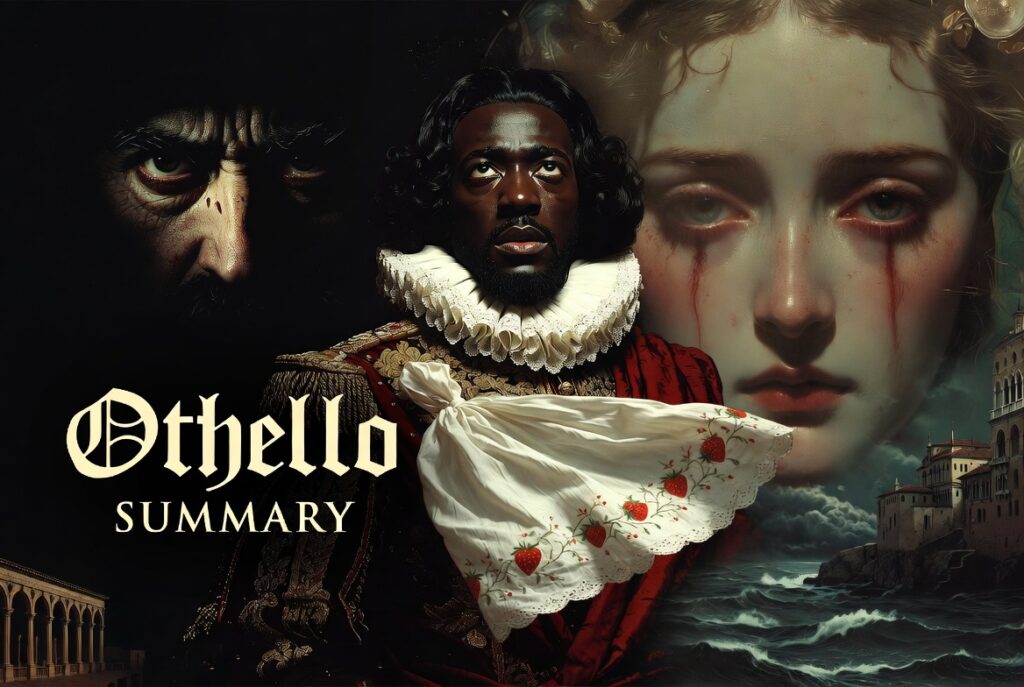
A Concise Plot Overview
The Tragedy of Othello, the Moor of Venice (written around 1603–1604) opens in the bustling streets of Venice. Iago, a bitter ensign passed over for promotion in favor of the younger, less experienced Michael Cassio, begins scheming against his general, Othello. Othello, a respected Moorish commander, has secretly married Desdemona, the daughter of Senator Brabantio. Iago manipulates Roderigo (a suitor rejected by Desdemona) and exploits racial prejudices to alert Brabantio.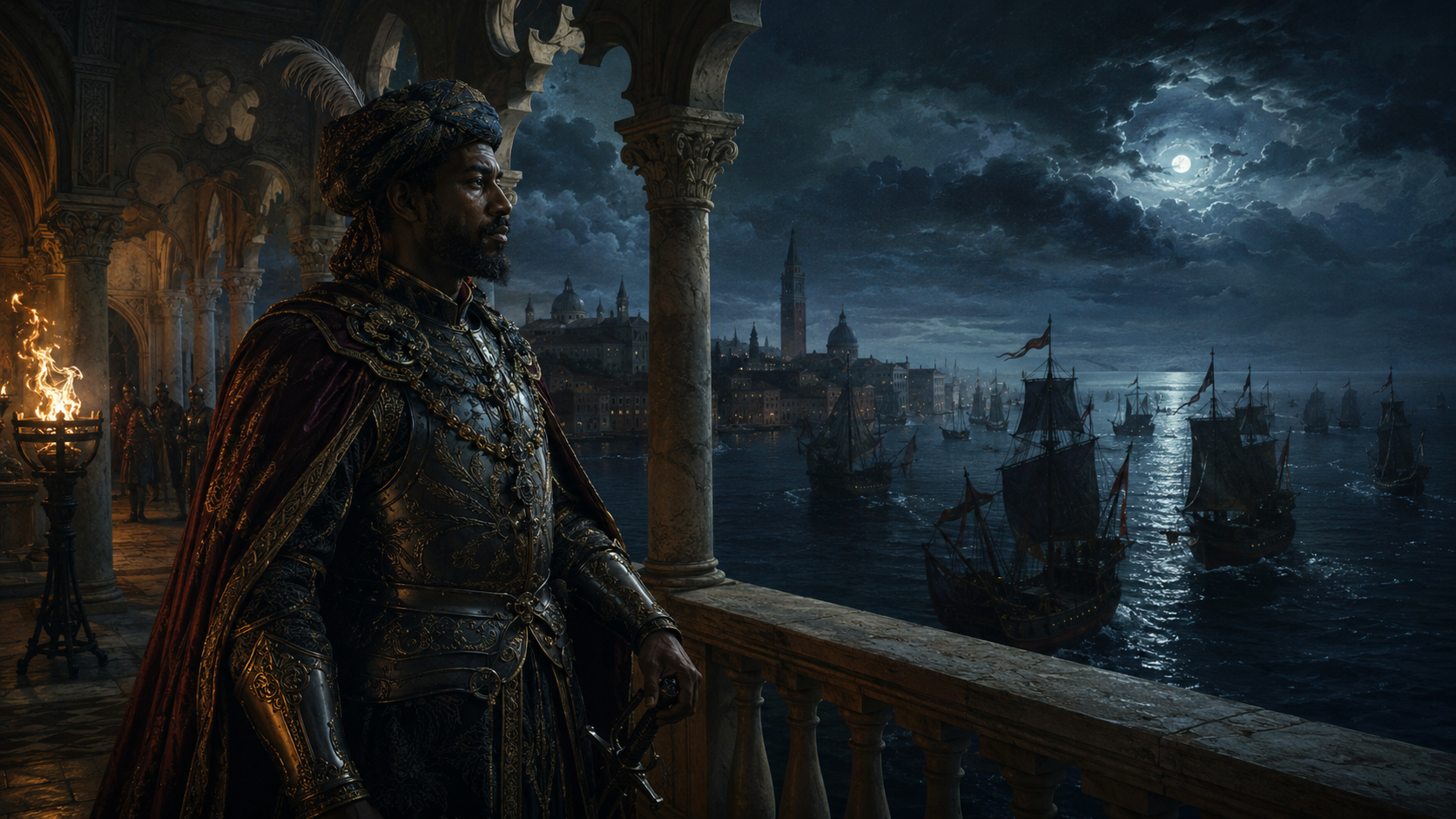
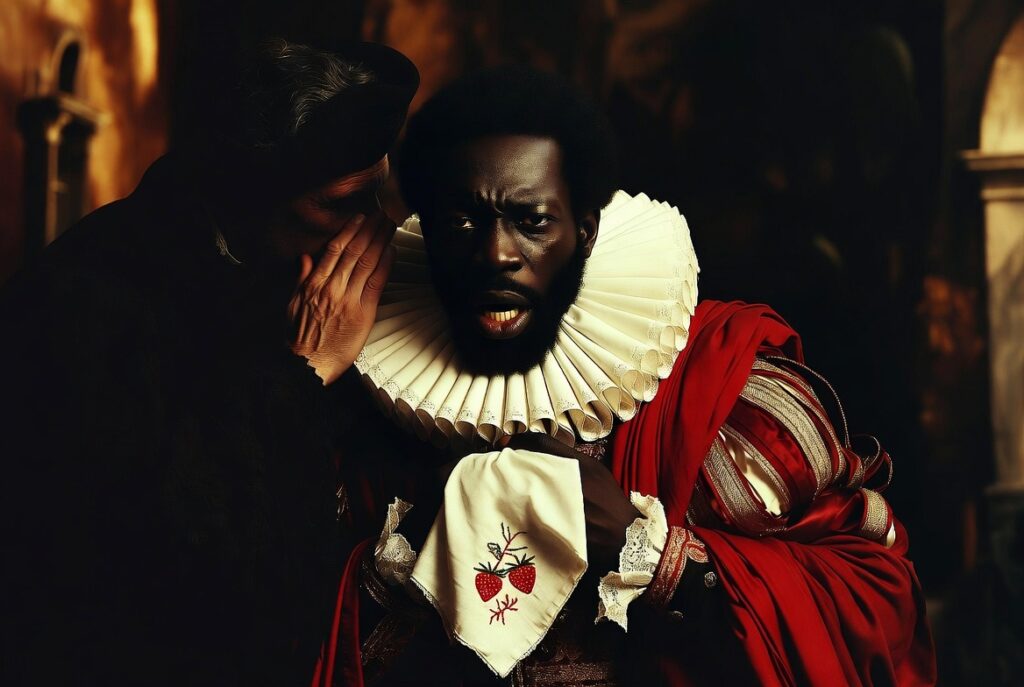
When the Turkish fleet threatens Cyprus, Othello is dispatched to defend the island, taking Desdemona with him. In the isolated, storm-battered setting of Cyprus, Iago’s web tightens. He engineers Cassio’s demotion, plants Desdemona’s handkerchief as false evidence of infidelity, and fuels Othello’s growing suspicions. What begins as subtle insinuation spirals into Othello’s psychological collapse, culminating in the tragic murder of Desdemona and Othello’s own suicide upon discovering the truth.
The play’s tight structure—compressed timeline, limited locations, and relentless momentum—amplifies its emotional intensity, making it one of Shakespeare’s most stageable and psychologically penetrating works.
Historical and Literary Background
Shakespeare drew primary inspiration from Giraldi Cinthio’s 1565 Italian tale “Un Capitano Moro” in Hecatommithi, but he transformed the story significantly. He elevated Othello from a stock figure into a complex, noble protagonist and introduced the masterful villainy of Iago, whose motives remain deliciously ambiguous.
Set against the backdrop of Venetian-Ottoman conflicts (Cyprus fell to the Turks in 1573), the play reflects Elizabethan anxieties about race, empire, and “otherness.” Moors—Muslim inhabitants of North Africa—were both exoticized and feared in Renaissance Europe. Shakespeare’s choice to make his hero a Black Moor in a white Venetian society adds layers of racial tension that modern productions continue to explore with urgency.
Why Othello Resonates Today
In an era of misinformation, toxic relationships, and heightened awareness of systemic bias, Othello feels eerily contemporary. Its examination of how jealousy can be weaponized, how reputation can be destroyed by whispers, and how love can be corrupted by doubt speaks directly to issues like gaslighting, cancel culture, and relational betrayal. The play asks timeless questions: How well do we truly know those closest to us? What happens when trust erodes?
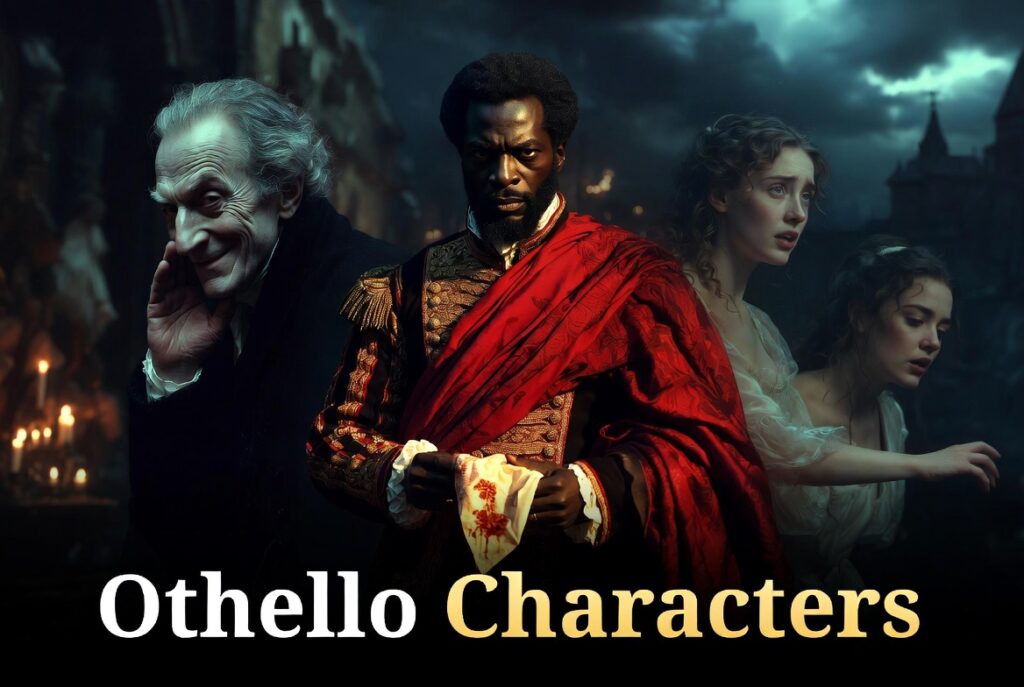
Key Characters in Othello – Voices That Drive the Tragedy
Othello – The Noble Moor
Othello begins as the epitome of martial virtue and eloquent leadership. His language is grand, poetic, and assured. As Iago’s poison works, his speech fragments—mirroring his fracturing mind. Key to his character is his outsider status: proud yet acutely aware of his difference in Venetian society.
Iago – The Architect of Deception
Often called Shakespeare’s most chilling villain, Iago is a master of psychological warfare. He lacks grand ideological evil; instead, his malice is petty, opportunistic, and deeply human. His soliloquies reveal a mind constantly calculating, reshaping reality for those around him.
Desdemona, Emilia, Cassio, and Supporting Figures
Desdemona represents purity, loyalty, and quiet strength. Emilia, Iago’s wife, evolves from compliant to courageous, delivering some of the play’s most piercing moral insights. Cassio embodies the dangers of reputation and youthful ambition. Together, these characters illustrate the play’s web of gender dynamics, loyalty, and social hierarchy.
Major Themes Explored Through Memorable Quotes
The Corrosive Power of Jealousy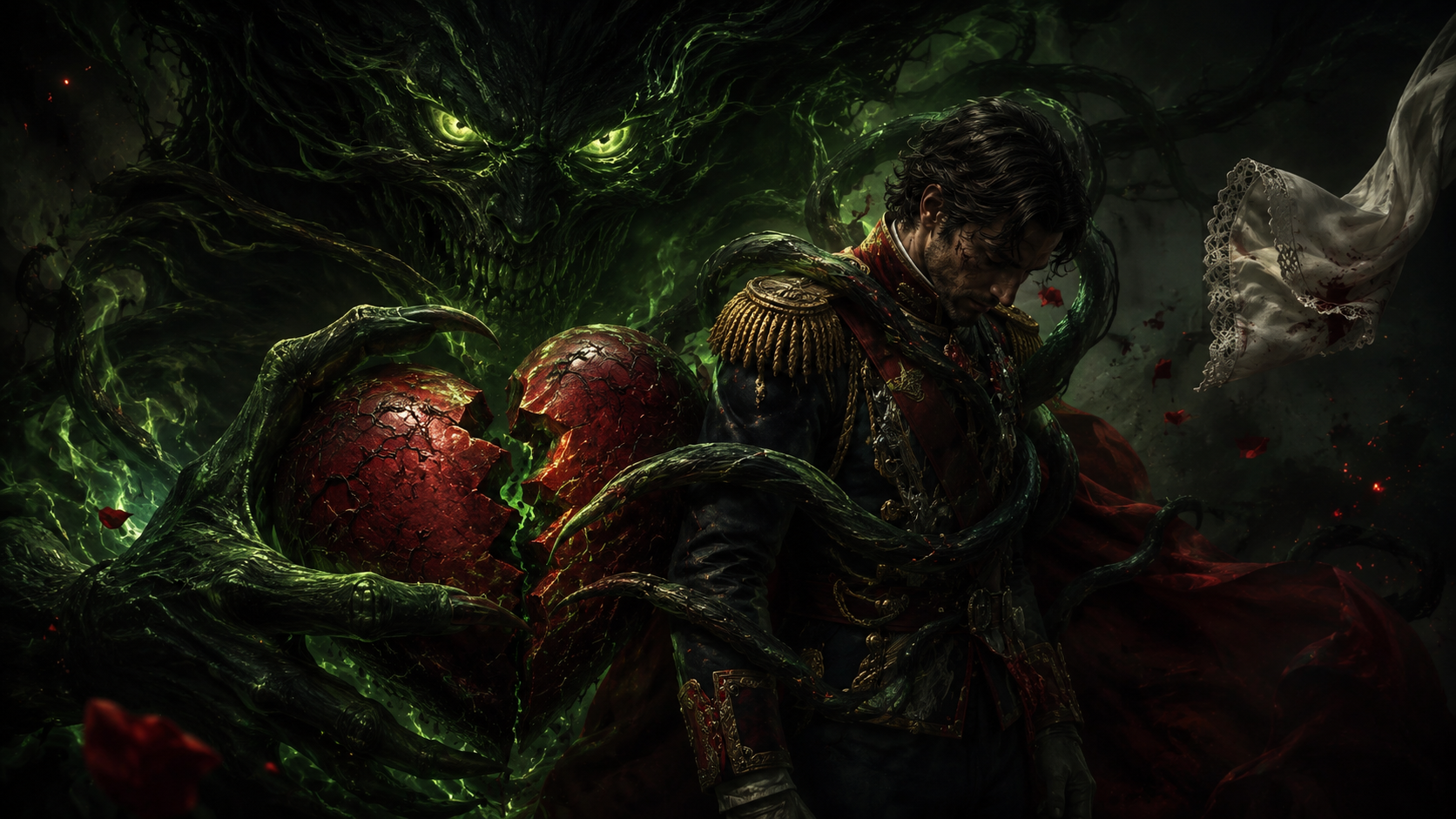
Jealousy is not merely a subplot—it is the engine of destruction. Iago famously warns:
“O, beware, my lord, of jealousy! It is the green-eyed monster which doth mock The meat it feeds on.” (Act 3, Scene 3)
This metaphor remains one of the most quoted in English literature. The “green-eyed monster” devours the jealous person from within, blinding them to reason. Emilia later echoes this with even greater clarity:
“But jealous souls will not be answered so; They are not ever jealous for the cause, But jealous for they’re jealous.” (Act 3, Scene 4)
These Othello quotes reveal jealousy as self-perpetuating, a psychological plague that needs little external fuel.
Appearance vs. Reality and Manipulation
Iago’s opening declaration sets the tone:
“I am not what I am.” (Act 1, Scene 1)
This paradoxical line reveals his philosophy of deception. He pretends loyalty while orchestrating chaos, showing how appearances can be weaponized.
Race, Otherness, and Prejudice
Racial slurs pepper the early scenes, such as Iago’s crude imagery to Brabantio:
“Even now, now, very now, an old black ram Is tupping your white ewe.” (Act 1, Scene 1)
These lines expose Venetian xenophobia. Othello’s eventual internalization of these prejudices contributes to his downfall, making the play a profound study in how societal bias can be internalized.
Love, Loyalty, and Betrayal
Othello’s early declaration of love is deeply moving:
“She loved me for the dangers I had passed, And I loved her that she did pity them.” (Act 1, Scene 3)
This mutual admiration based on respect rather than mere passion contrasts tragically with the later betrayal.
Reputation and Honor
Cassio’s lament after his demotion is iconic:
“Reputation, reputation, reputation! O, I have lost my reputation! I have lost the immortal part of myself, and what remains is bestial.” (Act 2, Scene 3)
The Most Powerful Othello Quotes – Categorized and Analyzed
This section serves as the heart of the article, offering far more than a mere compilation. Each Othello quote is presented with its original text, act and scene reference, context, literary analysis, thematic connections, and modern relevance. These lines showcase Shakespeare’s unparalleled command of language, imagery, and psychological insight.
Iconic Opening and Iago’s Revelations
“I am not what I am.” (Iago, Act 1, Scene 1)
This paradoxical declaration is one of the most chilling lines in Shakespeare. By admitting his duplicity upfront to the audience, Iago establishes his role as a master manipulator who wears honesty as a mask. The line plays on biblical echoes (“I am that I am”) while subverting them, highlighting themes of appearance versus reality. In performance, it often sends a shiver through the audience, signaling that nothing in the play is as it seems.
“Even now, now, very now, an old black ram / Is tupping your white ewe.” (Iago, Act 1, Scene 1)
Iago’s crude, animalistic imagery when informing Brabantio of Othello and Desdemona’s marriage is deliberately shocking. It dehumanizes Othello as a predatory beast and Desdemona as innocent prey, tapping into racial and sexual anxieties of Elizabethan England. This quote sets the racial tension that permeates the tragedy and demonstrates Iago’s skill at weaponizing prejudice.
Othello and Desdemona’s Love
“She loved me for the dangers I had passed, / And I loved her that she did pity them.” (Othello, Act 1, Scene 3)
One of the most romantic and revealing lines in the play. Othello recounts how Desdemona fell in love with his stories of military exploits and exotic adventures. This mutual respect based on shared values rather than superficial attraction contrasts sharply with the later destruction of their bond. It humanizes Othello and underscores the purity of their relationship before Iago’s interference.
“O my soul’s joy!” (Othello, Act 2, Scene 1)
Spoken upon reuniting with Desdemona in Cyprus after a perilous sea voyage, this exclamation reveals the depth of Othello’s passion. The simplicity and sincerity here make the later tragic reversal all the more heartbreaking.
The Seeds of Doubt and Jealousy
“O, beware, my lord, of jealousy! / It is the green-eyed monster which doth mock / The meat it feeds on.” (Iago, Act 3, Scene 3)
Arguably the most famous Othello quote, this metaphor perfectly captures the self-destructive nature of jealousy. Iago plants the idea while pretending to caution Othello, a masterstroke of reverse psychology. The “green-eyed monster” has entered everyday language, proving the enduring power of Shakespeare’s imagery.
“She has deceived her father, and may thee.” (Brabantio, Act 1, Scene 3)
Though spoken early by Desdemona’s father, this warning lodges in Othello’s mind and is later exploited by Iago. It introduces the theme of female deception that becomes central to Othello’s growing paranoia.
“Excellent wretch! Perdition catch my soul / But I do love thee! and when I love thee not, / Chaos is come again.” (Othello, Act 3, Scene 3)
Here, Othello acknowledges his deepening love even as doubt creeps in. The line foreshadows the cosmic disorder that follows when that love is poisoned—linking personal emotion to universal chaos, a hallmark of Shakespearean tragedy.
Descent into Madness and Climactic Lines
As Othello’s jealousy consumes him, his language deteriorates from eloquent verse to fragmented prose, mirroring his mental collapse. Key moments include his demands for “ocular proof” and the epileptic fit triggered by Iago’s manipulations.
“I kissed thee ere I killed thee. No way but this, / Killing myself, to die upon a kiss.” (Othello, Act 5, Scene 2)
Othello’s final words before suicide are among the most poignant in literature. They encapsulate the tragic irony: love and death intertwined in one devastating act. The tenderness here humanizes Othello even in his guilt, providing a moment of catharsis for the audience.
“O gull! O dolt! As ignorant as dirt!” (Emilia, Act 5, Scene 2)
Emilia’s furious outburst upon discovering the truth exposes Iago’s villainy and highlights female insight that the male characters tragically overlook.
Supporting Quotes on Reputation, Virtue, and Humanity
“Reputation, reputation, reputation! O, I have lost my reputation! / I have lost the immortal part of myself, and what remains is bestial.” (Cassio, Act 2, Scene 3)
Cassio’s despair after losing his position reveals how central honor and social standing were in Renaissance society. Iago later twists this concept masterfully.
“Good name in man and woman, dear my lord, / Is the immediate jewel of their souls… But he that filches from me my good name / Robs me of that which not enriches him / And makes me poor indeed.” (Iago, Act 3, Scene 3)
Iago hypocritically lectures Othello on reputation while actively destroying it. The jewel metaphor is particularly effective, emphasizing intangible value over material wealth.
These Othello quotes are not isolated gems but interconnected threads that weave the play’s rich tapestry of themes.
Literary Devices and Shakespeare’s Craft in Othello Quotes
Shakespeare’s genius shines through his masterful use of language. Animal imagery (Othello as ram, horse, or devil), the recurring motif of the handkerchief as a symbol of fidelity, and the contrast between Iago’s earthy prose and Othello’s elevated verse all amplify the emotional and thematic impact.
Dramatic Irony: The audience knows Iago’s true intentions while characters remain deceived, heightening tension in nearly every scene involving the villain’s asides and soliloquies.
Language of Race and Gender: Othello’s speech becomes more “othered” as he internalizes Venetian prejudices, while female characters like Emilia deliver proto-feminist critiques of male folly.
Why These Othello Quotes Still Matter Today
In the 21st century, Othello feels prophetic. Its exploration of gaslighting, racial microaggressions, and the rapid spread of misinformation through “proof” (the handkerchief paralleling today’s fake news or deepfakes) offers profound insights.
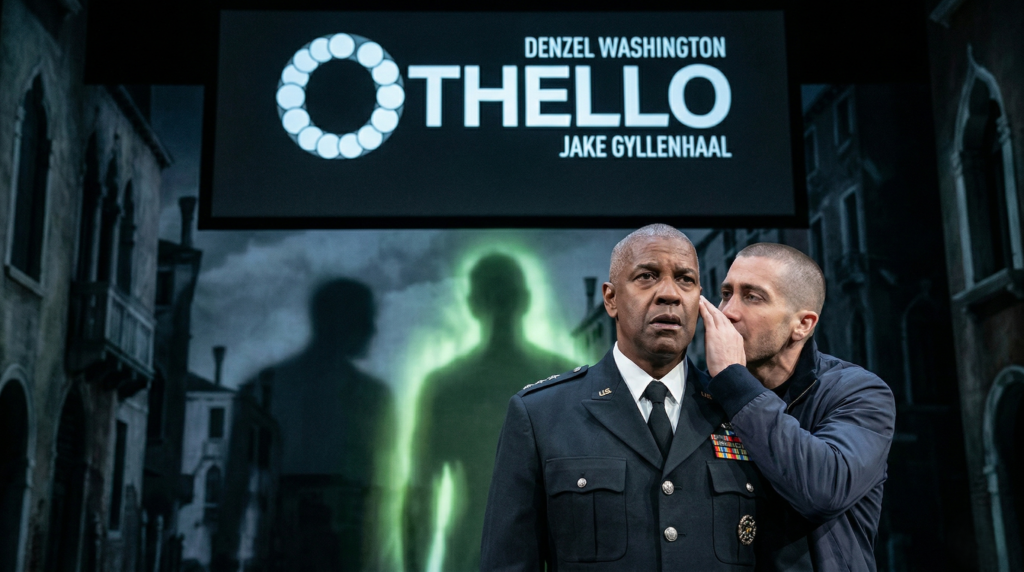
Modern adaptations—such as films starring Laurence Fishburne or productions reimagined in contemporary military settings—demonstrate the play’s flexibility. Psychologists reference the “green-eyed monster” in discussions of toxic jealousy, while educators use the text to facilitate conversations about diversity, equity, and inclusion.
For writers and speakers, these quotes provide powerful rhetorical tools. Incorporating them in essays, presentations, or even personal reflections on relationships can add depth and authority.
Tips for Studying, Performing, or Teaching Othello Quotes
For Students: When analyzing quotes, always consider context, speaker motivation, literary devices, and thematic links. Compare Othello’s jealousy with that in The Winter’s Tale or Hamlet’s indecision for richer essays. Practice embedding quotes seamlessly with analysis rather than mere summary.
For Actors and Directors: Focus on the musicality of the language. Othello’s lines demand vocal power that fractures over time. Explore physicality—how race is embodied on stage today requires thoughtful, respectful approaches.
Classroom Activities:
- Debate: Is Othello a victim of society or personal flaw?
- Modern retellings: Rewrite a scene in contemporary language or as a social media thread.
- Quote journals: Track how one line evolves in meaning across the play.
Frequently Asked Questions (FAQs)
What is the most famous quote from Othello? The “green-eyed monster” warning by Iago remains the standout, widely referenced in popular culture.
How does jealousy destroy Othello? It is systematically cultivated by Iago, exploiting Othello’s insecurities about race, age, and outsider status until it overrides reason and love.
What do the quotes reveal about racism in the play? They expose both overt slurs and subtler prejudices, showing how societal bias can be internalized, contributing to the protagonist’s tragedy.
Where can I find the full text of Othello? Public domain editions are available from Project Gutenberg, Folger Shakespeare Library, and Open Source Shakespeare.
How do Othello quotes compare to those in other Shakespeare tragedies? While Hamlet offers philosophical depth and King Lear raw emotional power, Othello stands out for its tight psychological realism and domestic tragedy.
Additional questions can explore performance history, Iago’s motivations, or Desdemona’s agency.
The Othello quotes examined here illuminate Shakespeare’s profound understanding of human nature—the fragility of trust, the destructiveness of unchecked emotion, and the enduring impact of prejudice. More than four centuries later, they continue to challenge, move, and enlighten us.
Whether you are a student preparing for exams, an actor preparing a role, a teacher designing lessons, or simply a lover of great literature, these lines offer timeless wisdom. Revisit the play, watch a production, or reflect on how jealousy and manipulation appear in your own world. Shakespeare’s words remain a mirror to our souls.
What is your favorite Othello quote, and why does it resonate? Share in the comments below, and explore our other Shakespeare guides for deeper dives into the Bard’s masterpieces.