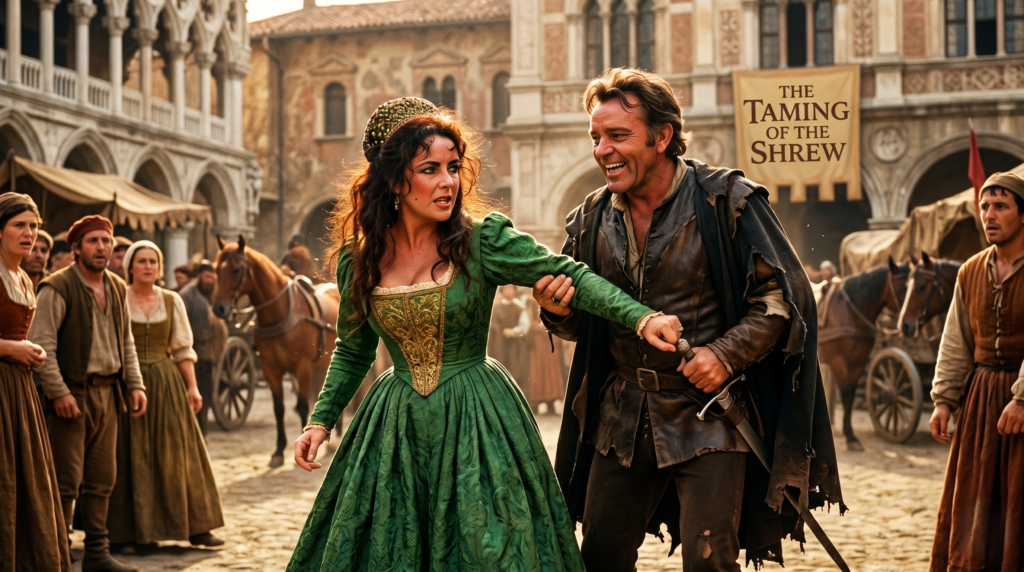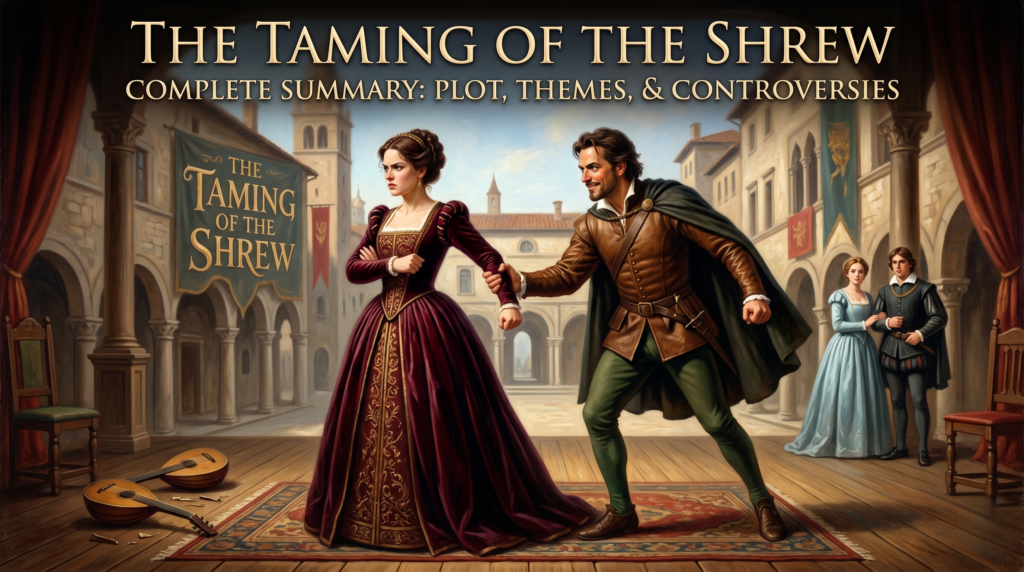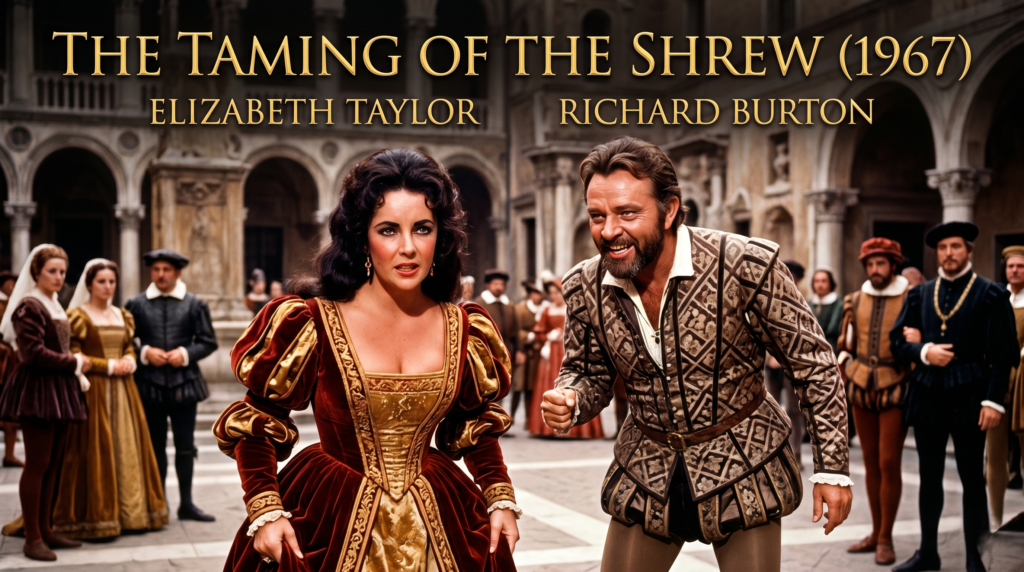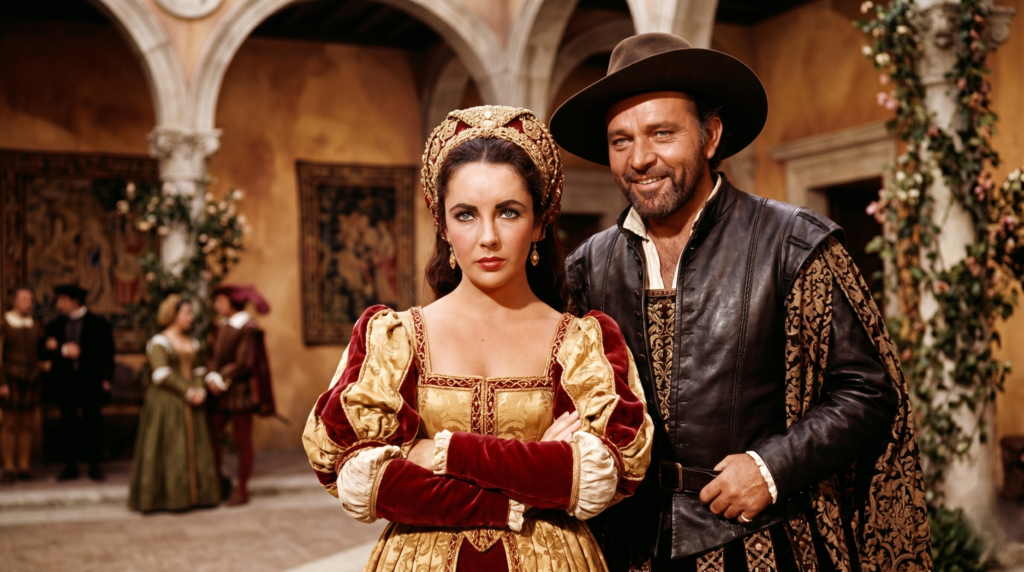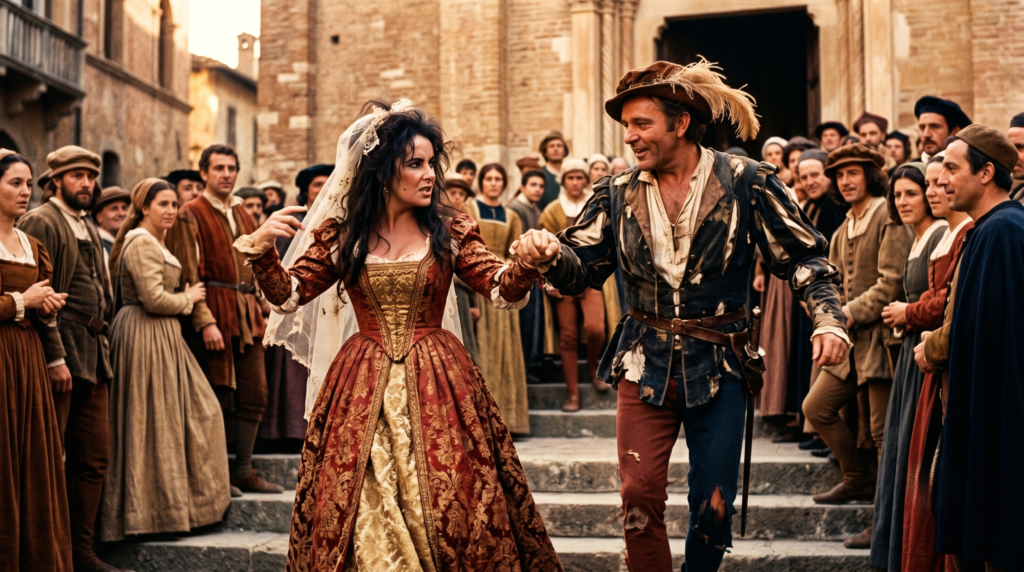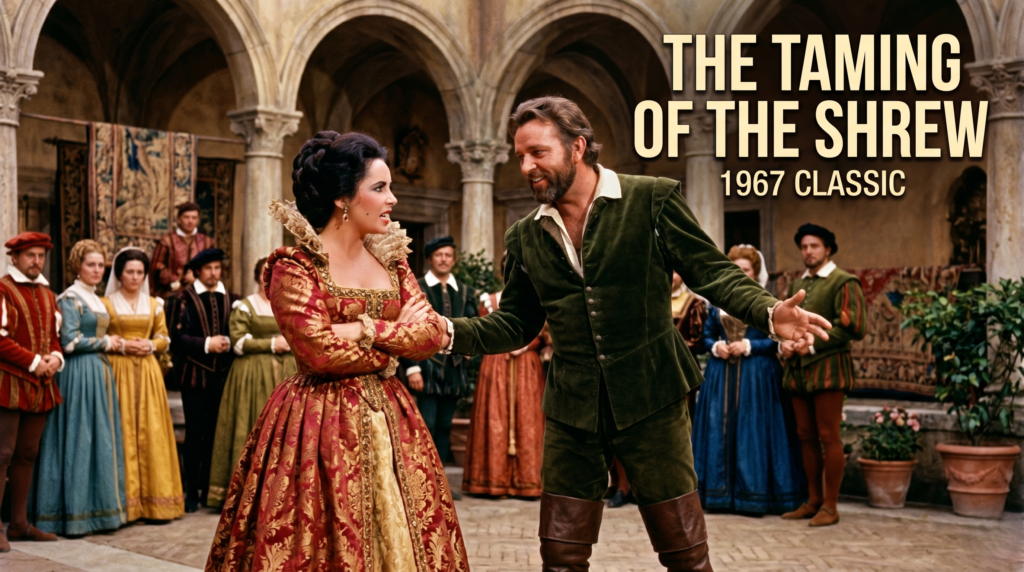
Imagine a rain-soaked Renaissance square erupting in chaos as a sharp-tongued woman hurls insults—and objects—at her determined suitor, their battle of wits crackling with equal parts fury and undeniable chemistry. This is the electrifying essence of The Taming of the Shrew movie, particularly Franco Zeffirelli’s lavish 1967 adaptation starring Elizabeth Taylor and Richard Burton. For Shakespeare enthusiasts, film buffs, students, and anyone curious about one of the Bard’s most provocative comedies, this article delivers the definitive guide you’ve been searching for.
Whether you’re seeking a plot breakdown, insights into its controversial themes, comparisons with other adaptations, or practical advice on watching it today, this comprehensive resource explores how Shakespeare’s fiery comedy translates to the big screen. As a subject matter expert on William Shakespeare’s works and their cinematic legacy, I’ll draw on historical context, critical analysis, and production details to provide deeper value than typical overviews—helping you appreciate not just the entertainment but the enduring questions about love, power, and gender that make this story timeless.
Understanding Shakespeare’s The Taming of the Shrew: The Play Behind the Movie
To fully appreciate any Taming of the Shrew movie, one must first understand the source material. William Shakespeare’s The Taming of the Shrew, likely written in the early 1590s, is a boisterous comedy set in Padua, Italy. It centers on the courtship of the strong-willed Katherina (often called Kate) and the fortune-seeking Petruchio, framed within the social conventions of Elizabethan marriage markets.
Plot Summary of the Original Play
The play opens with a unique induction: a drunken tinker named Christopher Sly is tricked into believing he is a lord and watches a play performed for his amusement—the main story of The Taming of the Shrew.
In Padua, wealthy merchant Baptista Minola has two daughters. The younger, Bianca, is sweet, beautiful, and pursued by multiple suitors: Lucentio, Hortensio, and Gremio. However, Baptista declares that Bianca cannot marry until her elder sister, the fiery and “shrewish” Katherina, finds a husband. Enter Petruchio, a bold gentleman from Verona who agrees to woo Kate for her substantial dowry. What follows is a whirlwind of deception, disguise, and psychological gamesmanship as Petruchio sets out to “tame” his bride through unconventional and often harsh methods—starving her, denying her sleep, and contradicting her at every turn.
Meanwhile, Bianca’s suitors employ disguises and schemes to win her favor, leading to comedic subplots involving mistaken identities and servant trickery. The play culminates in a banquet where the husbands wager on whose wife is the most obedient, with Kate delivering a famous (and much-debated) speech on wifely duty.
Key scenes, such as the chaotic wedding, the arduous journey to Petruchio’s country house, and the sun/moon argument, provide rich material for visual spectacle in film adaptations.
Major Themes in the Play
The Taming of the Shrew explores several interconnected themes that resonate across centuries:
- Gender Roles and Power Dynamics: The central question revolves around the “taming” process. Is it a story of patriarchal dominance, or a mutual transformation where both characters learn to navigate love through wit and resilience? Kate’s final speech is often interpreted today as potentially ironic or subversive, suggesting she has outmaneuvered Petruchio.
- Marriage as Transaction vs. Partnership: The play satirizes the economic realities of Elizabethan marriages, where dowries and social status often trumped romance. Disguises highlight themes of performance and identity.
- Social Class and Hierarchy: Subplots underscore how appearances and wealth influence relationships.
Modern scholarship frequently debates the play’s apparent misogyny while celebrating its comedic energy and sharp dialogue.
Why the Play Remains Controversial and Relevant Today
In an era of evolving gender norms, The Taming of the Shrew sparks passionate discussion. Feminist critics have long highlighted its problematic elements, such as Petruchio’s controlling behavior. Yet defenders argue it reflects the comedic conventions of its time and offers a nuanced portrait of a spirited woman finding agency within constraints. Its relevance persists in contemporary conversations about toxic relationships, power imbalances, consent, and what constitutes healthy partnership—making film adaptations particularly compelling for classroom and casual discussion alike.
This foundational understanding enriches any viewing of The Taming of the Shrew movie, revealing how directors interpret or update Shakespeare’s text.
The Iconic 1967 The Taming of the Shrew Movie – Franco Zeffirelli’s Masterpiece
Franco Zeffirelli’s 1967 film stands as the most celebrated cinematic version, blending Shakespearean authenticity with Hollywood glamour.
Production History and Casting Genius
Zeffirelli, making his English-language directorial debut after successes in theater and opera, envisioned a visually opulent adaptation. The casting of real-life power couple Elizabeth Taylor and Richard Burton was a stroke of genius—and marketing gold. Taylor, who also served as producer, brought star power and emotional depth; Burton, renowned for his Shakespearean stage work, embodied Petruchio’s charisma. Their famously tumultuous relationship mirrored the on-screen fireworks, adding layers of authenticity.
Filmed primarily in Italy with lavish sets and costumes (earning Oscar nominations), the production featured a substantial budget for the era. Nino Rota’s score and Oswald Morris’s cinematography enhanced the festive, chaotic atmosphere. The film’s marketing even leaned into its themes with provocative taglines, reflecting 1960s attitudes.
Detailed Plot Breakdown of the 1967 Film
The movie largely follows the play’s main plot while streamlining the induction and some subplots for cinematic pacing. It opens in bustling Padua, establishing Baptista’s (Michael Hordern) decree. Taylor’s Katherina is a whirlwind of rage and vulnerability, while Burton’s Petruchio arrives swaggering and determined. Standout sequences include the explosive first meeting, the riotous wedding (complete with Petruchio’s outrageous behavior), the grueling “taming” at his estate, and the climactic banquet wager. Zeffirelli emphasizes physical comedy and visual grandeur, turning verbal sparring into dynamic action.
Performances That Defined the Film
Elizabeth Taylor delivers a tour-de-force as Katherina, conveying fierce independence through expressive eyes and commanding presence despite limited prior Shakespeare experience. Richard Burton matches her intensity with vocal prowess and roguish charm. Supporting players like Michael York (Lucentio), Natasha Pyne (Bianca), and Cyril Cusack add depth and humor.
Direction, Cinematography, and Style
Zeffirelli’s direction balances farce, romance, and spectacle. The film’s vibrant colors, detailed production design, and energetic pacing make Shakespeare accessible and entertaining. It captures the play’s rowdy spirit while allowing moments of tenderness, creating a version that feels both faithful and freshly alive.
Comparing Major The Taming of the Shrew Movie Adaptations
While Franco Zeffirelli’s 1967 The Taming of the Shrew movie remains the benchmark for lavish, star-driven Shakespeare adaptations, it exists within a rich tradition of screen interpretations. Exploring these alternatives helps viewers understand interpretive choices, evolving cultural attitudes toward the play’s themes, and which version best suits their preferences.
The 1929 Silent-Era Version (Mary Pickford & Douglas Fairbanks)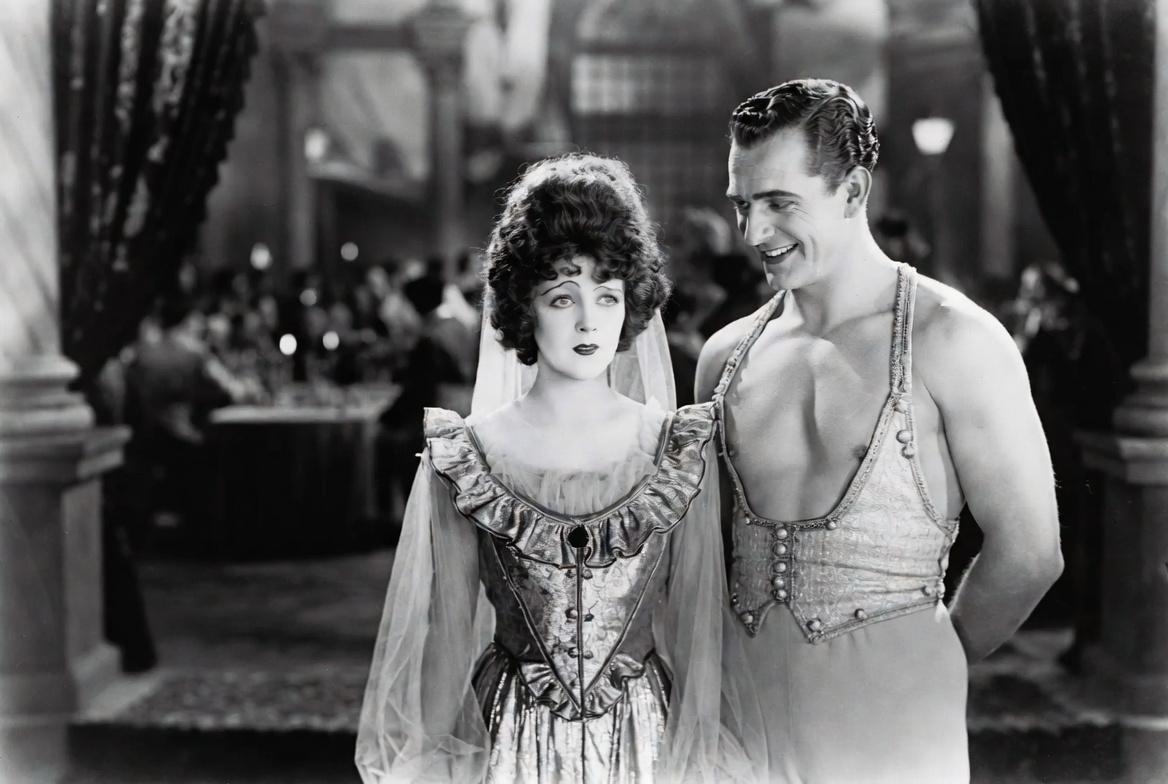
Directed by Sam Taylor, this early sound-era film (often noted as one of the first Shakespeare talkies, though primarily silent with some dialogue) starred the era’s premier celebrity couple: Mary Pickford as Katherina and Douglas Fairbanks as Petruchio. It takes significant liberties with the text, notably altering the ending to give Kate more agency—she winks at the audience after her submission speech, suggesting the taming was performative.
This version emphasizes slapstick comedy and Fairbanks’ athleticism, reflecting 1920s cinematic style. While charming and historically significant, it feels dated compared to Zeffirelli’s opulence and lacks the emotional depth of the Burton-Taylor pairing. It’s ideal for silent film enthusiasts or those studying early Hollywood’s approach to classic literature.
Kiss Me, Kate (1953) – The Musical Adaptation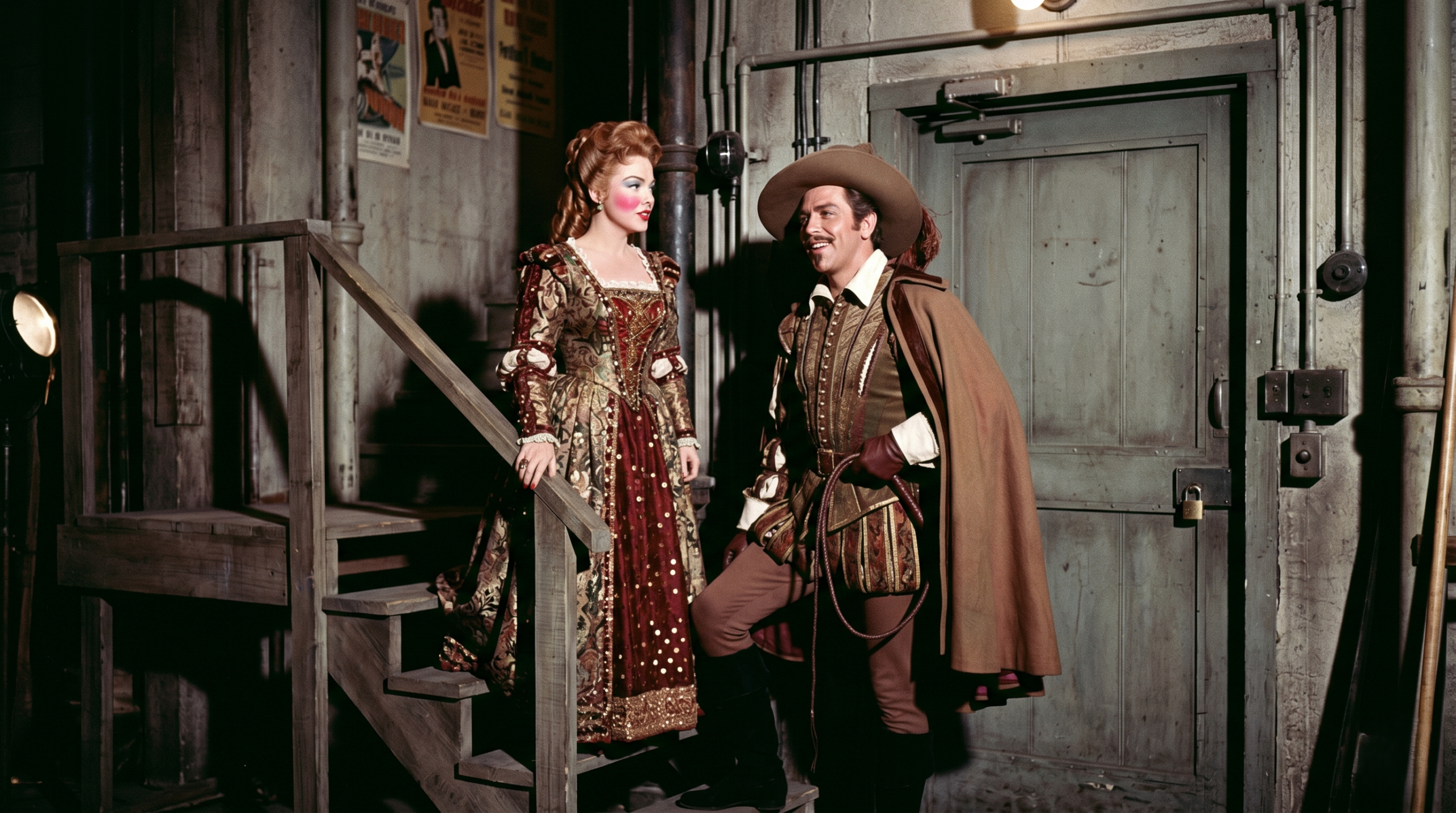
Cole Porter’s Broadway musical, adapted for the screen by George Sidney, offers a meta-theatrical delight. Set backstage during a production of Shakespeare’s play, it features Howard Keel and Kathryn Grayson in the leads (with Fred Graham and Lilli Vanessi mirroring Petruchio and Kate). Songs like “Brush Up Your Shakespeare” and “I Hate Men” inject jazz energy and witty commentary on gender relations.
This adaptation softens some controversial elements through humor and performance-within-a-performance framing, making it more palatable for musical theater fans. It excels in celebrating the play’s comedic spirit while adding layers of self-awareness.
Modern Retellings: 10 Things I Hate About You (1999) and Others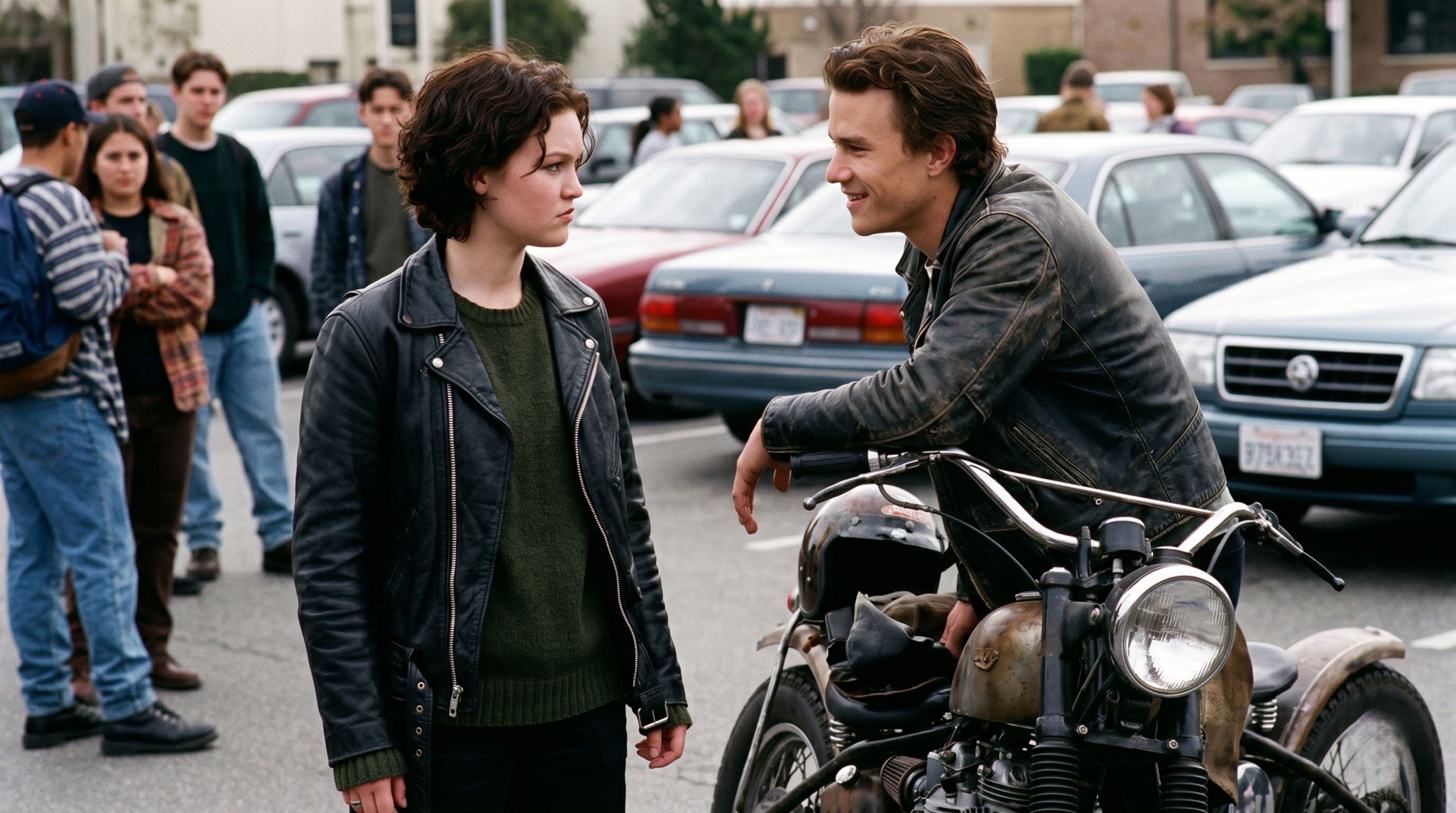
Arguably the most accessible entry point for younger audiences, Gil Junger’s 10 Things I Hate About You transplants the story to a Seattle high school. Julia Stiles shines as Kat Stratford (the modern Kate), a fiercely independent feminist, while Heath Ledger’s Patrick Verona brings charismatic rebellion to the Petruchio role. The film updates the “taming” into mutual growth, emphasizing consent, respect, and personal choice over domination.
Other notable versions include the 2003 romantic comedy Deliver Us from Eva (starring LL Cool J and Gabrielle Union), which centers Black characters and workplace/family dynamics, and the 2005 BBC Shakespeare Retold episode with Shirley Henderson and Rufus Sewell, which leans into dark comedy.
Which The Taming of the Shrew Movie Should You Watch First?
Consider this quick decision guide:
- For faithful Shakespeare experience with Hollywood glamour: Zeffirelli 1967.
- For historical context and silent charm: 1929 Pickford/Fairbanks.
- For musical fun and backstage drama: Kiss Me, Kate.
- For teens or modern accessibility: 10 Things I Hate About You.
- For diverse perspectives: Deliver Us from Eva.
Many viewers start with Zeffirelli and branch out, using the adaptations to spark deeper discussions on how directors handle the source material’s complexities.
Key Themes Brought to Life on Screen
Film adaptations amplify Shakespeare’s exploration of human relationships, making abstract ideas visually and emotionally immediate.
Gender Dynamics and the “Shrew” Archetype
The “shrew” label for Katherina reflects Elizabethan anxieties about assertive women challenging patriarchal norms. Zeffirelli’s film portrays Taylor’s Kate with volcanic intensity, highlighting her intelligence and vulnerability. Modern retellings like 10 Things I Hate About You reframe the archetype as empowered rebellion, critiquing rather than endorsing restrictive gender roles.
Scholars note the play’s potential irony: Kate’s final speech, while seemingly endorsing submission, may represent strategic performance, allowing her to thrive within societal constraints.
Love, Power, and Transformation
At its core, The Taming of the Shrew movie (especially Zeffirelli’s) depicts a battle that evolves into partnership. Petruchio’s methods—deprivation and contradiction—test Kate’s spirit, but their chemistry suggests mutual respect. Burton and Taylor’s real-life volatility infuses this with raw authenticity, showing transformation as two strong personalities learning to harmonize.
Social Class, Wealth, and Marriage Markets
Shakespeare satirizes dowry-driven unions. Films visualize this through opulent sets (Zeffirelli) or high school hierarchies (10 Things), underscoring how economic and social pressures shape romance. These elements remain relevant in discussions of modern dating, prenups, and status.
Critical Reception, Legacy, and Cultural Impact
Box Office, Awards, and Contemporary Reviews
Zeffirelli’s film was a commercial success, grossing around $12 million worldwide and ranking among 1967’s top earners. It earned Oscar nominations for Art Direction and Costume Design, with BAFTA recognition for the leads. Critics praised its visual splendor and star power, though some noted it prioritized spectacle over textual fidelity.
Today, it holds an 83% on Rotten Tomatoes, celebrated for being “too funny—and fun—to resist.”
Enduring Legacy in Film and Popular Culture
This adaptation influenced subsequent Shakespeare films (including Zeffirelli’s own Romeo and Juliet) and rom-com tropes of feisty couples. References appear in everything from The Simpsons to classroom curricula. It cemented the Burton-Taylor partnership as cinematic legend, blending art and celebrity.
Expert Insights: Why This Adaptation Stands the Test of Time
As a Shakespeare specialist, I appreciate how Zeffirelli balances fidelity with accessibility. The film doesn’t shy from the play’s edges but uses stellar performances to invite reflection. Its legacy lies in demonstrating that great adaptations illuminate the original while speaking to new generations.
Where to Watch and How to Experience The Taming of the Shrew Movie Today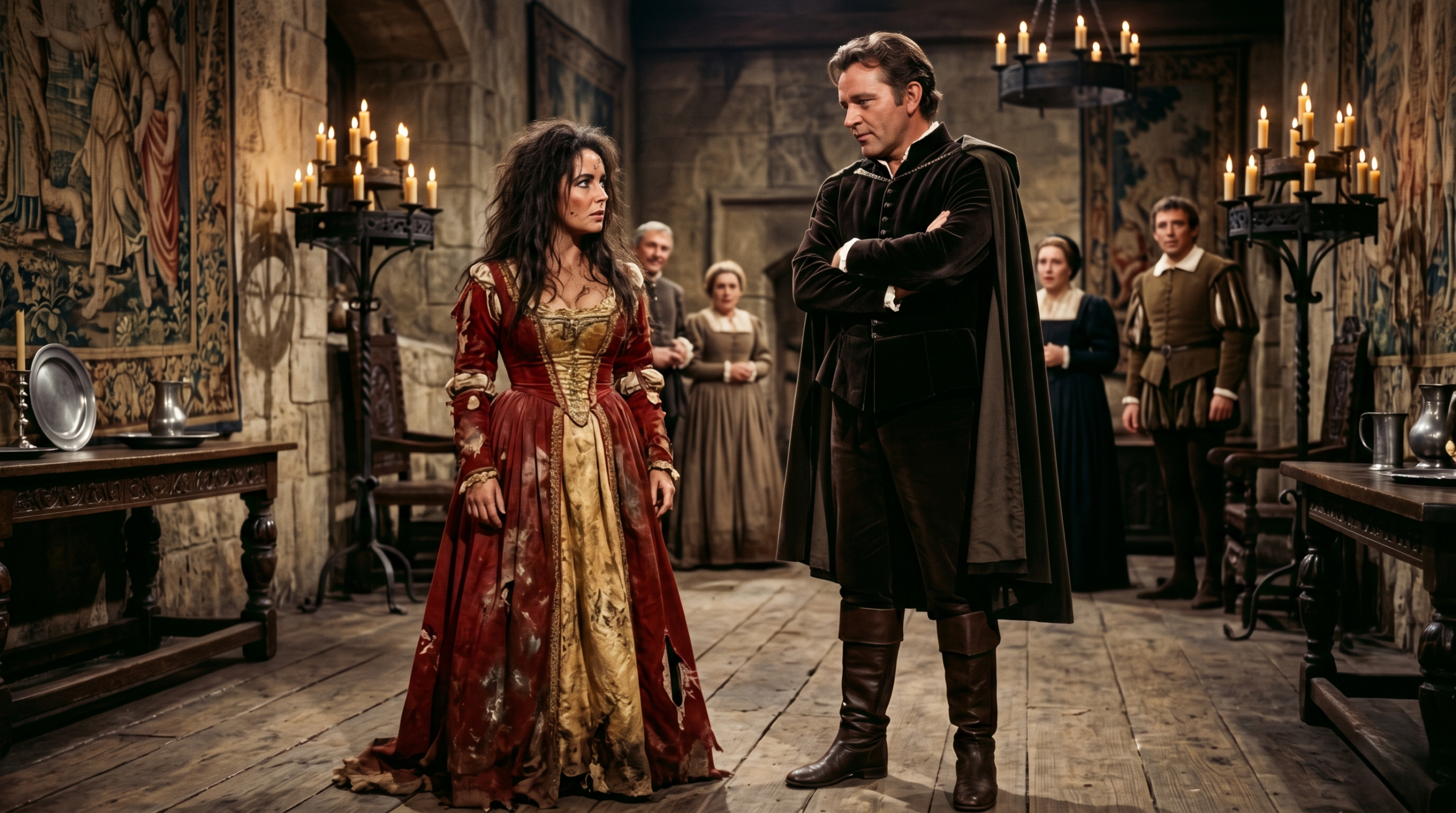
The 1967 version is available on Blu-ray restorations, streaming platforms (check current availability on services like Amazon Prime, Criterion Channel, or digital rental), and occasional theatrical revivals. For optimal experience, watch in high definition to appreciate the costumes and cinematography.
Tips for Viewers:
- First-timers: Watch with the play text nearby for comparison.
- Educators: Pair with scene analysis activities focusing on gender themes.
- Fans of the couple: Supplement with documentaries on Taylor and Burton.
Companion resources include Folger Shakespeare Library editions, Zeffirelli biographies, and scholarly articles on adaptations.
Common Questions About The Taming of the Shrew Movie (FAQs)
Is the movie faithful to Shakespeare? Zeffirelli’s version is relatively faithful but condenses subplots for runtime, prioritizing visual storytelling.
Is it sexist by modern standards? It reflects the play’s era but can be viewed critically. Many see subversive elements; pair with modern adaptations for balanced perspectives.
How does the ending differ from the play? Films often emphasize irony or mutual affection more overtly.
Best version for students or families? 10 Things I Hate About You for younger viewers; Zeffirelli for deeper literary study.
Connection to the real Taylor-Burton romance? Their off-screen passion deeply informed the on-screen intensity, adding meta-layer appeal.
The Taming of the Shrew movie, epitomized by Franco Zeffirelli’s vibrant 1967 masterpiece, brings Shakespeare’s fiery comedy to vivid life through unforgettable performances, stunning visuals, and timeless themes. From the original play’s witty battles to its various cinematic incarnations, this story continues to challenge and entertain, inviting us to examine love, power, and identity in our own lives.
Whether you’re a longtime Bard devotee or discovering these characters for the first time, dive into the 1967 classic—or explore the adaptations that speak to you. Shakespeare’s insight into the human heart endures because it mirrors our ongoing negotiations in relationships. Watch, reflect, and perhaps find your own sparks of transformation in this enduring tale.