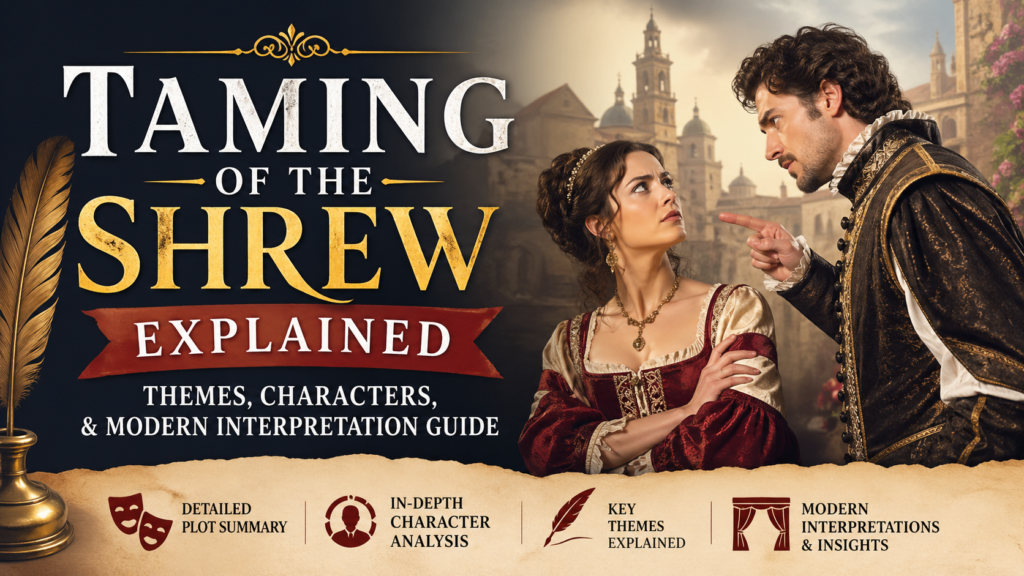
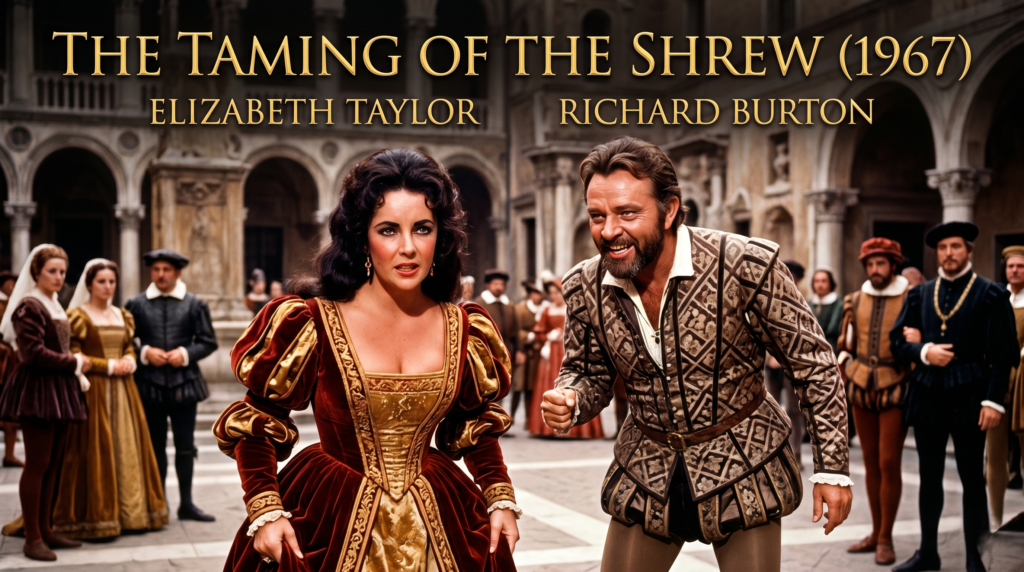
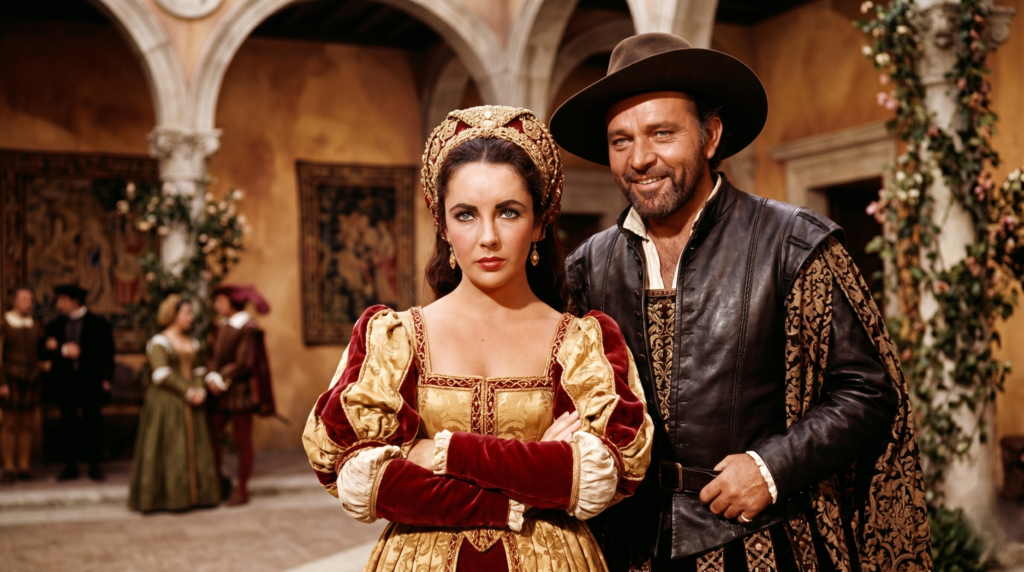
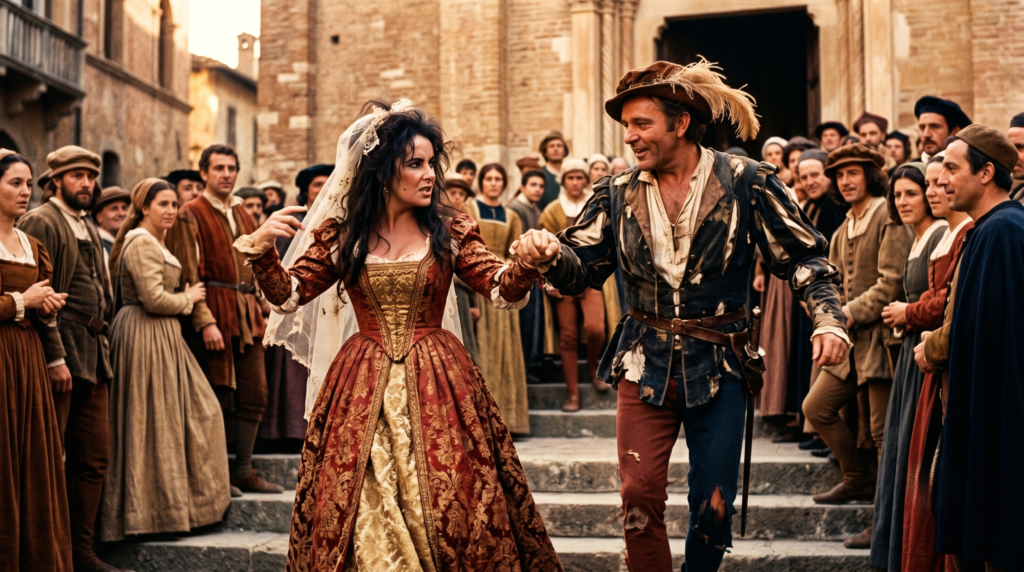
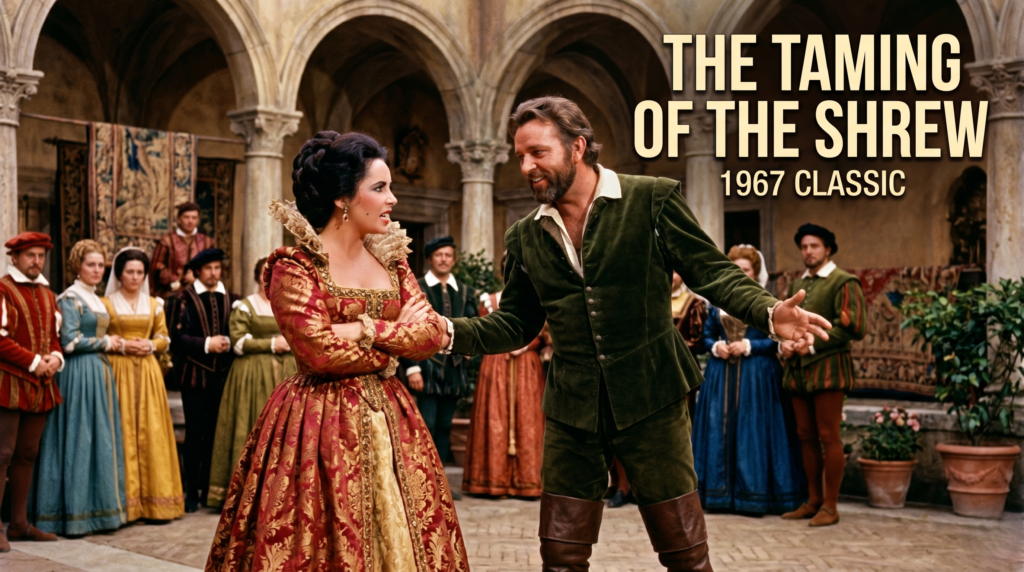
For Shakespeare enthusiasts, classic film fans, and anyone intrigued by the legendary Burton-Taylor chemistry, this adaptation offers far more than celebrity spectacle. It delivers a bold, visually stunning exploration of power, transformation, and the chaos of love that continues to spark debate and delight in equal measure.
Understanding Shakespeare’s The Taming of the Shrew
Plot Summary and Historical Context
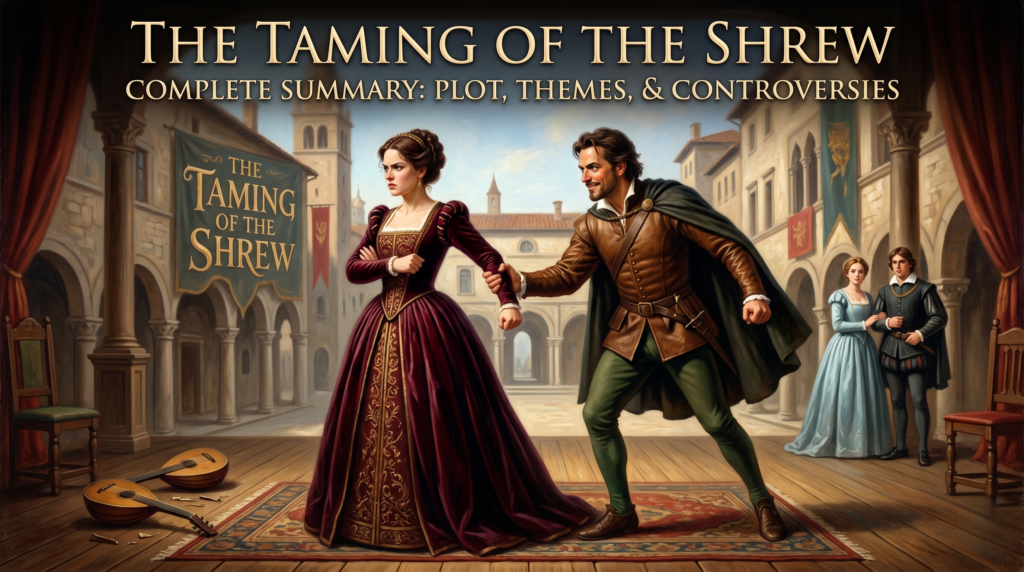
William Shakespeare’s The Taming of the Shrew, likely written in the early 1590s, is set in Padua, Italy. The story centers on the strong-willed Katharina (often called Kate), whose fiery temper deters suitors, while her younger, milder sister Bianca has many admirers. Their father, Baptista, declares that Bianca cannot marry until Katharina does. Enter Petruchio, a fortune-hunting gentleman from Verona who sees Katharina as both a challenge and a path to wealth. What follows is a whirlwind courtship marked by psychological games, public humiliation, and eventual (debatable) harmony.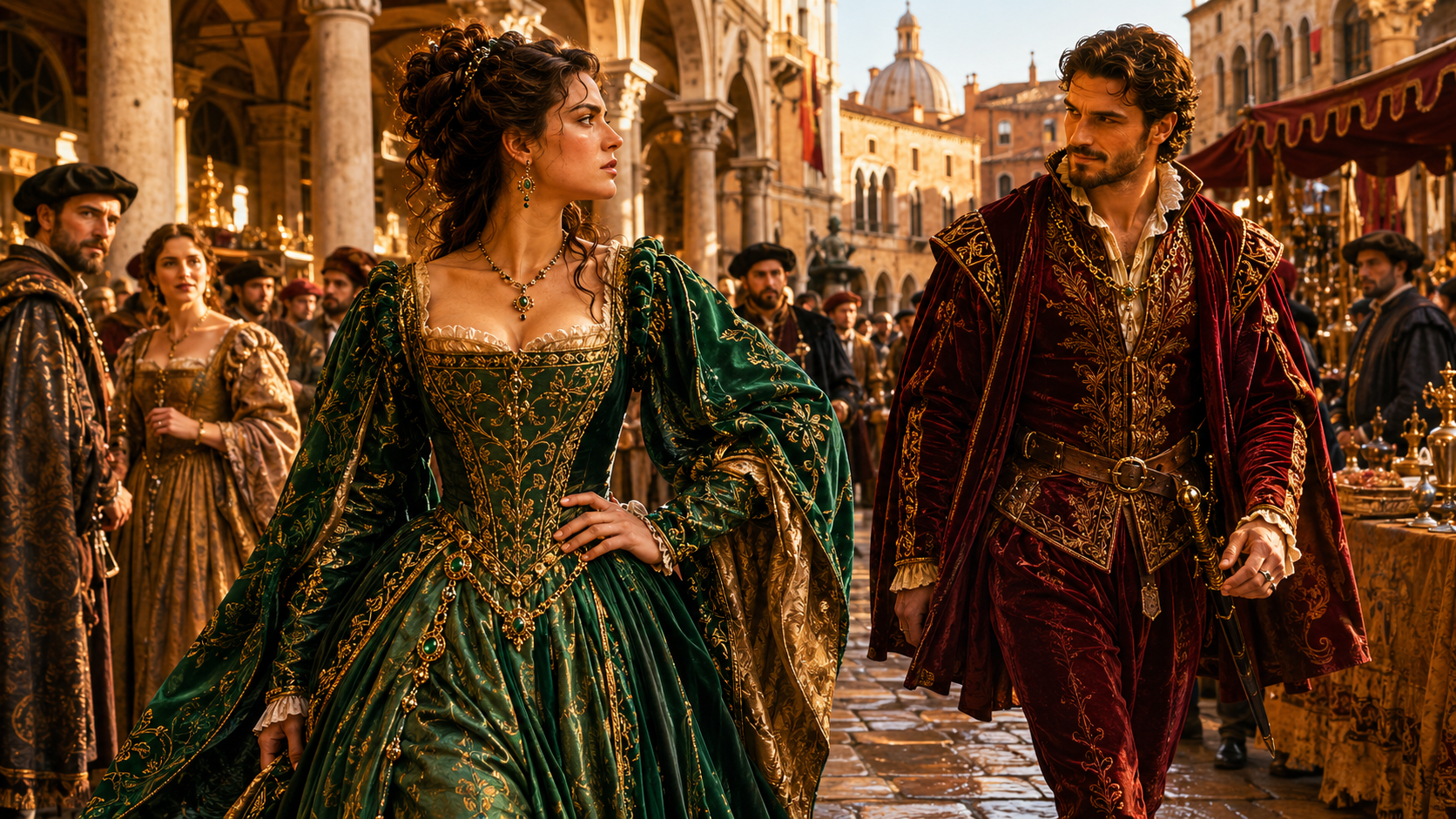
The play belongs to Shakespeare’s early comedies, drawing on Italian commedia traditions and English farce. It was popular in its time but has become one of his most polarizing works in the modern era.
Major Themes – Power, Gender Roles, and Transformation
At its core, the play examines the dynamics of power within marriage and society. Petruchio’s “taming” involves depriving Katharina of food, sleep, and comfort while insisting on absolute obedience. Yet many scholars and directors interpret this not as simple misogyny but as a mutual transformation: two strong personalities learning to navigate partnership through exaggerated role-playing.
Other key themes include appearance versus reality (disguises and deceptions abound in the Bianca subplot), social mobility through marriage, and the performance of identity. Shakespeare invites audiences to question whether Petruchio genuinely breaks Katharina’s spirit or if they forge a private understanding beyond societal expectations.
Why the Play Remains Controversial in the 21st Century
In an age of evolving gender norms, The Taming of the Shrew frequently faces criticism for depicting psychological abuse and reinforcing patriarchal control. Modern readers often struggle with Katharina’s final speech, in which she advocates for female submission. Interpretations range from viewing it as ironic or performative to seeing it as a product of its Elizabethan context.
This controversy is precisely why the play endures. It forces us to confront uncomfortable questions about power, consent, and love—questions that Zeffirelli’s 1967 film engages with head-on through its larger-than-life stars.
Key Scenes That Define the Play’s Bold Comedy
Standout moments include the chaotic wedding, Petruchio’s sun/moon mind games, and the final banquet where Katharina delivers her famous speech. These scenes mix physical farce with verbal fireworks, demanding actors who can handle both slapstick and Shakespearean language.
The Making of the 1967 Film – From Stage to Silver Screen
Franco Zeffirelli’s Vision and Directorial Approach
Italian director Franco Zeffirelli, fresh off theatrical successes, brought his signature operatic style to Shakespeare. He envisioned a colorful, boisterous Renaissance world that celebrated the play’s comedic energy rather than shying away from its controversies. Zeffirelli co-wrote the screenplay with Suso Cecchi d’Amico and Paul Dehn, trimming some text while amplifying visual storytelling.
Why 1967 Was the Perfect Time for This Adaptation
The mid-1960s marked the height of Richard Burton and Elizabeth Taylor’s stormy, headline-dominating romance. After their scandalous affair and multiple marriages to each other, casting them as the combative central couple was marketing genius. The film capitalized on their real-life passion while offering audiences a glamorous escape into lavish period drama.
Production Challenges and Lavish Budget
With an estimated budget of around $4 million (substantial for the era), the production spared no expense. Elizabeth Taylor served as a producer alongside Burton and Zeffirelli (though uncredited in some capacities). Filming took place primarily at Dino De Laurentiis studios in Rome, with elaborate sets recreating Padua. The shoot was reportedly intense, with the Burtons’ off-screen relationship adding authenticity—and occasional volatility—to the on-screen fights.
Filming Locations and Stunning Cinematography
The film boasts rich, warm cinematography by Oswald Morris, with costumes designed by Danilo Donati (Oscar-nominated). Vibrant Renaissance fabrics, detailed architecture, and bustling crowd scenes create an immersive world. Nino Rota’s playful score further enhances the festive, chaotic atmosphere.
Richard Burton as Petruchio – A Magnetic Performance
Richard Burton’s portrayal of Petruchio stands as one of the most commanding and charismatic interpretations of the role ever committed to film. With his rich, velvety voice and commanding presence, Burton embodied the fortune-seeking yet intellectually sharp suitor with effortless authority. The Taming of the Shrew Richard Burton delivers a performance that captures both the swaggering bravado and the underlying vulnerability of Shakespeare’s complex anti-hero.
Burton’s Interpretation of Petruchio’s Character
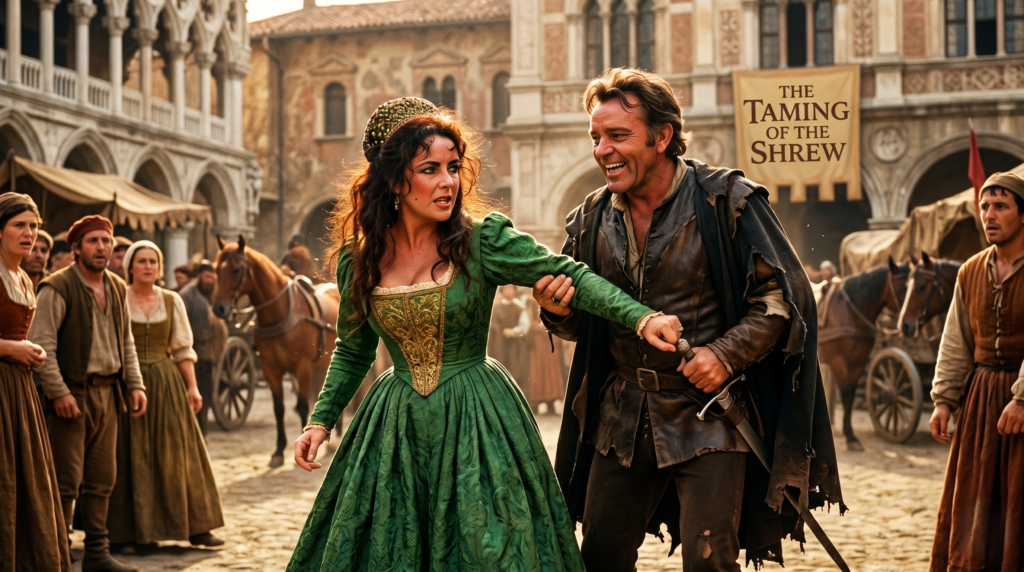
Burton approached Petruchio not as a straightforward bully, but as a clever opportunist and skilled performer. He plays the role with a twinkle in his eye — fully aware of the absurdity of his “taming” tactics while committing to them with theatrical gusto. His physicality is impressive: broad-shouldered and commanding, he dominates every scene, whether throwing furniture during the wedding or engaging in verbal sparring matches that crackle with wit.
What makes Burton’s performance particularly masterful is his ability to layer humor beneath the bluster. He delivers lines like “I come to wive it wealthily in Padua” with self-aware irony, suggesting Petruchio knows exactly what game he is playing — and intends to win it on his own terms.
How Burton Brought Shakespearean Verse to Life
Trained in the classical tradition, Burton had a legendary ability to make Elizabethan English sound natural and conversational. In the 1967 adaptation, his delivery of Petruchio’s monologues feels spontaneous rather than recited. He varies rhythm and pace masterfully — booming during moments of dominance, then dropping to a silky whisper during intimate exchanges with Kate. This vocal range keeps the audience engaged and highlights the psychological complexity of the character.
The Burton-Taylor Dynamic – On-Screen Chemistry Meets Real-Life Passion
The real magic of this adaptation lies in the combustible chemistry between Burton and Taylor. Married to each other for the second time during filming, their off-screen relationship infused every confrontation with authentic fire. Their fights feel dangerously real, while their eventual moments of connection carry genuine tenderness. Zeffirelli cleverly used their personal history to deepen the central relationship, turning what could have been pure farce into something more emotionally layered.
Expert Analysis: Why Burton’s Petruchio Is Still Considered Definitive
Film scholars and theater historians frequently cite Burton’s performance as the gold standard. His Petruchio balances menace with charm, making the character both repulsive and magnetic — exactly as Shakespeare likely intended. Unlike more sanitized modern interpretations that soften Petruchio’s edges, Burton leans into the character’s darkness while still finding moments of humanity. This nuanced approach makes his performance endlessly rewatchable and worthy of serious academic study.
Elizabeth Taylor as Katharine – Fierce, Vulnerable, and Unforgettable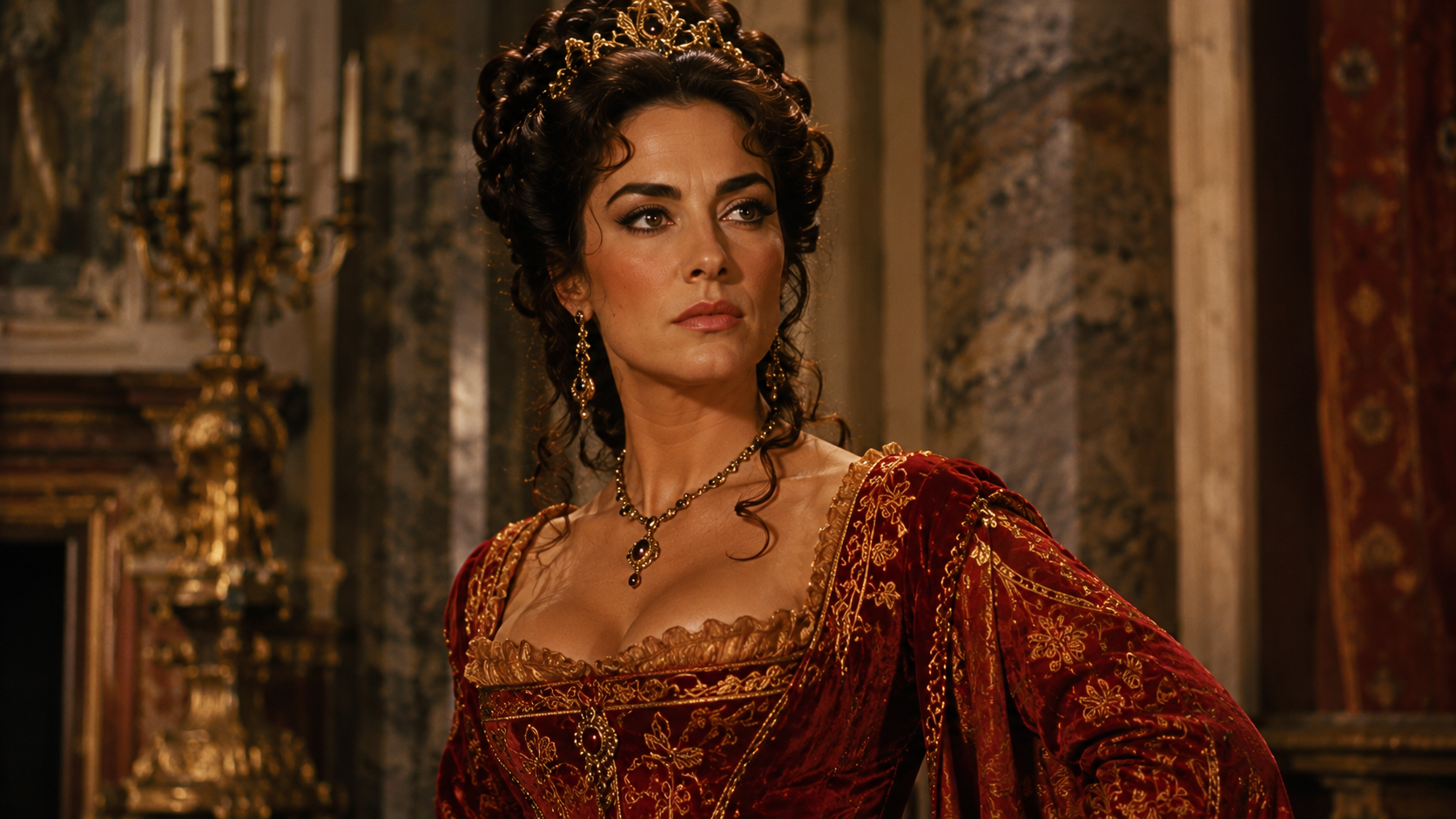
Elizabeth Taylor’s Katharine (Kate) is a force of nature — beautiful, tempestuous, and intellectually formidable. At 35 years old, Taylor brought both Hollywood glamour and raw dramatic intensity to the role, creating a Katharine who feels dangerously alive.
Taylor’s Transformation from Shrew to Partner
Taylor’s physical and emotional journey throughout the film is remarkable. She begins as a whirlwind of rage, smashing furniture and verbally eviscerating everyone around her. As Petruchio’s “taming” progresses, we witness a subtle but powerful transformation. Taylor masterfully conveys Kate’s internal conflict — her pride battling with growing respect and attraction for this man who refuses to be intimidated by her.
Her delivery of the controversial final speech is particularly noteworthy. Rather than playing it as simple submission, Taylor infuses it with layers of irony, playfulness, and even quiet triumph, suggesting a private understanding between husband and wife that the rest of Padua cannot see.
Fashion and Costume Design That Enhanced Her Performance
Danilo Donati’s Oscar-nominated costumes for Taylor are spectacular. From her fiery red wedding gown (deliberately designed to look outrageous) to the increasingly elegant but still strong-willed outfits of the later acts, the costumes mirror Kate’s emotional journey. The rich fabrics and Renaissance details further immerse viewers in Zeffirelli’s vision of opulent 16th-century Italy.
Balancing Strength and Subtlety in a Challenging Role
Taylor’s greatest achievement is maintaining Katharine’s strength even as she appears to yield. She never allows the character to become weak or broken. Instead, her Kate evolves into a woman who has found a worthy partner capable of matching her intensity. This interpretation helps modern audiences engage with the play’s themes more thoughtfully.
Supporting Cast and Standout Performances
Michael York as Lucentio and the Younger Generation
Michael York brings youthful charm and sincerity to Lucentio, providing a lighter counterpoint to the central couple’s explosive dynamic. His performance anchors the Bianca subplot with warmth and humor.
Memorable Supporting Roles
Cyril Cusack delivers a wonderfully scheming Baptista, while Victor Spinetti and others provide excellent comic relief in various disguises and schemes. The ensemble work creates a vibrant, bustling Padua that feels lived-in and authentic.
How the Ensemble Elevated the Film
The strength of the supporting cast prevents the film from becoming solely a star vehicle. Every performer commits fully to Zeffirelli’s energetic vision, resulting in a rich tapestry of performances that support and enhance Burton and Taylor’s central work.
How the 1967 Film Captures Shakespeare’s Bold Comedy
Faithful Yet Cinematic Adaptation Techniques
Zeffirelli strikes an excellent balance between fidelity to Shakespeare’s text and cinematic storytelling. He trims lengthy passages but preserves the play’s spirit through dynamic visuals, physical comedy, and clever editing.
Key Scenes Brilliantly Realized on Screen
The wedding sequence is pure cinematic chaos — one of the most memorable in any Shakespeare adaptation. The sun/moon debate scene showcases Burton and Taylor’s verbal dexterity beautifully. The final banquet scene provides a satisfying and thought-provoking conclusion that respects the play’s ambiguity.
Humor, Physical Comedy, and Visual Storytelling
The film excels at translating Shakespeare’s verbal wit into visual humor. Slapstick elements, exaggerated gestures, and vibrant set pieces make the comedy accessible while maintaining intellectual depth.
Balancing Farce with Emotional Depth
What elevates this adaptation is its willingness to explore darker emotional territory without losing the comedic spirit. The result is a film that can make you laugh uproariously while also prompting serious reflection on relationships.
Critical Reception and Cultural Impact
Contemporary Reviews in 1967
Upon its release, The Taming of the Shrew (1967) received largely positive reviews. Critics praised the film’s visual splendor, energetic pacing, and the magnetic performances of its legendary leads. Many highlighted how Zeffirelli successfully brought Shakespeare to a mainstream audience without diluting the play’s linguistic richness. The New York Times and other major outlets celebrated the Burton-Taylor pairing as inspired casting that elevated the material.
Box Office Success and Academy Award Nominations
The film was a commercial triumph, grossing over $8 million in North America alone — impressive for the period. It earned two Academy Award nominations: Best Costume Design (Danilo Donati) and Best Art Direction. While it didn’t win Oscars, its financial and cultural success helped pave the way for more ambitious Shakespeare adaptations in the following decades.
Legacy in Film and Shakespearean Studies
More than fifty years later, the Taming of the Shrew Richard Burton version remains a cornerstone of Shakespeare on film. It is frequently studied in university courses for its balance of accessibility and artistic ambition. Film historians regard it as one of Zeffirelli’s finest works and a benchmark for star-driven literary adaptations.
Influence on Later Adaptations
The 1967 film’s DNA is visible in many subsequent versions, most notably 10 Things I Hate About You (1999), which updated the story for a modern teen audience while retaining the core battle-of-the-sexes energy. Its influence extends to theater productions that now often reference Zeffirelli’s bold visual style and emphasis on physical comedy.
Comparing the 1967 Film to Other Major Adaptations
Vs. The 1929 Mary Pickford/Douglas Fairbanks Version
The earlier black-and-white talkie starring Pickford and Fairbanks is charming but feels dated and somewhat sanitized. Burton and Taylor bring significantly more psychological depth and sexual tension, making Zeffirelli’s version far more compelling for contemporary viewers.
Vs. Modern Takes (1999’s 10 Things I Hate About You)
While 10 Things I Hate About You is highly entertaining and culturally significant in its own right, it softens many of the play’s darker edges for a PG-13 audience. Zeffirelli’s film retains more of Shakespeare’s raw intensity and linguistic complexity.
Vs. Stage Productions and BBC Versions
Stage versions often excel in verbal intimacy, while the BBC television adaptations can feel more restrained. The 1967 film uniquely combines theatrical energy with cinematic scale, creating an experience that feels both grand and personal.
Why Zeffirelli’s Version Stands Above Most
The combination of lavish production values, perfect star casting, and confident direction makes this adaptation exceptionally rewatchable. It respects Shakespeare’s text while embracing the medium of film in ways few others have matched.
Themes and Modern Relevance
Gender Politics – Then and Now
The film invites viewers to examine how power dynamics in relationships have evolved. While Petruchio’s methods appear extreme by today’s standards, the central question — can two strong-willed people find harmony? — remains timeless.
The Question of “Taming” – Power Struggle or Mutual Growth?
Careful analysis reveals the possibility that Petruchio and Katharine are engaged in an elaborate game that ultimately benefits both. Burton and Taylor’s performances support this reading, showing mutual respect emerging beneath the conflict.
Lessons on Marriage, Respect, and Transformation
The adaptation offers valuable insights into the work required in any deep relationship: the need for honesty, resilience, and the courage to change while staying true to oneself.
Where to Watch and Study the Film Today
Best Streaming Platforms and Restorations (as of 2026)
As of 2026, the film is available on major platforms including Amazon Prime, Criterion Channel (in restored editions), and occasional rotations on TCM. Look for high-definition restorations that preserve the vibrant colors and detail of the original cinematography.
Recommended Companion Reading and Documentaries
Pair the film with Shakespeare’s original text, scholarly editions from Oxford or Arden, and documentaries on the Burton-Taylor relationship. Zeffirelli’s autobiography also provides fascinating behind-the-scenes context.
Tips for Teachers and Students Using This Adaptation
Educators can use specific scenes to spark discussions on gender roles, performance theory, and adaptation studies. The film’s accessibility makes it an excellent gateway for students new to Shakespeare.
Expert Insights and Lesser-Known Facts
- Burton and Taylor’s real-life arguments during filming reportedly mirrored their on-screen battles, adding unplanned authenticity.
- Elizabeth Taylor personally selected many of her costumes and influenced production decisions.
- Nino Rota’s score incorporates period-appropriate instruments while maintaining his signature melodic warmth.
- The production used over 1,000 extras for crowd scenes, contributing to the film’s epic feel.
These details highlight the dedication behind this landmark Shakespeare adaptation.
The Taming of the Shrew Richard Burton stands as a triumphant fusion of Elizabethan comedy and Hollywood glamour. Franco Zeffirelli’s 1967 film captures the playful aggression, intellectual sparring, and ultimate tenderness of Shakespeare’s work through two of the 20th century’s greatest stars at the peak of their powers.
Whether you approach it as a Shakespeare scholar, a classic film lover, or someone simply curious about one of cinema’s most famous couples, this adaptation rewards repeated viewings. It challenges us to think deeply about relationships while entertaining us with sumptuous visuals, razor-sharp wit, and unforgettable performances.
In an era of endless remakes and adaptations, Zeffirelli’s The Taming of the Shrew continues to shine as a bold, confident, and deeply human interpretation that honors Shakespeare’s bold comedic spirit. Watch it, debate it, and let its energy remind you why these stories have endured for over four centuries.
Call to Action: Explore more Shakespeare film adaptations on this site, start with the original play, or share your thoughts on Burton and Taylor’s iconic performances in the comments below.
FAQ
Is The Taming of the Shrew sexist? The play reflects Elizabethan gender norms but can be interpreted in multiple ways. Many modern productions and the 1967 film emphasize mutual transformation rather than one-sided domination.
How accurate is the 1967 film to Shakespeare’s original play? It is one of the more faithful adaptations, retaining most major scenes and much of the original language while making necessary cuts for cinematic pacing.
What was the relationship between Richard Burton and Elizabeth Taylor during filming? They were married for the second time and their passionate, volatile relationship added tremendous authenticity to their on-screen chemistry.
Did the film win any Oscars? It received two nominations (Costume Design and Art Direction) but did not win.
Is the 1967 version the best adaptation of the play? For many critics and audiences, yes — due to its visual richness, star power, and balanced tone. However, preferences vary depending on whether one favors traditional or highly modernized interpretations.